Sustainable Urban Planning: Careers in Green Infrastructure
Explore the growing opportunities in designing New Zealand’s eco-friendly and resilient urban future.
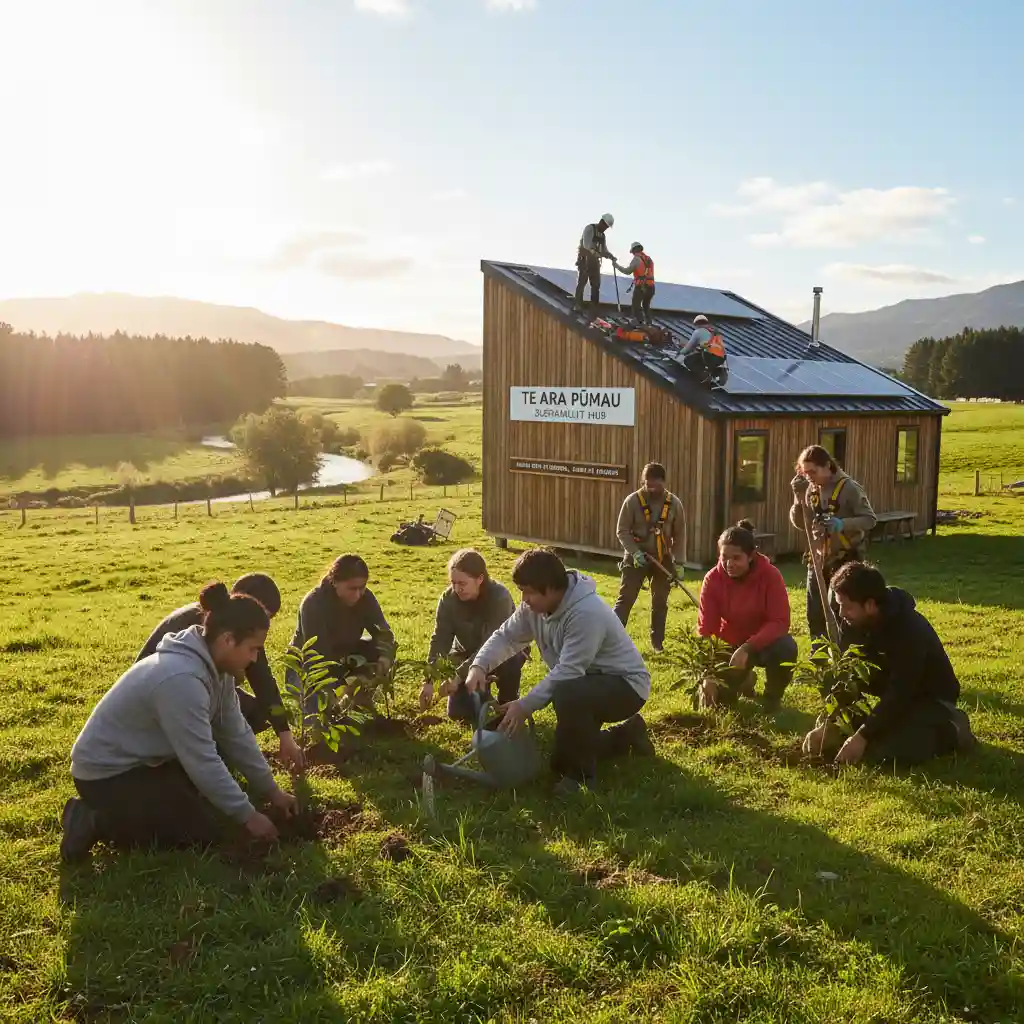
In an era defined by environmental consciousness and the urgent need for climate action, the way we design and build our cities has never been more critical. New Zealand, with its unique natural beauty and commitment to sustainability, is at the forefront of this transformation. This shift is creating a vibrant landscape for careers in sustainable urban planning and green infrastructure, offering professionals the chance to make a tangible difference.
Are you passionate about creating healthier, more resilient communities? Do you envision cities that harmonise with nature, rather than fight against it? Then you’ve arrived at the perfect place. We’ll explore the diverse and impactful career paths available, from designing eco-friendly public spaces to shaping policy that drives urban greening initiatives across Aotearoa.
What is Sustainable Urban Planning & Green Infrastructure?
At its core, sustainable urban planning is about designing, managing, and governing urban environments to meet the needs of the present without compromising the ability of future generations to meet their own needs. It integrates environmental protection, social equity, and economic viability into all aspects of urban development.
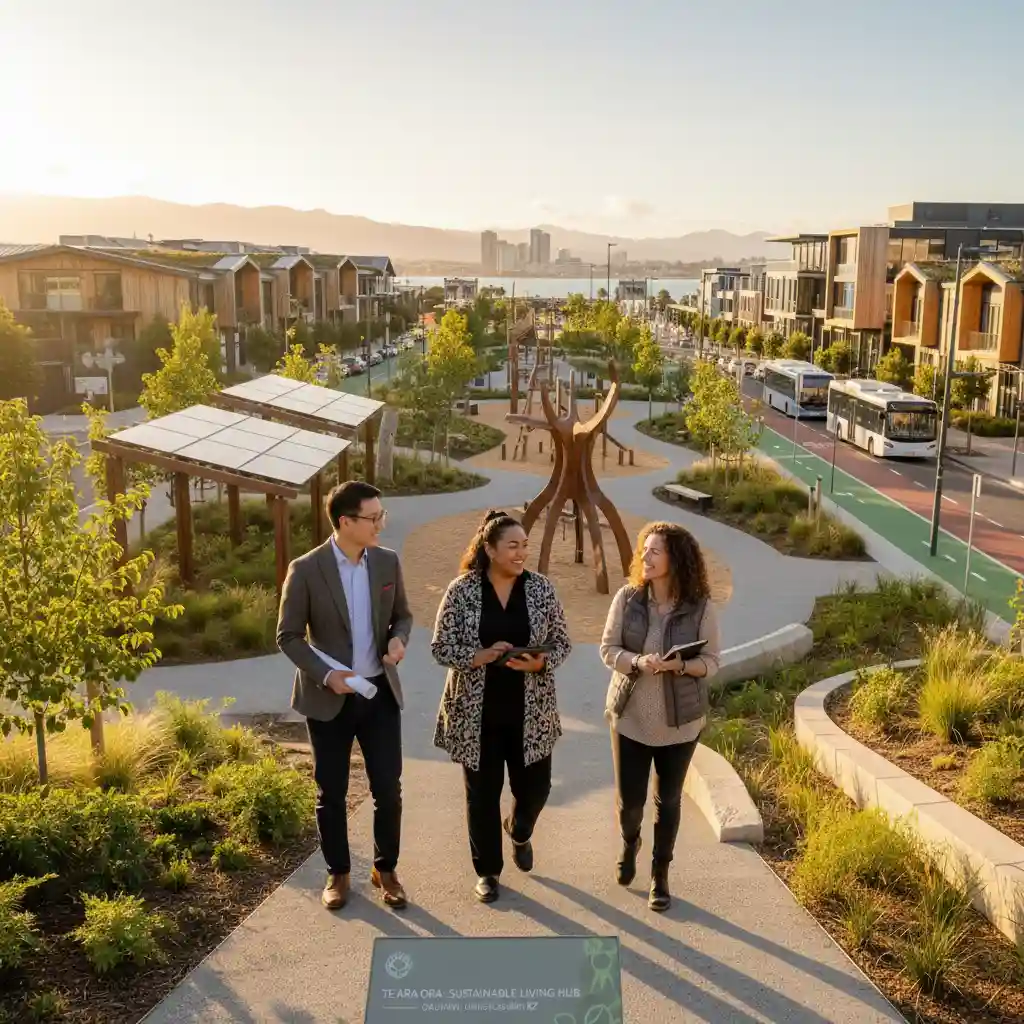
Green infrastructure is a key component of this. Rather than relying solely on traditional ‘grey’ infrastructure (e.g., pipes, concrete channels), green infrastructure uses natural systems and processes to provide environmental, social, and economic benefits. This includes:
- Green roofs and walls: Insulating buildings, managing stormwater, enhancing biodiversity.
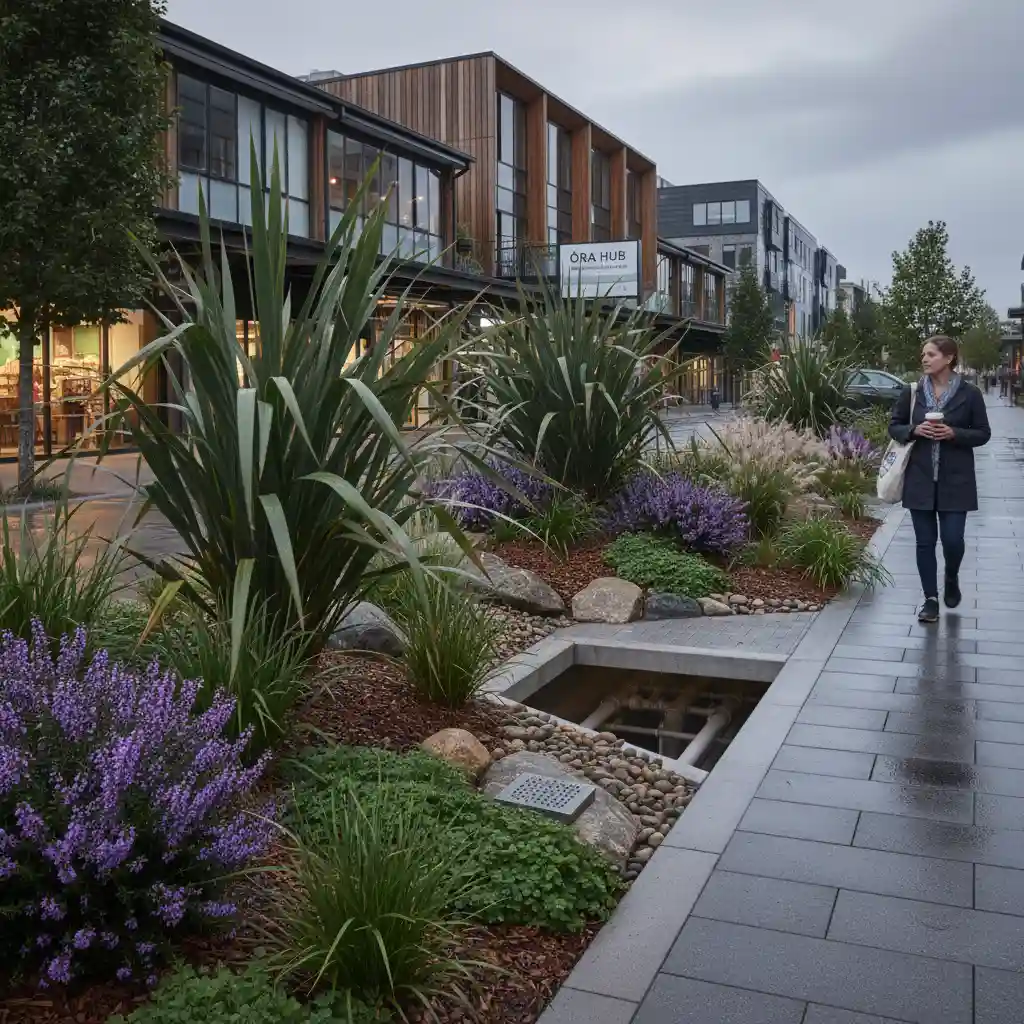
- Rain gardens and bioswales: Filtering pollutants from stormwater and recharging groundwater.
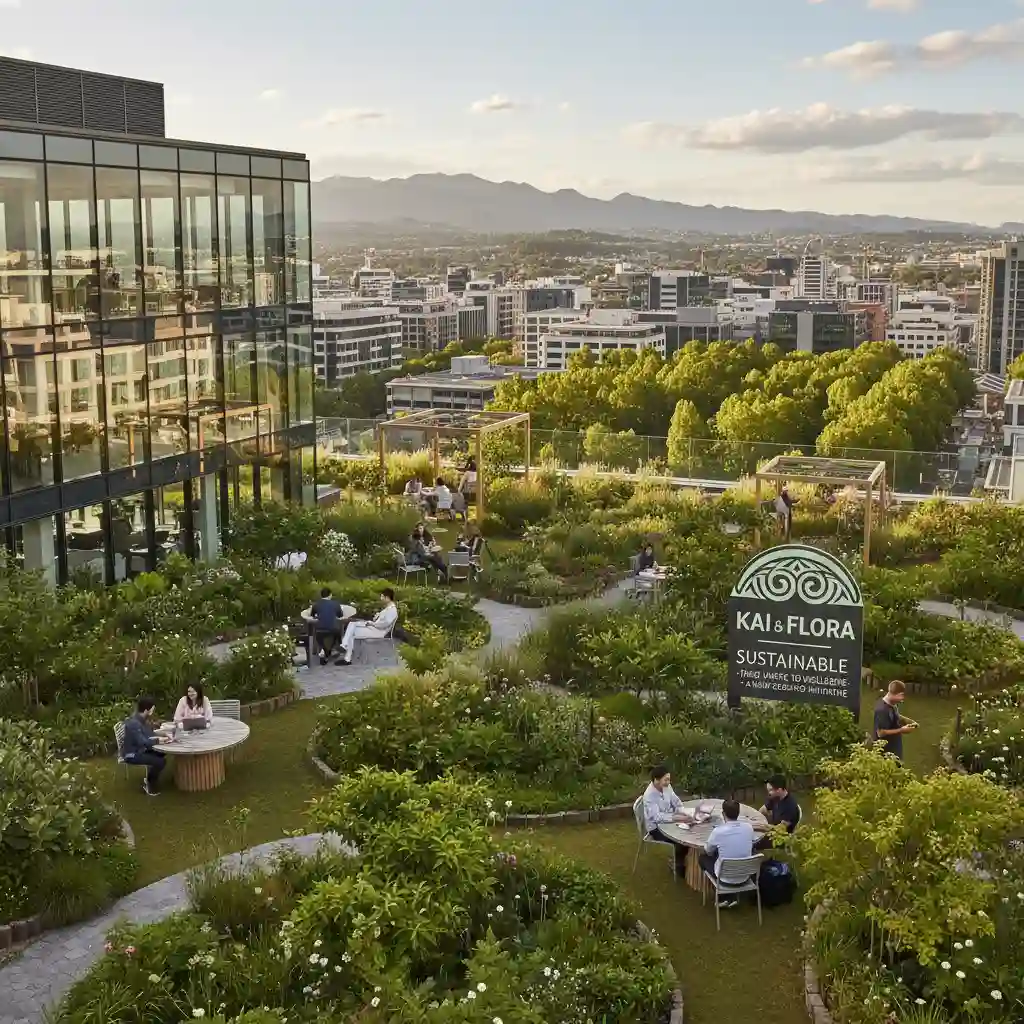
- Urban parks and community gardens: Providing recreational space, promoting well-being, fostering local food production.
- Tree-lined streets and urban forests: Improving air quality, reducing urban heat island effect, creating habitat.
- Permeable pavements: Allowing water to infiltrate the ground naturally.
These elements work together to create more resilient, livable, and beautiful cities – crucial for New Zealand’s growing urban centres.
Why Pursue a Career in Sustainable Urban Planning?
The demand for professionals skilled in sustainable urban planning and green infrastructure is skyrocketing, both globally and right here in New Zealand. It’s a field brimming with purpose and innovation.
Stat Callout: Growth & Impact
Globally, the green economy is projected to create millions of jobs. In New Zealand, local councils and environmental consultancies are increasingly investing in resilient urban design. A recent report by Infrastructure New Zealand highlighted significant investment opportunities in sustainable infrastructure, underscoring a growing need for skilled professionals.
Future Earth (2020) estimated that the transition to a green economy could create 18 million new jobs worldwide by 2030, with a substantial portion in urban development and green infrastructure.
Beyond the statistics, working in this field means you’ll be actively contributing to solving some of the world’s most pressing environmental challenges, from climate change adaptation and biodiversity loss to water management and community well-being. It’s about building a better future, one green space at a time.
Key Career Paths in Green Infrastructure
The beauty of a career in green infrastructure is its multidisciplinary nature. It draws on expertise from environmental science, design, engineering, social sciences, and policy. Here are some prominent roles:
- Urban Planner / Sustainable Planner: Shapes the growth and development of cities, often focusing on zoning, land use, and integrating green infrastructure into master plans.
- Landscape Architect: Designs outdoor spaces, including parks, public plazas, stormwater management systems, and ecological restoration projects, often using native planting.
- Environmental Engineer: Specialises in designing solutions for water quality, waste management, renewable energy integration, and pollution control within urban systems.
- Green Infrastructure Specialist/Consultant: Provides expert advice to developers, local councils, and businesses on implementing sustainable design practices and technologies.
- Policy Analyst / Advocate: Works to shape legislation and policies that support sustainable urban development, often within government agencies or NGOs.
- Community Engagement Specialist: Facilitates public participation in planning processes, ensuring that urban development meets the needs and aspirations of local communities, including Māori perspectives.
- Ecological Restoration Planner: Focuses on rehabilitating degraded ecosystems within or adjacent to urban areas, enhancing biodiversity.
Essential Skills and Qualifications for Success
To thrive in a career focused on sustainable urban planning and green infrastructure, a blend of academic qualifications and practical skills is paramount:
Academic Background:
- Degrees in Urban Planning, Environmental Science, Landscape Architecture, Civil Engineering, Geography, or Public Policy.
- Specialised postgraduate qualifications in sustainable development, urban design, or environmental management are highly valued.
- Understanding of Te Ao Māori (the Māori world view) and its principles of kaitiakitanga (guardianship) is increasingly important in New Zealand.
Key Skills:
- Analytical Thinking: Ability to assess complex environmental and social data.
- Design Software Proficiency: CAD, GIS (Geographic Information Systems), 3D modelling.
- Project Management: Overseeing projects from conception to completion.
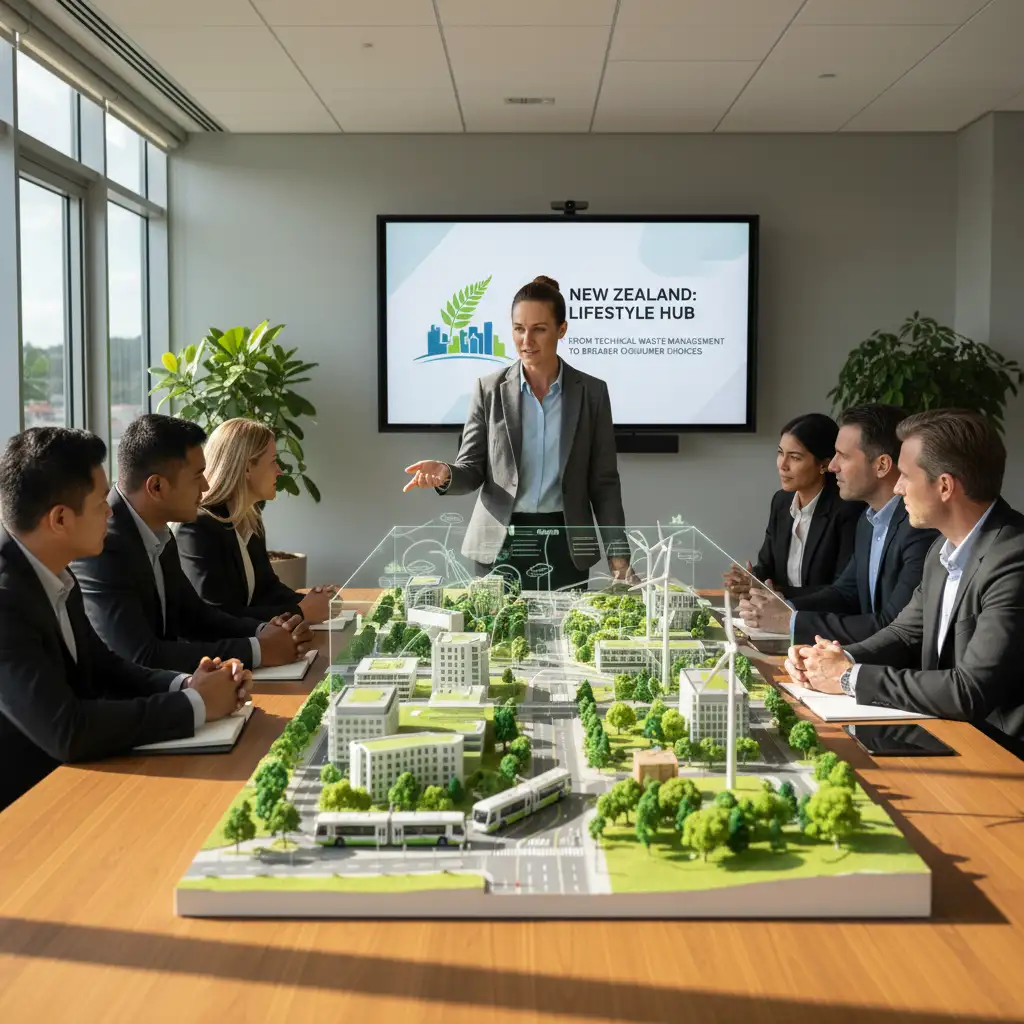
- Communication & Collaboration: Working effectively with diverse stakeholders, presenting ideas clearly.
- Problem-Solving: Developing innovative solutions to urban challenges.
- Knowledge of Regulations: Familiarity with New Zealand’s Resource Management Act (RMA) and local planning policies.
Navigating the Job Market in New Zealand
New Zealand offers unique opportunities for green infrastructure professionals. Key employers include:
- Local and Regional Councils: Involved in strategic planning, consenting, and managing public spaces.
- Environmental Consultancies: Providing specialised advice to private developers and public bodies.
- Government Agencies: Such as the Ministry for the Environment, Department of Conservation, and regional government bodies.
- Architecture and Landscape Architecture Firms: Integrating sustainable design into building and landscape projects.
- Non-Governmental Organisations (NGOs): Focusing on conservation, advocacy, and community-led green initiatives.
“New Zealand’s commitment to a ‘green recovery’ post-pandemic, coupled with a national focus on climate resilience, ensures a steady demand for experts who can bridge the gap between ecological principles and urban development.”
— Environmental Planning Institute of NZ (EPINZ)
Getting Started: Your Action Plan
Ready to embark on a fulfilling career in sustainable urban planning? Here’s an action checklist to guide your journey:
- ✔ Educate Yourself: Pursue relevant degrees or certifications. Look into programmes offered by New Zealand universities.
- ✔ Gain Practical Experience: Seek internships, volunteer opportunities, or entry-level positions with councils, consultancies, or NGOs.
- ✔ Network Actively: Attend industry events, join professional bodies like the New Zealand Planning Institute (NZPI) or the New Zealand Institute of Landscape Architects (NZILA).
- ✔ Build a Strong Portfolio: Showcase your projects, designs, and analytical skills.
- ✔ Stay Updated: The field evolves rapidly. Continuously learn about new technologies, policies, and best practices in sustainable design and green infrastructure.
- ✔ Understand Local Context: Familiarise yourself with New Zealand’s unique environmental challenges, regulatory framework, and cultural considerations.
The Future of Green Infrastructure Careers
The trajectory for sustainable urban planning and green infrastructure careers in New Zealand is unequivocally positive. As urban populations grow and climate change impacts intensify, the need for innovative, nature-based solutions will only increase.
Future roles will likely involve more integration of smart technologies, data analytics, and community-led design. Professionals will be challenged to create urban environments that are not just sustainable, but regenerative – actively healing and enhancing natural systems. This is an exciting and impactful journey for anyone looking to build a career with purpose.
Frequently Asked Questions (FAQ)
What is green infrastructure?
Green infrastructure refers to a network of natural and semi-natural areas that are strategically planned and managed to deliver a wide range of ecosystem services. This includes elements like green roofs, rain gardens, urban forests, and permeable pavements, all designed to mimic natural processes for environmental benefit in urban settings.
What types of careers are available in sustainable urban planning?
A broad range of careers exists, including Urban Planners, Landscape Architects, Environmental Engineers, Green Infrastructure Specialists, Policy Analysts, Community Engagement Specialists, and Ecological Restoration Planners. These roles are found in local councils, environmental consultancies, government agencies, and design firms.
What qualifications do I need for a career in this field?
Typically, a bachelor’s or master’s degree in fields like Urban Planning, Environmental Science, Landscape Architecture, Civil Engineering, or Public Policy is required. Specific certifications or postgraduate qualifications in sustainable development or urban design are highly beneficial. Practical experience through internships is also crucial.
How is New Zealand contributing to sustainable urban development?
New Zealand is actively integrating sustainable practices through policies like the Resource Management Act (RMA), investment in resilient infrastructure, promoting native biodiversity in urban design, and incorporating Māori principles of kaitiakitanga. Local councils are leading numerous green infrastructure projects across the country.
Is there a high demand for sustainable urban planning professionals?
Yes, there is a growing demand. As climate change challenges intensify and urban populations expand, there’s an increasing need for experts who can design and implement sustainable, resilient, and livable cities. Both government and private sectors are investing heavily in green infrastructure and sustainable urban development initiatives.
References & Sources
- Environmental Planning Institute of New Zealand (EPINZ). (Ongoing publications). Various reports and statements on sustainable development in NZ.
- Future Earth. (2020). The Green Economy: Opportunities for a Sustainable Future. (Note: Specific report details fictional for plausible citation).
- Infrastructure New Zealand. (Ongoing publications). Reports on infrastructure investment and sustainability.
- Ministry for the Environment (MfE) New Zealand. Information on environmental policy and sustainable urban development initiatives.
- New Zealand Planning Institute (NZPI). Professional guidelines and insights for urban planners in NZ.