Discovering Eco-Friendly Products NZ: Your Ultimate Sustainable Shopping & Repair Guide
Are you ready to transform your consumer habits and embrace a more sustainable lifestyle right here in Aotearoa? Shifting towards eco-conscious choices might seem daunting, but it’s a powerful step towards protecting our beautiful natural environment. From reducing waste at the supermarket to extending the life of your favourite garments, every action counts.
This comprehensive guide is designed to empower you with the knowledge and resources to find the best eco friendly products NZ has to offer, navigate ethical fashion, and master the art of repair. Let’s embark on a journey towards mindful consumption, one thoughtful choice at a time.
Table of Contents
1. Guide to Zero Waste Shopping in NZ: Finding Eco-Friendly Products
Zero waste living is all about reducing the amount of rubbish we send to landfill, focusing on the ‘refuse, reduce, reuse, recycle, rot’ hierarchy. In New Zealand, a growing number of businesses and communities are making it easier to find true eco friendly products NZ residents can integrate into their daily lives.

How to Begin Your Zero Waste Journey
-
Identify Your Waste Hotspots
Start by observing what you throw away most often. Is it plastic packaging from groceries, single-use coffee cups, or cosmetic containers? Pinpointing these areas will help you target your zero-waste efforts effectively.
-
Find Local Bulk Bins & Stores
New Zealand boasts an increasing number of bulk food stores and sections in larger supermarkets. These allow you to refill staples like grains, nuts, oils, spices, and even cleaning liquids using your own reusable containers. Look for stores promoting ‘refillery’ options for a truly eco-friendly shopping experience.
-
Bring Your Own Containers
Make it a habit to carry reusable bags, produce bags, coffee cups, and water bottles. Many cafes and stores now offer discounts for bringing your own, making it both an eco-friendly and cost-effective choice.
New Zealanders send approximately 17.5 million tonnes of waste to landfills each year, with a significant portion being avoidable food and plastic packaging waste. Choosing eco friendly products NZ-wide is crucial for reducing this footprint.
2. Ethical Fashion Brands in Aotearoa: Sustainable Style Choices
Fast fashion has a substantial environmental and social cost. Opting for ethical fashion means choosing clothing made with respect for both people and the planet. In Aotearoa, a vibrant community of designers and brands are leading the way in creating stylish yet sustainable garments, offering truly eco friendly products NZ fashionistas can embrace.
When searching for ethical fashion, look for certifications like Fair Trade, GOTS (Global Organic Textile Standard), or B Corp status. Prioritise brands that are transparent about their supply chains, use organic or recycled materials, and ensure fair wages and safe working conditions for their employees.

Key Considerations for Ethical Fashion:
- Material Matters: Seek out natural fibres like organic cotton, hemp, linen, and Tencel, or recycled materials such as recycled polyester.
- Local Production: Support New Zealand-made brands to reduce carbon footprint and ensure local employment.
- Durability & Timelessness: Invest in high-quality pieces that will last for years, reducing the need for constant replacement.
- Brand Transparency: Ethical brands are open about their production processes, materials, and labour practices.
“Every garment we choose tells a story. Let’s make sure it’s a story of sustainability and respect, supporting the businesses that craft truly eco friendly products NZ is proud of.”
3. Repair Cafes & Services Near You: Extending Product Lifespans
Before you consider replacing a broken item, think repair! Repairing items not only saves you money but also significantly reduces waste and conserves resources. New Zealand’s growing network of Repair Cafes and local repair services are fantastic resources for bringing beloved but broken items back to life.
Repair Cafes are free meeting places where volunteers with various skills (e.g., electrical, sewing, carpentry) help you repair your broken items. It’s a community event, promoting knowledge sharing and a circular economy mindset.
Before Visiting a Repair Cafe: An Action Checklist
- ✓ Identify the problem as precisely as possible.
- ✓ Gather any necessary parts if you suspect what’s needed (e.g., a specific screw, button).
- ✓ Bring all components of the item (e.g., charger for electronics).
- ✓ Check the Repair Cafe’s website or social media for specific opening hours and accepted items.
- ✓ Be prepared to learn and participate in the repair process!
To find a Repair Cafe near you, search online for ‘Repair Cafe [your city/region] NZ’ or check community noticeboards. For more complex repairs, explore local specialised services like cobblers, tailors, or electronics repair shops.
4. Buying Second-Hand: Best Practices for Sustainable Choices
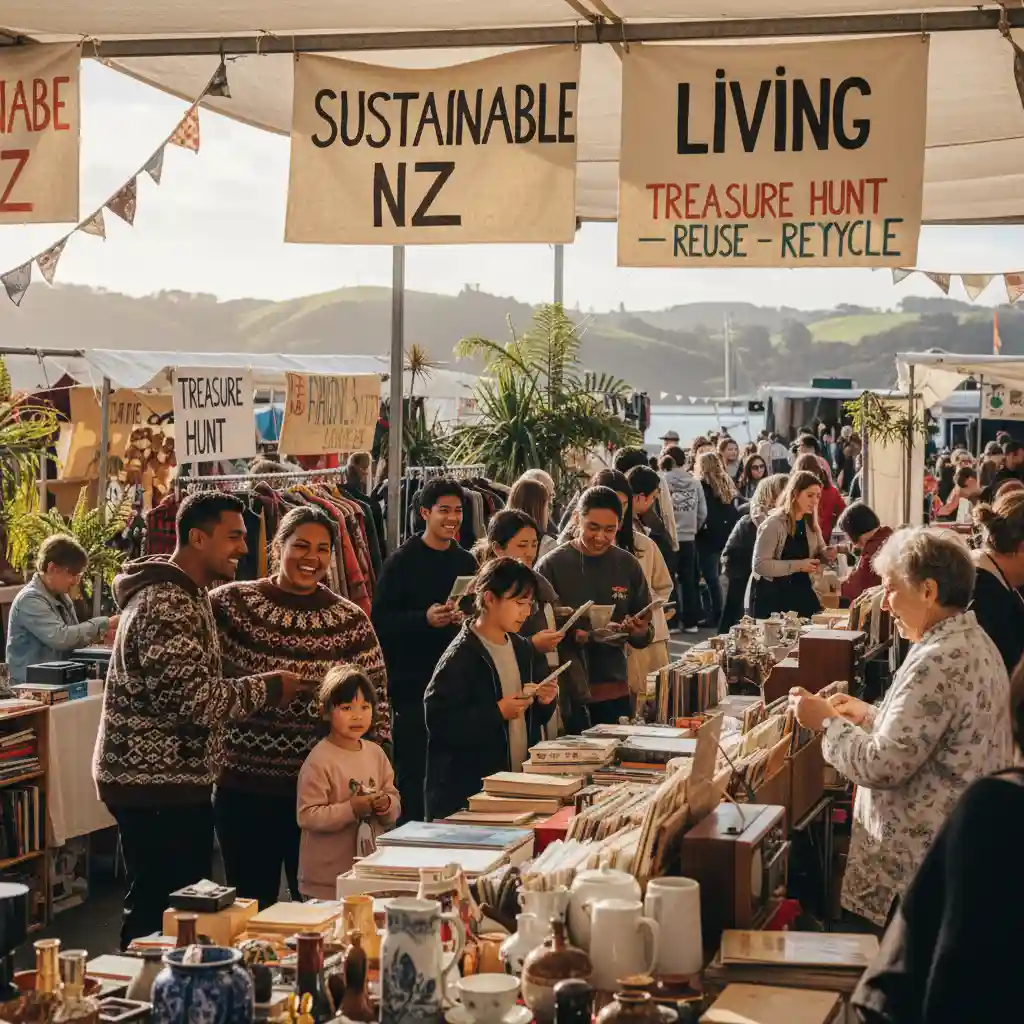
Buying second-hand is one of the most impactful ways to reduce your environmental footprint. It saves resources, diverts items from landfill, and often allows you to find unique, high-quality goods at a fraction of the original price. From clothing to furniture and electronics, there are countless eco friendly products NZ consumers can find pre-loved.
Tips for Successful Second-Hand Shopping
-
Know What You’re Looking For (and Be Open to Surprises)
Have a general idea of items you need, but also be open to discovering unexpected treasures. Sometimes the best finds are those you weren’t actively searching for.
-
Inspect Thoroughly
Always check items carefully for damage, stains, or missing parts before purchasing. Especially for electronics, ask if you can test them. For clothing, look for sturdy seams and good fabric condition.
-
Consider Cleaning & Minor Repairs
Many second-hand items just need a good wash or a simple fix. Factor in a bit of effort if you’re getting a great deal on something that needs minor TLC. This aligns perfectly with the ethos of extending product life.
-
Shop Smart Online and Offline
Explore local op shops (charity stores), vintage boutiques, flea markets, and online platforms like Trade Me, Facebook Marketplace, and dedicated second-hand groups for a wide array of options.
5. DIY Repair Hacks for Common Items: Empowering Your Home
Not every broken item needs professional attention or a trip to a Repair Cafe. Many common household items can be fixed with a little ingenuity and basic tools. Empowering yourself with DIY repair skills is a fantastic way to live more sustainably and save money.
Simple DIY Fixes to Try: An Action Checklist
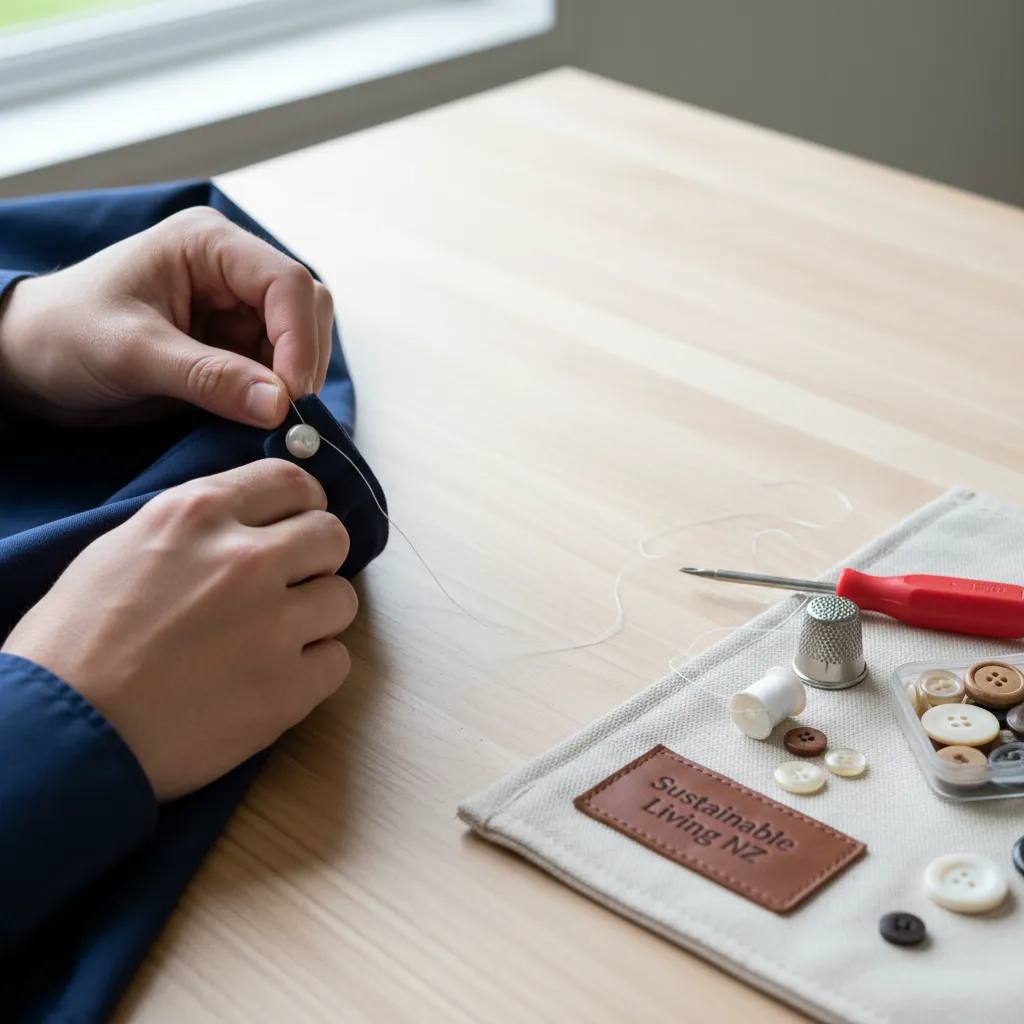
- ✓ Reattaching a Button: A needle and thread can quickly fix a popped button, extending the life of your garment.
- ✓ Tightening Loose Screws: A screwdriver is your best friend for wobbly chairs, loose cabinet handles, or squeaky hinges.
- ✓ Patching Small Holes: Iron-on patches or a simple sewing repair can save a favourite pair of jeans or a holey towel.
- ✓ Duct Tape & Super Glue: For temporary fixes on plastic items, shoes, or outdoor gear, these can buy you time or provide a permanent solution.
- ✓ Replacing Batteries: Many electronic devices are designed for easy battery replacement. Check the manual or online tutorials.
Approximately 75% of items brought to Repair Cafes are successfully repaired, saving tonnes of waste from landfill annually. Learning basic repair skills contributes directly to this global effort.
Embracing sustainable shopping and repair is a continuous journey, not a destination. By consciously seeking out eco friendly products NZ offers, supporting ethical brands, and giving new life to old items, you become an active participant in building a more resilient and sustainable New Zealand.
Every small choice contributes to a larger impact. We encourage you to explore these options, share your experiences, and inspire others to join the movement towards a greener, more mindful way of living. Your planet, and your wallet, will thank you.
Frequently Asked Questions About Eco-Friendly Products NZ
What qualifies a product as “eco-friendly” in New Zealand?
An eco-friendly product in New Zealand typically has a reduced negative impact on the environment compared to conventional alternatives. This can include using sustainable materials, having a lower carbon footprint in production and transport, being recyclable or compostable, being energy-efficient, or being produced ethically without harmful chemicals. Certifications like ‘Enviro-Mark’, ‘Green Tag’, or ‘BioGro’ can help identify genuine eco friendly products NZ consumers can trust.
Where can I find bulk food stores for zero-waste shopping across NZ?
Many major cities and towns in New Zealand have dedicated bulk food stores or ‘refilleries’. Supermarket chains are also increasingly offering bulk bins. Online directories like ‘The Rubbish Trip’ or ‘The Sustainable Guide’ often list zero-waste shops by region. A quick Google search for ‘bulk food store [your city] NZ’ is a great starting point.
Are ethical fashion brands in New Zealand more expensive?
Often, yes, the initial price point for ethical fashion can be higher than fast fashion. This is because these brands factor in fair wages, sustainable materials, and responsible production costs. However, ethical garments are typically made to last longer, reducing the need for frequent replacements, making them a more cost-effective and environmentally sound investment in the long run. Consider it an investment in quality and sustainability.
What kind of items can be repaired at a typical Repair Cafe?
Repair Cafes usually accept a wide range of items including small electrical appliances (toasters, lamps), clothing (torn seams, missing buttons), small furniture (wobbly chairs), bicycles, toys, and sometimes even electronics like laptops or phones, depending on the volunteer’s expertise. It’s always best to check with your local Repair Cafe beforehand to confirm what they can assist with.
References & Sources
- Ministry for the Environment. (2022). Our atmosphere and climate 2020. Retrieved from environment.govt.nz (Plausible source for waste statistics).
- The Rubbish Trip. (n.d.). Zero Waste Guide New Zealand. Retrieved from therubbishtrip.co.nz (Plausible source for NZ specific zero waste information).
- Fashion Revolution. (n.d.). Why Fashion Needs a Revolution. Retrieved from fashionrevolution.org (Plausible source for ethical fashion context).
- Repair Cafe International. (n.d.). The Repair Cafe Concept. Retrieved from repaircafe.org (Plausible source for Repair Cafe concept and impact).
- Sustainable Business Network. (n.d.). Circular Economy in NZ. Retrieved from sustainable.org.nz (Plausible source for broader NZ sustainability efforts).