Sustainable Pets in New Zealand: Eco-Friendly Choices for You
As New Zealanders, our deep connection to nature, or Aotearoa, extends to every aspect of our lives – including our cherished pets. While the joy and companionship they bring are immeasurable, the environmental ‘paw print’ of pet ownership can be significant. From food choices to waste management, every decision we make has an impact.
But what if you could love your pet dearly while also treading lightly on our precious planet? Welcome to the world of sustainable pet ownership in New Zealand, where mindful choices lead to a healthier environment for all. This guide will help you navigate eco-friendly options, ensuring your furry, feathered, or scaled friends contribute positively to a sustainable lifestyle.
Table of Contents
- The Environmental Paw Print: Why Sustainable Pets Matter in NZ
- Eco-Friendly Pet Food: Nourishing Your Pet, Protecting Aotearoa
- Waste Not, Want Not: Sustainable Pet Waste Management
- Green Grooming & Gear: Products with Purpose
- Pet Health & Wellness: A Holistic, Sustainable Approach
- Community & Advocacy: Strengthening Sustainable Pet Practices in NZ
- Conclusion
- Frequently Asked Questions
- References/Sources
The Environmental Paw Print: Why Sustainable Pets Matter in NZ
Understanding the impact of our pets is the first step towards fostering a more sustainable lifestyle. From what they eat to what they leave behind, every aspect of pet care has an ecological footprint.
Impact of Pet Ownership
The global pet industry is booming, and with it, concerns about resource consumption and waste generation. Pet food production, in particular, can be resource-intensive, contributing to greenhouse gas emissions and land use. The materials used in toys, bedding, and accessories, along with their eventual disposal, also add to the equation.
Stat Callout: A study published in PLOS One estimated that owning a dog has a larger carbon footprint than owning a large SUV, primarily due to their meat-heavy diets. While this figure is debated, it highlights the significant impact of pet food production on the environment. (Okin, 2017)
NZ Context: Biodiversity & Waste
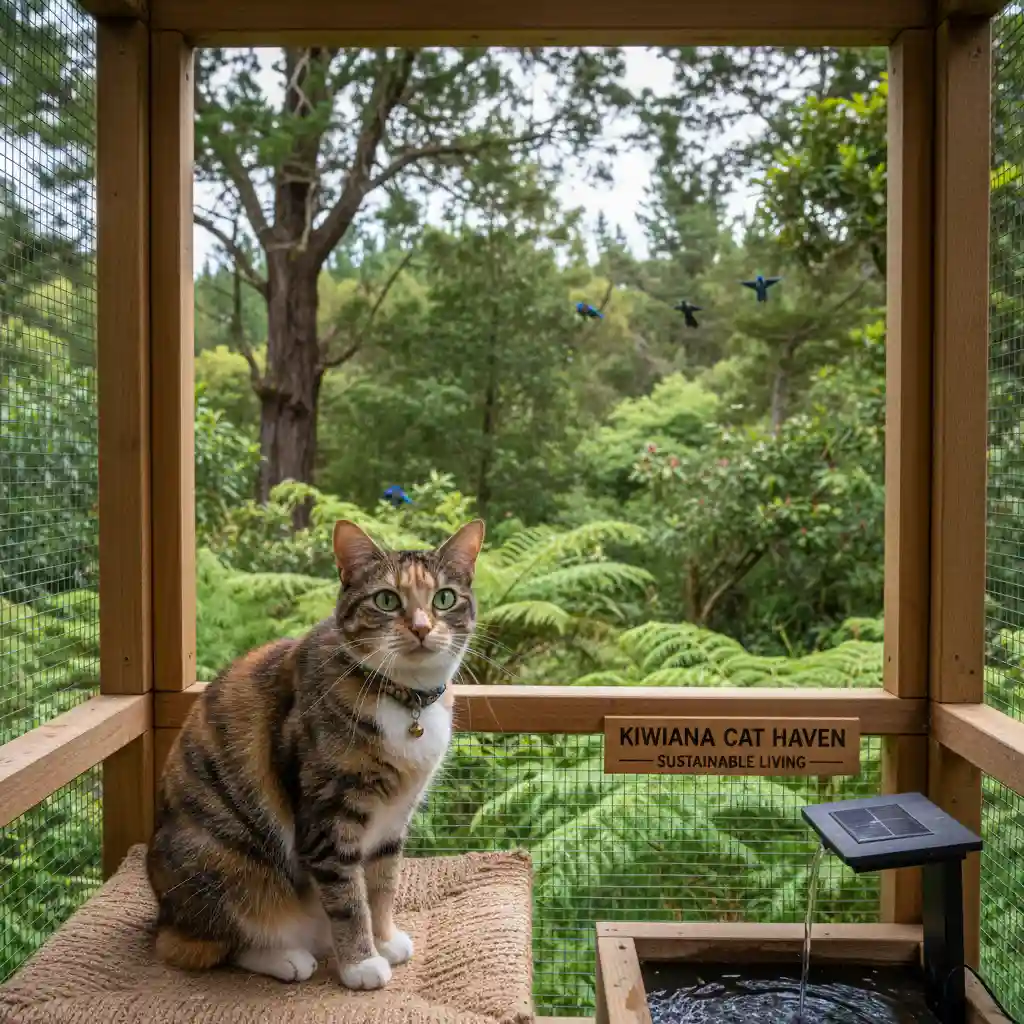
In New Zealand, with our unique and fragile biodiversity, the stakes are even higher. Predation by domestic animals on native wildlife is a serious concern, emphasizing the need for responsible pet ownership (e.g., keeping cats contained). Furthermore, managing pet waste effectively is crucial for protecting our waterways and land from pollution.
Eco-Friendly Pet Food: Nourishing Your Pet, Protecting Aotearoa
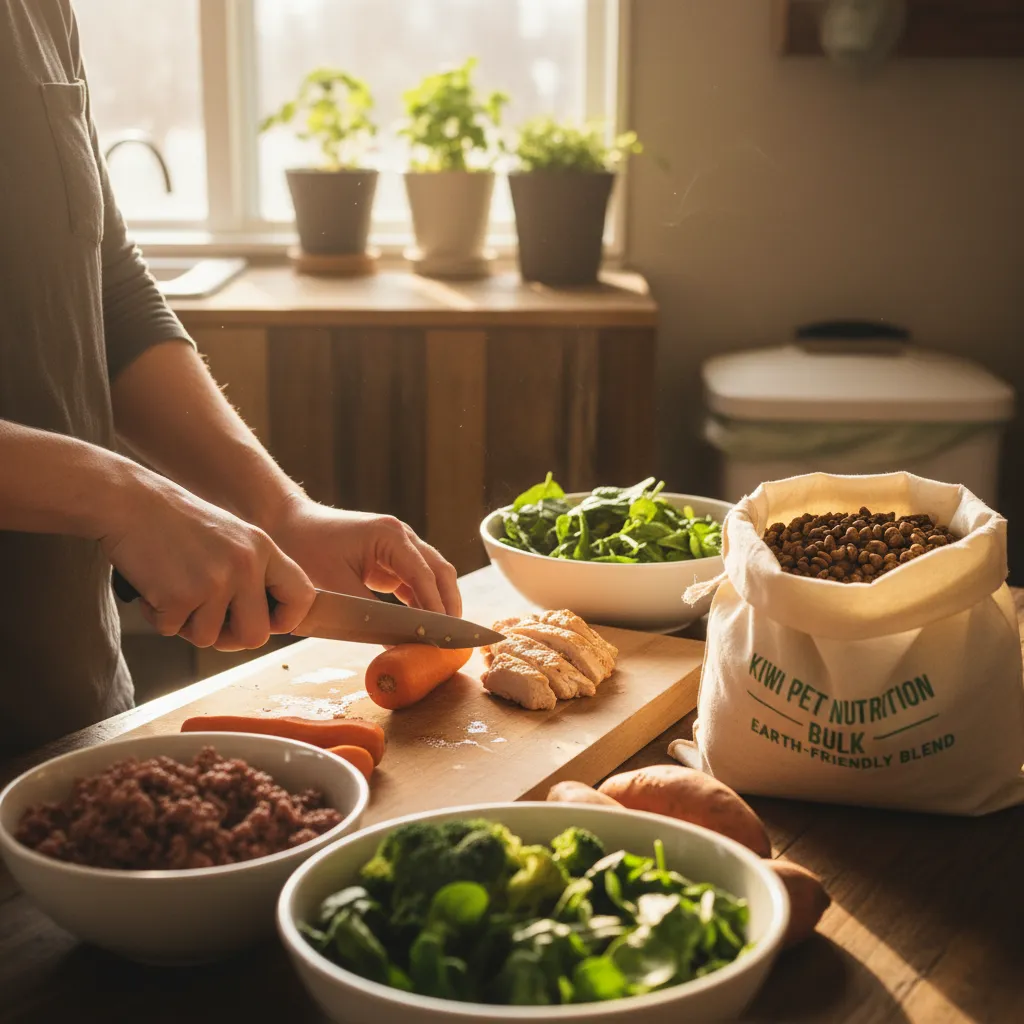
One of the most impactful areas for sustainable change is your pet’s diet. Opting for eco-friendly pet food means considering sourcing, ingredients, and packaging.
Sustainable Sourcing
- Local & Ethical Meat: Prioritise pet foods made with ethically sourced, free-range, or grass-fed meat from New Zealand farms to reduce transport emissions and support humane practices. Look for brands that use ‘nose-to-tail’ ingredients, utilising parts of animals that might otherwise go to waste.
- Insect-Based Proteins: A rising star in sustainable pet nutrition, insect proteins (e.g., from black soldier fly larvae) are highly digestible, hypoallergenic, and require significantly fewer resources than traditional livestock.
- Plant-Based & Vegetarian: For some pets (especially dogs, under veterinary guidance), a carefully formulated vegetarian or vegan diet can drastically reduce their carbon paw print. Ensure it’s nutritionally complete for your pet’s specific needs.
Packaging Innovations
The packaging of pet food contributes significantly to landfill. Look for:
- Bulk Buying: Reduces individual packaging waste. Many pet supply stores offer bulk bins.
- Recyclable or Compostable Packaging: Support brands committed to using packaging that can be recycled through kerbside collection in NZ or industrially composted.
- Refill Options: Some local pet stores are starting to offer refill stations for dry food or treats.
DIY Food Considerations
Preparing your pet’s food at home can be sustainable if done correctly. It allows you to control ingredients, reduce packaging, and utilise food scraps. However, it’s crucial to consult with a vet or a veterinary nutritionist to ensure the diet is balanced and provides all necessary nutrients, avoiding deficiencies.
Waste Not, Want Not: Sustainable Pet Waste Management
Pet waste, if not managed properly, can be a major source of pollution. Here’s how to minimise its environmental impact.
Compostable Bags & Litter
- Compostable Waste Bags: Ditch plastic bags for those made from cornstarch or other plant-based materials that break down naturally. Look for certified compostable options (e.g., AS 4736 in NZ).
- Eco-Friendly Litters: Choose cat litters made from recycled paper, wood pellets, corn, or wheat. These are often biodegradable and can be composted (with specific considerations) or flushed (check local regulations and product guidelines carefully).
Composting Pet Waste
Composting pet waste is an excellent way to divert it from landfill, but it requires a dedicated system and careful management:
- Dog Waste Composting: Use a dedicated pet waste composting system (like a ‘doggy doo’ digester) or a separate compost bin. It’s crucial not to use this compost on edible plants due to potential pathogens.
- Cat Litter Composting: Only compost biodegradable litter (not clay-based). Cat faeces can contain Toxoplasma gondii, so this compost should also be kept separate from vegetable gardens and handled with extreme care. Always wear gloves.
Green Grooming & Gear: Products with Purpose
From bathing your pet to providing them with comfort, you can make sustainable choices.
Natural Grooming
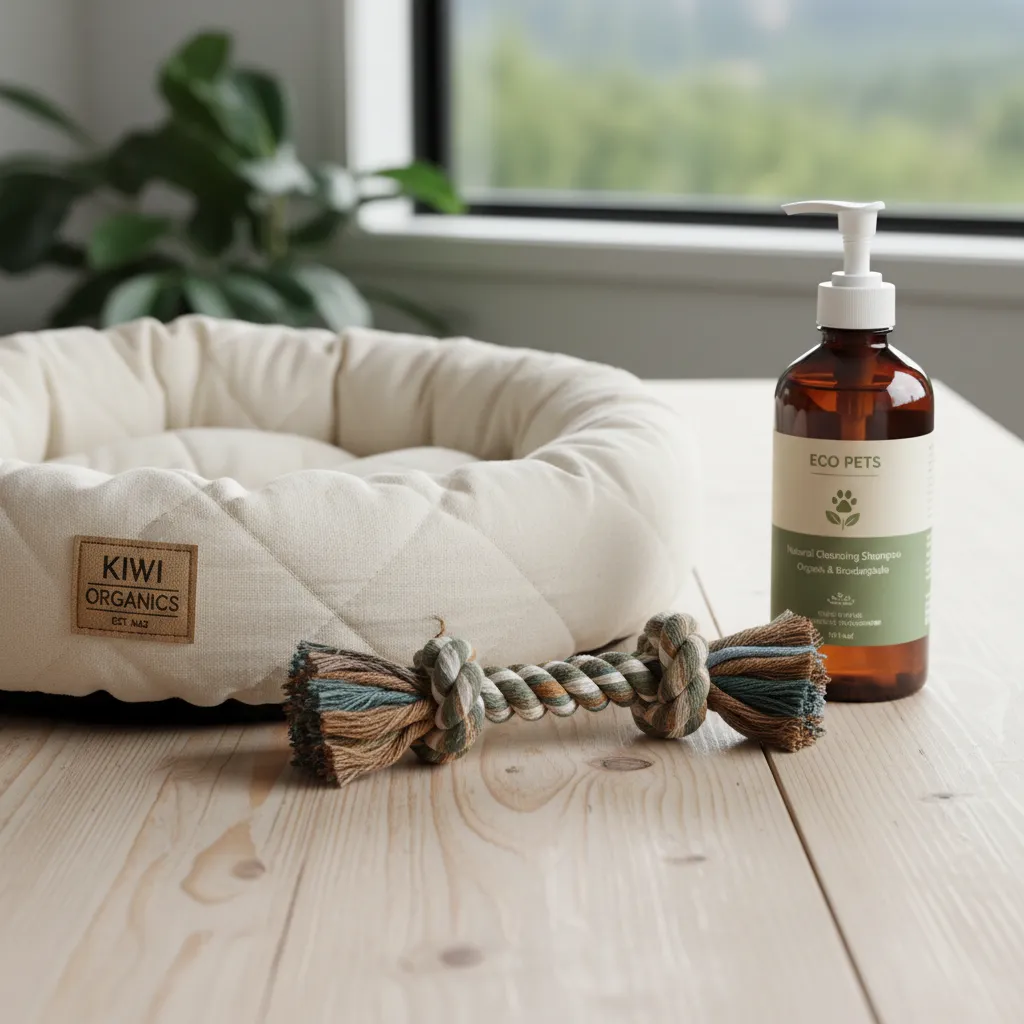
- Natural & Cruelty-Free Shampoos: Opt for shampoos and conditioners made with natural, biodegradable ingredients, free from harsh chemicals, parabens, and synthetic fragrances. Look for brands that are cruelty-free and preferably made in NZ.
- Reusable Grooming Tools: Invest in durable brushes, combs, and clippers that will last for years, avoiding disposable alternatives.
Durable & Recycled Gear
- Durable Toys: Choose toys made from natural rubber, hemp, or recycled materials that can withstand chewing and last longer, reducing the need for frequent replacements.
- Second-Hand Beds & Accessories: Check local charity shops, online marketplaces, or pet rehoming centres for pre-loved beds, crates, and accessories. Always clean them thoroughly before use.
- Recycled Materials: Support brands that use recycled plastic or upcycled fabrics for pet beds, collars, and leashes.
Pet Health & Wellness: A Holistic, Sustainable Approach
Sustainable pet ownership extends to how we care for their health, reducing waste and supporting local services.
Preventative Care to Reduce Waste
Focusing on preventative care, such as regular check-ups, appropriate vaccinations, and a healthy diet, can reduce the need for extensive medical interventions later on. This not only benefits your pet’s well-being but also minimises the waste associated with medications, packaging, and disposables from frequent vet visits.
Local Vet Support
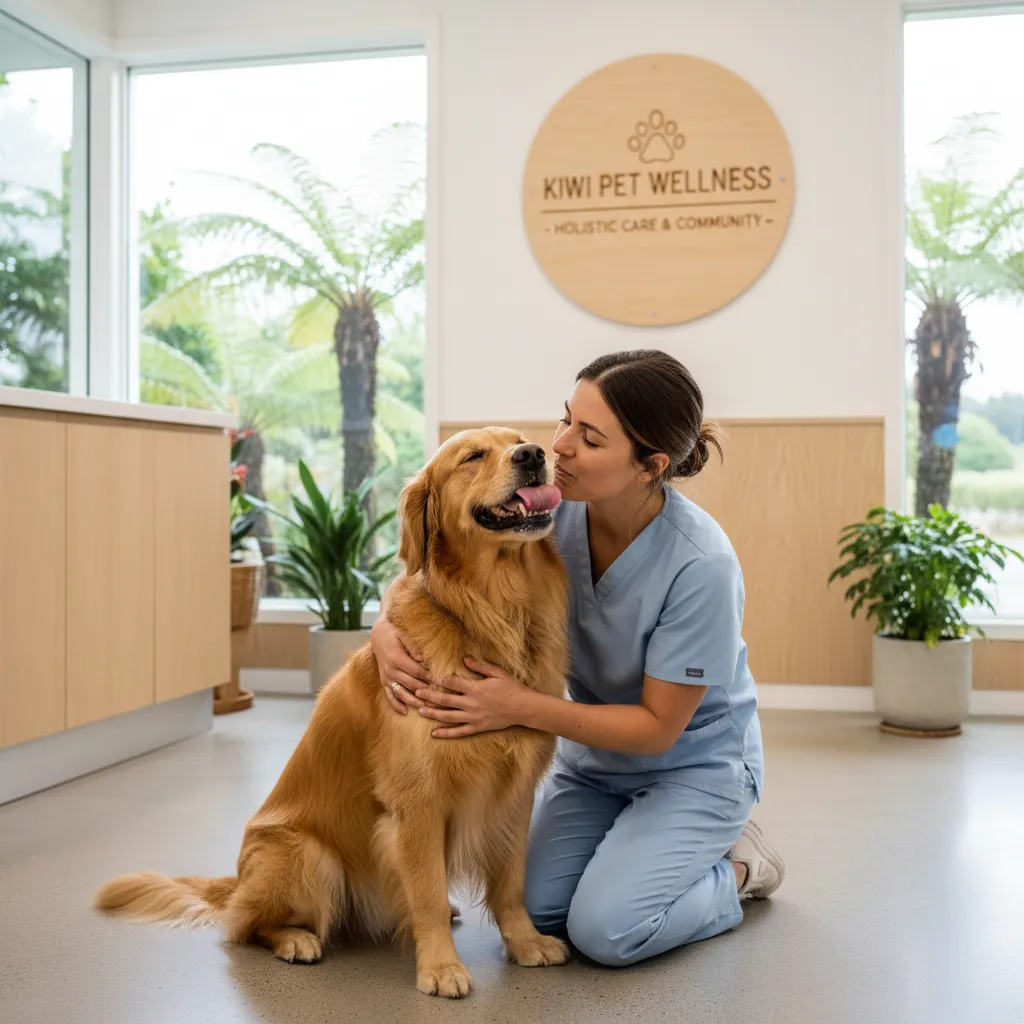
Supporting your local veterinary clinic helps strengthen community resources and reduces the need for long-distance travel for specialised care (where possible). Inquire about their waste management practices and if they offer any eco-conscious services.
Community & Advocacy: Strengthening Sustainable Pet Practices in NZ
Being part of a sustainable pet community amplifies your impact.
Local Adoption & Rescue Organisations
Choosing to adopt a pet from a local rescue organisation or shelter is one of the most sustainable choices you can make. It gives an animal a second chance, reduces the demand for mass breeding, and supports local charities.
Supporting Eco-Conscious Businesses
Seek out and support New Zealand businesses that prioritise sustainability in their pet product manufacturing, sourcing, and operational practices. Your consumer dollar has power!
Action Checklist: Making Your Pet Life Greener
- Research Pet Food Brands: Check ingredient sourcing, ethical practices, and packaging.
- Switch to Compostable Waste Bags: Ensure they are certified compostable in NZ.
- Explore Eco-Friendly Litter: Trial paper, wood, or corn-based options for your cat.
- Invest in Durable Toys: Prioritise longevity and natural/recycled materials.
- Consider Second-Hand Gear: Beds, crates, and carriers can often be reused.
- Support Local: Choose NZ-made products and local vets/groomers.
- Talk to Your Vet: Discuss sustainable health practices for your specific pet.
- Keep Cats Contained: Protect native wildlife, especially at night.
- Proper Waste Disposal: If composting isn’t an option, bag and bin responsibly.
Conclusion
Embracing sustainable pet ownership in New Zealand isn’t about perfection; it’s about making conscious, incremental choices that collectively make a significant difference. By rethinking our approach to pet food, waste, products, and community engagement, we can ensure our beloved companions enrich our lives without compromising the health of Aotearoa.
Every eco-friendly decision you make is a step towards a more sustainable future for your pet, your family, and our beautiful country. Start today, and be a part of the movement for Sustainable Pets in New Zealand: Eco-Friendly Choices for You.
Frequently Asked Questions
-
What are the easiest ways to start making my pet care more sustainable in NZ?
Start with easy wins like switching to compostable waste bags, choosing eco-friendly cat litter, and researching local, sustainably-sourced pet food brands. Buying durable toys and second-hand gear also makes a big difference.
-
Is insect-based pet food really a good option for my pet?
Yes, for many pets, insect-based proteins are highly digestible, provide excellent nutrition, and are significantly more sustainable than traditional meat sources. Always ensure the food is nutritionally complete and suitable for your pet’s specific dietary needs, consulting your vet if unsure.
-
Can I compost my pet’s waste in my home compost bin?
It’s generally recommended to use a dedicated pet waste composting system or a separate compost bin for dog and cat waste. Due to potential pathogens like Toxoplasma gondii (especially from cats), this compost should not be used on edible plants. Always handle with gloves and ensure the system reaches high enough temperatures to kill pathogens.
-
Where can I find eco-friendly pet products in New Zealand?
Look for local online stores specialising in sustainable pet supplies, check larger pet retailers for their eco-ranges, or ask at your local vet. Many smaller NZ businesses are emerging with great eco-conscious options for food, toys, and grooming products.
References/Sources
- Okin, L. A. (2017). Environmental impacts of food consumption by dogs and cats. PLOS ONE, 12(8), e0181301. Link to study
- Ministry for the Environment. (n.d.). Waste and recycling. Retrieved from environment.govt.nz (General information on NZ waste management)
- Department of Conservation. (n.d.). Keeping your cat happy and native wildlife safe. Retrieved from doc.govt.nz (Information on responsible cat ownership in NZ)
- Sustainable Business Network NZ. (n.d.). sustainable.org.nz (Information on supporting sustainable businesses in NZ)