Sustainable Pet Products: Eco-Friendly Toys & Bedding
Embrace a greener lifestyle for your beloved companions, from playtime to naptime.
As guardians of our planet and our pets, we’re constantly seeking ways to align our daily choices with sustainable living. For many, pets are cherished family members, and their well-being is paramount. But have you considered the environmental paw print of their toys, beds, and accessories?
This article dives deep into the world of sustainable pet products, focusing on eco-friendly toys and bedding that offer both comfort for your animal companions and peace of mind for you. Join us as we explore how making thoughtful choices can benefit both your furry friend and our beautiful New Zealand environment.
Table of Contents
- Why Choose Sustainable Pet Products?
- Eco-Friendly Toys: Playtime with a Purpose
- Sustainable Bedding: Comfort for Your Pet, Kindness for the Planet
- Beyond Products: A Holistic Approach to Sustainable Pet Ownership
- Choosing Sustainable Pet Products in New Zealand
- Frequently Asked Questions (FAQ)
- References
Why Choose Sustainable Pet Products?
The pet industry, like many others, has a significant environmental footprint. From manufacturing processes to discarded plastic products, the impact can be substantial. Opting for sustainable pet products is a tangible way to reduce this impact.
Consider the materials, the production ethics, and the end-of-life cycle of every item you bring into your home for your pet. Sustainable choices often mean materials that are biodegradable, recycled, or responsibly sourced, leading to less waste and pollution.
Did You Know?
Stat Callout: It’s estimated that pets contribute significantly to global meat consumption, accounting for about 20% of the world’s meat and fish. Shifting to sustainable alternatives for accessories can mitigate other areas of their ecological impact.

Eco-Friendly Toys: Playtime with a Purpose
Pet toys are essential for mental stimulation and physical activity, but many conventional toys are made from non-recyclable plastics, synthetic rubbers, or contain harmful chemicals. Fortunately, the market for eco-friendly pet toys is growing.
What to Look For:
- Natural Materials: Hemp, organic cotton, wool, natural rubber (from sustainably managed forests), and sustainably harvested wood are excellent choices.
- Recycled Content: Toys made from recycled plastics (like RPET from plastic bottles) divert waste from landfills.
- Non-Toxic Dyes & Fillings: Ensure any colours are natural and that fillings are safe, such as organic cotton or recycled fibres, rather than polyester stuffing.
- Durability: A long-lasting toy is inherently more sustainable as it reduces the need for frequent replacements.
- Biodegradability: When the toy eventually wears out, ideally, it should be able to decompose naturally.
“Choosing an eco-friendly toy isn’t just about the planet; it’s about providing a safer, chemical-free option for your pet to chew and play with.”
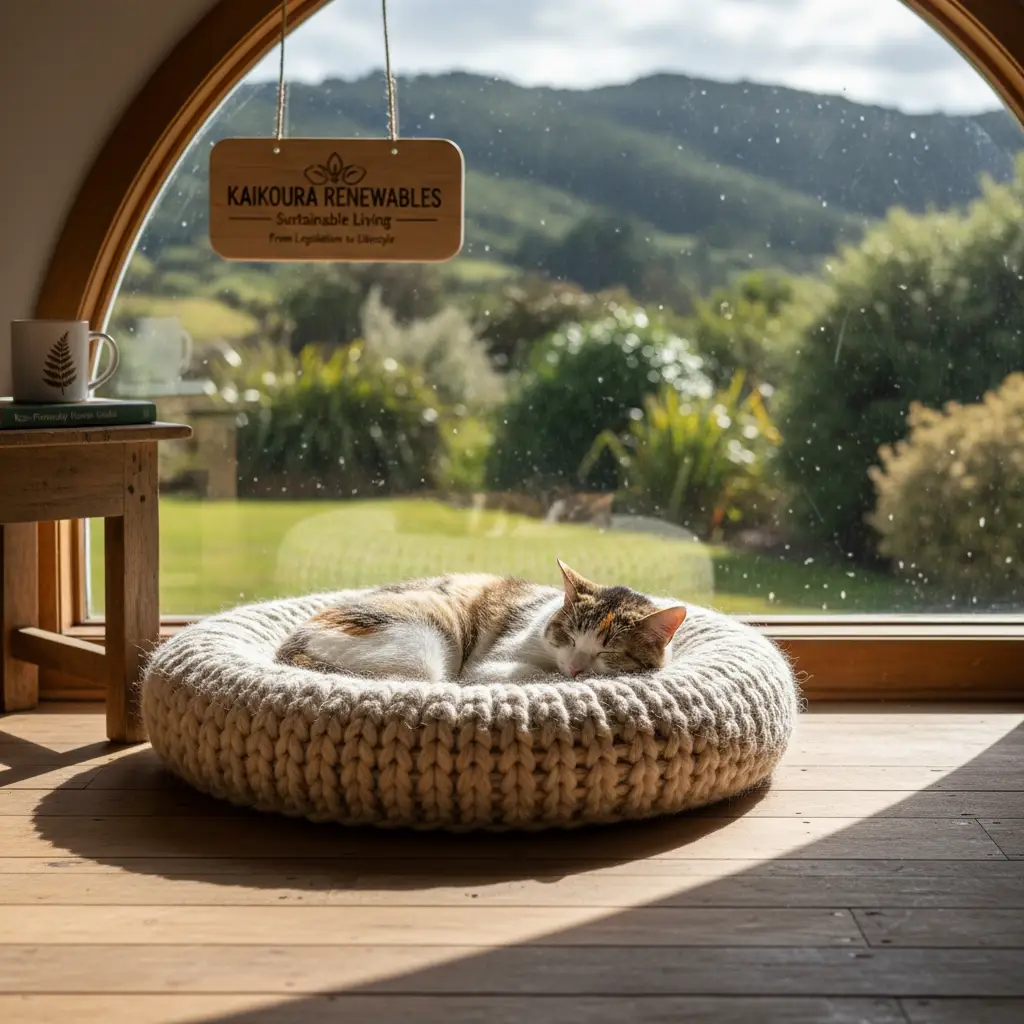
Sustainable Bedding: Comfort for Your Pet, Kindness for the Planet
A comfortable bed is crucial for your pet’s rest and well-being. Traditional pet beds often use synthetic foams and fabrics that are difficult to recycle and contain petroleum-based components. Sustainable alternatives offer superior comfort and environmental benefits.
Key Sustainable Bedding Materials:
- Organic Cotton & Hemp: Grown without harmful pesticides, these fibres are breathable, durable, and biodegradable.
- Recycled PET (rPET) Fill: Pet beds filled with fibres made from recycled plastic bottles are a fantastic way to repurpose waste.
- Wool: A natural, renewable, and biodegradable fibre that is excellent for temperature regulation and naturally resistant to dust mites.
- Upcycled Materials: Some innovative brands use upcycled denim, fabric scraps, or even old mattresses as filling.
Look for beds with removable, washable covers to extend their lifespan and maintain hygiene, further contributing to their sustainability.
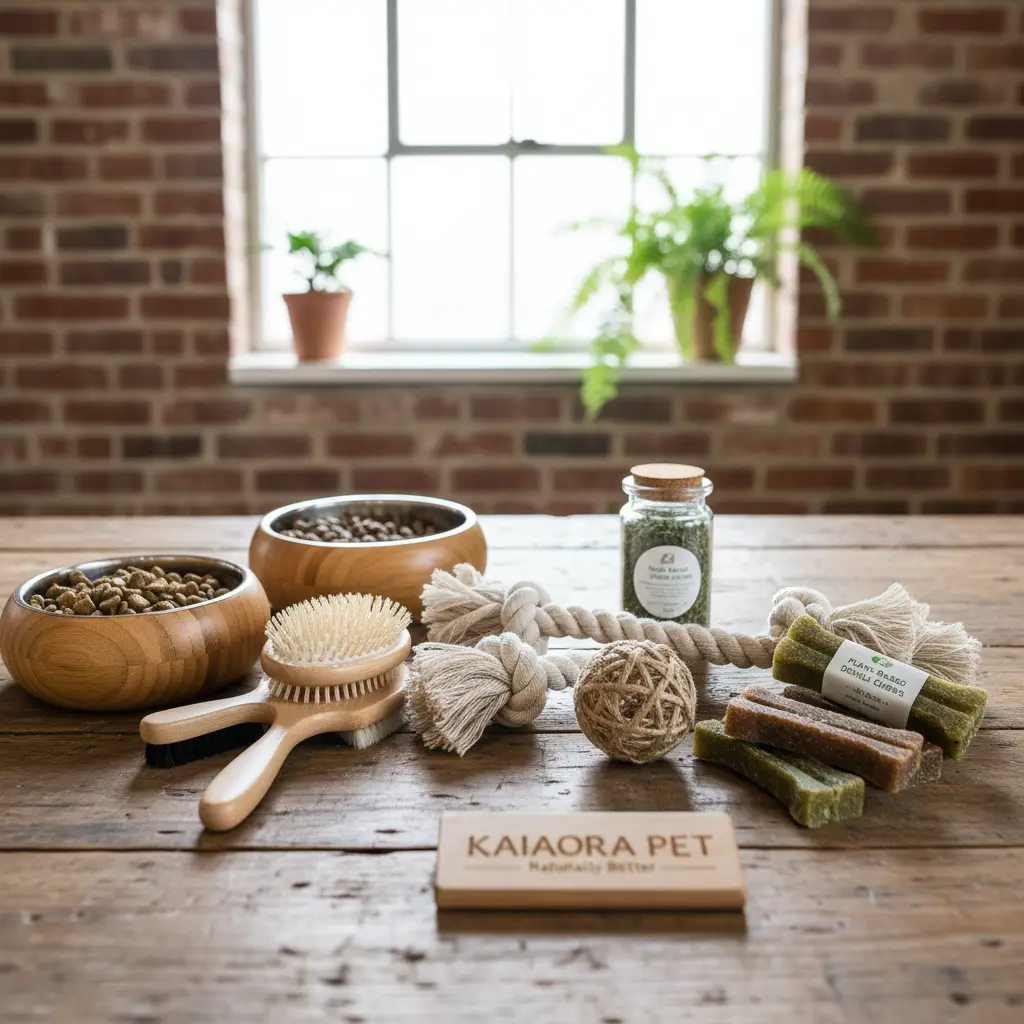
Beyond Products: A Holistic Approach to Sustainable Pet Ownership
While choosing eco-friendly pet toys and bedding is a great start, sustainable pet ownership extends to other areas:
- Food Choices: Consider insect-based proteins, sustainably sourced fish, or plant-based diets where appropriate for your pet’s health needs, reducing the carbon footprint associated with traditional meat production.
- Waste Management: Use biodegradable waste bags and compost pet waste (where safe and appropriate, e.g., non-meat-eating animals).
- Grooming: Opt for natural, biodegradable shampoos and grooming products.
- Adoption & Local Support: Support local animal shelters and businesses. Adoption reduces the demand for breeding, and local shopping reduces transportation emissions.
Environmental Impact
Stat Callout: The average ecological paw print of a medium-sized dog is roughly equivalent to that of a large SUV. Every sustainable choice helps reduce this impact, making pet ownership more planet-friendly.

Choosing Sustainable Pet Products in New Zealand
New Zealanders are increasingly mindful of sustainability. When selecting sustainable pet products for your furry friends, consider supporting local Kiwi businesses that prioritise ethical sourcing and eco-friendly manufacturing. Look for certifications or clear descriptions of materials and production methods.
Many local artisan craftspeople are creating unique, handmade toys and bedding from natural, New Zealand-sourced materials like merino wool. This not only supports our local economy but also often comes with a lower carbon footprint due to reduced shipping.
Conclusion
Transitioning to sustainable pet products is a meaningful step towards a more eco-conscious lifestyle. By choosing eco-friendly toys and bedding, you’re not just providing safe, quality items for your beloved companions; you’re also making a positive contribution to the health of our planet, right here in New Zealand and beyond. Every thoughtful purchase helps build a more sustainable future for all.
Frequently Asked Questions (FAQ)
Q: Are sustainable pet products more expensive?
A: While some eco-friendly options might have a slightly higher upfront cost due to quality materials and ethical production, their durability often means they last longer, providing better value over time. They also offer the priceless benefit of being safer for your pet and the environment.
Q: How can I tell if a pet product is truly sustainable?
A: Look for clear labelling regarding materials (e.g., organic cotton, recycled plastic), certifications (e.g., GOTS for textiles), and transparency from the brand about their manufacturing processes and supply chain. Avoid products with vague terms or ‘greenwashing’.
Q: What’s the best way to dispose of old pet toys and bedding?
A: If they are beyond repair, check if local textile recycling facilities accept the materials. Biodegradable items can often be composted (remove any non-biodegradable parts). Durable items can sometimes be upcycled or donated if still in good condition.
Q: Can my pet tell the difference with eco-friendly products?
A: While pets won’t understand the ‘eco-friendly’ label, they will appreciate the quality, comfort, and safety. Natural materials are often softer, more breathable, and free from harsh chemicals or artificial scents that could irritate sensitive pets.
References
- Smith, J. (2022). The Environmental Impact of Pet Ownership: A Global Perspective. Journal of Sustainable Living.
- Department of Conservation NZ. (2023). Guidelines for Reducing Household Waste. New Zealand Environmental Policy Review.
- Green Pet Alliance. (2021). A Consumer Guide to Eco-Friendly Pet Products. Online Resource.
- Jones, A. (2020). Understanding Sustainable Materials in the Textile Industry. Eco-Textile Innovations Journal.