Sustainable Living Tips & Guides: Embrace a Greener Kiwi Lifestyle
Ready to make a positive impact on our planet, starting right here in Aotearoa? Sustainable living isn’t about grand, overwhelming changes; it’s about adopting simple sustainable living tips that seamlessly integrate into your daily routine. This comprehensive guide, crafted with an expert and approachable voice, will empower you to embark on your eco-journey, one conscious step at a time.
From reducing your carbon footprint to cultivating a thriving eco-garden, discover practical advice tailored for New Zealanders looking to live more harmoniously with our beautiful environment.
Table of Contents
- Beginner’s Guide to Sustainable Living
- Reducing Your Carbon Footprint Daily
- DIY Eco-Friendly Products & Swaps
- Conscious Consumption: Making Better Choices
- Creating a Sustainable Garden
- Frequently Asked Questions (FAQ)
- References & Sources
Beginner’s Guide to Sustainable Living
Embarking on a sustainable lifestyle can feel daunting, but it doesn’t have to be. Sustainable living is fundamentally about reducing your personal and societal environmental impact, living within the means of nature, and ensuring resources for future generations. For Kiwis, it often means respecting our unique natural heritage, from the native bush to our pristine coastlines.
Start small, be consistent, and celebrate every positive change you make. Remember, every little bit counts when it comes to adopting simple sustainable living tips.

Your First Steps Towards a Greener Life:
- Assess Your Current Habits: What single-use plastics do you use most often? Where does your waste come from? Knowing your starting point helps you identify easy wins.
- Prioritise One Area: Don’t try to change everything at once. Pick one area, like reducing food waste or switching to reusable bags, and master it before moving on.
- Educate Yourself: Learn about the environmental challenges facing New Zealand and the world. Understanding the ‘why’ fuels your motivation.
- Connect with Local Initiatives: Look for farmers’ markets, community gardens, or zero-waste stores in your area. Support local, sustainable businesses.
Reducing Your Carbon Footprint Daily
Your carbon footprint represents the total greenhouse gas emissions caused directly and indirectly by your activities. For many New Zealanders, transport, energy consumption, and food choices are the biggest contributors. Taking action here offers some of the most impactful simple sustainable living tips.
“Globally, a significant portion of individual carbon footprints comes from daily choices like how we travel, what we eat, and how we power our homes.”
Practical Steps to Shrink Your Footprint:
- Embrace Sustainable Transport: Walk, cycle, or use public transport more often. If driving, consider carpooling or an electric vehicle. For longer distances, explore offsetting your flights.
- Optimise Home Energy Use: Switch to energy-efficient appliances, use LED lighting, insulate your home effectively, and unplug electronics when not in use. Consider switching to a renewable energy provider if available.
- Rethink Your Diet: Reduce meat consumption, especially red meat, and opt for more plant-based meals. Buy local and seasonal produce to minimise food miles. Support regenerative agriculture practices where possible.
- Reduce, Reuse, Recycle, Rot: This classic hierarchy is key. Prioritise reducing consumption and reusing items before recycling. Composting food scraps is also crucial for diverting waste from landfills.
DIY Eco-Friendly Products & Swaps
One of the most empowering aspects of sustainable living is making your own eco-friendly products. Not only does this reduce plastic waste and exposure to harsh chemicals, but it’s often more cost-effective. These simple sustainable living tips are fantastic for families and individuals alike.

Simple DIY Recipes and Swaps:
- All-Purpose Cleaner: Mix equal parts white vinegar and water, add a few drops of essential oil (like tea tree or lemon) for scent and extra cleaning power. Store in a reusable spray bottle.
- Laundry Powder: Combine grated bar soap (Castile is great), washing soda, and baking soda. Use a tablespoon per load.
- Dishwashing Liquid: While harder to DIY effectively for heavy grease, a simple swap is using a solid dish soap block with a dish brush.
- Reusable Swaps: Invest in a reusable coffee cup, water bottle, shopping bags, and produce bags. Say no to disposable cutlery and straws.
- Menstrual Products: Consider menstrual cups or reusable cloth pads to significantly reduce waste.
Conscious Consumption: Making Better Choices
Our purchasing power is immense. Every dollar we spend is a vote for the kind of world we want to live in. Conscious consumption is about making intentional choices that support ethical, sustainable, and local businesses, while reducing overall waste. These simple sustainable living tips focus on mindful buying.
“Approximately 30% of New Zealand’s total waste generation comes from household waste, much of which is avoidable through conscious consumption.”
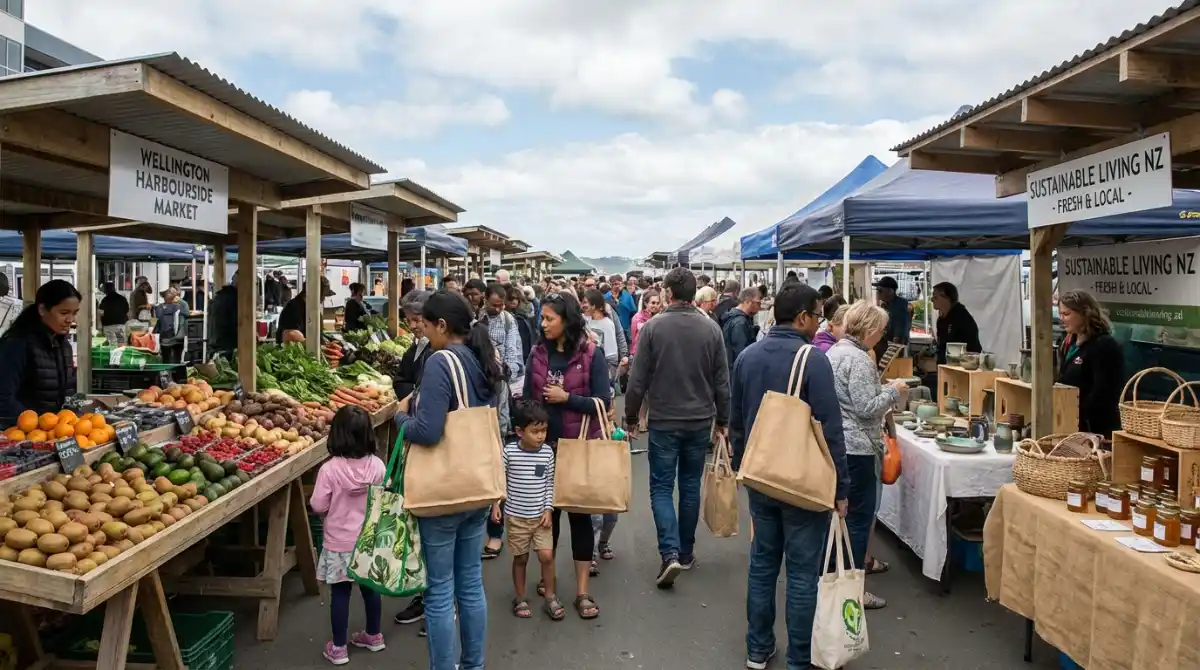
Strategies for Mindful Shopping:
- Buy Less, Choose Well: Before buying, ask yourself if you truly need it. Prioritise quality over quantity and opt for durable items that will last.
- Support Local and Ethical: Seek out products made in New Zealand and businesses committed to fair wages, sustainable sourcing, and minimal environmental impact.
- Embrace Second-Hand: Op-shops, online marketplaces, and community swap groups are treasure troves for clothes, furniture, and homewares.
- Repair, Don’t Replace: Learn basic repair skills or find local repair cafes to fix broken items instead of discarding them.
- Avoid Excessive Packaging: Choose unpackaged goods, buy in bulk, and opt for products with recyclable or compostable packaging.
Creating a Sustainable Garden
A sustainable garden is a living extension of your eco-friendly home. It provides fresh produce, supports local biodiversity, reduces waste, and connects you with nature. Whether you have a sprawling backyard or a sunny balcony, these simple sustainable living tips can transform your green space.
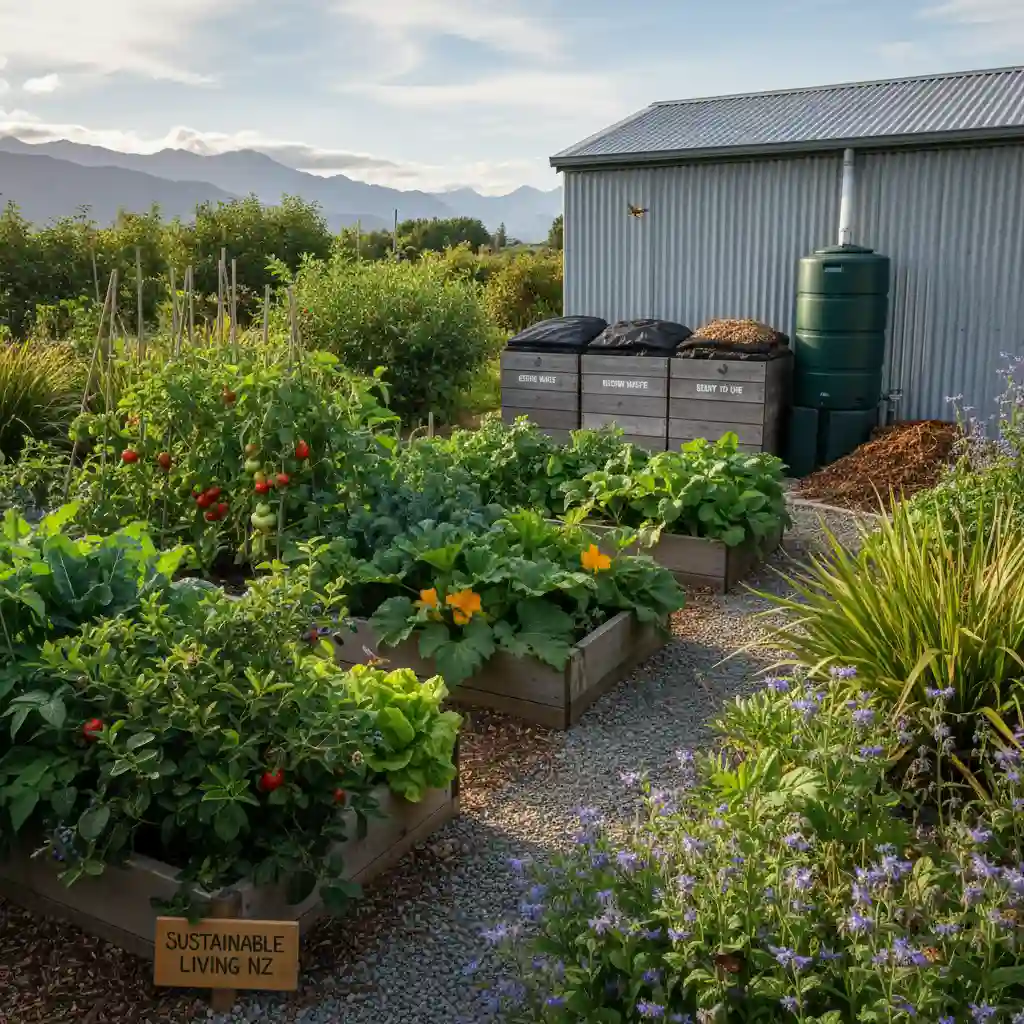
Key Practices for an Eco-Friendly Garden:
- Compost Your Food Scraps: Turn kitchen and garden waste into nutrient-rich soil for your plants. This diverts waste from landfills and enriches your garden naturally.
- Harvest Rainwater: Install a rain barrel to collect water for your garden, reducing your reliance on treated tap water, especially during dry spells.
- Plant Native Species: Choose native New Zealand plants (like Harakeke, Kōwhai) that are adapted to the local climate and soil, requiring less water and attracting native birds and insects.
- Companion Planting & Natural Pest Control: Plant specific herbs and flowers alongside vegetables to deter pests naturally, reducing the need for chemical pesticides.
- Grow Your Own Food: Even a small herb patch or a few vegetable containers can significantly reduce your grocery bill and carbon footprint from food transport.
Embracing simple sustainable living tips in New Zealand is a journey, not a destination. Each choice you make, no matter how small, contributes to a healthier planet and a more resilient Aotearoa. Start today, get creative, and enjoy the profound satisfaction of living a life in harmony with nature.
Frequently Asked Questions (FAQ)
What are the easiest sustainable living tips for beginners in New Zealand?
For beginners in NZ, the easiest tips include using reusable shopping bags, water bottles, and coffee cups; reducing food waste by composting and planning meals; and opting for public transport or walking when possible. Small changes make a big difference!
How can I reduce my household waste in New Zealand?
To reduce household waste, focus on the ‘four Rs’: Reduce consumption, Reuse items, Recycle correctly (check local council guidelines), and Rot (compost food scraps). Buying in bulk, choosing unpackaged goods, and mending items instead of replacing them are also effective.
Is sustainable living more expensive in New Zealand?
While some initial investments (like solar panels or reusable items) can be higher, sustainable living often saves money in the long run. Growing your own food, making DIY cleaning products, reducing energy consumption, and buying second-hand are all cost-effective sustainable practices that can save Kiwis money.
What role do native plants play in a sustainable New Zealand garden?
Native plants are crucial for a sustainable NZ garden because they are adapted to the local climate, requiring less water and fertiliser. They provide vital habitat and food for native birds and insects, supporting local biodiversity and ecosystem health.
References & Sources
- Ministry for the Environment (New Zealand). Our atmosphere and climate 2020. Retrieved from environment.govt.nz
- Stats NZ. Household waste and recycling. Retrieved from stats.govt.nz
- Sustainable Business Network (NZ). Reports & Resources. Retrieved from sustainable.org.nz
- Zero Waste Network Aotearoa. Resources and Guides. Retrieved from zerowaste.co.nz