Sustainable Forestry: Key to Climate Change Mitigation
The urgency of climate change demands innovative and effective solutions. While technological advancements play a crucial role, humanity’s oldest companion – our forests – offer one of the most powerful, natural defenses against a warming planet.
Sustainable forestry isn’t just about planting trees; it’s about intelligent, long-term management of these vital ecosystems to ensure their health, productivity, and invaluable contribution to mitigating climate change for generations to come. For New Zealand, with its rich natural heritage, embracing these practices is more critical than ever.
Table of Contents
- The Climate Crisis and the Role of Forests
- What is Sustainable Forestry? Defining the Practice
- How Sustainable Forestry Mitigates Climate Change
- Sustainable Forestry in New Zealand: A Local Perspective
- What You Can Do: Supporting Sustainable Practices
- Frequently Asked Questions (FAQ)
- References and Sources
The Climate Crisis and the Role of Forests
The scientific consensus is clear: human activities are rapidly altering Earth’s climate, leading to unprecedented global warming, extreme weather events, and ecological disruption. At the heart of this crisis is the excessive emission of greenhouse gases, primarily carbon dioxide.
Forests, often called the ‘lungs of the Earth,’ play a critical role in regulating our planet’s climate. Through photosynthesis, trees absorb vast amounts of atmospheric carbon dioxide, storing it in their biomass – trunks, branches, leaves, and roots – and in the soil beneath. This natural process makes healthy forests immense carbon sinks, actively removing CO2 from the atmosphere. Conversely, deforestation and forest degradation release this stored carbon back into the air, exacerbating the problem.
What is Sustainable Forestry? Defining the Practice
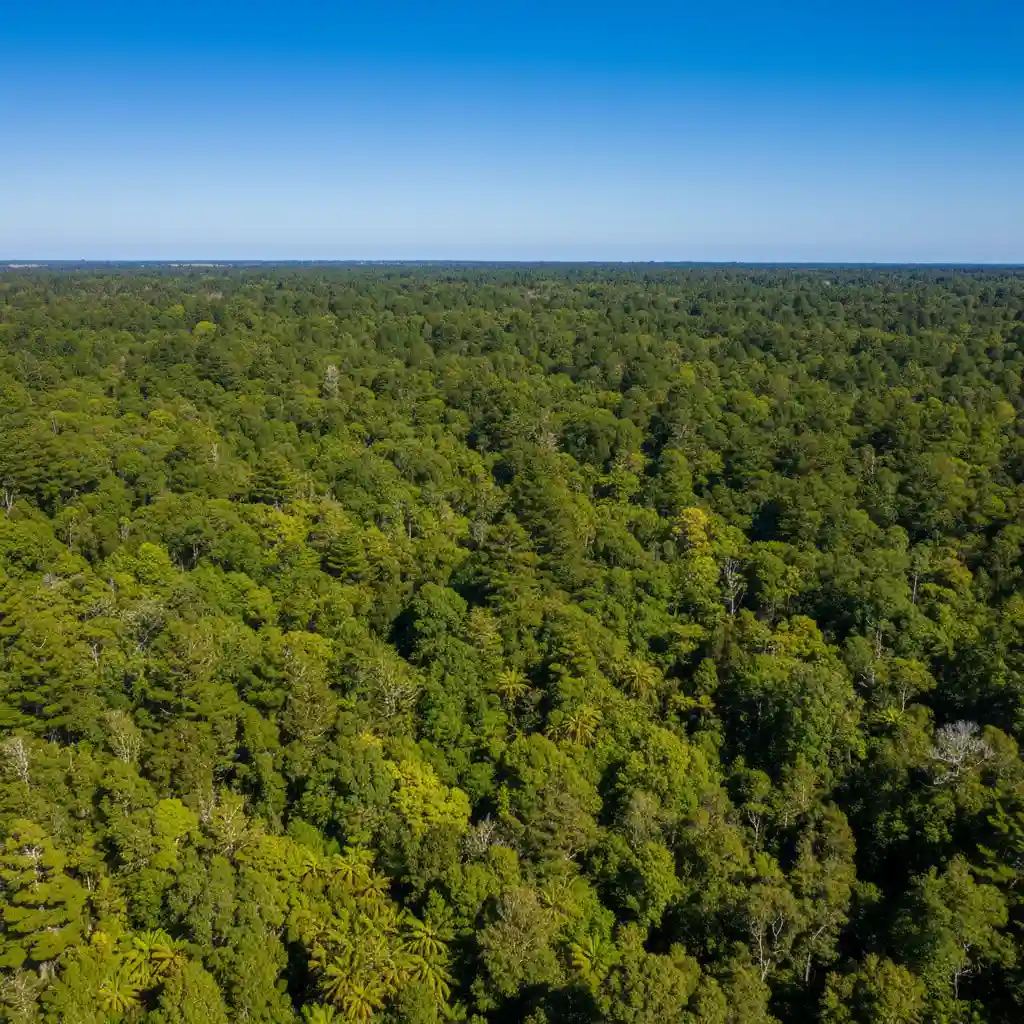
Sustainable forestry goes beyond simply planting new trees. It’s a holistic approach to managing forest resources to ensure their ecological, social, and economic viability for the long term. This means meeting the needs of the present without compromising the ability of future generations to meet their own needs.
At its core, sustainable forestry balances harvesting timber for economic benefit with conserving biodiversity, protecting water quality, and maintaining the forest’s ability to act as a carbon sink.
Key principles include selective harvesting, reforestation with native species, protecting old-growth forests, preventing soil erosion, safeguarding wildlife habitats, and engaging local communities in decision-making processes. It’s about nurturing an entire ecosystem, not just a crop of trees.
How Sustainable Forestry Mitigates Climate Change
The connection between sustainable forestry and climate change mitigation is multi-faceted, encompassing both direct carbon removal and broader ecological benefits.
Carbon Sequestration: Forests as Carbon Sinks
Through photosynthesis, trees convert atmospheric CO2 into biomass, effectively locking carbon away. Sustainable forestry practices optimize this process by maintaining healthy, growing forests. This includes replanting after harvest, ensuring a continuous cycle of carbon absorption.
Stat Callout:
A single mature tree can absorb approximately 22 kilograms of carbon dioxide per year, making thriving forests incredibly efficient carbon capture systems. Globally, forests absorb roughly 2.4 billion tonnes of carbon dioxide annually, underscoring their critical role in the carbon cycle.
Managed sustainably, forests continue to grow and sequester carbon throughout their lifespan, and even after harvesting, the carbon can remain stored in wood products for decades or even centuries.
Biodiversity and Ecosystem Resilience
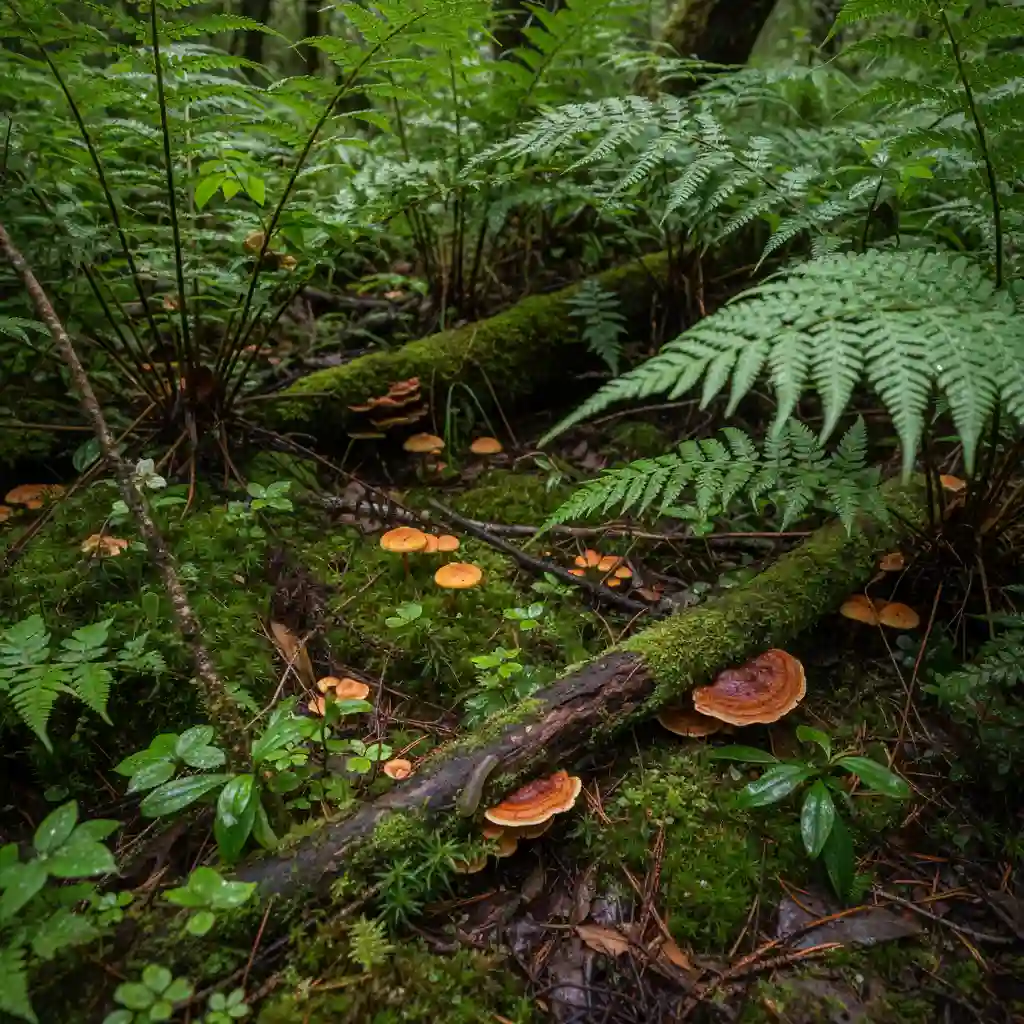
Diverse forests are more resilient to pests, diseases, and the impacts of climate change itself, such as droughts or extreme weather. Sustainable forestry prioritizes biodiversity, protecting a variety of plant and animal species that contribute to the forest’s overall health and stability.
A resilient forest is a better carbon sink, less susceptible to large-scale die-offs that would release stored carbon back into the atmosphere. This ecological balance is paramount for long-term climate action.
Sustainable Wood Products: A Lower Carbon Footprint
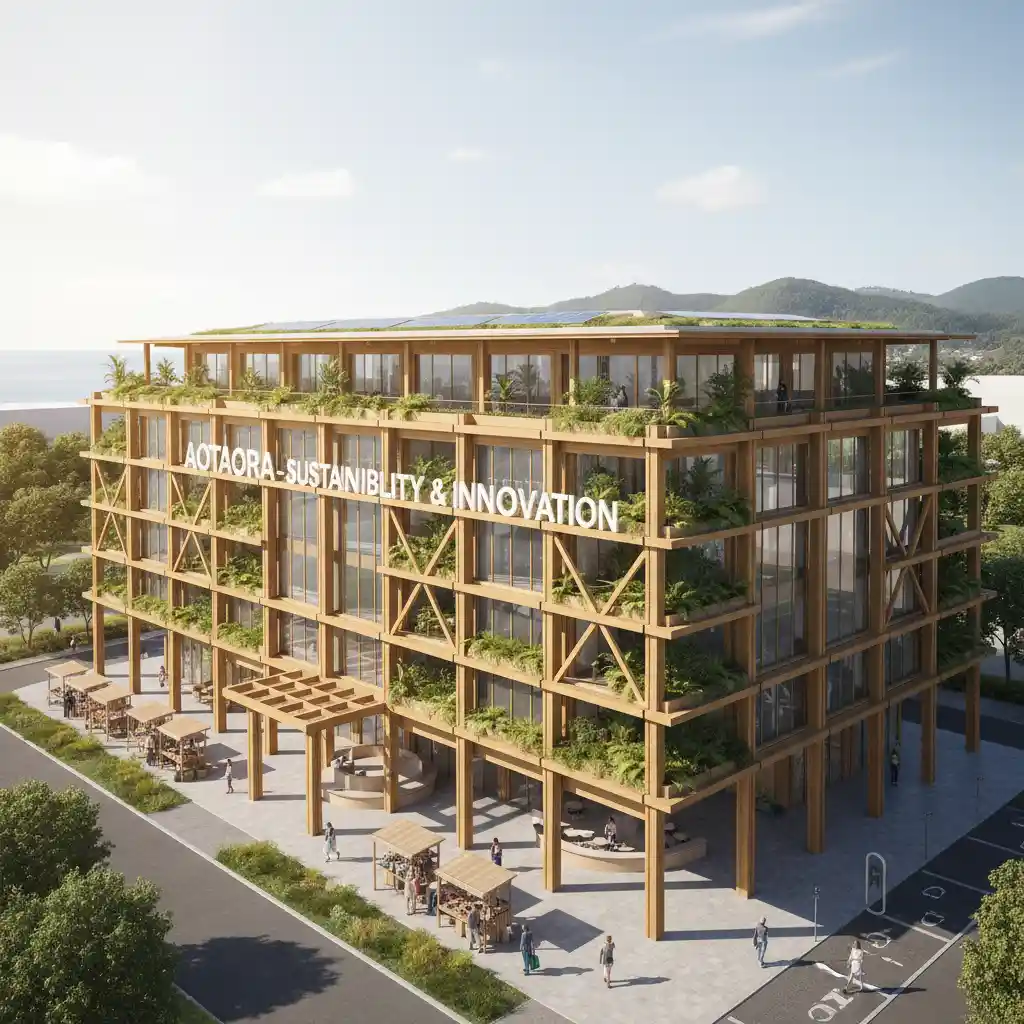
When wood is harvested sustainably and used in construction or long-lasting products, the carbon it absorbed during its life cycle remains sequestered within that product. This makes timber an excellent renewable resource for building materials, furniture, and other goods.
Furthermore, choosing wood from sustainably managed forests often means displacing more carbon-intensive materials like steel, concrete, or plastic, which require significant energy to produce and release more greenhouse gases. This creates a valuable substitution effect, contributing further to climate change mitigation.
Sustainable Forestry in New Zealand: A Local Perspective
New Zealand’s unique native forests are precious, and exotic plantation forests also play a significant role in the nation’s economy and carbon sequestration efforts. For Aotearoa, the principles of sustainable forestry are deeply intertwined with Māori kaitiakitanga (guardianship) and the national commitment to climate goals.
NZ’s forestry sector is increasingly focused on sustainable practices, with many operations adhering to international certification schemes like the Forest Stewardship Council (FSC). These certifications ensure that forests are managed responsibly, considering environmental, social, and economic factors.
Stat Callout (NZ Specific):
Forests cover approximately 31% of New Zealand’s land area, with commercial exotic plantations accounting for a significant portion. These plantations actively remove around 25-30 million tonnes of carbon dioxide equivalent (CO2e) from the atmosphere annually, playing a critical role in NZ’s emissions reduction targets.
Transitioning from a focus on purely economic yield to a more holistic, sustainable approach is vital for NZ’s environmental future and its contribution to global climate action. This includes responsible replanting, protection of waterways, and fostering biodiversity within and around commercial forests.
What You Can Do: Supporting Sustainable Practices
As consumers, our choices have power. Supporting sustainable forestry is a tangible way to contribute to climate change mitigation. Here’s how:
- Look for Certification: When buying timber, paper, or wood products, seek out certifications like FSC (Forest Stewardship Council) or PEFC (Programme for the Endorsement of Forest Certification), which indicate responsible forest management.
- Choose Wood Wisely: Opt for durable wood products that will sequester carbon for a long time. Consider recycled wood where appropriate.
- Reduce, Reuse, Recycle: Less demand for virgin timber means less pressure on forests. Embrace the circular economy in your daily life.
- Educate Yourself and Others: Understand the importance of forests and share this knowledge with your community.
- Support Responsible Land Use: Advocate for policies that promote sustainable forest management and combat illegal deforestation.

Conclusion
Sustainable forestry is a key to climate change mitigation, offering a natural, effective, and economically viable pathway to a more stable climate. By preserving existing forests, managing new ones responsibly, and making conscious choices about the products we consume, we can harness the incredible power of trees to draw down carbon, protect biodiversity, and build a more resilient future. For New Zealand and the world, investing in and advocating for sustainable forest practices is an investment in our collective future.
Frequently Asked Questions (FAQ)
What exactly is the difference between traditional logging and sustainable forestry?
Traditional logging often prioritizes short-term economic gain, potentially leading to clear-cutting, habitat destruction, and soil erosion. Sustainable forestry, however, takes a long-term view, balancing timber harvesting with ecological preservation, community engagement, and ensuring the forest’s health and productivity indefinitely. It focuses on selective harvesting, reforestation, and protecting biodiversity.
How do forests help mitigate climate change?
Forests mitigate climate change primarily by acting as ‘carbon sinks.’ Through photosynthesis, trees absorb carbon dioxide (CO2) from the atmosphere and store it in their wood, leaves, roots, and the soil. This process removes a significant amount of greenhouse gases, directly reducing atmospheric CO2 levels.
Are exotic plantation forests in New Zealand considered sustainable?
Many exotic plantation forests in New Zealand are managed sustainably, often adhering to international certifications like the Forest Stewardship Council (FSC). While not native, these plantations are crucial for carbon sequestration and providing renewable timber, reducing pressure on native forests. Sustainable management practices ensure replanting, biodiversity protection, and soil health.
What certifications should I look for to ensure wood products are sustainably sourced?
The most widely recognized certifications for sustainably sourced wood products are the Forest Stewardship Council (FSC) and the Programme for the Endorsement of Forest Certification (PEFC). These labels indicate that the wood comes from forests managed responsibly, considering environmental, social, and economic standards.
Can planting trees reverse climate change?
While planting trees is a vital part of the solution and significantly contributes to carbon removal, it alone cannot fully reverse climate change. It must be combined with drastic reductions in greenhouse gas emissions from all sectors, transitioning to renewable energy, and other sustainable practices across industries. Reforestation and afforestation are powerful tools, but they are part of a larger, multifaceted strategy.
References and Sources
- Intergovernmental Panel on Climate Change (IPCC). (2019). Climate Change and Land: an IPCC special report on climate change, desertification, land degradation, sustainable land management, food security, and greenhouse gas fluxes in terrestrial ecosystems.
- Forest Stewardship Council (FSC). (n.d.). About Us. Retrieved from fsc.org
- Ministry for Primary Industries (MPI) New Zealand. (2022). Forestry and Trees. Retrieved from mpi.govt.nz
- United Nations Framework Convention on Climate Change (UNFCCC). (n.d.). Forests. Retrieved from unfccc.int
- World Wildlife Fund (WWF). (n.d.). Forests & Climate Change. Retrieved from worldwildlife.org