Sustainable Fishing Practices for New Zealand’s Marine Conservation
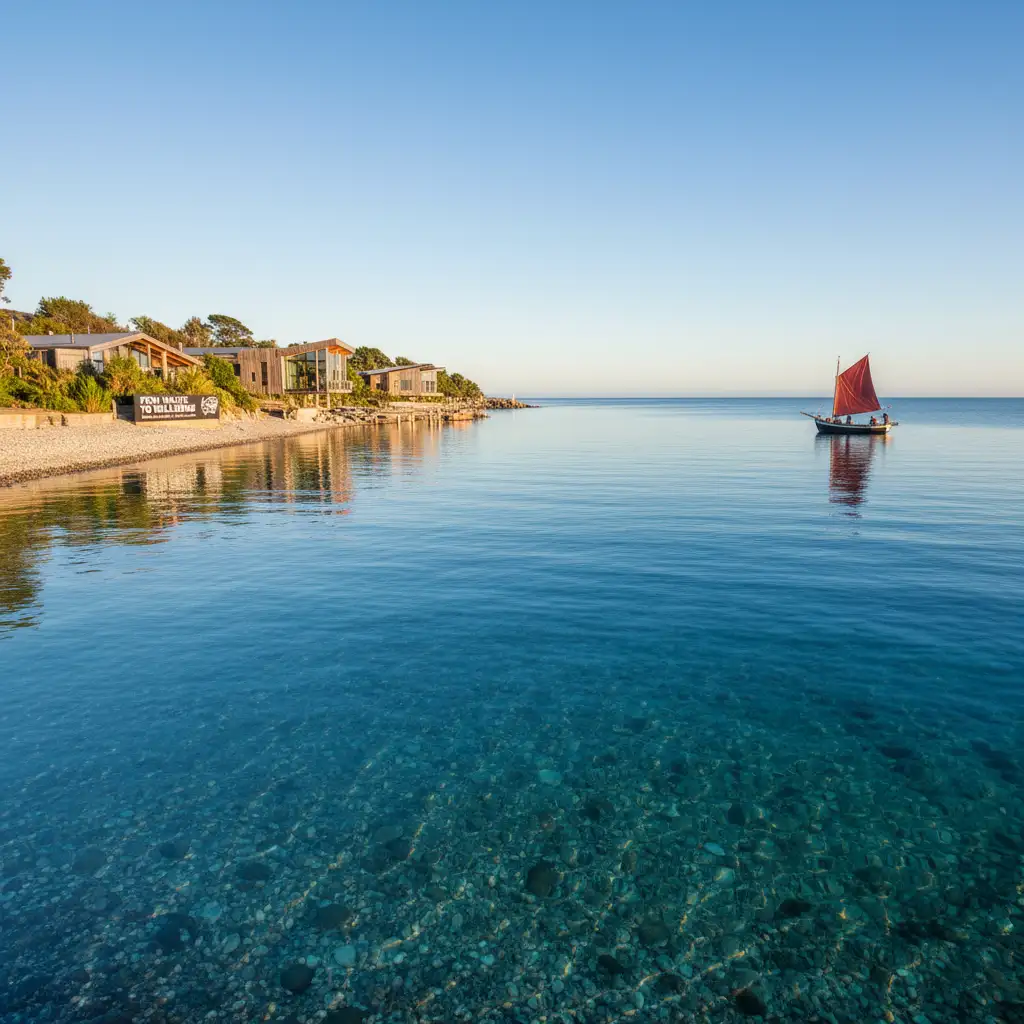
New Zealand, a nation deeply connected to its oceans, faces a pivotal challenge: balancing its rich fishing heritage with the urgent need for marine conservation. Our pristine waters, teeming with unique biodiversity, are a national treasure. However, the pressures of commercial and recreational fishing demand thoughtful, sustainable approaches to ensure these resources thrive for generations to come.
This article delves into the critical role of sustainable fishing practices for New Zealand’s marine conservation, exploring current strategies, challenges, and how every Kiwi can contribute to a healthier ocean. We’re moving beyond technical jargon to provide actionable insights for a sustainable lifestyle, starting with what’s on our plates.
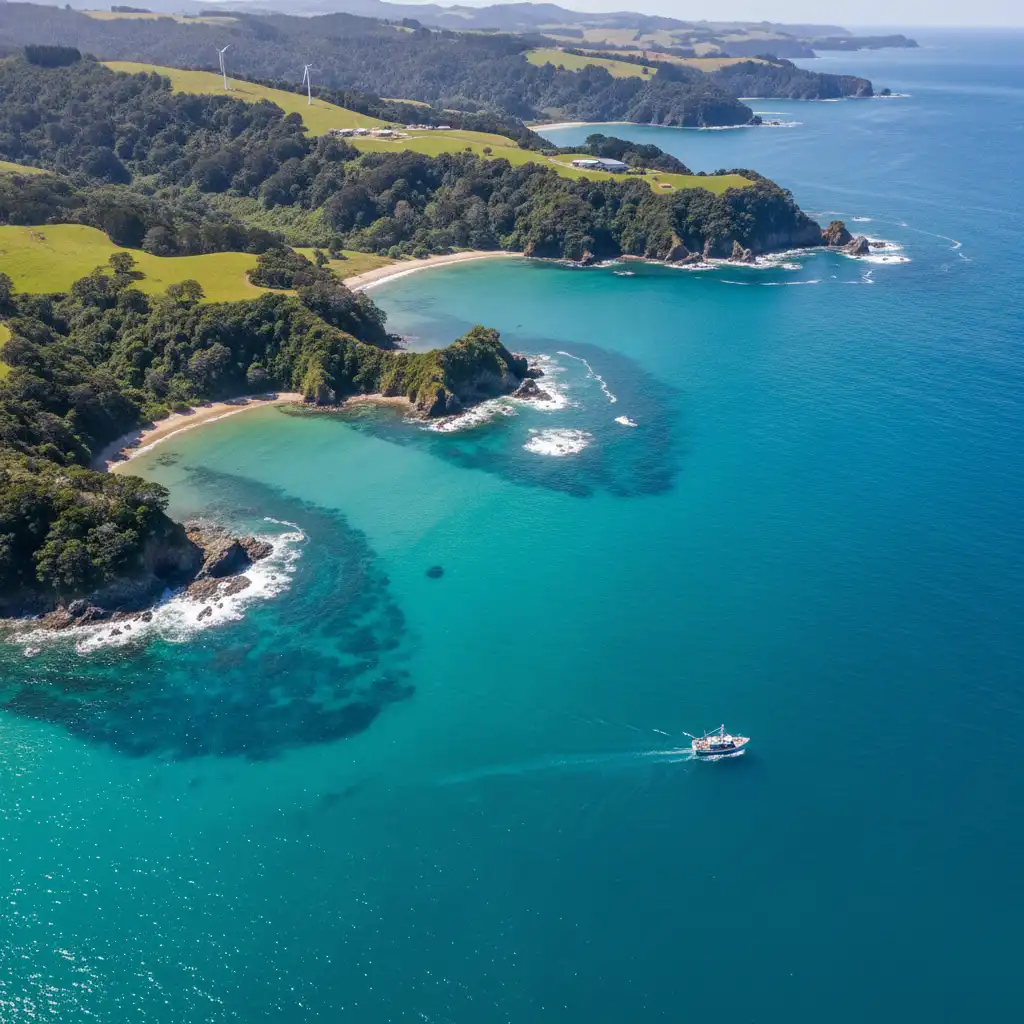
Table of Contents
- Understanding New Zealand’s Unique Marine Ecosystem
- Challenges to Marine Conservation in NZ
- What are Sustainable Fishing Practices?
- Key Sustainable Fishing Methods in NZ
- How Consumers Can Support Sustainable Fishing
- The Future of Marine Conservation in NZ
- Frequently Asked Questions (FAQ)
- References & Sources
Understanding New Zealand’s Unique Marine Ecosystem
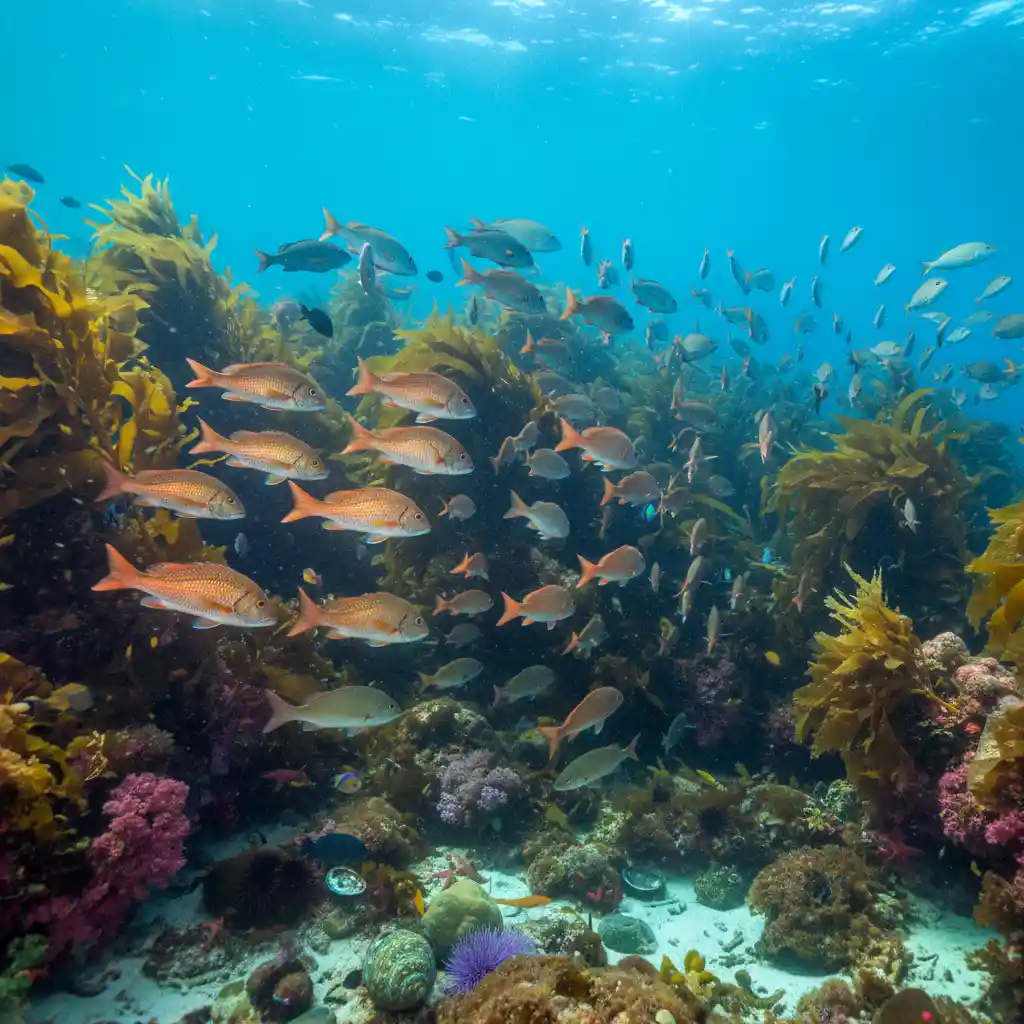
New Zealand is an island nation, meaning its identity is intrinsically linked to the ocean. Our Exclusive Economic Zone (EEZ) is vast, covering more than four million square kilometres – roughly 15 times our land area. This immense territory harbours an extraordinary diversity of marine life, from vibrant coastal kelp forests to deep-sea hydrothermal vents, and is home to species found nowhere else on Earth. Protecting this biodiversity is central to marine conservation efforts.
“New Zealand’s marine environment supports over 8,000 known endemic species, making its preservation a global priority for biodiversity.”
Challenges to Marine Conservation in NZ
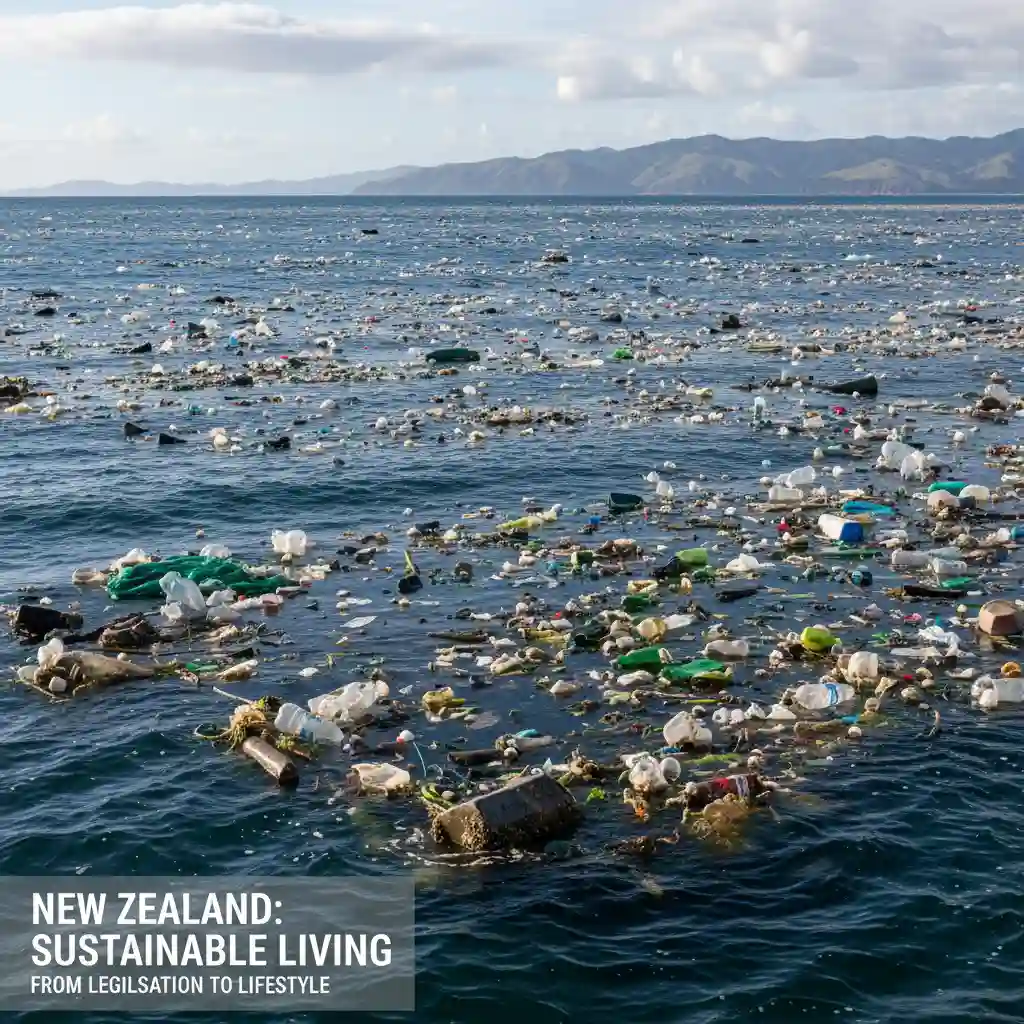
Despite progressive management frameworks, New Zealand’s marine ecosystems face significant threats. Overfishing, habitat destruction, bycatch (unintended capture of non-target species), pollution, and the impacts of climate change all put pressure on fish stocks and marine biodiversity. Addressing these challenges requires a multi-faceted approach, with sustainable fishing practices for New Zealand’s marine conservation at its core.
What are Sustainable Fishing Practices?
At its heart, sustainable fishing is about harvesting seafood in a way that doesn’t deplete fish populations or harm the ecosystems they depend on. It ensures that there will be enough fish for future generations while minimizing environmental impact. Key principles include:
- Maintaining healthy fish populations (stock levels).
- Minimizing bycatch of non-target species.
- Reducing habitat damage from fishing gear.
- Considering the broader ecosystem impacts.
- Ensuring fair and equitable economic benefits.
For New Zealand, this means adapting global best practices to our unique marine environment and regulatory framework.
Key Sustainable Fishing Methods in NZ
New Zealand has been a pioneer in fisheries management, implementing several robust systems and innovations to support marine conservation. These are crucial components of sustainable fishing practices for New Zealand’s marine conservation.
The Quota Management System (QMS)
Introduced in 1986, the QMS is a cornerstone of NZ’s fisheries management. It sets a Total Allowable Commercial Catch (TACC) for each fish stock, based on scientific assessments of stock health. Quotas are allocated to commercial fishers, giving them a vested interest in the long-term sustainability of the resource. This system aims to prevent overfishing by limiting the total catch for key species.
Gear Restrictions and Innovation
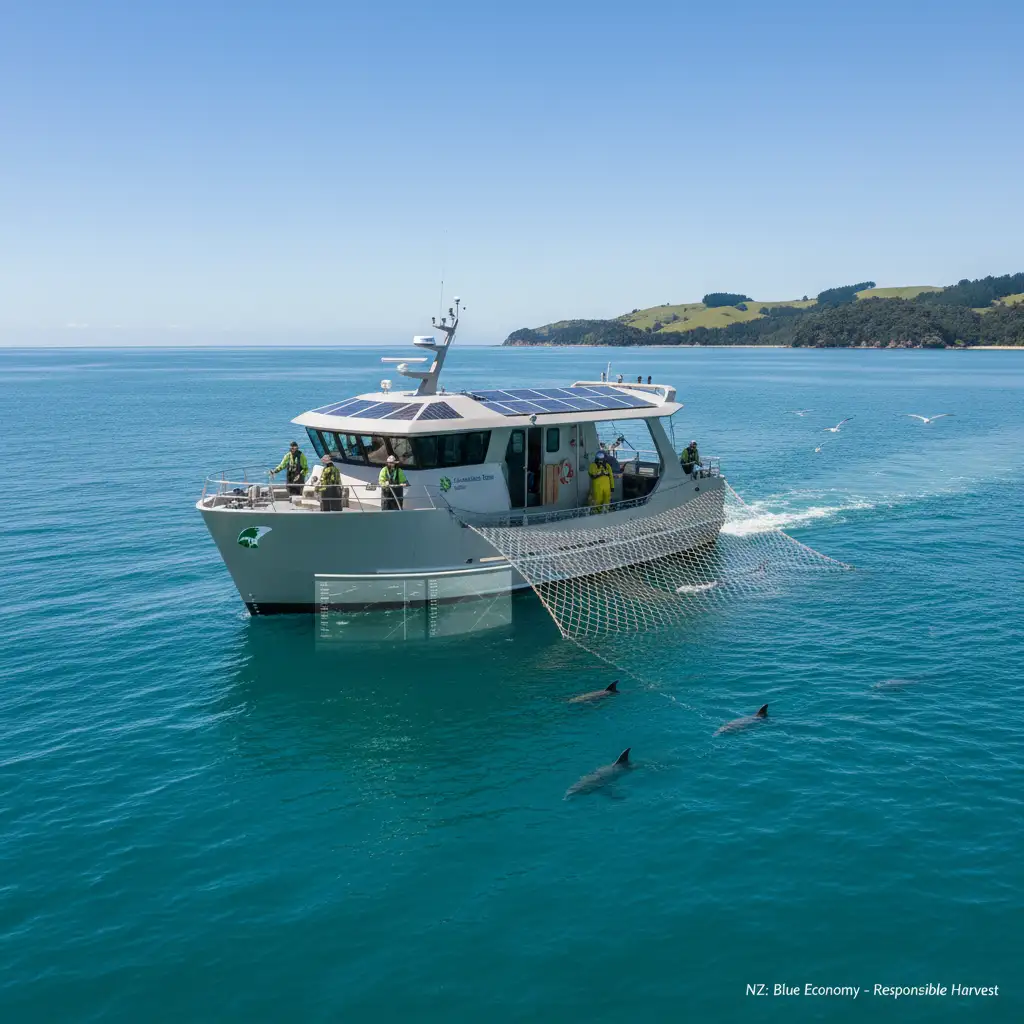
Strict regulations govern the type of fishing gear that can be used, including minimum mesh sizes for nets, trawl exclusion zones, and restrictions on destructive practices. Innovation also plays a role, with research into more selective fishing gear that reduces bycatch and minimizes seabed impact, like precision harvesting technologies.
Marine Protected Areas (MPAs)
MPAs, including marine reserves, aim to protect marine biodiversity by setting aside areas where fishing and other extractive activities are restricted or prohibited. These areas serve as sanctuaries, allowing fish stocks to recover and ecosystems to flourish, providing spill-over benefits to adjacent fishing grounds.
The Role of Responsible Aquaculture
While not ‘fishing’ in the traditional sense, sustainable aquaculture (fish farming) can reduce pressure on wild fish stocks. New Zealand’s aquaculture industry focuses on species like Greenshell mussels and King salmon, with strict environmental standards to ensure farms are operated responsibly, minimizing their impact on coastal ecosystems.
How Consumers Can Support Sustainable Fishing
Every consumer choice has an impact. Supporting sustainable fishing practices for New Zealand’s marine conservation begins with informed purchasing decisions. Here’s how you can make a difference:
1. Choose Certified Sustainable Seafood
Look for certifications like the Marine Stewardship Council (MSC) label, which indicates that seafood has been caught or farmed sustainably. Organisations like Forest & Bird also provide Best Fish Guides specific to New Zealand.
2. Ask Questions at the Fish Counter
Don’t hesitate to ask where your fish comes from, how it was caught, and if it’s considered a sustainable choice. Your curiosity sends a strong message to suppliers.
3. Diversify Your Seafood Choices
Instead of always opting for popular species, explore less common but equally delicious and often more sustainable alternatives. This reduces pressure on overfished stocks.
4. Reduce Seafood Waste
Plan your meals, store seafood properly, and use leftovers creatively to ensure no valuable resources go to waste.
Your Sustainable Seafood Action Checklist:
- ✓ Check for MSC or local sustainable seafood guides.
- ✓ Engage with fishmongers about source and method.
- ✓ Experiment with lesser-known species.
- ✓ Minimise waste from seafood consumption.
- ✓ Advocate for stronger marine protection.

The Future of Marine Conservation in NZ
The journey towards comprehensive marine conservation in New Zealand is ongoing. It requires continuous scientific research, adaptive management, strong regulatory enforcement, and broad public engagement. Future efforts will likely focus on expanding the MPA network, further reducing bycatch through technological advancements, addressing the impacts of climate change, and integrating Māori kaitiakitanga (guardianship) principles more deeply into management frameworks.
“Effective marine conservation is not just about protecting fish; it’s about safeguarding an entire ecosystem that provides cultural, economic, and ecological benefits integral to New Zealand’s identity.”
By embracing and championing sustainable fishing practices for New Zealand’s marine conservation, we can ensure our oceans remain healthy and productive for generations to come.
Frequently Asked Questions (FAQ)
What defines sustainable fishing in New Zealand?
Sustainable fishing in New Zealand is defined by practices that ensure fish stocks remain healthy and productive for the long term, minimize environmental impact (e.g., bycatch, habitat damage), and are managed under a robust scientific and regulatory framework, primarily the Quota Management System (QMS).
How does the Quota Management System (QMS) contribute to marine conservation?
The QMS sets a Total Allowable Commercial Catch (TACC) for specific fish stocks, based on scientific assessment of their health. This limits the total amount of fish that can be caught, preventing overfishing and encouraging commercial fishers to invest in sustainable practices to maximize the value of their quota over time.
What role do Marine Protected Areas (MPAs) play in NZ?
Marine Protected Areas (MPAs) in New Zealand, such as marine reserves, are designated zones where fishing and other extractive activities are restricted or prohibited. They act as safe havens for marine life, allowing ecosystems to recover, increasing biodiversity, and providing a source of ‘spill-over’ fish and larvae to replenish surrounding areas.
How can consumers identify sustainably caught seafood in New Zealand?
Consumers can look for certification labels like the Marine Stewardship Council (MSC) on seafood products. Additionally, consulting local sustainable seafood guides, such as those provided by Forest & Bird, and asking fishmongers about the source and catch method are effective ways to make informed choices.
What are the biggest challenges to sustainable fishing in NZ?
Key challenges include managing bycatch of non-target species, minimizing habitat damage from certain fishing gear, adapting to climate change impacts on fish distribution and abundance, controlling illegal, unreported, and unregulated (IUU) fishing, and balancing the interests of various stakeholders (commercial, recreational, and Māori customary fishers).
References & Sources
- Ministry for Primary Industries (MPI) – Fisheries New Zealand. Official Website for Fisheries and Aquaculture Management.
- Food and Agriculture Organization of the United Nations (FAO). The State of World Fisheries and Aquaculture (SOFIA) reports.
- Forest & Bird. Best Fish Guide New Zealand.
- Marine Stewardship Council (MSC). Global Standard for Sustainable Fishing.
- Department of Conservation (DOC) – Marine Protected Areas. Information on NZ Marine Reserves and MPAs.