Sustainable Design in Green Healthcare: Key Principles
In an era defined by environmental consciousness and a commitment to well-being, the healthcare sector faces a unique imperative: to heal people without harming the planet. Sustainable design in green healthcare isn’t just a trend; it’s a fundamental shift towards creating environments that promote health, conserve resources, and reduce ecological impact.
For New Zealand, a nation deeply connected to its natural environment, embracing these principles is paramount. This article delves into the core principles guiding sustainable design in green healthcare, offering insights into how we can build a healthier future, one facility at a time.

Table of Contents
- What is Sustainable Design in Green Healthcare?
- Why Green Healthcare Matters
- Core Principles of Sustainable Design in Green Healthcare
- Beyond the Environment: Benefits of Green Healthcare
- Conclusion: A Sustainable Path Forward for NZ Healthcare
- Frequently Asked Questions (FAQ)
- References & Sources
What is Sustainable Design in Green Healthcare?
Sustainable design in green healthcare refers to the practice of designing, constructing, operating, and maintaining healthcare facilities in a manner that minimizes environmental impact while enhancing the health and well-being of patients, staff, and the wider community. It’s a holistic approach that considers the entire lifecycle of a building, from its foundational materials to its energy consumption and waste generation.
This comprehensive perspective moves beyond mere compliance, aiming for regenerative practices that actively contribute to ecological and human health. It’s about creating spaces that are not only functional and safe but also restorative and environmentally responsible.
Why Green Healthcare Matters
Healthcare facilities are intensive users of resources, consuming significant amounts of energy and water, and generating considerable waste. Their environmental footprint is substantial. In New Zealand, with our pristine landscapes and strong cultural connection to the environment, reducing this impact is a moral and practical imperative.
Stat Callout:
Hospitals globally contribute an estimated 4.4% of worldwide greenhouse gas emissions. Shifting to sustainable design can significantly reduce this footprint, contributing to national climate goals and air quality improvements.
Beyond environmental concerns, green healthcare design directly impacts patient recovery rates, staff productivity, and operational costs. It’s an investment that pays dividends in multiple dimensions.
Core Principles of Sustainable Design in Green Healthcare
Embracing sustainable design in green healthcare involves adherence to several key principles that guide decision-making throughout the entire project lifecycle.
1. Energy Efficiency and Renewable Sources
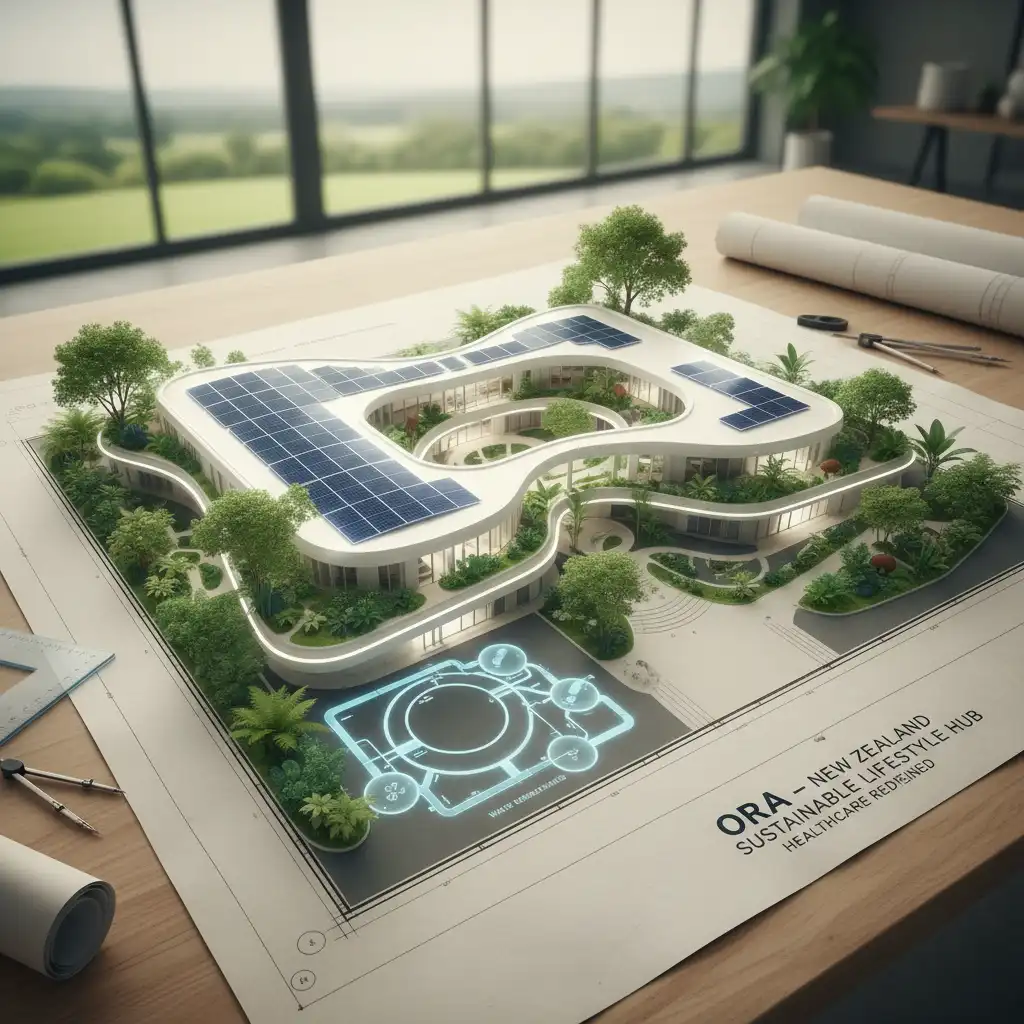
Reducing energy consumption is foundational. This includes optimizing building envelopes for insulation, utilizing high-efficiency HVAC systems, implementing smart lighting controls, and recovering waste heat. The ultimate goal is to power facilities using renewable sources like solar, wind, or geothermal energy, moving towards net-zero or even net-positive energy buildings.
“Energy efficiency in healthcare facilities not only cuts operational costs but also significantly reduces the carbon footprint, aligning with New Zealand’s commitment to a low-emissions future.”
2. Water Conservation and Management
Water is a precious resource. Green healthcare facilities incorporate strategies like low-flow fixtures, rainwater harvesting for non-potable uses (irrigation, toilet flushing), and efficient landscaping. Wastewater treatment and recycling systems are also crucial for minimizing discharge and maximizing reuse.
3. Materials Selection and Waste Reduction
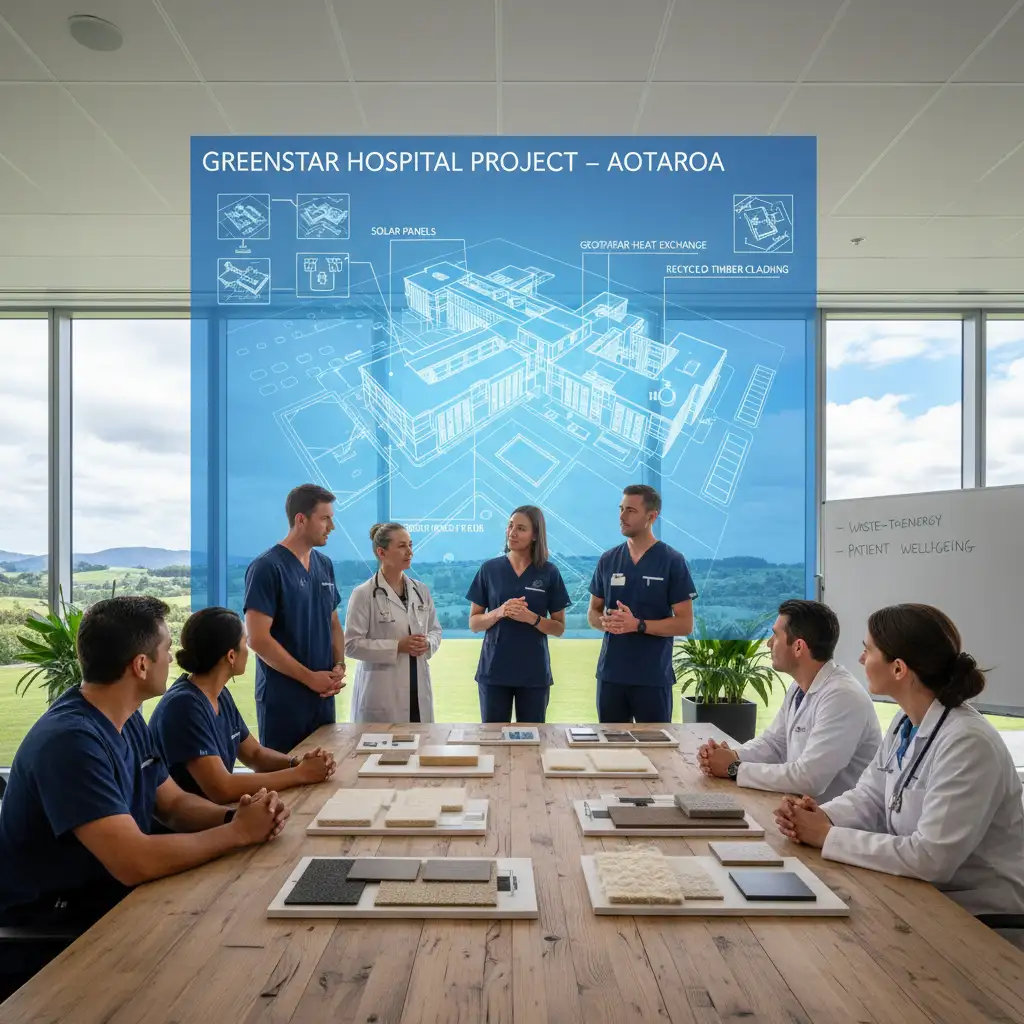
Choosing materials with low environmental impact is key. This means selecting recycled, recyclable, rapidly renewable, locally sourced, and non-toxic materials. Design also focuses on minimizing construction waste through modular design and efficient planning, and supporting ongoing operational waste reduction through robust recycling and composting programs.
Avoiding materials with harmful chemicals (e.g., PVC, formaldehyde) helps improve indoor air quality and worker safety throughout the building’s lifecycle.
4. Indoor Environmental Quality (IEQ)
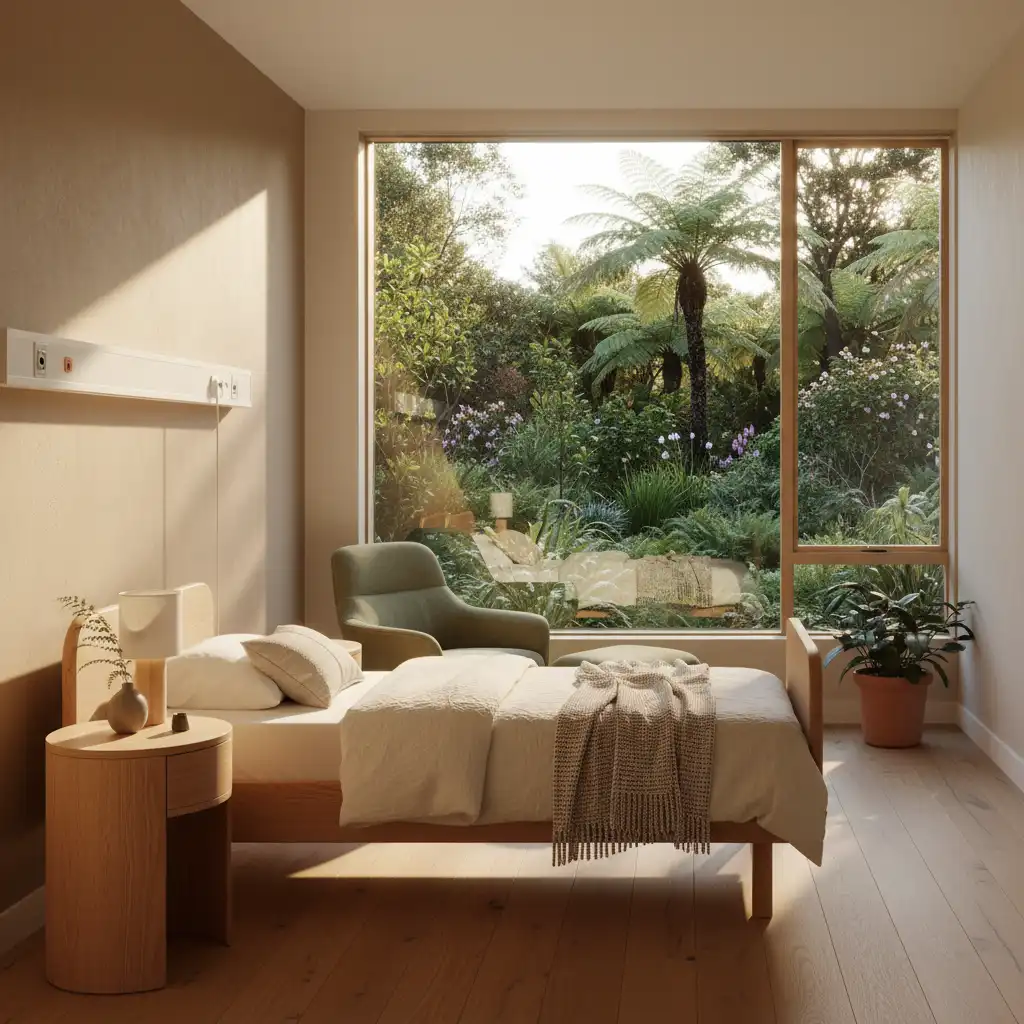
A healthy indoor environment directly impacts healing and well-being. This principle emphasizes excellent air quality through advanced ventilation and filtration, maximizing natural light (daylighting), thermal comfort, and acoustic performance. Biophilic design – integrating natural elements and views – is also critical for patient recovery and staff morale.
5. Site and Ecosystem Management
Sustainable site design minimizes disruption to local ecosystems. This involves choosing previously developed sites when possible, protecting and restoring native habitats, managing stormwater runoff to prevent pollution, and reducing heat island effects with reflective surfaces and green roofs. It’s about making the building part of a healthier local environment.
6. Resilience and Adaptability
Healthcare facilities need to be robust and adaptable to future challenges, including climate change impacts and evolving healthcare needs. This principle encourages designing for durability, flexibility in space use, and incorporating passive design strategies that can function during power outages or extreme weather events. This is especially pertinent for New Zealand, prone to natural events.
7. Community and Social Equity
Green healthcare extends beyond the building’s walls. It considers the facility’s impact on the local community, including access to public transport, support for local businesses in the supply chain, and ensuring equitable access to healthcare services. Engaging with the community during design and construction fosters a sense of ownership and shared benefit.
Beyond the Environment: Benefits of Green Healthcare
Implementing sustainable design in green healthcare yields a multitude of benefits that extend far beyond environmental protection:
- Improved Patient Outcomes: Better air quality, natural light, and connections to nature have been shown to reduce recovery times, decrease pain medication reliance, and lower readmission rates.
- Enhanced Staff Well-being & Productivity: A healthier work environment leads to higher staff satisfaction, reduced absenteeism, and increased efficiency.
- Reduced Operational Costs: Lower energy and water consumption translate directly into significant long-term savings.
- Stronger Brand & Reputation: Demonstrating environmental responsibility builds trust with the community and attracts talent.
- Increased Resilience: Facilities are better equipped to withstand disruptions and continue providing critical services.
Stat Callout:
Studies indicate that patients in rooms with natural light can experience up to a 21% reduction in length of hospital stay compared to those without. This highlights the direct impact of sustainable design on healing.
Conclusion: A Sustainable Path Forward for NZ Healthcare
The principles of sustainable design in green healthcare are not merely aspirational; they are actionable pathways to building a healthier, more resilient future for healthcare in New Zealand. By integrating these core tenets, we can ensure that our healing spaces are not only advanced in medical care but also exemplary in their environmental stewardship.
Embracing green healthcare design aligns perfectly with New Zealand’s broader sustainable lifestyle goals, demonstrating that environmental responsibility and human well-being are intrinsically linked. It’s time to build better, for our people and our planet.
Frequently Asked Questions (FAQ)
What is the primary goal of sustainable design in healthcare?
The primary goal is to create healthcare facilities that promote human health and well-being while minimizing negative environmental impacts and resource consumption throughout their entire lifecycle. This includes reducing carbon footprint, conserving water, and improving indoor air quality.
How does green healthcare benefit patients?
Patients benefit from improved indoor environmental quality, including better air filtration, more natural light, reduced noise, and views of nature. These factors can lead to faster recovery times, reduced stress, lower reliance on pain medication, and overall enhanced comfort and healing.
Are sustainable healthcare facilities more expensive to build?
While initial construction costs might be slightly higher for some green features, sustainable healthcare facilities typically offer significant long-term savings through reduced energy and water consumption, lower maintenance needs, and improved operational efficiency. The return on investment often outweighs the initial expenditure, not to mention the intangible benefits to health and environment.
What role does New Zealand play in green healthcare design?
New Zealand, with its strong environmental values and commitment to sustainability, is well-positioned to be a leader in green healthcare design. Implementing these principles aligns with national sustainability goals, supports local communities, and can set an example for other nations in creating eco-friendly and health-promoting medical environments.
References & Sources
- World Health Organization (WHO). (2020). Climate Change and Health: Fact Sheet. Retrieved from WHO Website.
- Practice Greenhealth. (2021). Environmental Performance Benchmarking Report. (Plausible industry report).
- Healthcare Design Magazine. (Various Articles). Sustainability in Healthcare Architecture. (Plausible industry publication).
- Ministry for the Environment. (New Zealand). (2022). New Zealand’s Climate Change Response. Retrieved from MfE Website.
- Ulrich, R. S., et al. (2008). A Review of the Research Literature on Evidence-Based Healthcare Design. The Center for Health Design. (Plausible academic source for patient outcome stats).