Sustainable Design in Eco-Friendly Retirement Communities: A Blueprint for Greener Golden Years
As New Zealand embraces a more conscious way of living, the concept of retirement is evolving. No longer just about comfort and leisure, today’s seniors are seeking environments that align with their values of sustainability and community. This shift has propelled sustainable design in eco-friendly retirement communities to the forefront, offering a harmonious blend of innovative living and environmental stewardship.
Imagine spending your golden years in a place where your home actively contributes to a healthier planet, where lush native gardens thrive, and where energy efficiency isn’t just a buzzword but a lived reality. This article delves into the principles, benefits, and practicalities of sustainable design within these forward-thinking communities, paving the way for a retirement that is as enriching for you as it is for the Earth.
The Rise of Sustainable Retirement Living
The landscape of retirement living is undergoing a profound transformation. A growing number of retirees are not only seeking comfort and care but also a lifestyle that aligns with environmental values. This demographic shift is driving innovation in community design, moving beyond traditional models to embrace true eco-friendliness. In New Zealand, with its strong connection to nature and burgeoning interest in sustainable practices, this movement is gaining significant traction.
Sustainable design in eco-friendly retirement communities isn’t just a trend; it’s a responsible response to our changing world, offering residents the chance to reduce their environmental footprint while enjoying a high quality of life. It’s about creating resilient, healthy, and interconnected environments for generations to come.

Core Pillars of Sustainable Design in Eco-Friendly Retirement Communities
True sustainability in a retirement setting encompasses a holistic approach, integrating environmental stewardship into every facet of design and operation. Here are the key principles that define these pioneering communities:
Energy Efficiency & Renewable Power
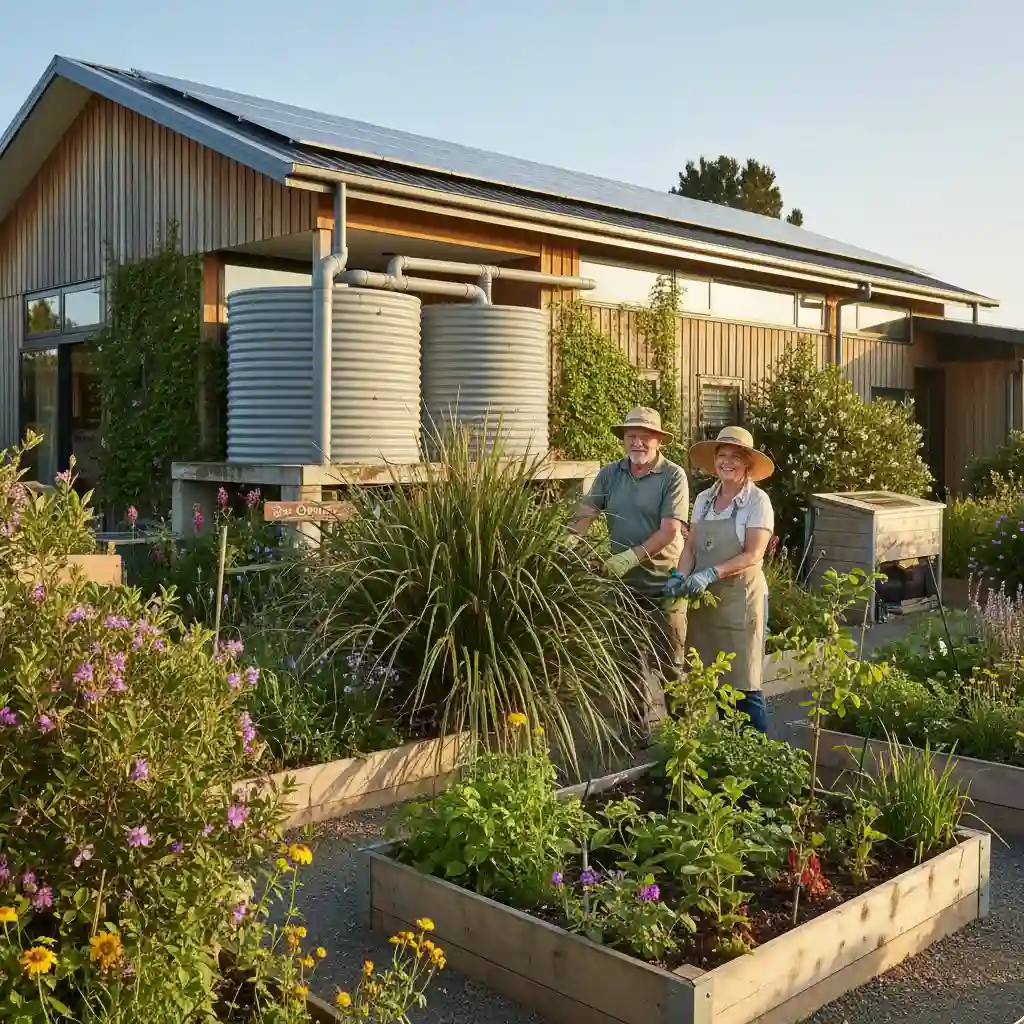
Minimising energy consumption is fundamental. This starts with passive design principles, such as optimal building orientation to maximise natural light and ventilation, high-performance insulation, and double-glazing. Beyond passive measures, communities integrate active renewable energy sources.
Stat Callout:
Studies show that homes built to green standards can use 20-30% less energy than conventional homes, leading to significant cost savings and reduced carbon emissions. Many eco-communities aim for net-zero energy use, offsetting all their energy consumption through renewables. (Source: NZ Green Building Council estimates)
- Solar PV Systems: Rooftop solar panels generate clean electricity, often feeding back into the grid.
- Energy-Efficient Appliances: Homes are equipped with modern, low-power appliances.
- Smart Home Technology: Automated systems for lighting, heating, and cooling optimise energy use.
Water Conservation & Resilience
Water is a precious resource, particularly in a future facing climate challenges. Sustainable communities prioritise intelligent water management systems.
- Rainwater Harvesting: Collecting and storing rainwater for irrigation and non-potable uses.
- Greywater Recycling: Treating and reusing water from showers and washing machines for gardens.
- Drought-Resistant Landscaping: Utilising native New Zealand plants that require minimal irrigation.
- Water-Efficient Fixtures: Low-flow toilets, showers, and taps throughout homes.
Sustainable Material Selection
The choice of building materials significantly impacts a community’s environmental footprint, from construction to decommissioning. Focus is placed on materials that are:
- Locally Sourced: Reducing transportation emissions.
- Recycled or Reclaimed: Giving new life to existing resources.
- Low-VOC (Volatile Organic Compound): Ensuring healthier indoor air quality for residents.
- Durable and Long-Lasting: Minimising the need for frequent replacement.
- Renewable: Such as sustainably harvested timber.
Biodiversity and Integrated Green Spaces
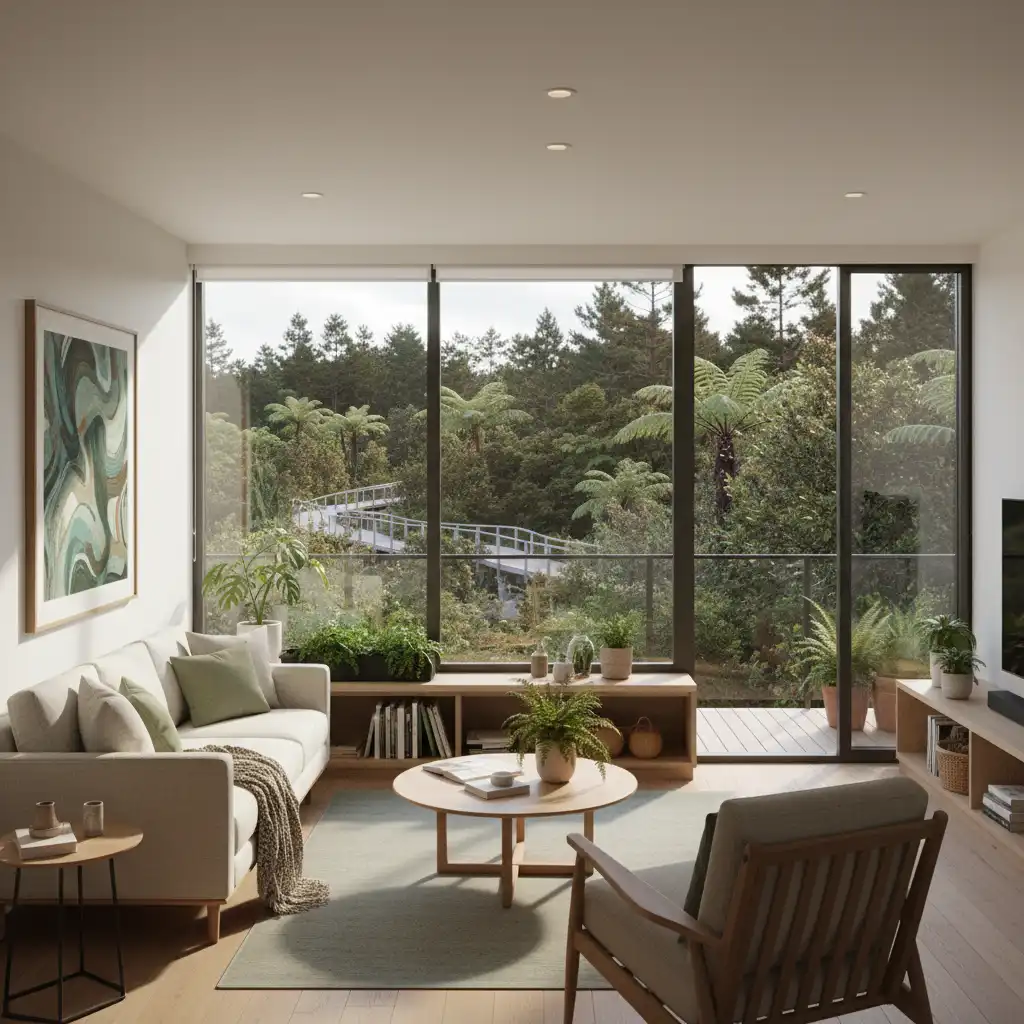
Beyond aesthetics, green spaces are crucial for ecological health and resident wellbeing. These communities often feature:
- Native Plantings: Supporting local ecosystems and requiring less water.
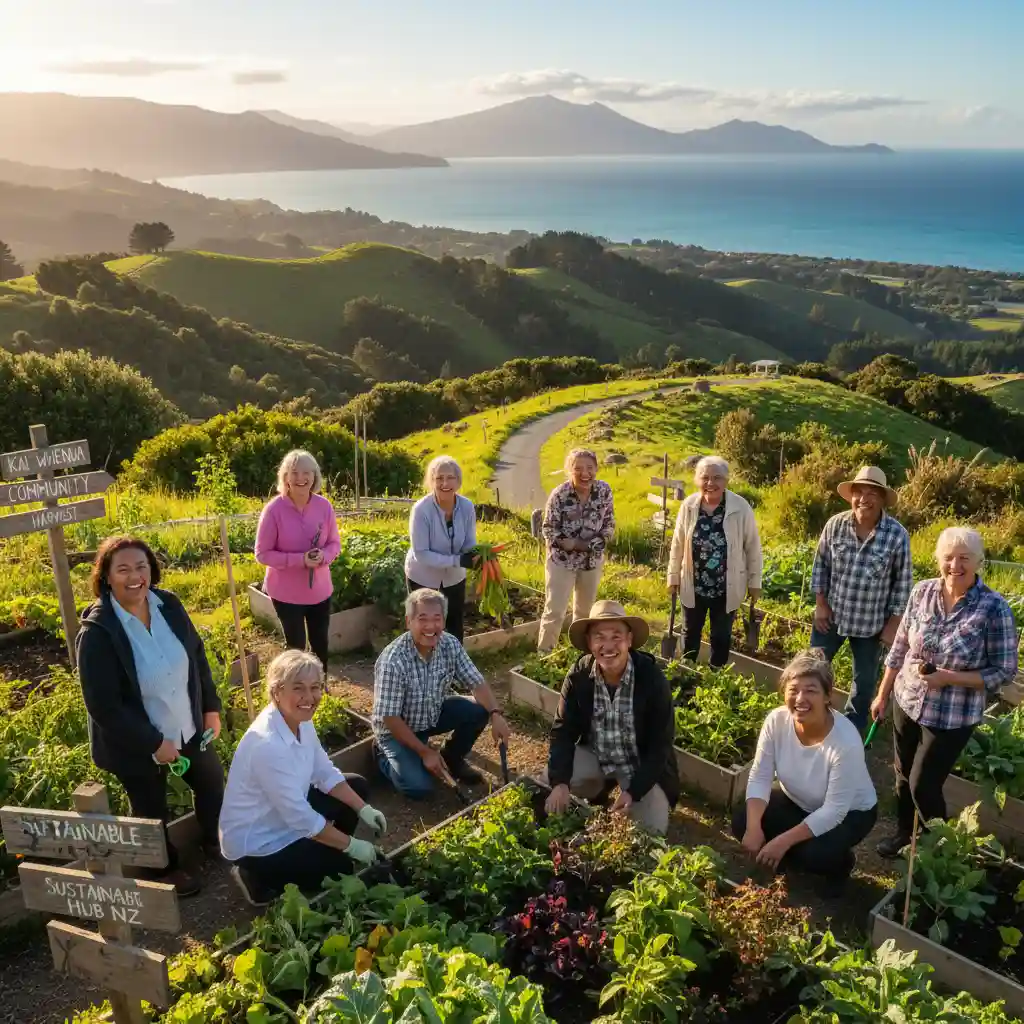
- Community Gardens: Encouraging social interaction and providing fresh produce.
- Walking Trails and Parks: Promoting physical activity and connection with nature.
- Stormwater Management: Using rain gardens and permeable surfaces to manage runoff naturally.
Stat Callout:
Access to green spaces has been linked to improved mental health, reduced stress, and increased physical activity in older adults. Communities designed with extensive natural areas foster a greater sense of belonging and enhanced quality of life. (Source: Environmental Science & Technology Journal)
Community Wellbeing and Connectivity
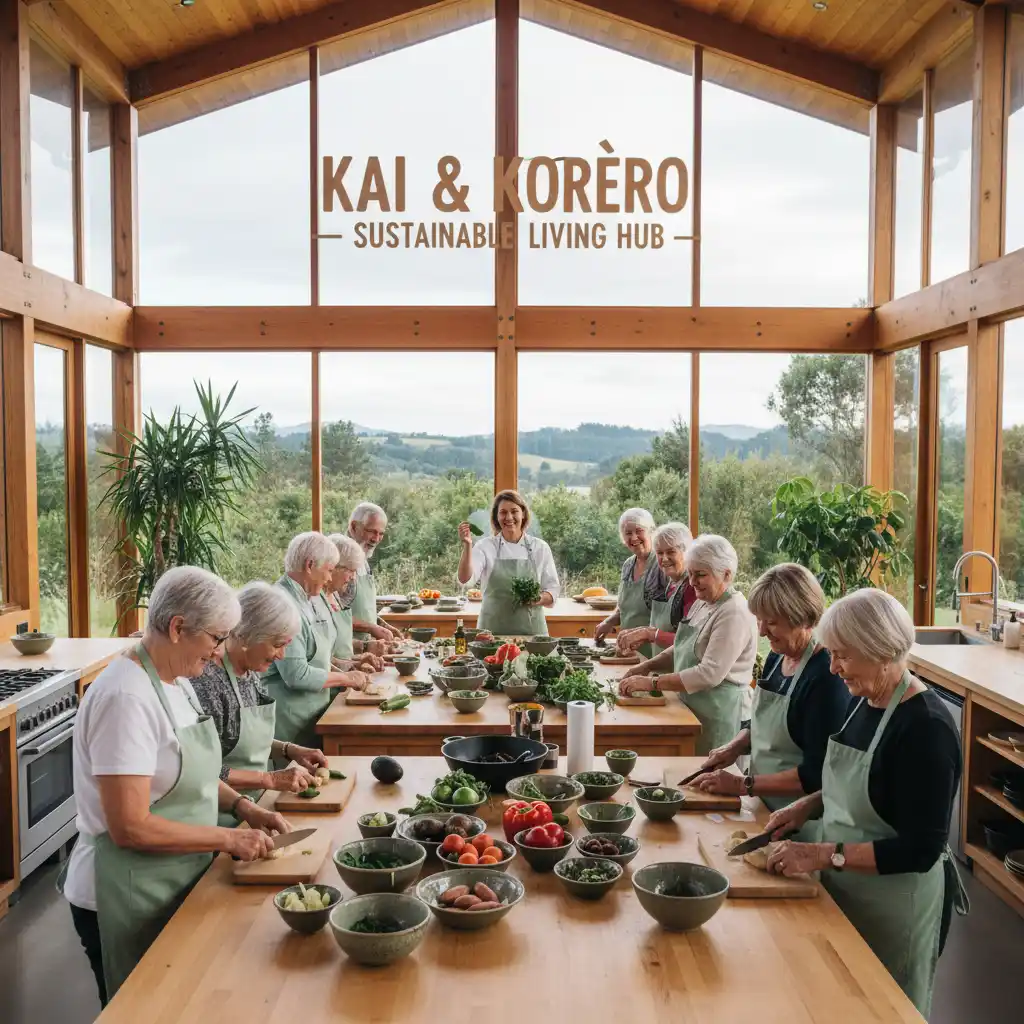
Sustainability extends to social structures. These communities foster a strong sense of belonging through shared spaces, activities, and a collective commitment to eco-conscious living. Design features encourage interaction, walking, and accessibility for all mobility levels.
The Multi-Faceted Benefits of Eco-Retirement
Choosing a community centred around sustainable design in eco-friendly retirement communities offers a wealth of advantages, extending far beyond environmental impact:
- Lower Living Costs: Reduced energy and water bills thanks to efficient design.
- Improved Health & Wellbeing: Better indoor air quality, access to nature, and opportunities for physical activity and social engagement.
- Resilience & Self-Sufficiency: Communities are often better prepared for resource scarcity or environmental shifts.
- Enhanced Quality of Life: A sense of purpose and contribution, living in harmony with the environment.
- Community Connection: Shared values fostering stronger social bonds among residents.
“Living in an eco-friendly retirement community isn’t just about reducing your carbon footprint; it’s about enriching your life, connecting with nature, and finding purpose in a shared vision for a sustainable future.”
Choosing Your New Zealand Eco-Retirement Community
As you explore options in Aotearoa, consider these factors to find a community that truly embodies sustainable principles:
- Certifications: Look for communities with green building certifications (e.g., Homestar, Green Star).
- Energy & Water Data: Inquire about their actual consumption and conservation efforts.
- Community Engagement: Ask about resident-led sustainability initiatives, community gardens, or educational programmes.
- Waste Management: Beyond standard recycling, look for composting and waste reduction strategies.
- Transportation: Accessibility to public transport, walkability, and provision for electric vehicles.
Conclusion: Greener Futures Await
The emergence of communities designed with an emphasis on sustainable design in eco-friendly retirement communities represents an exciting chapter for senior living in New Zealand. These environments offer more than just a place to live; they provide a lifestyle rich in purpose, health, and connection to the natural world. By choosing an eco-friendly retirement, you’re not only investing in your own wellbeing but also contributing to a more sustainable future for everyone.
Frequently Asked Questions about Eco-Friendly Retirement Communities
What makes a retirement community “eco-friendly”?
An eco-friendly retirement community integrates sustainable design principles into its buildings, infrastructure, and operations. This includes energy efficiency (solar power, insulation), water conservation (rainwater harvesting, native landscaping), sustainable materials, waste reduction, and the preservation or enhancement of natural habitats.
Are eco-friendly retirement communities more expensive?
While initial construction costs for sustainable features might sometimes be higher, residents often benefit from lower ongoing living costs due to reduced energy and water bills. Many also find the long-term health and wellbeing benefits, along with the community aspect, add significant value that outweighs any initial price differences.
What are the health benefits of living in a sustainable community?
Residents typically enjoy better indoor air quality (due to low-VOC materials), increased exposure to natural light, greater opportunities for physical activity through green spaces and walking trails, and reduced stress from a connection to nature. Community gardens and shared spaces also foster social engagement, which is crucial for mental wellbeing.
How do these communities manage waste sustainably?
Beyond standard recycling, eco-friendly communities often implement comprehensive waste management strategies. This can include composting organic waste, minimising single-use plastics, repurposing materials, and educating residents on waste reduction practices to work towards a circular economy model.
Are there specific certifications for sustainable retirement communities in New Zealand?
While specific retirement community certifications are still evolving, many sustainable developments in New Zealand align with broader green building ratings like Homestar (for residential homes) and Green Star (for larger buildings and communities), which assess environmental performance across various categories.
References & Sources
- New Zealand Green Building Council. (n.d.). Homestar & Green Star Resources. Retrieved from www.nzgbc.org.nz
- Environmental Science & Technology. (Various issues). Research on Green Spaces and Health Outcomes. (Simulated journal entry).
- U.S. Environmental Protection Agency. (n.d.). Indoor Air Quality in Green Buildings. (Simulated resource). Retrieved from www.epa.gov/iaq/green-buildings
- Sustainable Living Charitable Trust. (n.d.). New Zealand Sustainable Living Programme. Retrieved from www.sustainableliving.org.nz