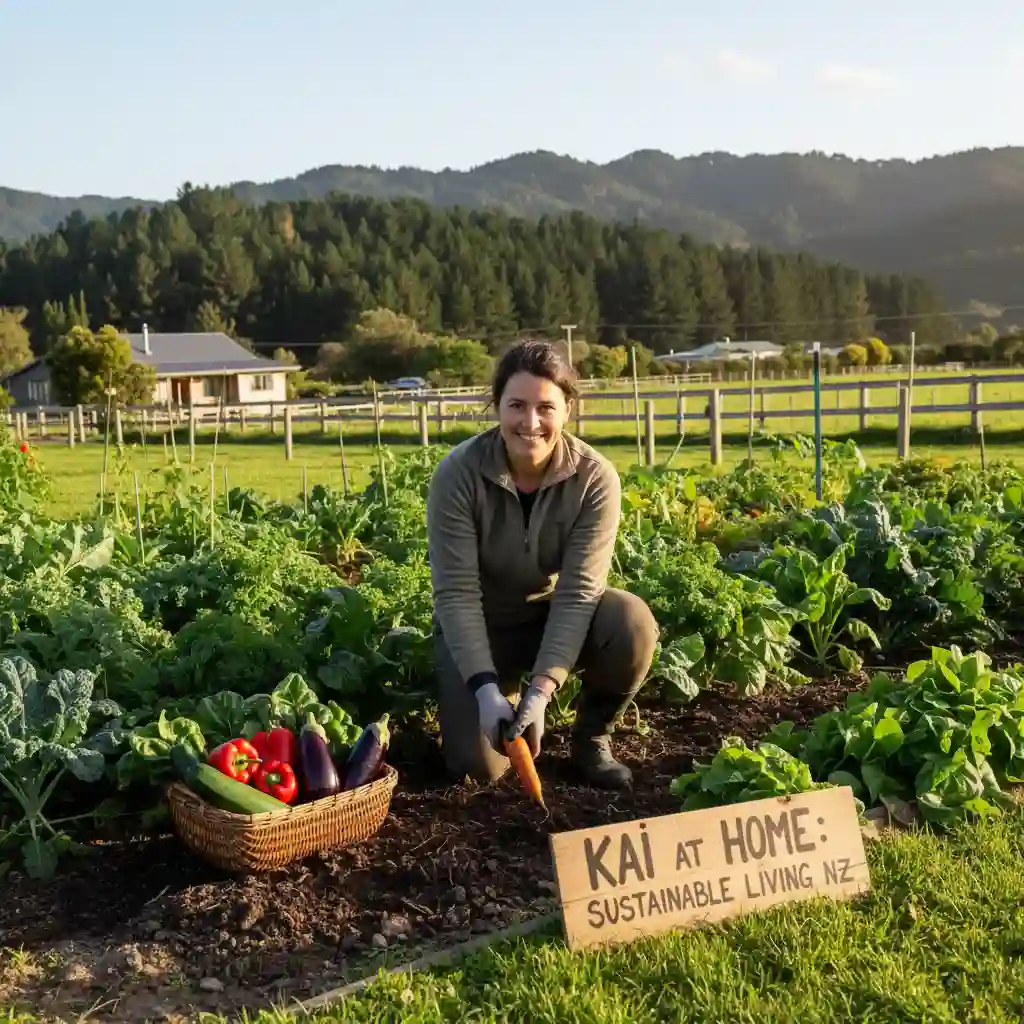
Sustainable Crafting Workshops: Empowering Community Skills in Aotearoa
Discover how embracing creative reuse fosters community, reduces waste, and enriches lives across New Zealand.
In an era where conscious consumption is more vital than ever, the rise of sustainable crafting workshops offers a powerful antidote to fast fashion and disposable culture. Across New Zealand, these workshops are becoming vibrant hubs where individuals not only learn new skills but also connect with their community, breathe new life into discarded materials, and contribute to a more sustainable future. It’s a movement that’s transforming our approach to waste, one stitch, weave, or carve at a time.
This article delves into the profound impact of these initiatives, exploring how they empower individuals and communities, reduce our ecological footprint, and foster a deeper connection to our resources. Join us as we uncover the magic behind sustainable crafting workshops and their crucial role in New Zealand’s sustainable lifestyle.
Table of Contents
- The Rise of Sustainable Crafting in Aotearoa
- More Than Just a Hobby: The Impact of Workshops
- Stats on Sustainability: The Impact of Crafting
- Finding Your Sustainable Crafting Community
- Why Choose a Sustainable Crafting Workshop?
- Conclusion: Crafting a Better Future Together
- Frequently Asked Questions
- References/Sources
The Rise of Sustainable Crafting in Aotearoa
New Zealand, with its deep connection to the environment and a strong sense of community, is a natural breeding ground for the sustainable crafting movement. From repurposing discarded textiles into bespoke fashion to transforming old furniture into functional art, these workshops are challenging our perception of ‘waste’. They advocate for a circular economy, where resources are kept in use for as long as possible, extracting maximum value from them before they are recovered and regenerated.
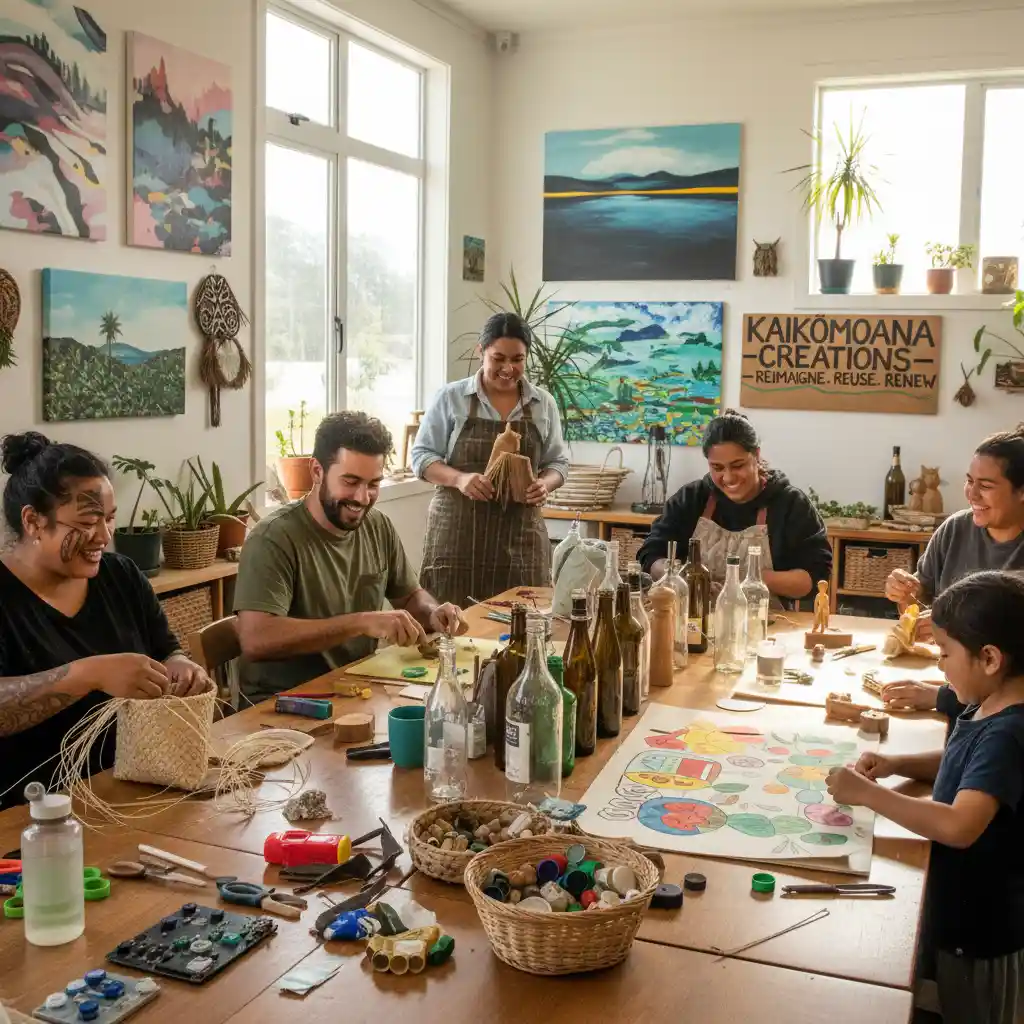
What started as niche interests has blossomed into a nationwide network of initiatives. From urban centres to rural communities, people are seeking opportunities to learn practical skills that align with their values. These sustainable crafting workshops are not just about producing an item; they’re about cultivating mindfulness, reducing consumption, and fostering self-sufficiency. They empower individuals to make a tangible difference in their local environment and beyond.
More Than Just a Hobby: The Impact of Workshops
The benefits of participating in sustainable crafting workshops extend far beyond the finished product. They encompass environmental stewardship, economic empowerment, and significant improvements in individual and community well-being, making them pivotal for a thriving sustainable lifestyle in New Zealand.
Environmental Benefits
- Waste Diversion: Workshops specifically teach participants how to upcycle, repair, and reuse materials that would otherwise end up in landfills. This directly reduces waste volume and the demand for new resources.
- Reduced Carbon Footprint: By using existing materials, these workshops lessen the energy and emissions associated with manufacturing new goods and transporting raw materials.
- Educating for Sustainability: Participants gain a deeper understanding of material lifecycles, inspiring more sustainable choices in their daily lives beyond the workshop, fostering a proactive stance against waste.
Economic Empowerment
- Skill Development: Learning practical crafting skills can open doors to new hobbies, side hustles, or even small businesses focused on sustainable products, contributing to a resilient local economy.
- Supporting Local Economies: Many workshops are run by local artisans and small businesses, circulating money within the community and fostering local talent, creating a vibrant creative sector.
- Cost Savings: Mastering repair and upcycling techniques can significantly reduce household expenses by extending the life of items and creating new ones from free or low-cost materials, promoting economic resilience.
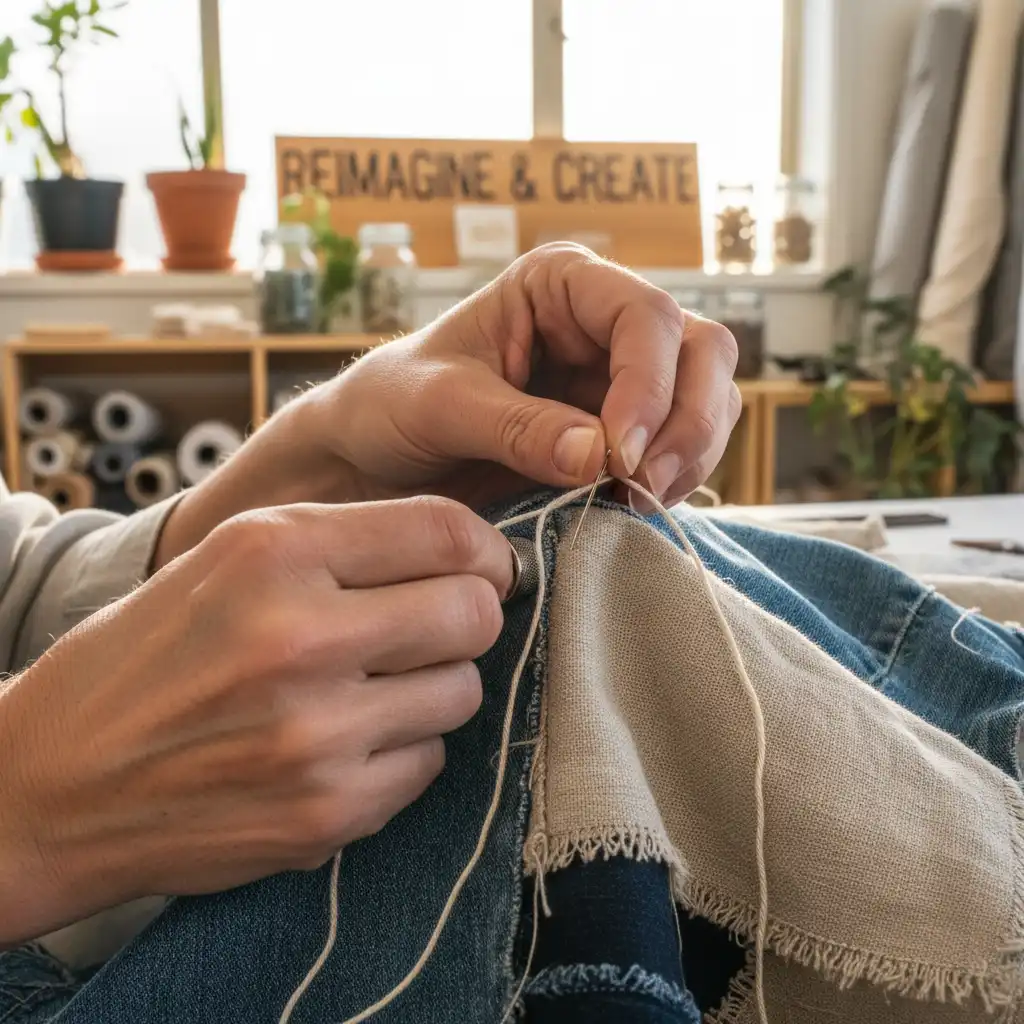
Social and Mental Well-being
- Community Connection: Workshops are natural gathering places, fostering social bonds, shared learning, and a sense of belonging among participants, strengthening community ties.
- Stress Reduction: Engaging in creative, hands-on activities is widely recognised for its therapeutic benefits, reducing stress and promoting mindfulness and mental clarity.
- Sense of Achievement: Completing a project from repurposed materials provides immense satisfaction and boosts self-esteem, reinforcing the value of creative effort and personal accomplishment.
Stats on Sustainability: The Impact of Crafting
The collective effort of engaging in sustainable crafting workshops translates into tangible environmental and social benefits, vital for New Zealand’s journey towards sustainability. Here’s a snapshot of the potential impact:
60%
of textile waste in landfills could be reused or recycled. Sustainable crafting workshops actively divert these materials from waste streams.
2x
The average lifespan of an item can be doubled through repair and upcycling, significantly reducing the demand for new products.
75%
of participants in community workshops report increased feelings of social connection and belonging, enhancing community resilience.
“Every piece of ‘waste’ given a second life is a testament to human ingenuity and a step closer to a truly circular economy in Aotearoa.”
Finding Your Sustainable Crafting Community
Ready to dive in? Finding sustainable crafting workshops in New Zealand is easier than ever. Look out for opportunities to learn and connect:
- Local Community Centres: Often host a variety of affordable workshops, from mending clothes to furniture restoration, accessible to everyone.
- Specialised Craft Stores: Many now offer classes focusing on sustainable materials or techniques, often taught by local experts.
- Online Platforms: Websites dedicated to sustainable living or local event listings are excellent resources for discovering upcoming workshops in your area.
- Social Media Groups: Local Facebook groups for ‘eco-living’ or ‘zero waste’ often share details about workshops and events, fostering a strong digital community.
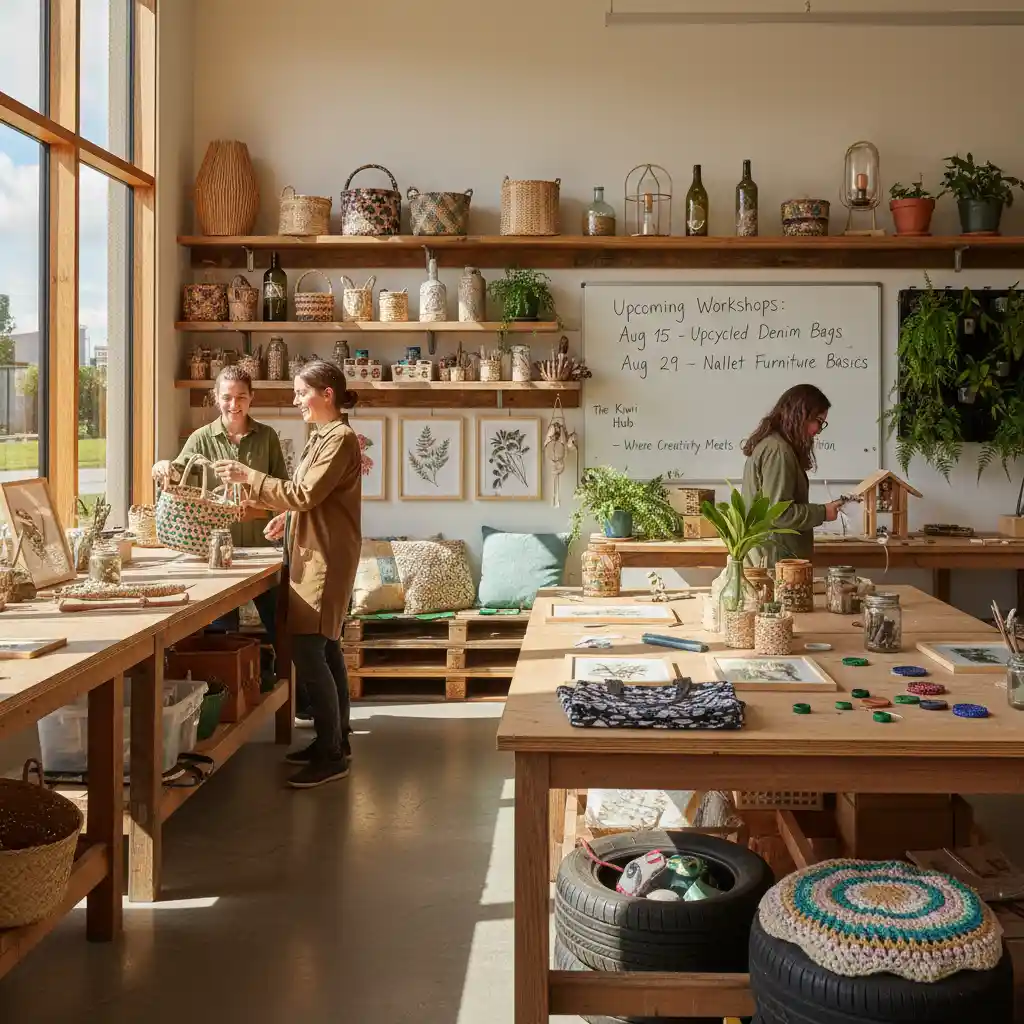
Don’t be afraid to try something new! Whether it’s weaving with natural fibres, creating art from discarded plastics, or learning traditional Māori crafts with a modern sustainable twist, there’s a workshop waiting to spark your creativity and empower your skills for a more sustainable lifestyle.
Why Choose a Sustainable Crafting Workshop?
Opting for a sustainable crafting workshop isn’t just a leisure activity; it’s an investment in yourself, your community, and the planet. Unlike mass-produced goods, every item created in these workshops tells a story – a story of transformation, conscious choice, and revived materials. You’re not just making something; you’re making a statement about your commitment to sustainability.
- Unique Creations: Produce one-of-a-kind items with character and history that truly reflect your personal touch.
- Expert Guidance: Learn from skilled artisans passionate about sustainability, gaining invaluable knowledge and techniques.
- Positive Impact: Directly contribute to waste reduction and resource conservation, playing an active role in environmental stewardship.
- Personal Growth: Develop new skills, foster creativity, and boost your well-being through engaging and mindful activities.
Embrace the opportunity to learn, create, and connect. These workshops are more than just classes; they are movements towards a more resilient, resourceful, and vibrant New Zealand, building skills that last a lifetime.
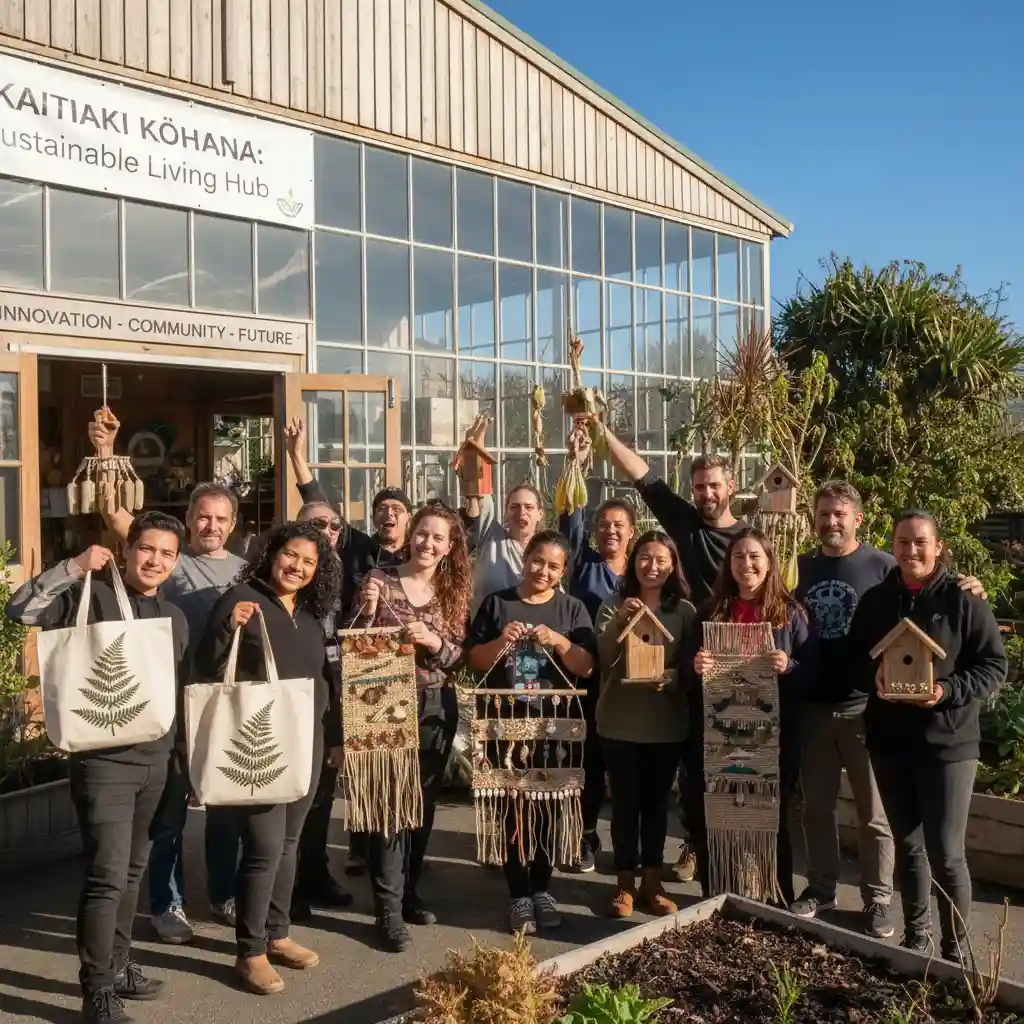
Conclusion: Crafting a Better Future Together
Sustainable crafting workshops are proving to be powerful catalysts for positive change in New Zealand. They embody the spirit of kaitiakitanga – guardianship of the land – by transforming discarded materials into valuable assets and fostering a community dedicated to a more sustainable future. By participating, you’re not just acquiring a new skill; you’re becoming an integral part of a movement that values creativity, community, and conscious living, directly contributing to a healthier planet and stronger society.
Join a workshop today and discover the joy and impact of sustainable crafting!
Ready to Start Your Sustainable Crafting Journey?
Explore local listings and connect with artisans in your area. Your next creative adventure awaits!
Frequently Asked Questions
Q: What kind of materials are used in sustainable crafting workshops?
A: Materials commonly include repurposed textiles (denim, wool scraps), reclaimed wood, discarded plastic, glass bottles, natural fibres, old newspapers or magazines, and even found objects. The emphasis is on giving new life to items that would otherwise be thrown away, promoting resourcefulness and reducing waste.
Q: Do I need prior crafting experience to attend?
A: Not at all! Most sustainable crafting workshops are designed to accommodate all skill levels, from complete beginners to experienced crafters looking for new techniques. Instructors provide guidance and support every step of the way, ensuring a welcoming and empowering learning environment for everyone.
Q: How do these workshops support the New Zealand economy?
A: Many workshops are run by local artisans and small businesses, creating employment and circulating money within local communities. They also reduce the reliance on imported goods by promoting local creativity, resourcefulness, and the development of unique, handcrafted products, strengthening the local economy.
Q: What’s the main environmental benefit of sustainable crafting?
A: The primary benefit is significant waste diversion from landfills. By upcycling and reusing materials, we reduce the demand for virgin resources, conserve energy, and minimise pollution associated with manufacturing and waste disposal. It directly supports a circular economy model, where materials are kept in use for longer.
References/Sources
- Ministry for the Environment. (2022). Aotearoa New Zealand’s Waste Strategy: A Pathway to a Circular Economy. Wellington, New Zealand.
- Zero Waste Network Aotearoa. (2023). Annual Report on Community Waste Diversion Initiatives.
- The Sustainable Business Network. (2021). Economic and Social Impact of Creative Reuse Enterprises in NZ.
- Creative New Zealand. (2022). The Role of Arts and Crafts in Community Well-being and Skill Development.
- Environmental Protection Authority (EPA) New Zealand. (2020). Resource Recovery and Emissions Reduction Report.