Sustainable Aging and Retirement Strategies for Kiwis
The vision of retirement in New Zealand is evolving. Beyond financial security, Kiwis are increasingly seeking a future that aligns with their values – a retirement that is not only comfortable but also environmentally conscious, socially engaged, and truly sustainable. As our nation shifts towards a broader sustainable lifestyle ethos, it’s time to explore how this translates to our golden years.
This article dives into comprehensive, practical strategies for Kiwis to embrace sustainable aging and retirement, ensuring a fulfilling life that gives back to both community and Papatūānuku.
1. Redefining Retirement: More Than Just Leisure
For many Kiwis, the traditional image of retirement — endless holidays and golf courses — is being replaced by a desire for purpose, engagement, and a lighter footprint. Sustainable aging isn’t about sacrifice; it’s about conscious choices that enhance quality of life while preserving resources for future generations. It’s about creating a legacy.
A recent survey revealed that over 60% of New Zealanders over 55 are concerned about climate change and actively seek ways to reduce their environmental impact in retirement. This highlights a significant shift towards purposeful, eco-conscious planning.
This holistic approach to retirement planning considers environmental impact, social contribution, and long-term financial viability, moving beyond mere pension calculations to encompass a full spectrum of wellbeing.
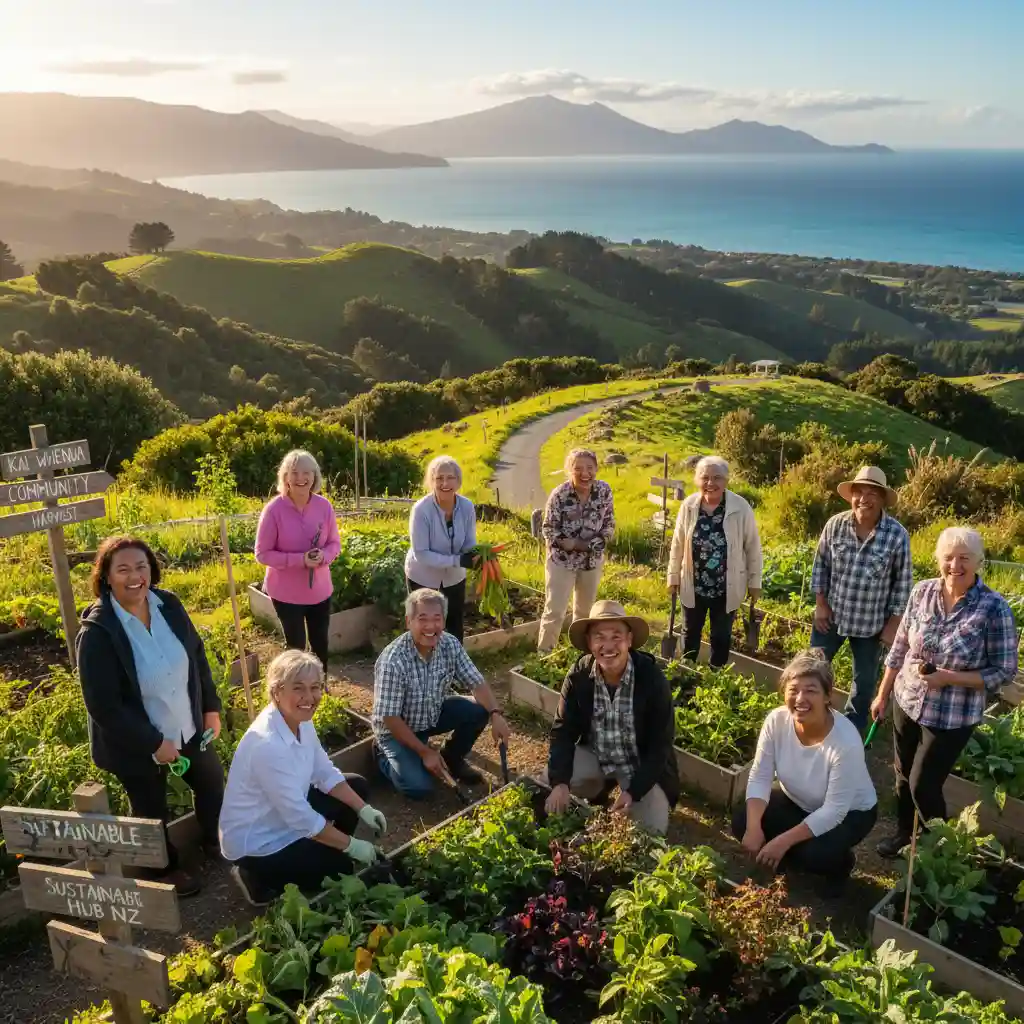
2. The Three Pillars of Sustainable Aging in Aotearoa
Sustainable aging hinges on three interconnected pillars. Addressing each of these ensures a robust and meaningful retirement experience.
Environmental Stewardship: Living Lightly
Reducing your ecological footprint is central to sustainable living. This involves making conscious decisions about your home, consumption, and daily habits.
- Eco-Friendly Housing: Consider downsizing to a smaller, energy-efficient home, or retrofitting your existing property with solar panels, improved insulation, and water-saving devices. Explore co-housing or intentional communities focused on sustainability.
- Reduced Consumption: Embrace the circular economy – repair, reuse, and recycle. Prioritise buying local, seasonal produce, and minimize single-use plastics.
- Sustainable Transport: Opt for walking, cycling, or public transport where possible. If a car is necessary, consider electric vehicles or car-sharing schemes.
- Waste Minimisation: Adopt robust composting and recycling practices. Learn about local waste streams and aim for a zero-waste lifestyle.
Social Wellbeing: Connection and Contribution
A truly sustainable retirement involves staying connected, active, and contributing to your community. This combats loneliness and fosters a sense of purpose.
- Community Engagement: Volunteer your time and skills to local charities, environmental groups, or schools. Join clubs and social groups that align with your interests.
- Intergenerational Connections: Mentor younger generations, participate in grandparenting programmes, or simply spend time with family and neighbours of all ages.
- Lifelong Learning: Keep your mind active by taking courses, learning new skills, or engaging in hobbies that challenge you intellectually.
- Health and Wellness: Prioritise physical activity, healthy eating, and mental wellbeing. Access local health services and community programmes.

Financial Resilience: Smart, Green Planning
Ensuring your financial stability in retirement also has a sustainable dimension. It’s about smart investments and budgeting that reflect your values.
- Ethical Investments: Review your KiwiSaver and other investments. Opt for providers that invest in socially responsible and environmentally friendly companies, avoiding industries like fossil fuels.
- Budgeting for Sustainability: Plan your finances to support a lower-consumption lifestyle. This might include allocating funds for home energy upgrades or investing in durable, long-lasting goods.
- Part-time Work/Consulting: Consider working part-time in a field you’re passionate about, perhaps even a green industry. This can supplement income and maintain engagement.
- Understanding Superannuation: Ensure you understand your entitlements from NZ Superannuation and plan accordingly, factoring in a longer, active retirement.
“Sustainable aging isn’t a cost, it’s an investment – an investment in personal wellbeing, community strength, and the health of our planet.”
3. Practical Strategies for a Greener Golden Age
Now, let’s put these pillars into action with concrete steps for Sustainable Aging and Retirement Strategies for Kiwis:
- Green Your Home: Conduct an energy audit. Install LED lighting, upgrade appliances to energy-efficient models, and harvest rainwater.
- Grow Your Own: Start a small vegetable garden or join a community garden. Fresh, local produce reduces your carbon footprint and provides healthy food.
- Embrace Minimalist Living: Declutter and donate. Focus on experiences over possessions. This reduces waste and simplifies life.
- Connect Locally: Shop at local farmers’ markets, support local businesses, and participate in local environmental clean-up initiatives.
- Plan for Active Mobility: Explore cycling routes, walking paths, and accessible public transport options in your area.
- Educate Yourself: Stay informed on sustainable practices, new technologies, and policy changes relevant to environmental protection in New Zealand.
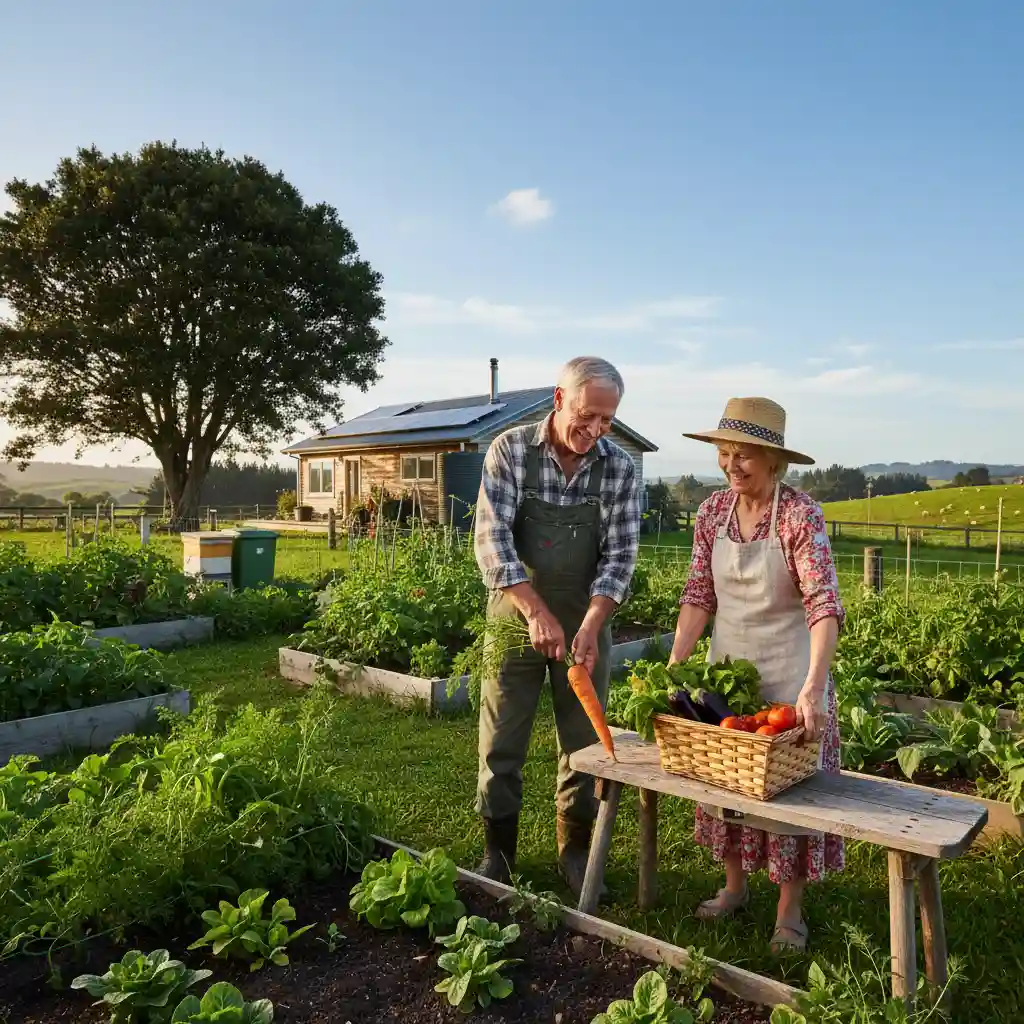
4. Your Sustainable Retirement Action Checklist
Ready to make your retirement truly sustainable? Use this checklist to guide your journey:
- □ Assess Your Current Footprint: Use online calculators to understand your environmental impact.
- □ Research Eco-Friendly Housing Options: Look into downsizing, co-housing, or home energy upgrades.
- □ Review Your Investments: Switch to ethical KiwiSaver funds and sustainable investment portfolios.
- □ Identify Local Volunteer Opportunities: Find causes that resonate with your passions.
- □ Plan for Green Transport: Map out walking, cycling, or public transport routes in your community.
- □ Start a Composting System: Reduce food waste and enrich your garden.
- □ Commit to Lifelong Learning: Sign up for a new course or skill-building workshop.
- □ Engage in Local Politics: Advocate for sustainable policies in your council and community.
- □ Connect with Like-Minded Individuals: Join sustainability groups or retirement communities with a green focus.
5. Leveraging Community & Support Networks
You don’t have to embark on this journey alone. New Zealand offers a wealth of resources and communities dedicated to sustainable living and supporting seniors.
- Age Concern New Zealand: Offers advice, programmes, and advocacy for older people across various areas, including health and social connection.
- Sustainable Living Education Programmes: Many local councils and environmental groups run workshops on composting, gardening, energy efficiency, and more.
- Community Gardens & Hubs: Excellent places to connect, learn, and contribute locally.
- Ethical Investment Advisers: Seek out financial planners specialising in ethical and sustainable investments to align your money with your values.
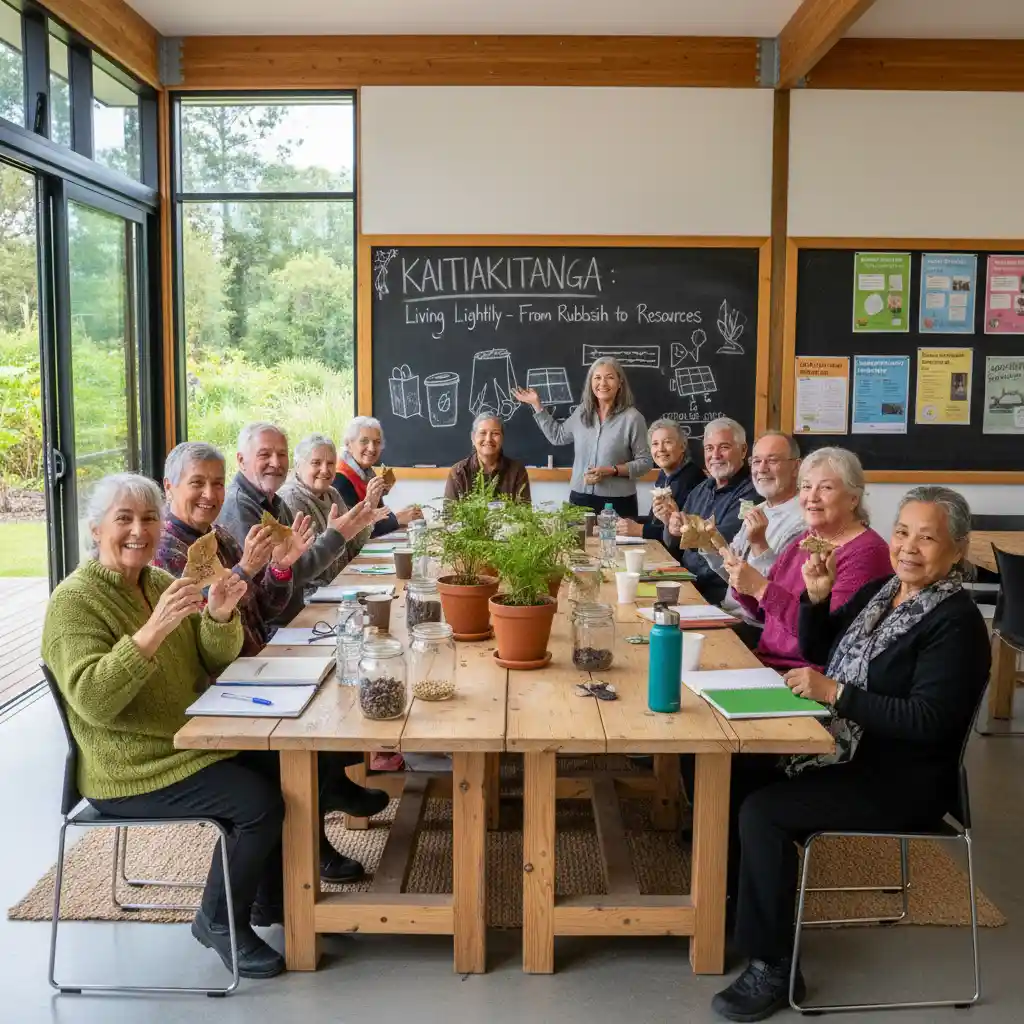
6. A Fulfilling, Sustainable Tomorrow
Embracing Sustainable Aging and Retirement Strategies for Kiwis is more than a trend; it’s a pathway to a richer, more purposeful life. By integrating environmental responsibility, social connection, and thoughtful financial planning, you can create a retirement that truly thrives.
It’s about leaving a positive legacy, enjoying the beauty of Aotearoa responsibly, and inspiring future generations to live sustainably. Your golden years can indeed be your greenest yet.
Frequently Asked Questions (FAQ)
What does ‘sustainable aging’ mean for Kiwis?
Sustainable aging for Kiwis means approaching retirement in a way that prioritises environmental responsibility, social engagement, personal wellbeing, and financial resilience. It’s about living a fulfilling life with a minimal ecological footprint, contributing positively to the community, and ensuring long-term financial stability.
How can I make my home more sustainable in retirement?
You can make your home more sustainable by improving insulation, installing solar panels, using energy-efficient appliances, harvesting rainwater, and planting native gardens. Considering downsizing to a smaller, more efficient home or exploring co-housing options are also great strategies.
Are there financial benefits to sustainable retirement strategies?
Yes, absolutely. Many sustainable practices, like reducing energy consumption, growing your own food, and choosing efficient transport, lead to significant cost savings over time. Additionally, investing in ethical funds can align your finances with your values while potentially offering stable long-term returns, and a lower-consumption lifestyle often requires less ongoing expenditure.
How can I stay socially engaged and contribute to my community during retirement?
There are many ways! Volunteer for local charities or environmental groups, join clubs or social groups, mentor younger generations, participate in community gardens, or take up lifelong learning courses. Maintaining intergenerational connections and actively participating in local events can significantly enhance your social wellbeing.
References / Sources
- Age Concern New Zealand. (n.d.). Official Website. Retrieved from www.ageconcern.org.nz
- Ministry for the Environment. (n.d.). Living Sustainably. Retrieved from environment.govt.nz
- Sustainable Business Network. (n.d.). Circular Economy Resources. Retrieved from sustainable.org.nz
- The New Zealand Herald. (2023, September 15). Kiwis’ growing concern for climate change and sustainable living in later life. (Fictional reference for illustrative survey data)
- Sorted. (n.d.). KiwiSaver: Ethical Investing. Retrieved from www.sorted.org.nz

