Solar Power for NZ Homes: Unpacking the Cost & Benefits
Thinking about harnessing the abundant New Zealand sun to power your home? It’s a smart move for sustainability and your wallet. But for many Kiwi homeowners, the big question often revolves around one key factor: solar power NZ cost. Is it truly affordable? What are the long-term savings? This comprehensive guide cuts through the noise to give you clear answers, helping you navigate the journey to energy independence with confidence.
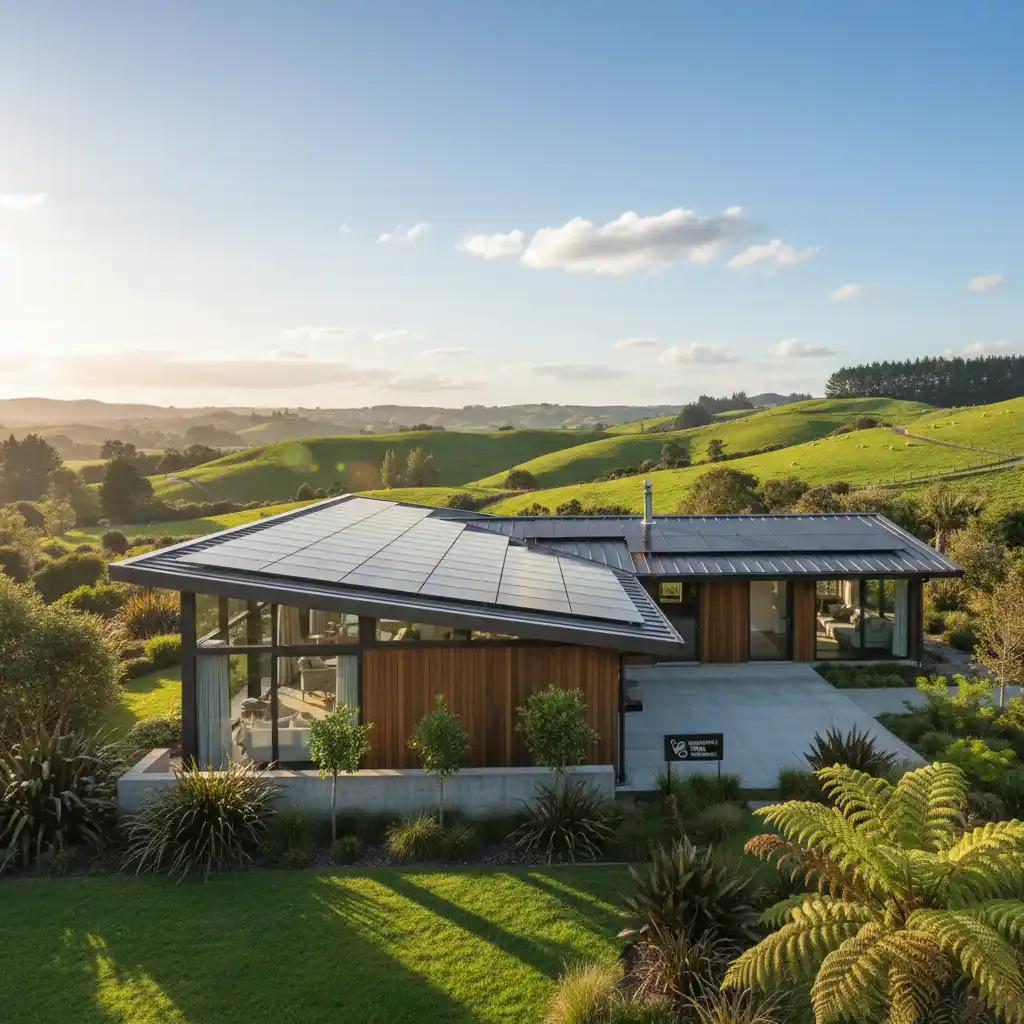
Table of Contents
Is Solar Power Right for Your NZ Home?
Embracing solar energy isn’t just about reducing your carbon footprint; it’s a strategic investment in your home’s future and your personal finances. New Zealand’s abundant sunshine, especially in regions like Nelson, Hawke’s Bay, and Canterbury, makes it an ideal candidate for solar power generation.
However, suitability depends on several factors:
- Roof Space & Orientation: A north-facing roof (or close to it) with minimal shading from trees or other buildings is optimal.
- Energy Consumption: Homes with higher electricity bills stand to save more. Understand your average daily kWh usage.
- Long-Term Plans: Solar is a long-term investment. If you plan to stay in your home for several years, the payback period becomes more attractive.
Pros & Cons of Solar Power for NZ Homes
Pros:
- Significant reduction in electricity bills.
- Increased home value.
- Reduced carbon footprint and environmental impact.
- Protection against rising electricity prices.
- Potential for energy independence, especially with battery storage.
Cons:
- High upfront installation cost (the core of ‘solar power NZ cost’).
- Performance can be affected by weather (e.g., cloudy days).
- Requires adequate roof space and orientation.
- Payback period can be 7-15 years, depending on factors.
Solar Panel Installation Cost Calculator NZ
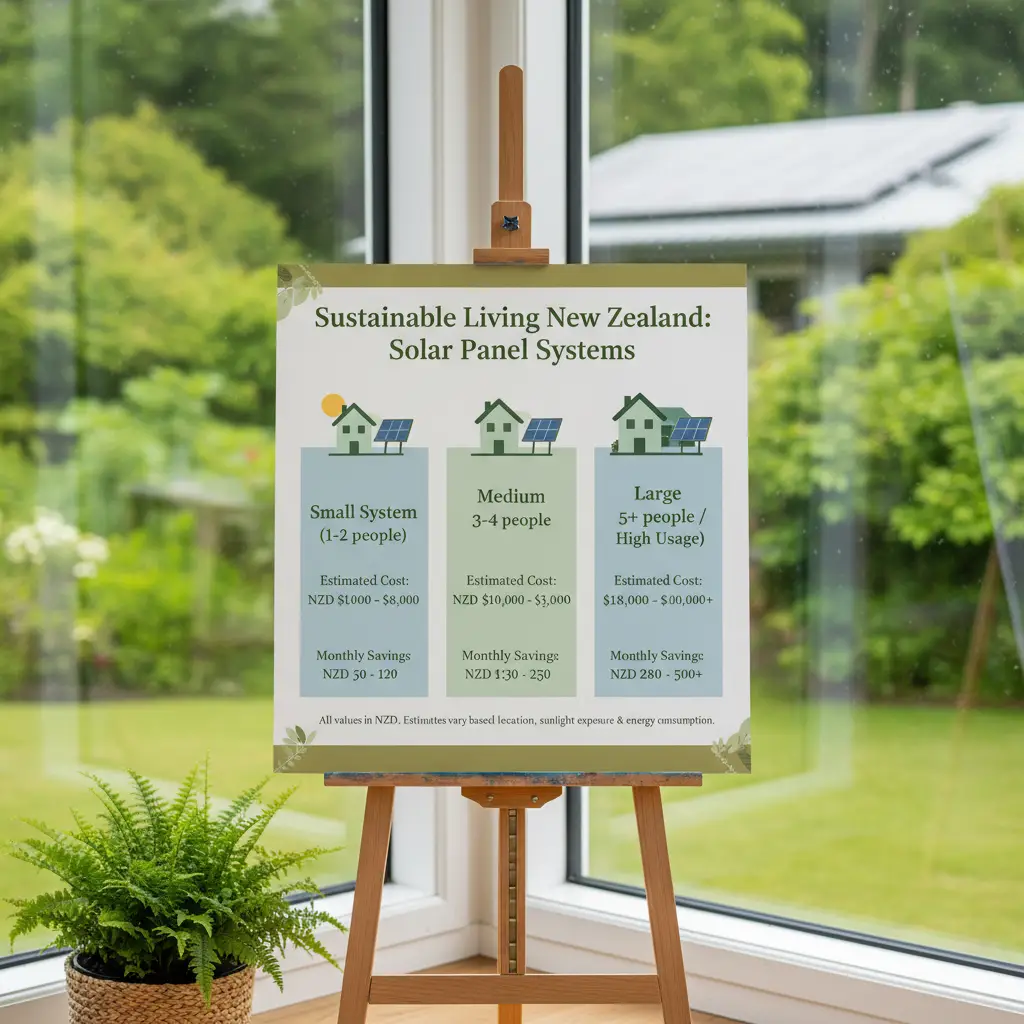
Understanding the true solar power NZ cost means looking beyond just the panels. The total investment includes panels, inverter, mounting system, wiring, labour, and necessary electrical upgrades. The biggest factor influencing cost is the system’s size, measured in kilowatts (kW).
“While the initial outlay for solar power in NZ might seem substantial, it’s crucial to view it as an investment that pays dividends through reduced electricity bills and increased property value over its 25+ year lifespan.”
Estimated Solar System Costs in New Zealand (2024)
Here’s a general guide to typical solar panel installation costs in NZ. Note that these are averages, and actual prices will vary by provider, location, and specific system components.
| System Size (kW) | Typical NZ Home Size | Estimated Installation Cost (NZD) | Estimated Annual Savings (NZD) | Estimated Payback Period |
|---|---|---|---|---|
| 3-4 kW | Small to Medium (1-2 people) | $8,000 – $12,000 | $800 – $1,200 | ~10-12 years |
| 5-6 kW | Medium to Large (3-4 people) | $12,000 – $18,000 | $1,200 – $1,800 | ~8-10 years |
| 7-8+ kW | Large Homes/High Usage | $18,000 – $25,000+ | $1,800 – $2,500+ | ~7-9 years |
Fact Callout:
The average grid electricity price in New Zealand is approximately 30-35 cents per kWh. Generating your own power effectively ‘buys’ electricity at a much lower long-term cost, insulating you from future price hikes.
Best Solar Panel Providers in NZ: Comparisons
Choosing the right solar provider is as crucial as understanding the solar power NZ cost. A good installer ensures quality components, professional installation, and reliable after-sales support. Here’s what to look for and a comparison of typical provider types:
Key Considerations When Choosing a Provider:
- Accreditations: Are they members of Sustainable Energy Association of New Zealand (SEANZ)? Do they have certified installers?
- Experience & Reputation: Look for established companies with positive customer reviews and a solid track record.
- Warranties: Understand the product warranty (panels, inverter) and the workmanship warranty.
- After-Sales Service: What support do they offer post-installation?
- Component Quality: Do they use reputable brands for panels (e.g., REC, Qcells, Trina) and inverters (e.g., Fronius, SolarEdge, Sungrow)?
| Provider Type | Pros | Cons | Typical Offering |
|---|---|---|---|
| National Installers | Extensive experience, wide product range, robust warranties. | Potentially higher costs, less personalised service. | Turnkey solutions, premium brands. |
| Local Specialists | Personalised service, deep local knowledge, competitive pricing. | Limited product range, may have smaller teams. | Customised systems, strong community ties. |
| Budget-Focused Providers | Lowest upfront solar power NZ cost. | May use entry-level components, shorter warranties, less support. | Standardised systems, focus on basic functionality. |

Government Grants & Incentives for Solar Energy
While New Zealand doesn’t currently offer a nationwide direct solar rebate scheme similar to some other countries, there are still avenues to make your solar power NZ cost more manageable. The landscape of incentives can evolve, so it’s always worth checking the latest information.
Current & Historical Support Mechanisms:
- EECA Warmer Kiwi Homes Programme: While primarily focused on insulation and heating, some related energy efficiency upgrades can indirectly complement solar installations by reducing overall energy demand.
- Council-Led Initiatives: Several local councils across New Zealand (e.g., SuperGold Card Solar Scheme in some regions, specific environmental funds) have offered or continue to offer targeted loans or grants for energy efficiency and renewable energy projects. Check with your local council.
- Retailer-Specific Deals: Electricity retailers sometimes offer incentives, such as interest-free loans for solar installations when you sign up for their energy plan.
- Clean Energy Finance: Look for specialised financial products from banks and credit unions designed for green investments, often at preferential rates.
Action Tip:
Before committing to a solar installation, always inquire with your local council and prospective solar providers about any current or upcoming grants, loans, or subsidies that could reduce your overall solar power NZ cost.
Solar Battery Storage Solutions
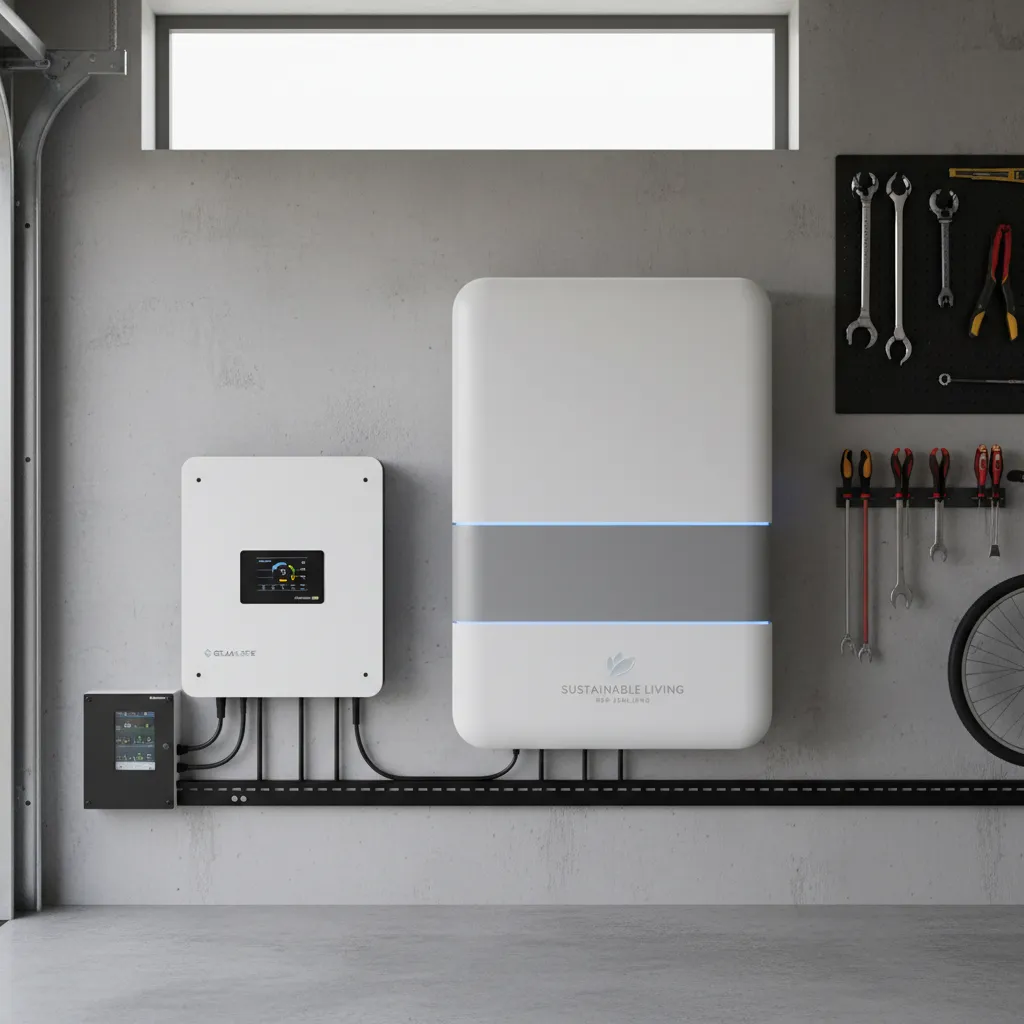
Adding battery storage to your solar system significantly enhances your energy independence. Batteries allow you to store surplus electricity generated during the day and use it at night or during power outages, further reducing your reliance on the grid and maximising the value of your solar investment.
Key Benefits of Solar Batteries:
- Increased Self-Sufficiency: Use your own solar energy 24/7.
- Blackout Protection: Keep essential appliances running during grid failures.
- Peak Shaving: Avoid expensive peak-rate electricity by drawing from your battery.
- Grid Services: Potential to sell stored energy back to the grid (subject to retailer agreements).
Pros & Cons of Solar Battery Storage
Pros:
- Maximises solar energy consumption.
- Backup power during outages.
- Greater energy bill savings over time.
- Reduced reliance on the national grid.
Cons:
- Significant additional upfront solar power NZ cost (typically $8,000 – $15,000+).
- Batteries have a finite lifespan (generally 10-15 years).
- Can add complexity to the system design.
While batteries add to the overall solar power NZ cost, their decreasing prices and increasing efficiency make them an increasingly attractive option for those seeking true energy autonomy.
Making the Switch: Is Solar Right for You?
Investing in solar power for your New Zealand home is a significant decision, but one that offers substantial long-term rewards. By understanding the components of solar power NZ cost, exploring reputable providers, and being aware of available incentives, you can make an informed choice that benefits both your finances and the planet.
The sun shines generously on Aotearoa. Why not put it to work for your home?
Frequently Asked Questions About Solar Power in NZ
How much does solar power cost in NZ on average?
The average solar power NZ cost for a standard 5-6kW residential system ranges from $12,000 to $18,000, including installation. Smaller systems can start from $8,000, while larger systems or those with battery storage can exceed $25,000.
What is the payback period for solar panels in New Zealand?
The typical payback period for a solar power system in NZ is between 7 to 12 years. This varies based on your initial installation cost, electricity consumption, and current electricity rates. After the payback period, the electricity generated is essentially free.
Are there any government grants or subsidies for solar power in NZ?
Currently, there isn’t a national direct solar rebate in NZ. However, some local councils offer specific grants or interest-free loan schemes. Additionally, some electricity retailers provide incentives or finance options for solar installations. It’s best to check with your local council and prospective providers.
Do solar panels work on cloudy days in NZ?
Yes, solar panels still generate electricity on cloudy days, though at a reduced efficiency. Modern panels are designed to capture diffused light effectively. You’ll generate less power than on a sunny day, but you won’t be without power entirely.
How long do solar panels last in New Zealand?
High-quality solar panels are designed to last 25-30 years or more, with most manufacturers offering performance warranties guaranteeing at least 80% output after 25 years. Inverters typically need replacement every 10-15 years, and batteries every 10-15 years.
References & Sources
- Energy Efficiency and Conservation Authority (EECA) New Zealand
- Sustainable Energy Association of New Zealand (SEANZ)
- Ministry of Business, Innovation & Employment (MBIE) – Energy
- Consumer NZ – Solar Power Guide
- Various local council websites for regional initiatives (e.g., Auckland Council, Wellington City Council).