Solar Energy’s Role in Cutting Carbon Footprint Efficiently
In the journey towards a more sustainable New Zealand, understanding and reducing our carbon footprint is paramount. Solar energy stands out as a powerful, readily available solution, offering a direct and efficient pathway to mitigate climate change impacts. But how exactly does harnessing the sun’s power translate into a significant cut in our collective carbon emissions?
Table of Contents
- 1. The Urgency of Carbon Reduction: Why It Matters Now
- 2. How Solar Energy Transforms Our Energy Landscape
- 3. Quantifying the Impact: Solar Stats That Speak Volumes
- 4. Beyond the Grid: Decentralized Power and Resilience
- 5. Solar Energy in New Zealand: A Bright Future
- 6. Making the Switch: Empowering Your Sustainable Journey
- 7. FAQs about Solar Energy and Carbon Reduction
- 8. References
1. The Urgency of Carbon Reduction: Why It Matters Now
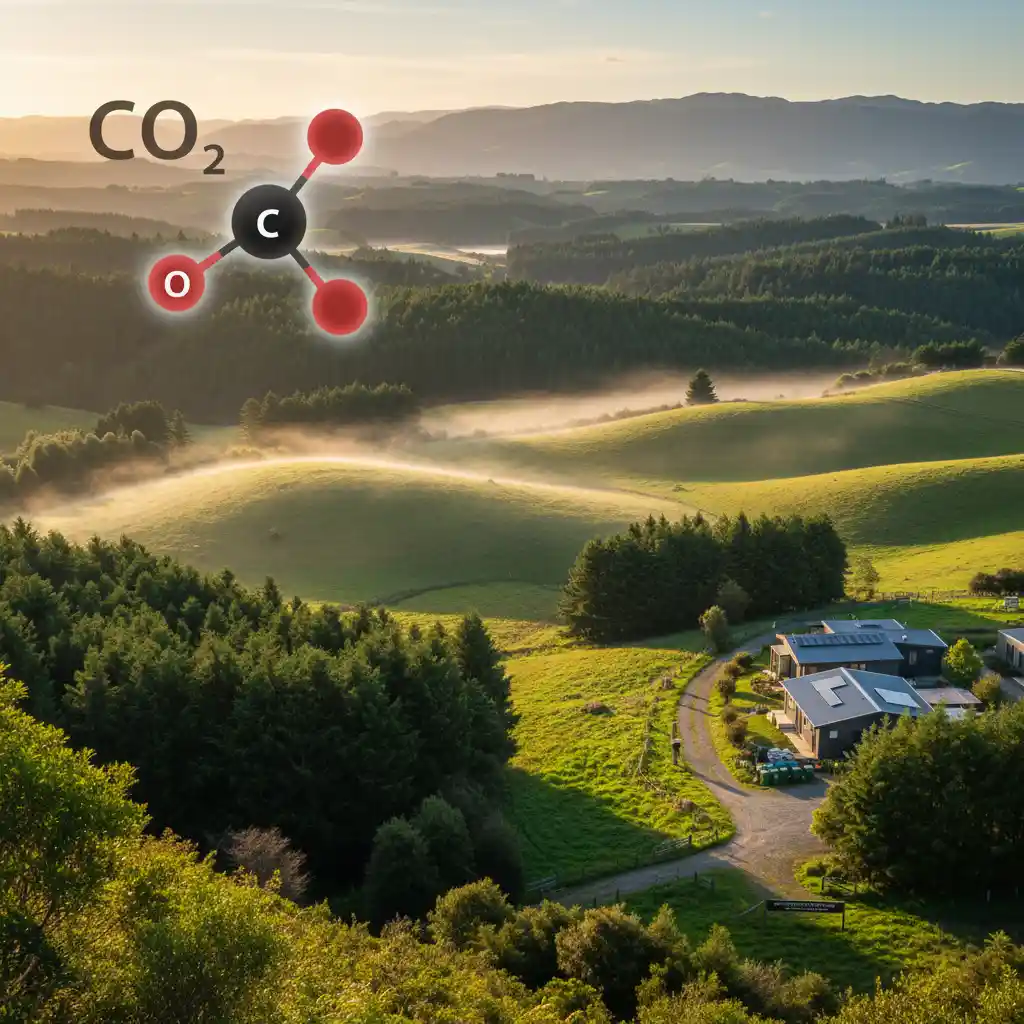
Our planet is facing unprecedented environmental challenges, largely driven by increasing atmospheric concentrations of greenhouse gases. A significant portion of these emissions stems from the combustion of fossil fuels for energy generation. This process releases carbon dioxide (CO2) and other potent gases, trapping heat and leading to global warming and climate change.
Reducing our carbon footprint isn’t just an environmental buzzword; it’s a critical imperative for preserving biodiversity, safeguarding human health, and ensuring a stable future for generations to come. Every kilowatt-hour of electricity generated from fossil fuels contributes to this problem. This is where the profound impact of solar energy’s role in cutting carbon footprint efficiently becomes incredibly clear.
2. How Solar Energy Transforms Our Energy Landscape
At its core, solar energy provides a clean, renewable alternative to traditional fossil-fuel-based electricity. Unlike coal, oil, or natural gas, generating power from the sun emits virtually no greenhouse gases during operation. This fundamental difference is key to solar energy’s role in cutting carbon footprint efficiently.
The Photovoltaic Process: Clean Power in Action
Solar panels, or photovoltaic (PV) cells, convert sunlight directly into electricity. This process involves no combustion, no moving parts that release emissions, and no hazardous waste byproducts. Once manufactured and installed, a solar power system silently and cleanly produces energy for decades.
“Transitioning to solar power is one of the most impactful personal and collective actions we can take to decarbonize our energy supply and directly combat climate change.”
Displacing Dirty Energy
Each unit of electricity generated by solar power directly reduces the demand for electricity from the grid, much of which still relies on fossil fuels. This displacement is crucial. The more solar energy integrated into our homes and national grids, the less we depend on carbon-intensive power plants, leading to a measurable reduction in overall carbon emissions.

3. Quantifying the Impact: Solar Stats That Speak Volumes
The efficacy of solar power in reducing carbon emissions isn’t just theoretical; it’s backed by robust data. These figures highlight solar energy’s role in cutting carbon footprint efficiently on a global and individual scale.
Stat Callout: Significant Emissions Reduction
A typical residential solar system can prevent 3 to 4 tons of carbon emissions annually. This is equivalent to planting around 100 trees each year!
(Source: EPA estimates, generalized for household systems)
Stat Callout: Global Impact
Globally, solar PV deployment avoided an estimated 489 million tonnes of CO2 emissions in 2020, a number projected to grow exponentially as capacity expands.
(Source: IRENA, 2021)
Over its lifespan of 25-30 years, a single solar panel can offset well over its manufacturing footprint, delivering net carbon savings that are critical for our climate goals. The upfront energy cost of manufacturing solar panels is recouped in emissions savings within 1-3 years of operation, making them a net positive for the environment over their long service life.
4. Beyond the Grid: Decentralized Power and Resilience
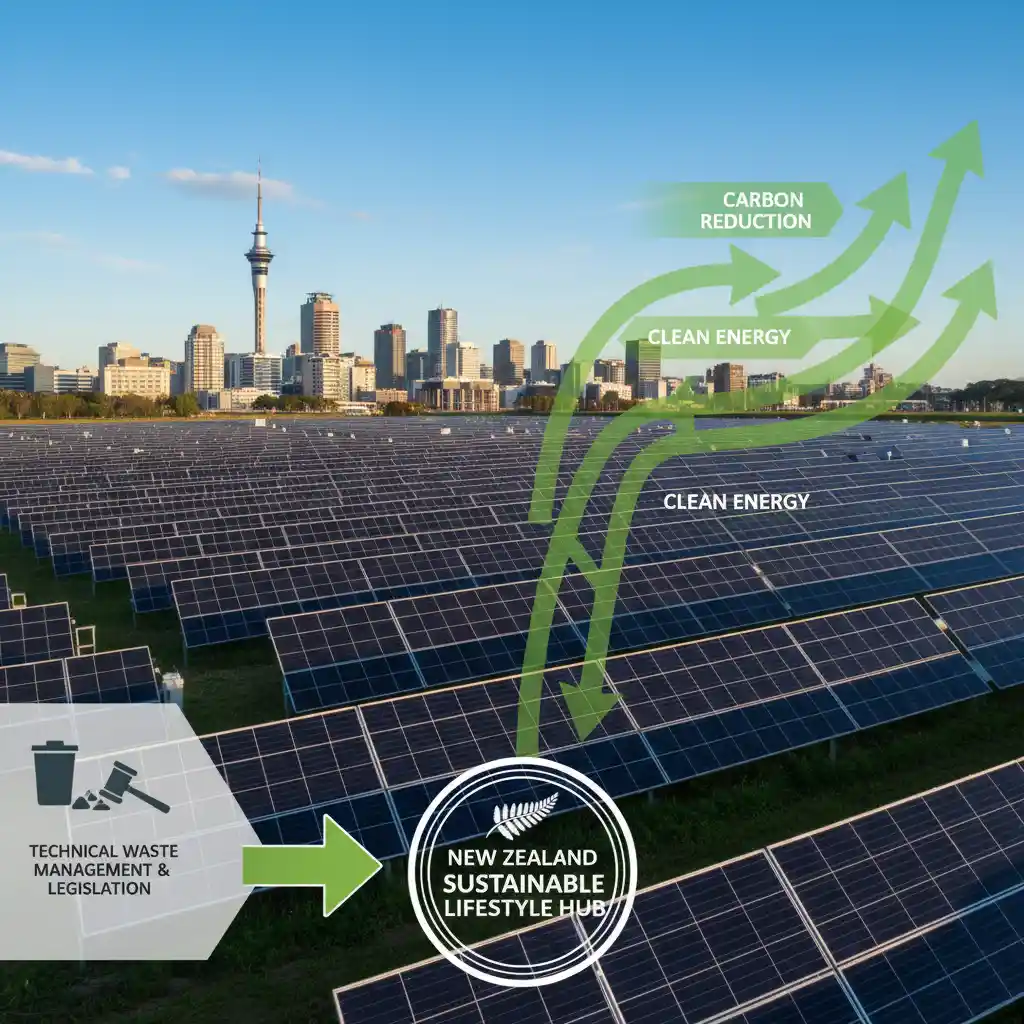
While grid-tied solar systems primarily focus on reducing grid demand, standalone and battery-backed solar solutions offer additional advantages. They foster energy independence and resilience, reducing reliance on centralized power plants that might be vulnerable to outages or rely on less sustainable energy mixes.
Enhancing Energy Security
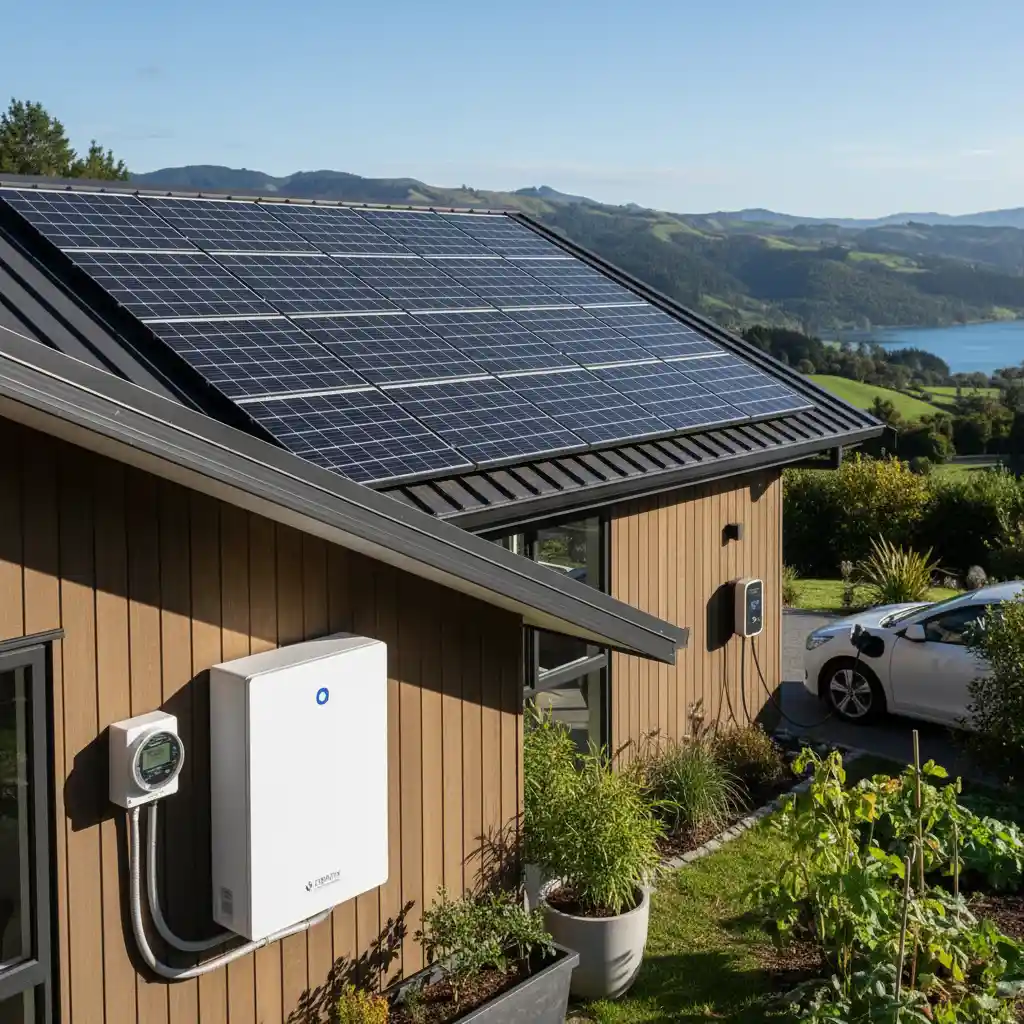
For homes and businesses, especially in remote areas of New Zealand, solar combined with battery storage provides a robust solution. This not only minimizes their grid-related carbon footprint but also ensures a stable, reliable power supply, even during peak demand or grid disruptions. This decentralization of power generation is a key component of a truly sustainable energy future.
5. Solar Energy in New Zealand: A Bright Future
New Zealand is uniquely positioned to embrace solar energy. Blessed with good sunshine hours and a strong commitment to environmental stewardship, the adoption of solar is growing steadily. While much of NZ’s grid is already renewable (hydro, geothermal, wind), integrating more distributed solar energy further diversifies our clean energy mix, reduces strain on existing infrastructure, and empowers individual consumers to take an active role in solar energy’s role in cutting carbon footprint efficiently.
Government Initiatives and Support
Various government initiatives and local council incentives are making solar more accessible for homeowners and businesses across Aotearoa. These programs often include subsidies, grants, or favorable financing options, making the transition not just environmentally sound but also economically attractive.
Did You Know?
New Zealand aims for 100% renewable electricity generation by 2030, and solar power will play an increasingly vital role in achieving this ambitious target.
(Source: NZ Government Energy Strategy)
6. Making the Switch: Empowering Your Sustainable Journey
Embracing solar energy is more accessible than ever before. Whether you’re a homeowner looking to reduce your electricity bills and carbon footprint, or a business aiming for greener operations, the steps toward adopting solar are becoming streamlined. Consulting with local solar providers in New Zealand can provide tailored solutions for your specific energy needs and goals.
By choosing solar, you’re not just investing in clean energy; you’re making a tangible statement about your commitment to a sustainable future, directly contributing to solar energy’s role in cutting carbon footprint efficiently, and inspiring others to follow suit.
7. FAQs about Solar Energy and Carbon Reduction
Is the manufacturing of solar panels carbon-neutral?
While the manufacturing process for solar panels does involve energy consumption and associated emissions, significant advancements have been made to reduce this footprint. Crucially, studies show that a solar panel typically offsets the emissions from its manufacturing within 1-3 years of operation, continuing to provide clean, carbon-free energy for 25-30 years thereafter, resulting in a substantial net carbon saving over its lifetime.
How much carbon can a typical residential solar system save?
A typical residential solar system can prevent approximately 3 to 4 tons of carbon emissions from entering the atmosphere annually. This amount can vary based on system size, local sunshine levels, and the carbon intensity of the grid electricity it displaces.
Does solar energy work well in New Zealand with its variable weather?
Yes, New Zealand generally receives good solar irradiation. While cloudy days reduce output, modern solar panels are efficient even in diffused light. Coupled with smart inverters and optional battery storage, solar systems in NZ are highly effective at providing consistent clean energy.
What happens to solar panels at the end of their life?
Solar panel recycling infrastructure is rapidly developing globally, including in New Zealand. Panels are largely recyclable, with materials like glass, aluminum, and silicon being recovered. Efforts are underway to ensure a circular economy for solar technology.
8. References
- International Renewable Energy Agency (IRENA). (2021). Renewable Power Generation Costs in 2020.
- U.S. Environmental Protection Agency (EPA). Greenhouse Gas Equivalencies Calculator. (Accessed for general emissions estimates).
- New Zealand Government. Ministry of Business, Innovation & Employment (MBIE). Energy Strategy & Policy. (Accessed for NZ energy targets).
- Solar Energy Industries Association (SEIA). Solar Industry Research Data.