Smart Water Conservation Tips for a Sustainable New Zealand
New Zealand, with its pristine landscapes and abundant rainfall, might seem like a country where water is limitless. However, the reality tells a different story. Growing populations, agricultural demands, and the increasing impacts of climate change mean that smart water conservation is no longer just a good idea – it’s a necessity for a truly sustainable Aotearoa. This article will equip you with practical, actionable tips to significantly reduce your household water footprint.
Transitioning from traditional resource management to a broader sustainable lifestyle, we believe that empowering individuals with knowledge is key. Let’s dive into how every New Zealander can contribute to preserving our precious water resources.
Table of Contents
The New Zealand Water Challenge: Why Conservation Matters
Despite its ‘wet’ reputation, many regions in New Zealand face seasonal water restrictions and increasing pressure on freshwater resources. Factors such as climate change, which brings more frequent droughts in some areas and intense rainfall in others, combined with agricultural and urban expansion, are straining our water supply. Embracing smart water conservation tips isn’t just about saving money; it’s about safeguarding our environment, supporting biodiversity, and ensuring water security for future generations.
“Water is life. Its conservation is vital for the health of our ecosystems and the prosperity of our communities across Aotearoa.” – A key principle for sustainable living in New Zealand.
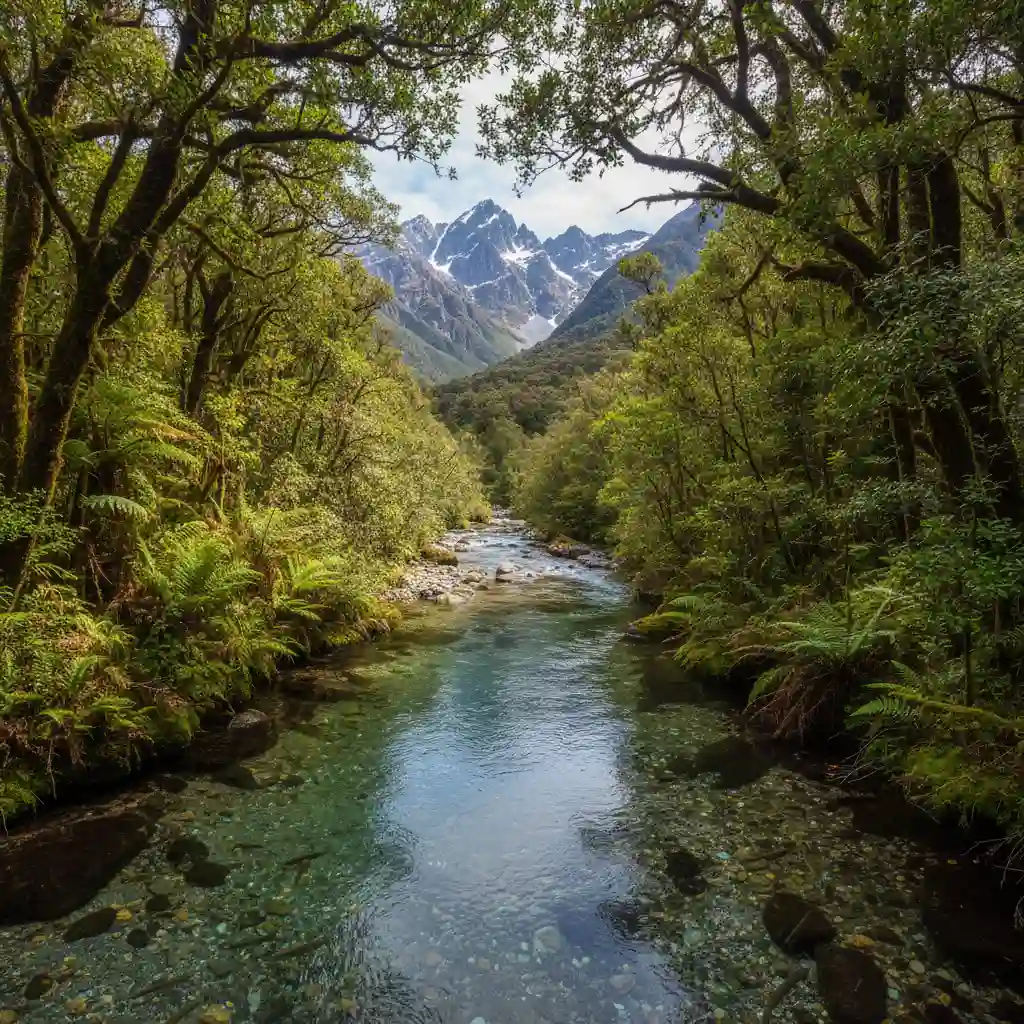
Stat Callout: Did you know that the average New Zealander uses approximately 200-250 litres of water per day at home? A significant portion of this can often be reduced through simple, smart practices. Imagine the collective impact if every household adopted effective water-saving strategies!
Indoors: Smart Water Saving Starts at Home
The bathroom and kitchen are often the biggest water guzzlers in any home. Implementing a few key changes can lead to substantial savings on your water bill and a reduced environmental footprint.
1. Identify and Fix Leaks Promptly
Even a small drip can waste thousands of litres over a year. Check taps, toilets, and pipes regularly. A simple way to check for a toilet leak is to put a few drops of food colouring in the cistern; if the colour appears in the bowl without flushing, you have a leak.
- Auditory Check: Listen for dripping sounds.
- Visual Check: Look for puddles or damp spots under pipes.
- Meter Reading: Turn off all water in your home and check your water meter. If it’s still ticking, there’s a leak somewhere.
2. Upgrade to Water-Efficient Appliances
When it’s time to replace appliances, look for those with a high Water Efficiency Labelling and Rating (WELS) scheme rating. This includes washing machines, dishwashers, and even showerheads and toilets. Low-flow showerheads, for instance, can significantly cut down water usage without compromising pressure.

3. Cultivate Conscious Water Habits
Small behavioural changes add up. Turn off the tap while brushing your teeth, shaving, or scrubbing dishes. Take shorter showers. Only run your dishwasher and washing machine when they are full. Defrost food in the refrigerator overnight instead of under running water.
- Shower Timers: Aim for 4-minute showers.
- Kitchen Efficiency: Use a basin to wash vegetables instead of running water.
- Toilet Flush: Use the half-flush option for liquid waste.
Outdoors: Eco-Friendly Landscaping and Garden Care
Gardens can be beautiful without being water hogs. Smart outdoor practices are crucial for water conservation in a sustainable New Zealand, especially during drier months.
1. Embrace Rainwater Harvesting
Install a rainwater tank to capture water from your roof for garden irrigation, car washing, or even toilet flushing. This reduces your reliance on mains water and can significantly decrease your water bill.

2. Choose Native and Drought-Tolerant Plants
Landscape with plants that are native to New Zealand or are known for their low water requirements. Once established, these plants thrive on natural rainfall, reducing the need for supplementary watering. They also support local biodiversity.
“Water-wise gardening isn’t about sacrificing beauty; it’s about intelligent design that respects our natural resources and celebrates New Zealand’s unique flora.”
3. Implement Smart Irrigation Techniques
Water your garden in the early morning or late evening to minimise evaporation. Use mulch around plants to retain soil moisture. Consider drip irrigation systems which deliver water directly to the plant roots, greatly reducing waste compared to sprinklers.
- Deep Watering: Water deeply but infrequently to encourage strong root growth.
- Mulch Power: A layer of organic mulch (compost, bark chips) can reduce evaporation by up to 70%.
- Irrigation Systems: Install smart timers or drip irrigation for targeted watering.

Beyond the Faucet: Community and Policy
While individual actions are powerful, larger systemic changes also contribute significantly to water conservation in New Zealand. Support local initiatives, advocate for sustainable urban planning, and stay informed about regional water policies. Many local councils offer resources and incentives for water-saving measures, such as subsidies for rainwater tanks or rebates for WELS-rated appliances.
Stat Callout: Investing in community water infrastructure upgrades can reduce water loss from leaky pipes by up to 30%, highlighting the importance of collective effort alongside individual responsibility.
Your Smart Water Conservation Action Checklist
Ready to make a difference? Here’s a quick checklist to kickstart your journey towards a more water-wise home:
- ✓ Check for Leaks: Perform a thorough leak inspection on all taps, toilets, and pipes.
- ✓ Shorten Showers: Aim for 4-minute showers and consider a shower timer.
- ✓ Full Loads Only: Only run washing machines and dishwashers when completely full.
- ✓ Turn Off Taps: Don’t let water run while brushing teeth or washing dishes.
- ✓ Consider Upgrades: Research WELS-rated showerheads and appliances for future purchases.
- ✓ Install Rainwater Tank: Explore options for collecting rainwater for garden use.
- ✓ Mulch Your Garden: Apply a thick layer of mulch to retain soil moisture.
- ✓ Plant Natives: Incorporate New Zealand native and drought-tolerant plants into your landscaping.
- ✓ Water Wisely: Water plants in the early morning or late evening.
- ✓ Stay Informed: Learn about local water restrictions and conservation programs.
Frequently Asked Questions (FAQ)
Q: How much water does the average New Zealander use daily?
A: The average New Zealander uses approximately 200-250 litres of water per day at home. This figure can vary by region and household habits, but conscious conservation efforts can significantly reduce it.
Q: What is the WELS scheme?
A: The Water Efficiency Labelling and Rating (WELS) scheme is an Australian and New Zealand standard that helps consumers choose water-efficient products. Products are rated with a star rating (more stars mean more efficient) and a water consumption figure.
Q: Can rainwater harvesting really save a lot of water?
A: Yes, rainwater harvesting can significantly reduce your reliance on mains water for non-potable uses like gardening and car washing. In some areas, captured rainwater can even be treated for indoor uses like toilet flushing or laundry, leading to substantial savings.
Q: Are there local government incentives for water conservation in New Zealand?
A: Many local councils across New Zealand offer various incentives, subsidies, or advice for water conservation. These can include rebates for rainwater tanks, greywater systems, or high WELS-rated appliances. It’s best to check your local council’s website for specific programs in your area.
Q: How do I check for a toilet leak?
A: To check for a toilet leak, remove the lid of the toilet tank and add a few drops of food colouring to the water. Do not flush. Wait about 15-20 minutes. If you see any of the coloured water appear in the toilet bowl, you have a leak that needs repairing.
References and Sources
- Ministry for the Environment. (2023). Our fresh water 2023. Retrieved from environment.govt.nz/facts-and-science/freshwater/
- Water Efficiency Labelling and Rating (WELS) Scheme. (n.d.). About WELS. Retrieved from waterrating.gov.au/about/what-is-wels
- National Institute of Water and Atmospheric Research (NIWA). (2022). Water resources in New Zealand. Retrieved from niwa.co.nz/freshwater/water-resources
- Local Government New Zealand. (2023). Council initiatives for water conservation. (General reference, specific initiatives vary by council). Retrieved from lgnz.co.nz
- Sustainable Coastlines. (2021). Practical tips for a water-wise home. Retrieved from sustainablecoastlines.org/resources/