Set Measurable Sustainability Goals for Lasting Impact
Embarking on a sustainable lifestyle is a powerful commitment, but for that commitment to truly flourish and create lasting change, it requires more than good intentions. It demands clarity, direction, and accountability. This is where the art and science of setting measurable sustainability goals come into play.
In New Zealand, with our deep connection to Papatūānuku (Earth Mother), understanding how to effectively set measurable sustainability goals for lasting impact is not just beneficial—it’s essential. This guide will equip you with the knowledge and tools to transform your eco-aspirations into tangible, impactful achievements.
Table of Contents
- Introduction: Your Journey to a Sustainable Future
- What Are Measurable Sustainability Goals?
- Why Is Setting Measurable Goals Crucial for Sustainability?
- The SMART Framework for Sustainability Goals
- Key Areas for Sustainable Goals in a New Zealand Context
- Overcoming Challenges in Setting and Achieving Goals
- Measuring Progress and Adapting Your Strategy
- Your Action Checklist for Impact
- Conclusion: Empowering Your Sustainable Journey
- Frequently Asked Questions
- References & Sources
What Are Measurable Sustainability Goals?
At its core, a measurable sustainability goal is a clear, quantifiable objective designed to reduce environmental impact, enhance social equity, or improve economic viability in a way that can be tracked and evaluated. Unlike vague aspirations like “be more green,” a measurable goal provides a benchmark for success.
For instance, instead of saying “I want to reduce my waste,” a measurable goal might be: “I will reduce my household waste by 30% (by weight) over the next six months by composting food scraps and avoiding single-use plastics.” This specificity makes all the difference.

Why Is Setting Measurable Goals Crucial for Sustainability?
Setting clear, quantifiable goals is not just a best practice in business; it’s a cornerstone for genuine environmental stewardship. Without measurement, it’s difficult to ascertain if efforts are truly making a difference. Here’s why it’s crucial:
- Clarity and Direction: Measurable goals provide a clear roadmap, guiding your actions and decisions towards specific outcomes.
- Accountability: They hold individuals and organisations accountable for their environmental promises, fostering a culture of responsibility.
- Motivation and Progress Tracking: Seeing tangible progress towards a goal is incredibly motivating. It allows you to celebrate successes and identify areas needing improvement.
- Resource Optimisation: By understanding what works and what doesn’t, you can better allocate your time, money, and energy for maximum sustainable impact.
Stat Callout: A 2022 survey by Stats NZ indicated that over 80% of New Zealanders are concerned about climate change and its impacts, highlighting a strong public desire for effective environmental action. Setting measurable goals empowers individuals to contribute meaningfully to this collective concern. (Source: Stats NZ Environmental Survey 2022)
The SMART Framework for Sustainability Goals
The SMART framework is a widely recognised tool for effective goal setting, and it’s perfectly suited to help you set measurable sustainability goals for lasting impact. Let’s break down how to apply it:
1. Specific: Define Your Goal Clearly
A specific goal answers the 5 W’s: What do I want to achieve? Why is it important? Who is involved? Where will it take place? Which resources or limits are involved?
- Vague: “Reduce my carbon footprint.”
- Specific: “Reduce my household’s electricity consumption by actively switching off lights and appliances, and utilising natural light more often.”
2. Measurable: Quantify Your Progress
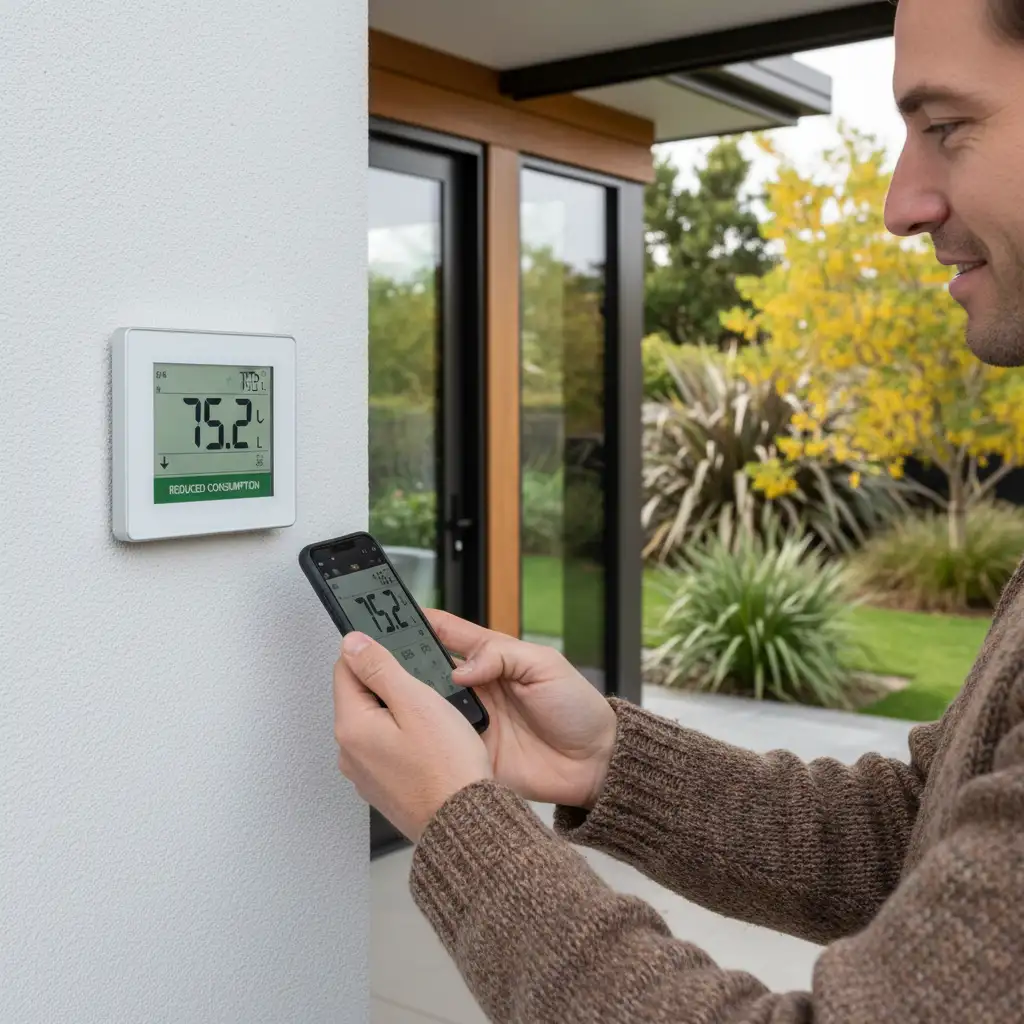
How will you know if you’re reaching your goal? Measurable goals have criteria for tracking progress and defining success. This is perhaps the most critical component for sustainability.
- Not Measurable: “Use less water.”
- Measurable: “Reduce household water usage by 15% per month, as indicated by comparing utility bills.”
3. Achievable: Make it Realistic
Is your goal something you can realistically accomplish given your resources and constraints? An achievable goal stretches you but isn’t impossible.
- Unachievable (for many): “Become completely zero-waste next month.”
- Achievable: “Transition to purchasing at least 75% of my groceries from bulk bins and farmers’ markets within the next three months, thereby reducing packaging waste.”
4. Relevant: Align with Your Values and the Broader Picture
A relevant goal connects with your overall sustainable lifestyle aspirations and contributes to a larger environmental vision. Does it truly matter to you and to the planet?
- Irrelevant: “Buy a new gas-guzzling car to save money.” (Contradicts sustainability)
- Relevant: “Explore and commit to using public transport or cycling for at least 80% of my weekly errands to reduce transport emissions.”
5. Time-bound: Set a Deadline
A time-bound goal has a target date or timeframe for completion, creating a sense of urgency and providing a finish line to work towards.
- Not Time-bound: “Start recycling more.”
- Time-bound: “Implement a comprehensive household recycling and composting system by the end of next month, ensuring all eligible waste is diverted from landfill.”
Key Areas for Sustainable Goals in a New Zealand Context
New Zealand offers unique opportunities and responsibilities for sustainable living. Here are key areas where you can set measurable sustainability goals for lasting impact:
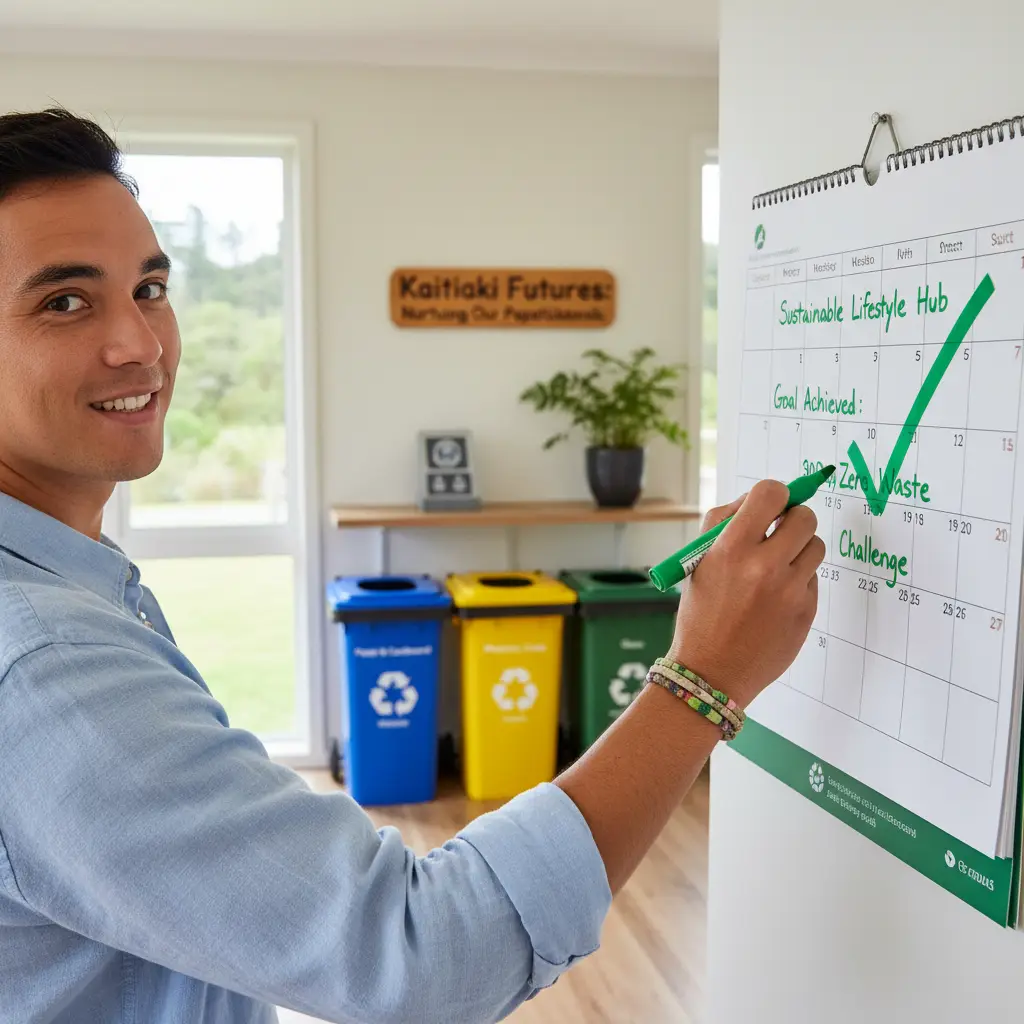
- Waste Reduction: Focus on composting, recycling, avoiding single-use items, and supporting zero-waste initiatives. Consider the specific waste streams in your local council area.
- Energy Efficiency: Reduce electricity consumption at home, invest in energy-efficient appliances, and explore renewable energy options where possible.
- Water Conservation: Implement rainwater harvesting, fix leaks, take shorter showers, and choose drought-resistant native plants for your garden.
- Sustainable Food Choices: Prioritise local, seasonal produce, reduce meat consumption, grow your own kai (food), and minimise food waste.
- Transport: Opt for walking, cycling, public transport, or carpooling to reduce emissions.
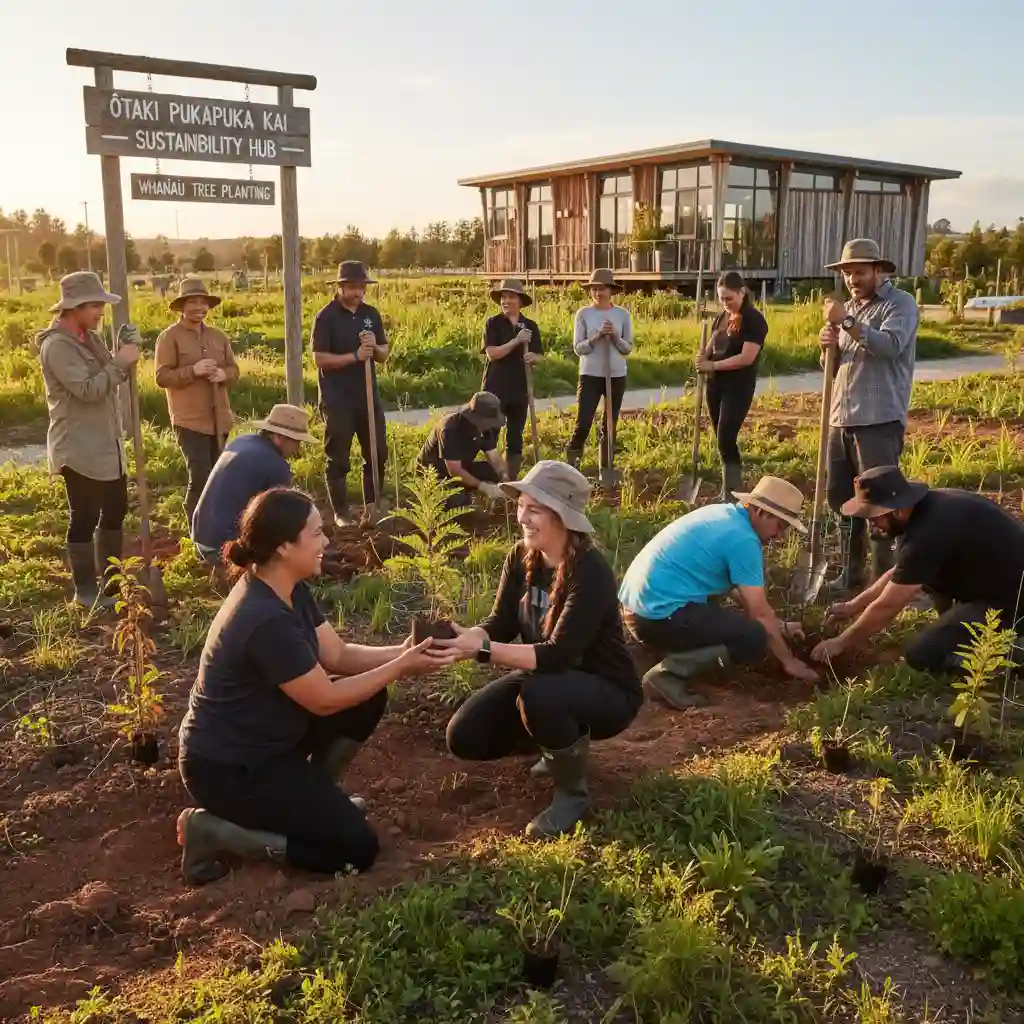
- Biodiversity & Ecosystem Protection: Plant native trees, support local conservation efforts, and avoid products harmful to New Zealand’s unique flora and fauna.
Overcoming Challenges in Setting and Achieving Goals
The path to sustainability isn’t always smooth. You might face challenges like lack of time, financial constraints, or feeling overwhelmed. Here’s how to navigate them:
- Start Small: Don’t try to change everything at once. Small, incremental goals are more manageable and build momentum.
- Educate Yourself: Understanding the ‘why’ behind your goals strengthens your resolve. Research local initiatives and sustainable practices.
- Find Your Community: Connect with local eco-groups, share ideas, and draw inspiration from others on a similar journey in New Zealand.
- Be Flexible: Life happens. If you miss a target, don’t give up. Re-evaluate, adjust your goal if necessary, and get back on track.
Measuring Progress and Adapting Your Strategy
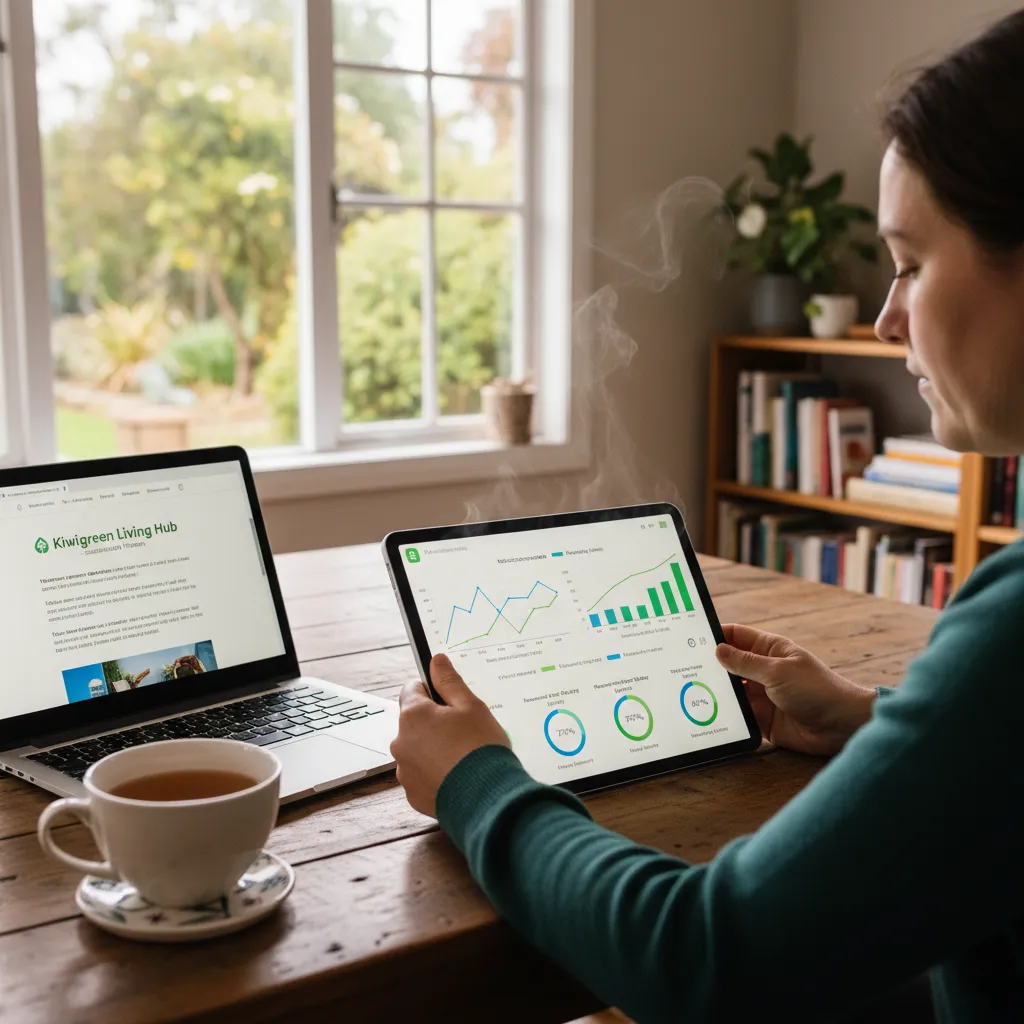
Once your measurable sustainability goals are set, regular check-ins are vital. This isn’t about perfection; it’s about continuous improvement. Keep a simple log, spreadsheet, or even use an app to track your metrics (e.g., kilograms of waste, kWh of electricity, litres of water).
Review your progress periodically. Are you meeting your targets? If not, why? Is the goal too ambitious, or do you need to adjust your strategy? This iterative process ensures your efforts remain effective and impactful. Remember, adaptability is key to lasting change.
Your Action Checklist for Impact
Ready to set measurable sustainability goals for lasting impact? Use this checklist to get started:
- Identify Your Focus Areas: Pinpoint 1-3 areas where you want to make a sustainable change (e.g., waste, energy, food).
- Draft SMART Goals: For each area, write down a goal that is Specific, Measurable, Achievable, Relevant, and Time-bound.
- Define Your Metrics: Clearly state how you will measure success (e.g., % reduction, weight, cost saving).
- Establish a Baseline: Before you start, understand your current consumption or impact (e.g., last month’s power bill, a week’s waste audit).
- Schedule Regular Reviews: Set reminders to check your progress weekly or monthly.
- Celebrate Small Wins: Acknowledge your efforts and successes to stay motivated!
- Seek Support: Engage family, friends, or local groups to share your journey.
Conclusion: Empowering Your Sustainable Journey
Setting measurable sustainability goals for lasting impact is the most effective way to turn your good intentions into tangible results. By applying the SMART framework and focusing on key areas relevant to New Zealand, you’re not just reducing your footprint; you’re actively contributing to a healthier, more resilient Aotearoa.
Start small, stay consistent, and remember that every measurable step forward is a victory for our planet. Your sustainable journey begins with a well-defined goal.
Frequently Asked Questions
What’s the difference between a sustainability aspiration and a goal?
An aspiration is a general desire or hope (e.g., “I want to be more eco-friendly”), while a goal is a specific, actionable objective with a clear outcome and timeline (e.g., “I will reduce my food waste by 50% within three months through composting and meal planning”). Goals are measurable, aspirations are not.
How many sustainability goals should I set at once?
It’s often best to start with 1-3 manageable goals. Overwhelming yourself with too many objectives can lead to burnout. Focus on areas where you can make a significant, measurable impact and build momentum from there.
What if I don’t meet my sustainability goals?
Don’t be discouraged! It’s an opportunity to learn and adapt. Re-evaluate if the goal was realistic, if your strategy was effective, or if external factors played a role. Adjust your targets or approach, and try again. The key is continuous effort, not immediate perfection.
How can I make my sustainability goals relevant to New Zealand’s context?
Consider local resources, environmental challenges, and cultural practices. For example, focusing on protecting native biodiversity, supporting local Māori enterprises, reducing waste specific to NZ’s limited recycling infrastructure, or conserving freshwater resources are highly relevant.
Are there tools to help track sustainability progress?
Yes, many! Simple spreadsheets, journaling, or apps like ‘JouleBug’ or ‘Eco Companion’ can help track habits and consumption. Your utility bills are also excellent sources of measurable data for energy and water use.
References & Sources
- Stats NZ. (2022). Environmental Survey: Public Opinion on Climate Change. Retrieved from www.stats.govt.nz
- Ministry for the Environment. (Current). Guidance on Waste Minimisation and Management. Retrieved from environment.govt.nz
- Sustainable Business Network. (Ongoing resources). Tools and Resources for Sustainable Practices. Retrieved from sustainable.org.nz
- S.M.A.R.T. Goals. (Various academic and business literature). Concept widely attributed to George T. Doran’s 1981 paper.