Revolutionizing Renewable Energy: Innovations for New Zealand
New Zealand, Aotearoa, stands on the cusp of a profound energy transformation. With its stunning natural landscapes and a progressive spirit, the nation is not just embracing renewable energy but actively revolutionizing its approach. This article delves into the cutting-edge innovations propelling New Zealand towards a truly sustainable future, moving beyond traditional methods to embrace smarter, cleaner, and more efficient energy solutions.
From harnessing the geothermal might of the North Island to optimizing community-scale solar projects, the journey of revolutionizing renewable energy in New Zealand is dynamic and inspiring. We’ll explore how these advancements are not only reducing our carbon footprint but also creating resilient, localized energy systems for all New Zealanders.
Table of Contents
- The Power of Aotearoa: New Zealand’s Renewable Energy Landscape
- Pioneering Innovations Driving Change
- The Role of Policy and Community
- Consumer Power: Your Role in the Revolution
- Looking Ahead: A Sustainable Horizon
- Frequently Asked Questions (FAQ)
- References/Sources
The Power of Aotearoa: New Zealand’s Renewable Energy Landscape
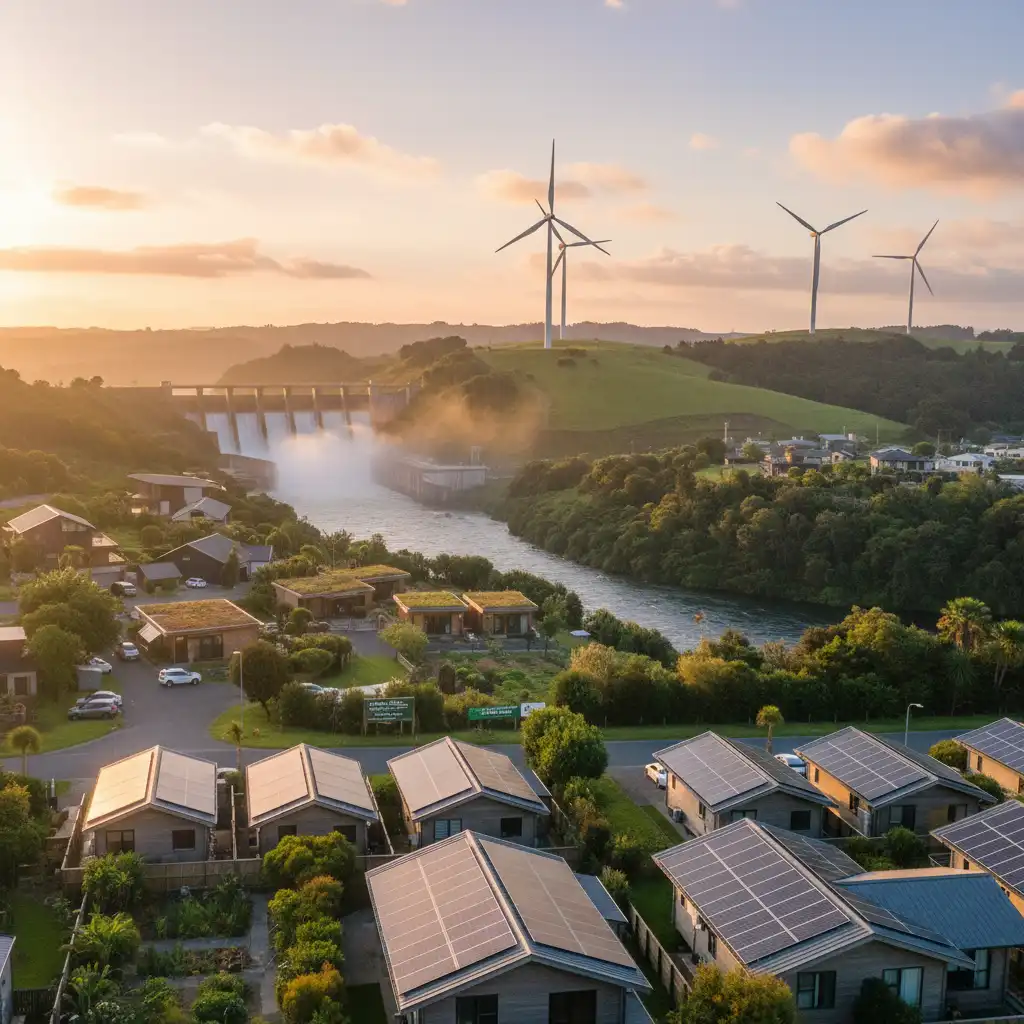
New Zealand boasts one of the highest proportions of renewable electricity generation in the world. Its unique geology and abundant natural resources have laid a strong foundation for a sustainable energy future. While hydropower has historically been the cornerstone, a blend of other renewables is rapidly expanding.

Hydroelectricity: The Backbone
For decades, New Zealand has harnessed its plentiful rainfall and mountainous terrain to generate clean hydroelectricity. This reliable energy source accounts for a significant portion of the country’s power, providing a stable base for the grid.
“New Zealand’s commitment to renewable energy is deeply rooted in its geography, with hydroelectric power remaining a dominant and reliable force in its energy mix.”
Geothermal: A Natural Advantage
Sitting on the Pacific Ring of Fire, New Zealand has vast geothermal resources, particularly in the North Island. This consistent, base-load renewable energy source offers a significant advantage, providing a constant supply independent of weather conditions.
Wind Power: Tapping into the Breezes
The ‘land of the long white cloud’ is also a land of strong winds. Wind farms are increasingly dotting the New Zealand landscape, contributing a growing share to the national grid and diversifying the renewable portfolio.
Pioneering Innovations Driving Change
While traditional renewables are strong, the true revolution lies in emerging technologies and smarter integration. New Zealand is actively investing in and adopting innovations that will redefine its energy future.
Advanced Solar Solutions: Beyond Rooftops
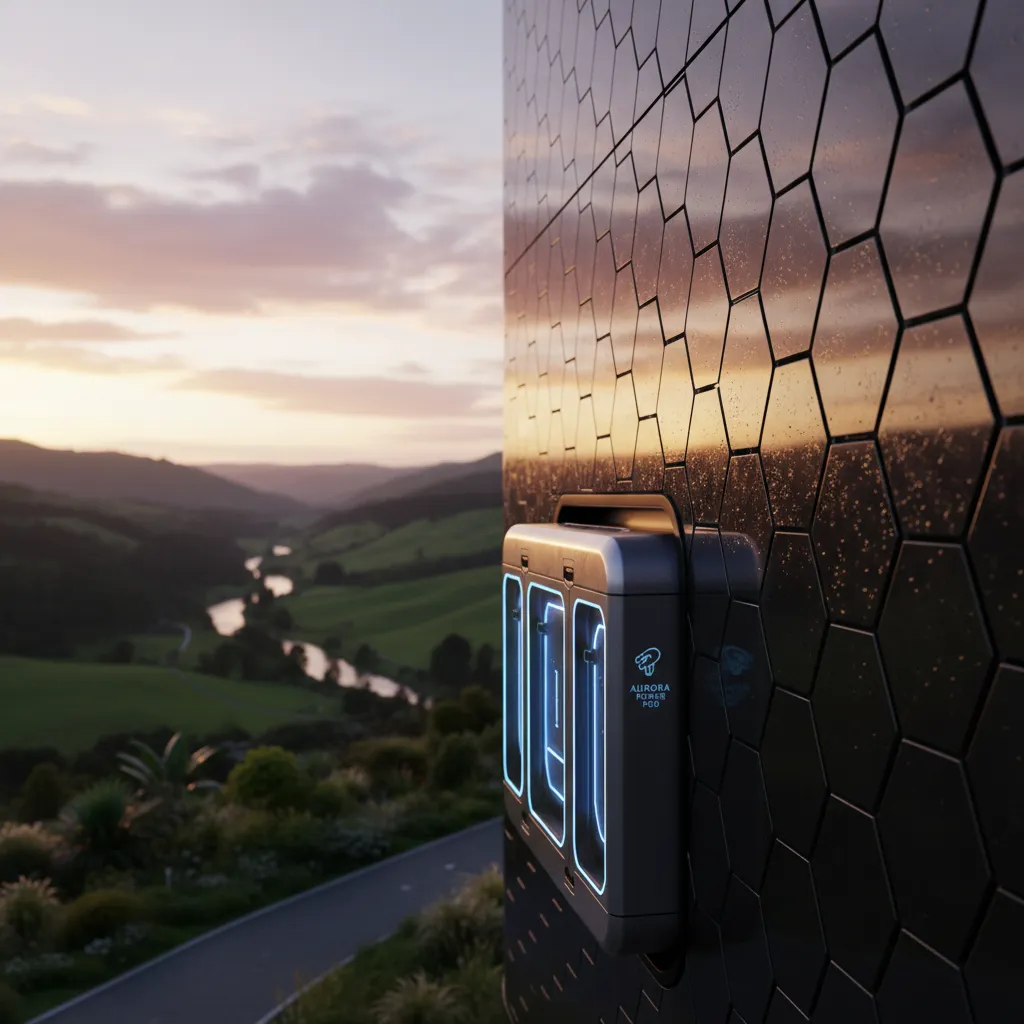
Solar power is rapidly gaining traction. Beyond standard rooftop installations, innovations include larger-scale solar farms, floating solar arrays, and building-integrated photovoltaics (BIPV) that turn structures themselves into energy generators. This expanded approach is crucial for meeting increased demand.
Battery Energy Storage Systems (BESS): Storing Tomorrow’s Power
The intermittency of wind and solar power has long been a challenge. BESS technology is a game-changer, allowing excess energy generated during peak production to be stored and released when needed. This enhances grid stability and reliability, especially for remote communities and during peak demand periods.
Green Hydrogen: The Future Fuel?
Produced by splitting water using renewable electricity, green hydrogen offers a clean energy carrier for hard-to-decarbonize sectors like heavy transport and industrial processes. New Zealand is exploring pilot projects and investment into this promising technology, aiming to leverage its abundant renewable resources to become a green hydrogen exporter.
Smart Grids and Digitalization: Optimizing Distribution
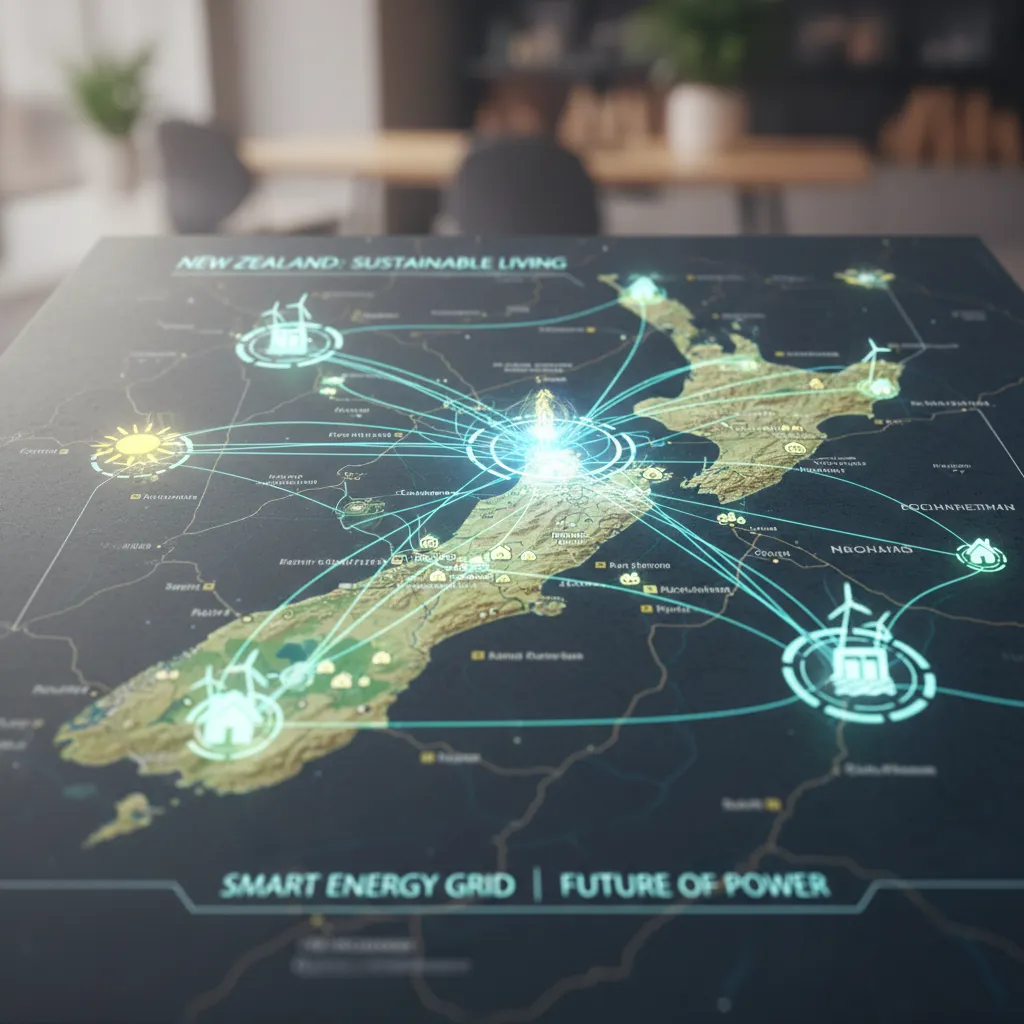
A truly revolutionary energy system isn’t just about generation; it’s also about intelligent distribution. Smart grids use digital technology to monitor, control, and optimize energy flow, allowing for better integration of distributed renewables, demand-side management, and improved resilience against outages. This includes AI-driven forecasting and automation.
The Role of Policy and Community
The push for revolutionizing renewable energy in New Zealand isn’t solely technological; it’s also driven by supportive policy and grassroots community engagement.
Government Commitments and Incentives
New Zealand has ambitious climate targets, including aiming for 100% renewable electricity by 2030 in a normal hydrological year. Government policies, investment funds, and regulatory frameworks are crucial in facilitating the transition, encouraging innovation, and supporting infrastructure development.
Empowering Local Communities
Community-led energy projects are blossoming across New Zealand. These initiatives, from local solar installations to microgrids, empower citizens, foster energy independence, and ensure that the benefits of the energy transition are shared broadly.
Consumer Power: Your Role in the Revolution
Individuals and households are key players in this energy revolution. By choosing renewable energy providers, installing solar panels, investing in electric vehicles, improving home insulation, and adopting energy-efficient habits, every New Zealander can contribute to a greener future.

“The most powerful innovations are those embraced by people. Consumer choices are accelerating the shift towards a truly sustainable energy landscape in New Zealand.”
Looking Ahead: A Sustainable Horizon
New Zealand’s journey to revolutionizing renewable energy is an ongoing testament to innovation, collaboration, and a deep respect for its natural environment. As technology advances and collective commitment strengthens, Aotearoa is set to continue leading the way, demonstrating how a nation can transition to a fully sustainable, resilient, and equitable energy system.
The innovations discussed here are not just buzzwords; they are tangible steps towards a future where clean energy powers every home, business, and vehicle, solidifying New Zealand’s position as a global leader in sustainable living.
Frequently Asked Questions (FAQ)
What percentage of New Zealand’s electricity currently comes from renewable sources?
New Zealand typically generates around 85-90% of its electricity from renewable sources, primarily hydro, geothermal, and wind, depending on annual hydrological conditions.
What are the biggest challenges for New Zealand in achieving 100% renewable energy?
Key challenges include managing the intermittency of wind and solar, ensuring grid stability with diverse energy sources, the need for significant infrastructure investment, and decarbonizing sectors like industrial heat and transport that are harder to electrify.
How can individuals contribute to New Zealand’s renewable energy goals?
Individuals can contribute by adopting energy-efficient practices, installing rooftop solar where feasible, choosing an electricity retailer with a strong renewable energy focus, investing in electric vehicles, and supporting local community energy initiatives.
What is Green Hydrogen and why is it important for New Zealand?
Green Hydrogen is hydrogen produced using renewable electricity to split water. It’s important for New Zealand because it can act as a clean energy carrier for sectors difficult to electrify (like heavy transport or industrial processes) and offers a potential export opportunity, leveraging NZ’s abundant renewable resources.
References/Sources
- Ministry of Business, Innovation & Employment (MBIE) – Energy in New Zealand reports.
- International Energy Agency (IEA) – Renewable Energy reports and analyses.
- Transpower New Zealand – Future Insights and Grid Development Plans.
- Renewable Energy Association of New Zealand (REANZ) – Industry statistics and publications.
- NZ Government climate change initiatives and policy documents.