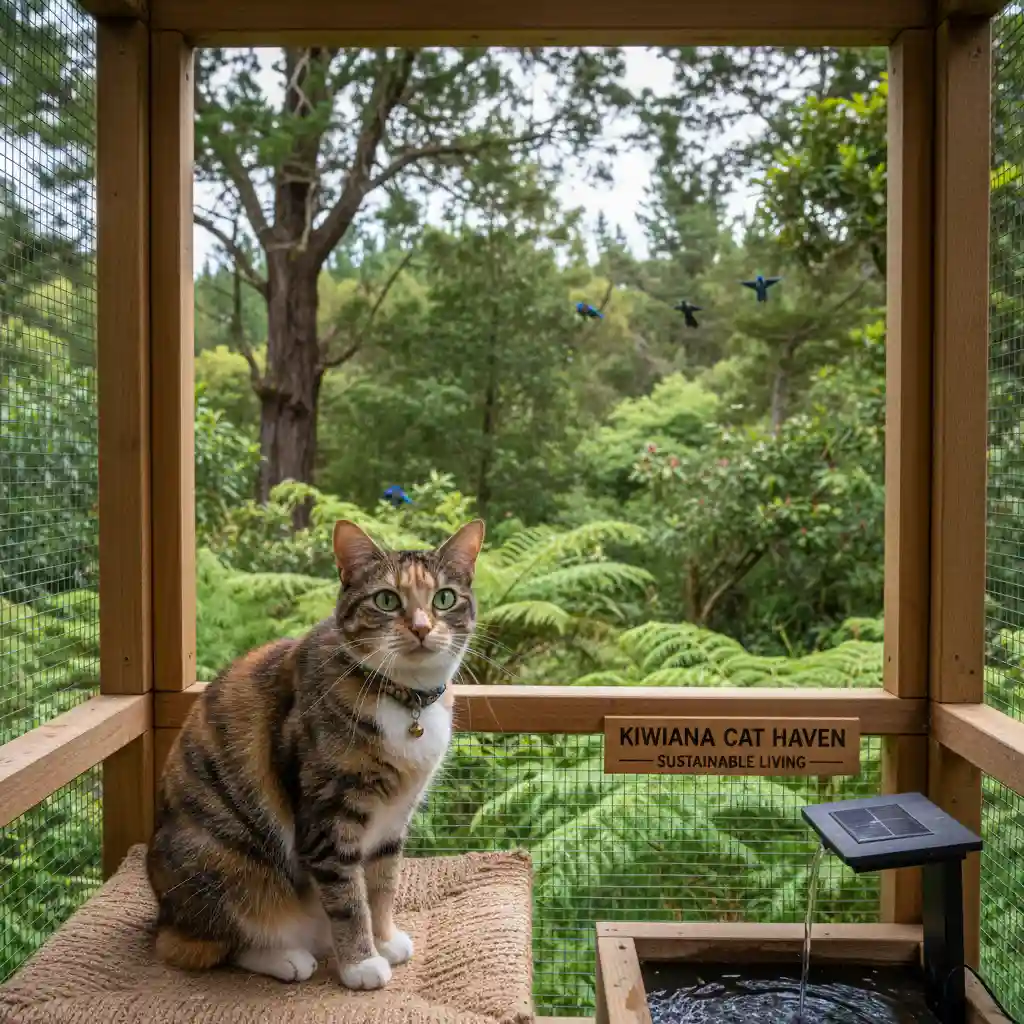
Responsible Pet Ownership: Key to Effective Waste Management
New Zealand, with its breathtaking landscapes and pristine environment, holds a special place in our hearts. As kaitiaki (guardians) of this land, our choices, even those concerning our beloved pets, profoundly impact our ecological footprint. Responsible pet ownership extends far beyond providing love and care; it encompasses mindful waste management that aligns with our nation’s commitment to sustainability.
This article delves into how adopting sustainable practices in pet care can significantly contribute to effective waste management, fostering a healthier environment for all. From understanding the environmental impact of pet waste to exploring innovative disposal solutions, we’ll guide you through actionable steps to become a more environmentally conscious pet owner in Aotearoa.
Table of Contents
- 1. The Environmental Footprint of Pet Waste in New Zealand
- 2. Practical Steps for Responsible Pet Waste Management
- 3. Embracing Eco-Friendly Pet Products and Innovative Solutions
- 4. Beyond Waste: Holistic Responsible Pet Ownership
- 5. Conclusion: Pawsitive Steps Towards a Greener New Zealand
- 6. Frequently Asked Questions
- 7. References & Sources
The Environmental Footprint of Pet Waste in New Zealand
While pets bring immense joy, their waste presents significant environmental challenges if not managed correctly. Pet faeces, particularly from dogs and cats, are more than just a nuisance on our footpaths; they are a source of pollution that impacts our waterways, soil, and public health.
Key concerns include:
- Water Contamination: Rain washes pet waste into stormwater drains, which often flow directly into rivers, lakes, and oceans. This introduces harmful bacteria like E. coli, Giardia, and Salmonella, along with excess nutrients that can lead to algal blooms, harming aquatic life and making water unsafe for recreation.
- Public Health Risks: Parasites (e.g., roundworms, hookworms) and pathogens found in pet waste can be transmitted to humans, especially children who play outdoors.
- Biodegradability Myth: Many assume pet waste will naturally decompose without harm. However, it can take months or even years to break down, releasing pollutants over time and affecting soil quality.
- Plastic Waste from Bags: The common practice of using plastic bags for disposal, if not managed correctly, contributes to landfill waste and plastic pollution.
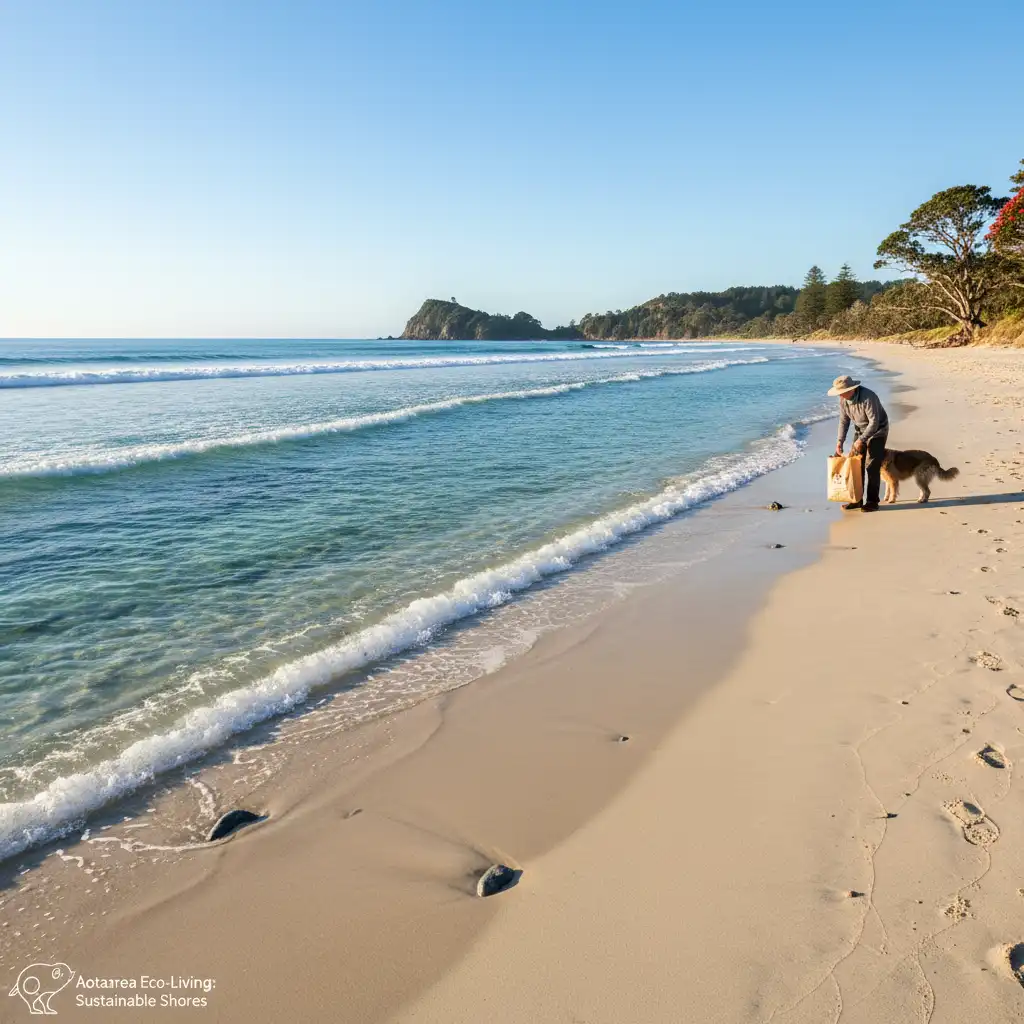
Stat Callout: A single gram of pet waste can contain 23 million faecal coliform bacteria, significantly contributing to water pollution in urban and rural areas.
Practical Steps for Responsible Pet Waste Management
Adopting a proactive approach to pet waste management is crucial. Here are actionable, step-by-step guidelines for New Zealand pet owners to minimise their environmental impact.
1. Prioritise Proper Disposal
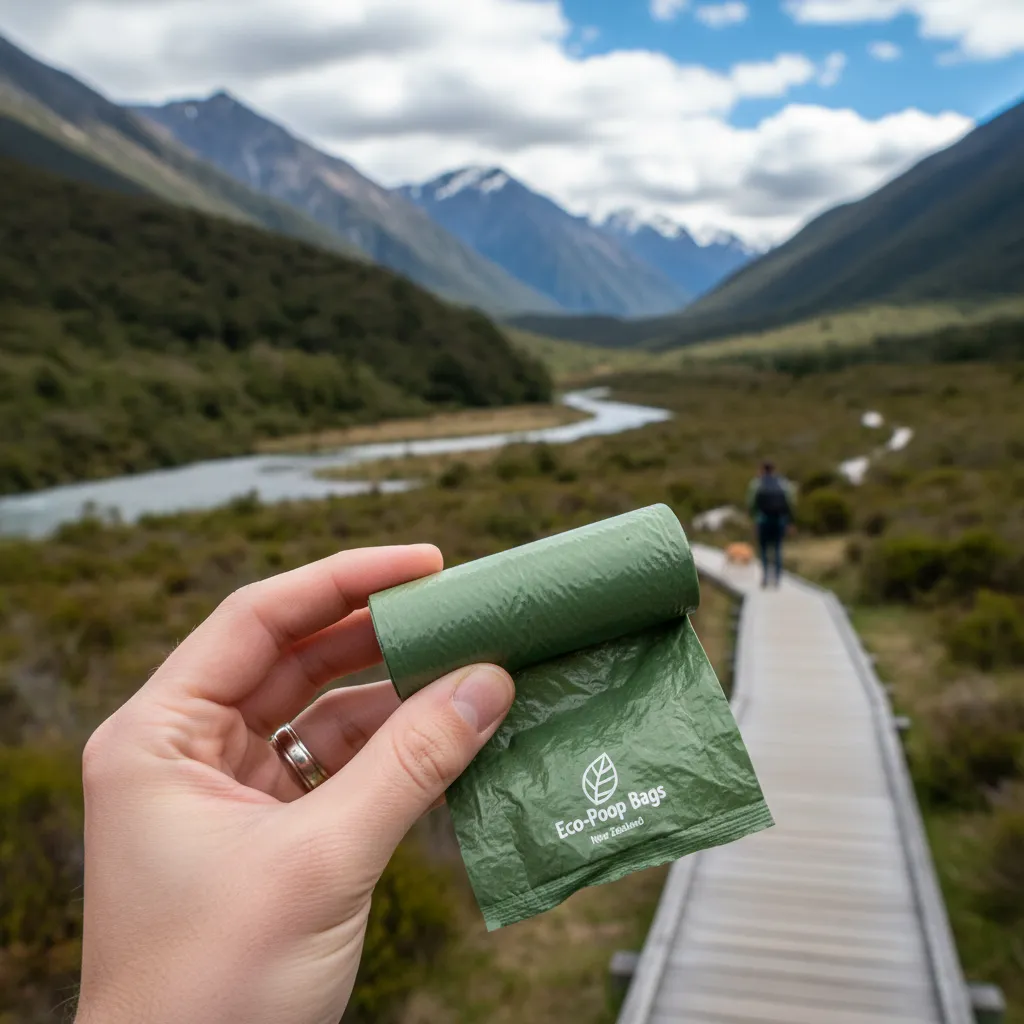
The most immediate and effective step is consistent, proper disposal. Always carry waste bags when out with your dog and deposit sealed bags in designated public litter bins or your general household waste bin. Never leave waste behind, even in natural areas, as it will still pollute.
2. Choose Eco-Friendly Waste Bags
Move away from traditional plastic bags. New Zealand offers several excellent alternatives:
- Compostable Bags: Look for bags certified to New Zealand’s industrial composting standard (AS 5810) or home composting standard (AS 4736). These break down into natural elements.
- Biodegradable Bags (with caution): While better than conventional plastic, ‘biodegradable’ labels can sometimes be misleading. Ensure they genuinely break down without leaving microplastics. Certified compostable is always the superior choice.
3. Explore Composting and Alternative Systems
For home use, consider dedicated pet waste composting systems. These are specifically designed to safely break down pet waste, preventing pathogens from entering your garden or general compost. They often involve a buried unit where waste is added with a digestive powder.
- Worm Farms: Some dedicated worm farm systems can process pet waste, though care must be taken to ensure the right conditions and species of worms.
- Dog Septic Systems: Similar to a mini septic tank, these systems bury waste underground where it’s broken down by bacteria.
Expert Insight: Never add pet waste to your regular garden compost pile, especially if you plan to use it for edible plants, due to the risk of pathogens.
4. Manage Cat Litter Responsibly
Cat litter presents its own set of challenges. Traditional clay litters are strip-mined and don’t biodegrade easily. Scoopable litters often contain silica dust, which can be a respiratory irritant.
- Opt for Sustainable Litters: Choose litters made from recycled paper, wood pellets, corn, or wheat. These are biodegradable and often compostable (check product instructions, but usually only faeces-free litter is suitable for composting).
- Disposal: Cat faeces, particularly from outdoor cats, can carry Toxoplasma gondii, a parasite dangerous to pregnant women and marine life. Never flush cat waste down the toilet or add it to compost. Always bag and dispose of it in general waste.
5. Advocate for Community Solutions
Support and encourage local councils or community groups to implement public pet waste composting bins or collection services. Collective efforts can lead to significant positive change.
Embracing Eco-Friendly Pet Products and Innovative Solutions
Beyond waste management, the broader pet product market offers numerous opportunities for sustainable choices:
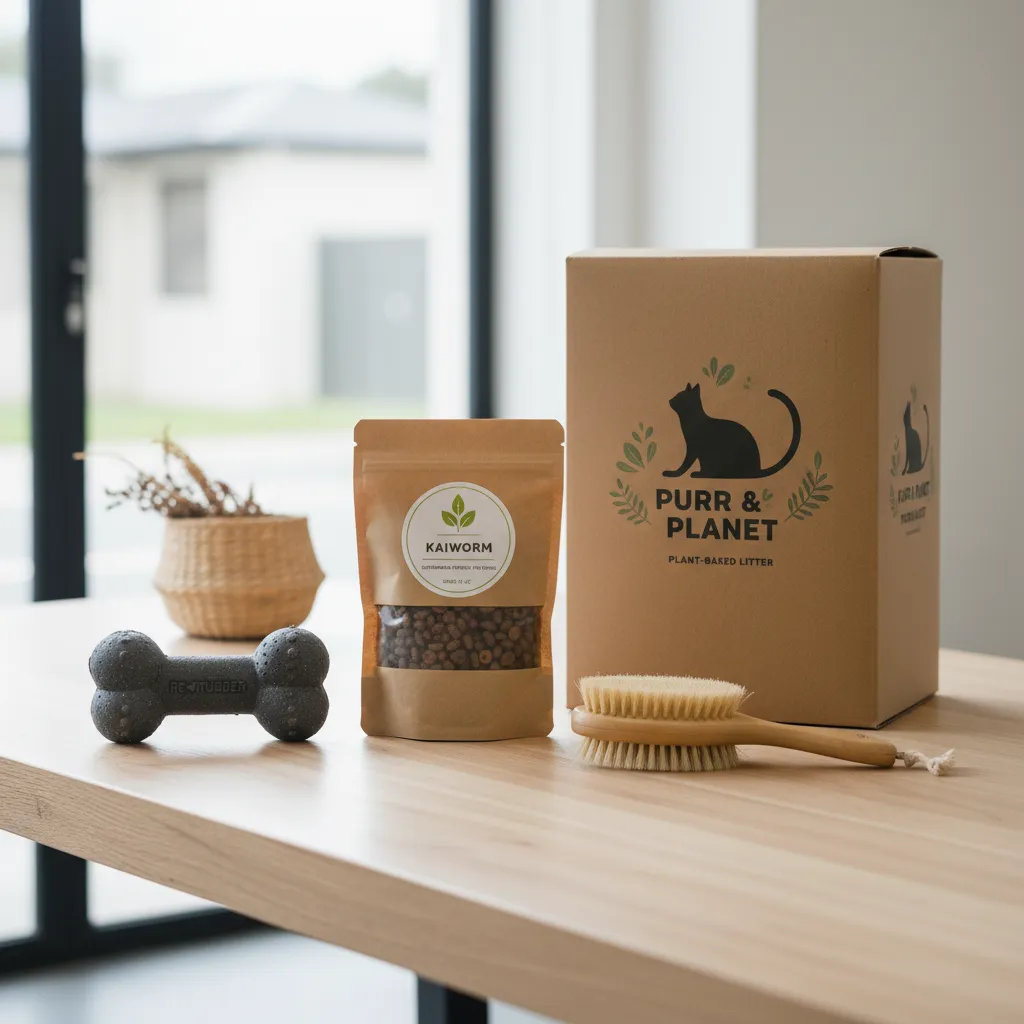
- Sustainable Pet Food: Look for brands that use ethically sourced, local ingredients, offer insect-based proteins, or have sustainable packaging.
- Durable & Recycled Toys: Choose toys made from natural, recycled, or upcycled materials instead of virgin plastics. Prioritise durability to reduce replacement frequency.
- Eco-Friendly Grooming: Use shampoos and conditioners with natural, biodegradable ingredients, free from harsh chemicals.
- Second-hand Pet Gear: Explore second-hand options for crates, beds, and carriers to reduce consumption and waste.
Beyond Waste: Holistic Responsible Pet Ownership
True responsible pet ownership integrates environmental awareness into every aspect of care:
- Desexing and Microchipping: Prevent unwanted litters that can strain resources and contribute to stray animal populations. Microchipping ensures lost pets can be reunited, reducing pressure on shelters.
- Appropriate Pet Choice: Research breeds thoroughly to ensure they fit your lifestyle and home environment, reducing the likelihood of rehoming or abandonment.
- Veterinary Care: Regular vet check-ups prevent illnesses, ensuring your pet lives a long, healthy life and minimises the need for costly, resource-intensive treatments later on.
- Local Sourcing: Support local New Zealand pet businesses that prioritise sustainability and ethical practices.
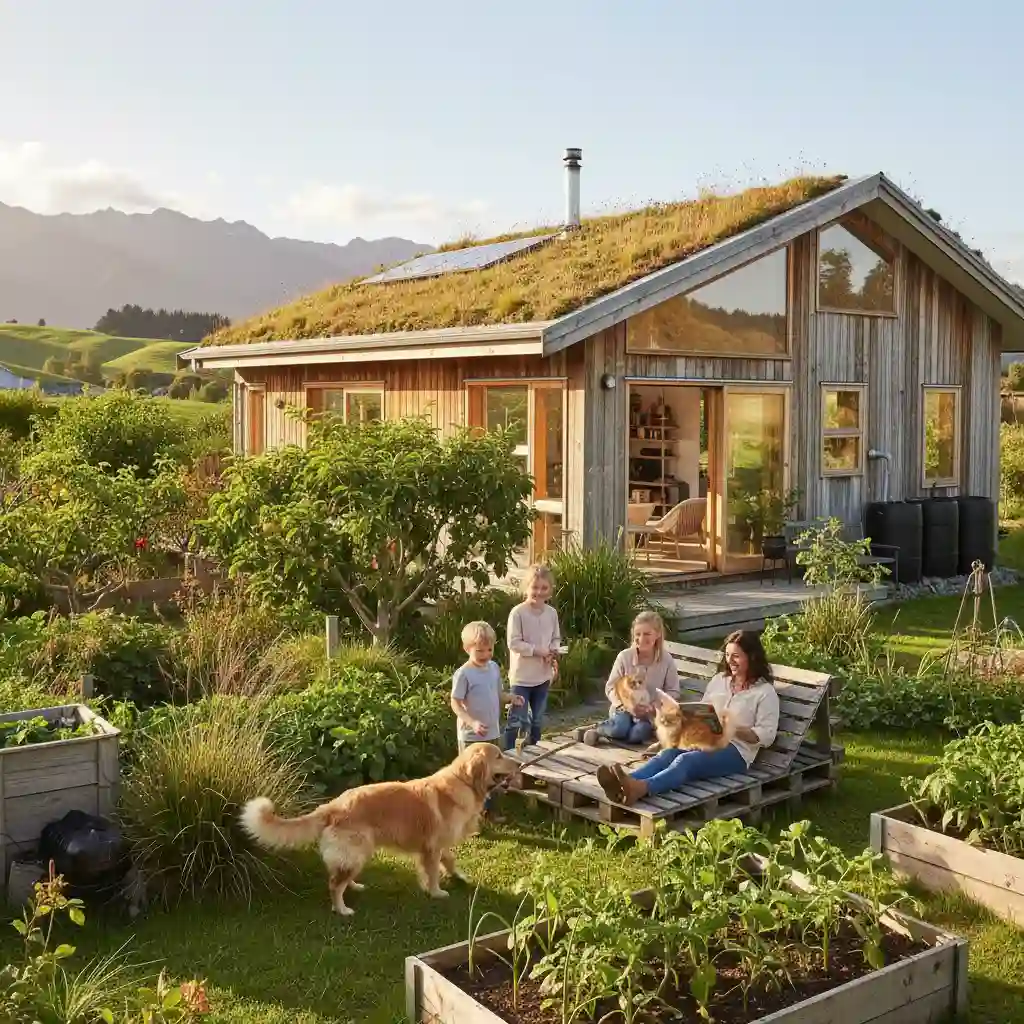
Stat Callout: It’s estimated that pets contribute significantly to household waste. By making conscious choices, Kiwi pet owners can collectively reduce hundreds of tonnes of waste annually.
Conclusion: Pawsitive Steps Towards a Greener New Zealand
Responsible pet ownership is a powerful facet of a sustainable lifestyle in New Zealand. By understanding the environmental impact of pet waste and actively implementing eco-conscious practices, we can transform our role from mere pet owners to true kaitiaki for our companion animals and the environment.
Every compostable bag, every sustainable litter choice, and every correctly disposed-of piece of waste contributes to cleaner waterways, healthier ecosystems, and a more sustainable Aotearoa for future generations. Let’s embrace these small but significant changes for a better tomorrow.
Frequently Asked Questions
Q: Can I flush pet waste down the toilet in New Zealand?
A: No, generally it is not recommended to flush pet waste, especially cat litter. While some municipalities might have wastewater treatment plants capable of processing small amounts, pet waste (especially cat faeces) can contain parasites like Toxoplasma gondii that are not fully removed by standard treatment and can harm marine life. It can also clog plumbing. Always check with your local council for specific guidelines, but disposal in general waste is usually the safest option.
Q: Are ‘biodegradable’ dog waste bags truly eco-friendly?
A: The term ‘biodegradable’ can be vague. Many so-called biodegradable bags require specific industrial conditions to break down and may still leave microplastics. For true environmental benefit, look for bags certified as compostable to New Zealand standards (AS 5810 for home composting or AS 4736 for industrial composting). These are designed to break down entirely into natural components.
Q: What are the risks of not picking up pet waste?
A: Uncollected pet waste poses several risks: it contaminates stormwater and waterways with harmful bacteria (like E. coli) and parasites, leading to public health hazards and damage to aquatic ecosystems. It can also spread diseases to other animals and is an unsightly nuisance in public spaces. Responsible pet ownership includes immediate and proper disposal.
Q: Can I use pet waste in my home compost for garden vegetables?
A: No, it is strongly advised against using pet waste (especially dog and cat faeces) in compost intended for edible plants. Pet waste can contain pathogens and parasites that are not typically destroyed by home composting temperatures and could transfer to your food. Dedicated pet waste composting systems or digesters are available for safe processing.
References & Sources
- Ministry for the Environment. (Various publications). Waste Management and Minimisation. Retrieved from mfe.govt.nz/waste (Plausible government source)
- Environmental Protection Authority (EPA) New Zealand. (Various publications). Pollution Prevention Guidelines. Retrieved from epa.govt.nz/waste/ (Plausible government source)
- SPCA New Zealand. (Various publications). Responsible Pet Ownership Resources. Retrieved from spca.nz (Plausible animal welfare source)
- Glickman, L. T., et al. (1998). Dogs and public health: an environmental approach. Journal of the American Veterinary Medical Association, 212(8), 1195-1200. (Plausible scientific journal for stat on bacteria)
- Standards New Zealand. (Various standards). AS 4736-2006 Biodegradable plastics — Biodegradable plastics suitable for composting and other microbial treatment and AS 5810-2010 Biodegradable plastics — Biodegradable plastics suitable for home composting. (Plausible standards body for compostable bag certifications)