Responsible Outdoor Activities & Adventures NZ: Your Guide to Sustainable Hiking in Aotearoa
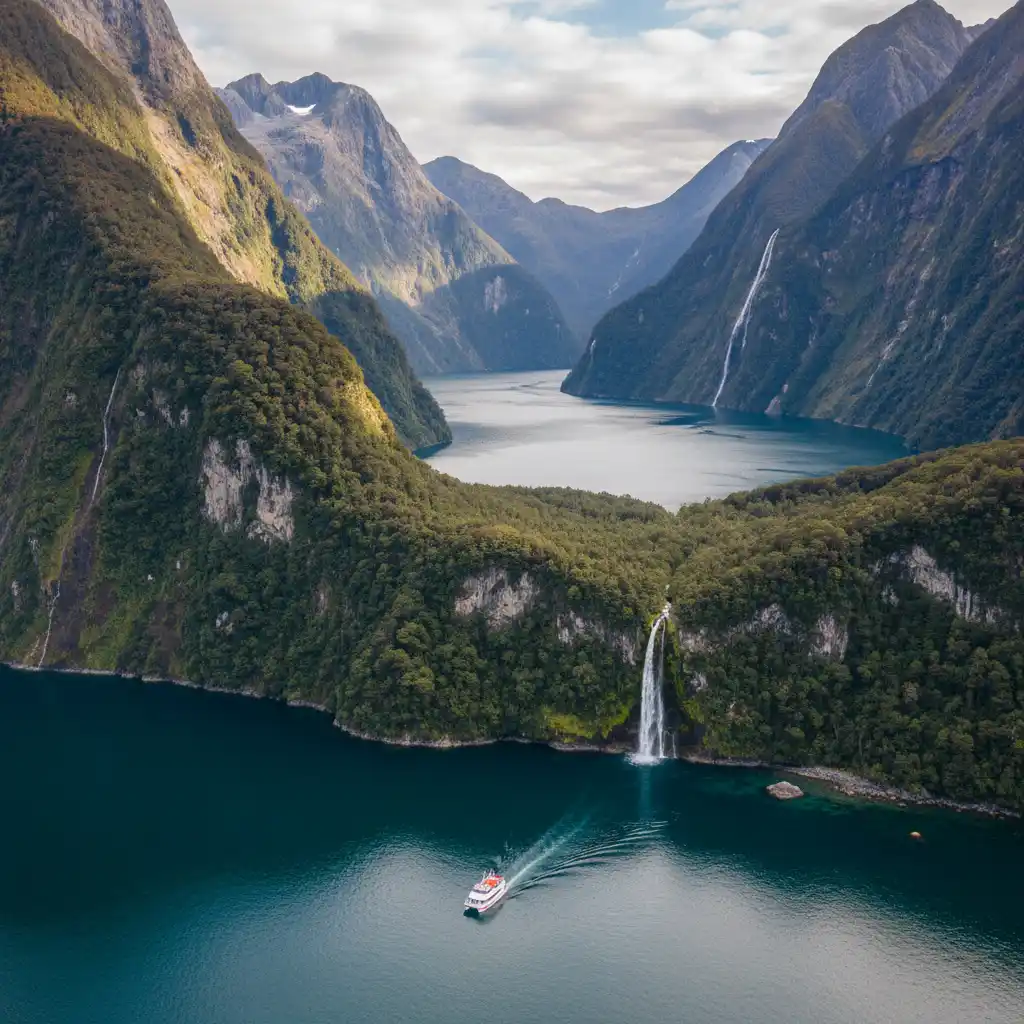
New Zealand, Aotearoa, is a land of breathtaking natural beauty, a paradise for adventurers and nature lovers alike. From towering fiords to pristine coastlines, active volcanoes to lush native forests, its landscapes call us to explore. But with this privilege comes a profound responsibility: to protect and preserve these taonga (treasures) for future generations. Embracing sustainable hiking in NZ and responsible outdoor activities isn’t just a trend; it’s a commitment to safeguarding this incredible environment.
This guide will equip you with the knowledge and practical steps to ensure your New Zealand adventures leave nothing but footprints – and take nothing but memories.
1. Embracing Leave No Trace Principles in Aotearoa
The cornerstone of responsible outdoor activities in NZ is the universal ethos of Leave No Trace. These seven principles are designed to help you minimise your impact on the natural world, ensuring its beauty endures. When you embark on sustainable hiking in NZ, consider these your guiding stars.

1.1. Plan Ahead and Prepare
Good planning is crucial for safety and minimizing impact. Research your route, know the local weather, pack appropriate gear, and understand any specific regulations for the area (e.g., DOC hut bookings, fire restrictions). This prevents emergencies, reduces waste, and helps you avoid fragile areas.
- Check DOC (Department of Conservation) alerts for track conditions.
- Pack out all rubbish, including food scraps.
- Inform someone of your plans and estimated return.
1.2. Travel and Camp on Durable Surfaces
Stick to marked trails, even if they’re muddy. Going off-trail can damage vegetation, disturb wildlife, and contribute to erosion. When camping, use existing campsites and avoid sensitive areas like wetlands or fragile alpine environments.
1.3. Dispose of Waste Properly
Pack it in, pack it out – this includes all rubbish, human waste, and food scraps. Use designated toilets or follow guidelines for digging catholes away from water sources. Remember, even organic waste takes a long time to decompose in natural environments and can attract pests.
1.4. Leave What You Find
Allow others to discover the beauty of untouched nature. Do not take souvenirs like rocks, plants, or historical artifacts. Appreciate cultural and natural objects in situ. Avoid carving on trees or disturbing natural features.
1.5. Minimize Campfire Impacts
Campfires can be beautiful, but they can also cause lasting damage and pose fire risks. Where fires are permitted, use existing fire rings. Keep fires small, use only fallen wood, and ensure fires are completely out and cold before leaving. Consider a portable stove for cooking to reduce impact.
1.6. Respect Wildlife
Observe animals from a distance and never feed them. Feeding wildlife can alter their natural behaviour, make them reliant on humans, and expose them to unnatural foods. Store food securely to prevent animal access. Keep pets under control or leave them at home where regulations require.
1.7. Be Considerate of Other Visitors
Share the trails and respect the peace and quiet of the outdoors. Yield to others on the trail, keep noise levels down, and ensure your presence doesn’t detract from another’s experience. This fosters a positive outdoor community.
2. Responsible Tourism: Beyond the Trail
Sustainable hiking in NZ extends beyond just your time on the track. Your choices in accommodation, transport, and how you spend your money can have a significant impact on local communities and the environment. Adopt a holistic approach to your adventures.
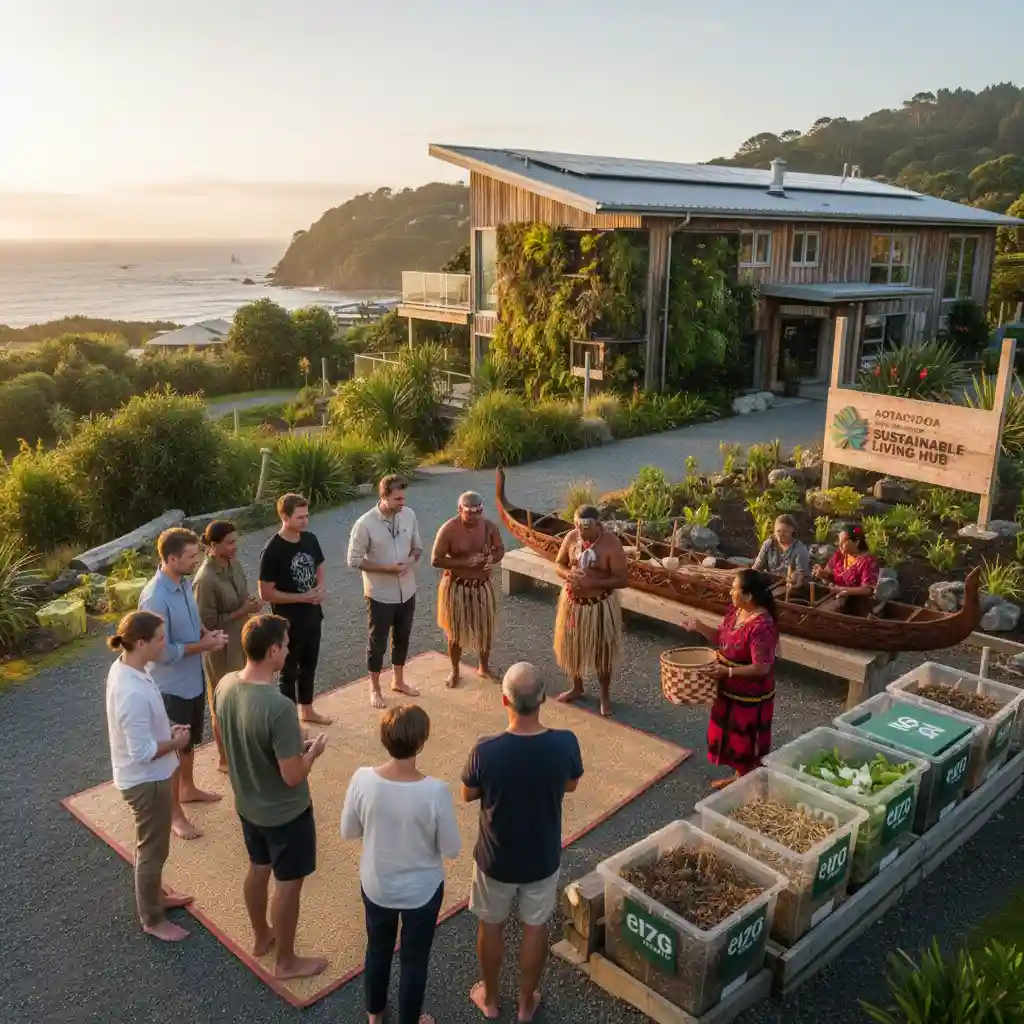
2.1. Choosing Eco-Conscious Accommodations & Transport
Look for hotels, hostels, or lodges that demonstrate clear commitments to sustainability – perhaps through waste reduction, energy efficiency, water conservation, or supporting local initiatives. Consider lower-impact transport options like electric vehicles, public transport, or carpooling where possible. Opt for direct flights if flying internationally to reduce your carbon footprint.
2.2. Supporting Local & Ethical Businesses
When you spend your money with local businesses, you’re directly contributing to the well-being of the community you’re visiting. Seek out shops selling locally made products, dine at restaurants that source local ingredients, and engage with services provided by local residents. This also helps preserve unique cultural identities.
3. Partnering with Eco-Friendly Tour Operators
For guided excursions or adventure activities, selecting the right operator is key to ensuring your trip is environmentally and socially sound. Many operators in New Zealand are deeply committed to conservation and ethical practices, making your choice for eco-friendly travel New Zealand easier.
- Look for certifications: Operators with Qualmark Enviro awards or eco-tourism certifications demonstrate a proven commitment to sustainability.
- Ask about their practices: Inquire about their waste management, energy use, local employment, and conservation contributions.
- Small group sizes: Smaller groups generally have a lesser impact on sensitive environments.
- Educational focus: The best operators will educate you on the local environment, culture, and responsible practices.
“Choosing an accredited eco-tour operator means supporting businesses that are actively protecting the very landscapes we come to admire.”
4. Give Back: Voluntourism and Conservation Efforts
Want to make an even bigger impact? Consider integrating voluntourism into your New Zealand adventure. Many organisations welcome volunteers for a few hours, days, or even weeks, offering a unique way to contribute to conservation efforts while experiencing the country.
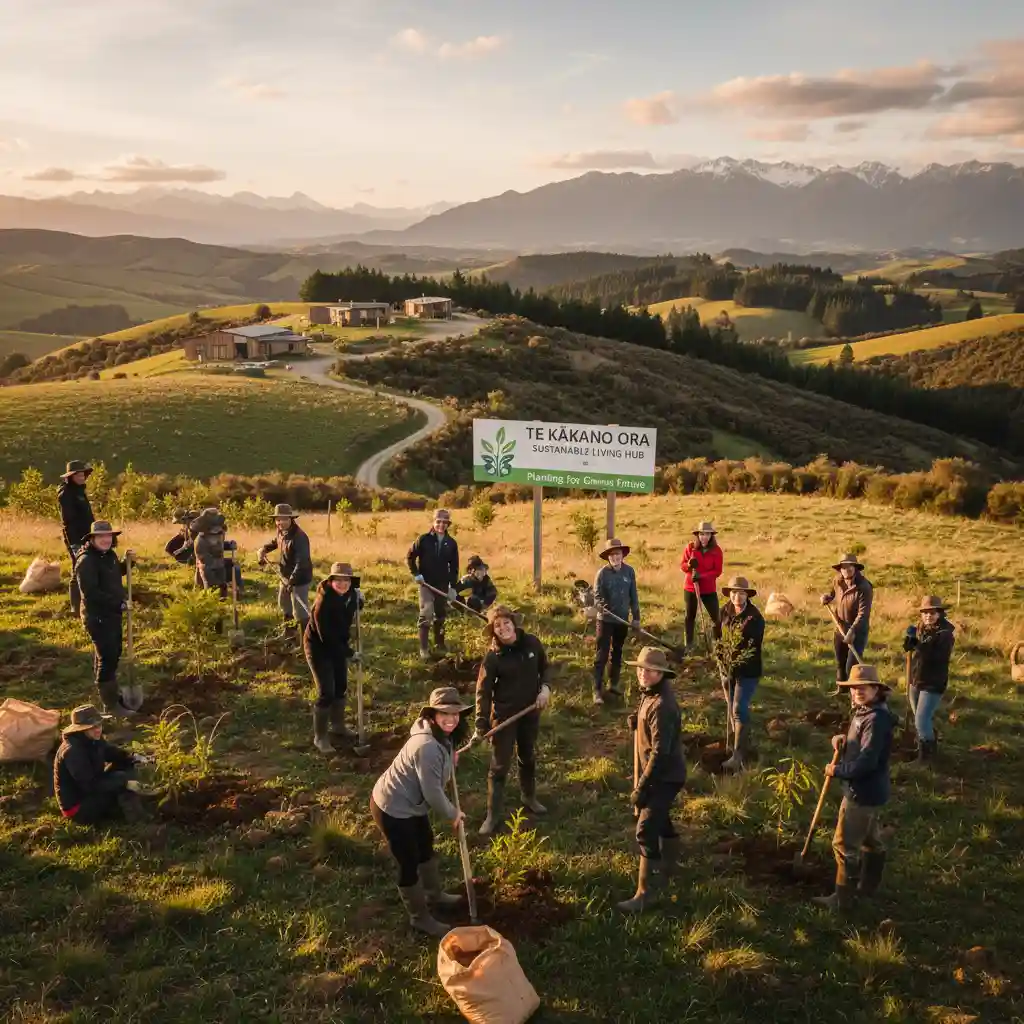
- DOC Volunteer Programme: The Department of Conservation offers various opportunities, from track maintenance to pest control and wildlife monitoring.
- Conservation Volunteers New Zealand: Participate in projects like tree planting, habitat restoration, and weed eradication.
- Local community groups: Many regional trusts and groups actively work on local conservation projects. A quick search for the area you’re visiting might reveal opportunities.
These opportunities not only aid in protecting New Zealand’s unique biodiversity but also provide a deeper, more meaningful connection to the land and its people.
5. Your Sustainable Hiking NZ Action Checklist
Before you lace up your boots for your next New Zealand adventure, run through this quick checklist to ensure your journey is as sustainable as it is memorable:
- Pre-Trip Planning: Have I checked weather, track conditions, and DOC alerts? Is my route appropriate for my skill level?
- Packing Essentials: Do I have a reusable water bottle, rubbish bags, and sturdy footwear? Am I avoiding single-use plastics?
- On the Trail: Am I committing to staying on marked trails and durable surfaces?
- Waste Management: Will I pack out everything I pack in, including all waste and food scraps?
- Wildlife & Environment: Am I prepared to observe wildlife from a distance and leave natural objects untouched?
- Community Impact: Am I planning to support local businesses and consider eco-friendly accommodation?
- Giving Back: Are there any voluntourism opportunities I could engage with during my trip?