Renewable Energy’s Pivotal Role in Post-Pandemic Economic Recovery
As New Zealand and the world navigate the complexities of a post-pandemic landscape, investing in sustainable energy solutions isn’t just an environmental imperative – it’s a powerful engine for economic growth and resilience.
Table of Contents
The Global Shift: Why Renewables Now?
The COVID-19 pandemic triggered unprecedented economic disruptions worldwide, forcing nations to re-evaluate their vulnerabilities and future pathways. Amidst the chaos, a clear consensus emerged: recovery must be sustainable, resilient, and forward-looking. Renewable energy has stepped into the spotlight as a cornerstone of this new economic paradigm.
Before the pandemic, the global shift towards renewable energy was already gaining momentum, driven by declining costs, technological advancements, and growing environmental awareness. The pandemic, however, amplified the urgency. It highlighted the fragility of global supply chains reliant on fossil fuels and the economic stability that can be gained from domestic, diversified energy sources.
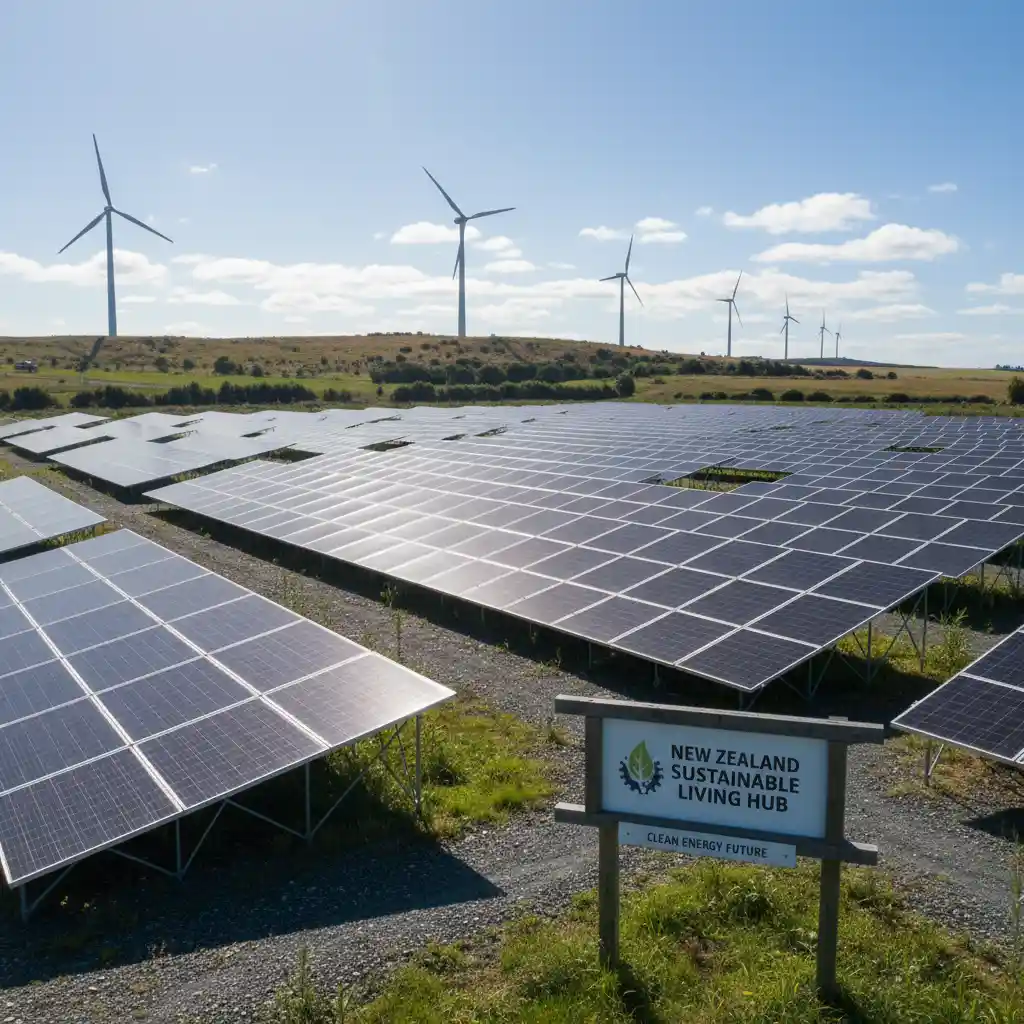
Stat Callout: Global investment in renewable energy reached approximately $303.5 billion in 2020, demonstrating continued investor confidence even during economic uncertainty. This trend is expected to accelerate significantly in the coming years, underscoring renewable energy’s role in post-pandemic economic recovery.
This pivotal moment presents New Zealand with an exceptional opportunity to not only rebuild but to ‘build back better’ – fostering a robust economy that champions innovation, creates green jobs, and secures long-term energy independence.
Renewable Energy’s Direct Economic Impacts
The economic benefits of scaling up renewable energy are multifaceted and far-reaching, extending beyond just environmental gains. They touch upon job creation, significant investment opportunities, and enhanced energy security.
Job Creation in a Green Economy
One of the most compelling arguments for investing in renewables is its capacity for job creation. Unlike traditional fossil fuel industries, which are often highly automated, the renewable sector generates a diverse range of employment opportunities across manufacturing, installation, operations, maintenance, research, and development. This includes roles for engineers, technicians, project managers, and even skilled tradespeople.
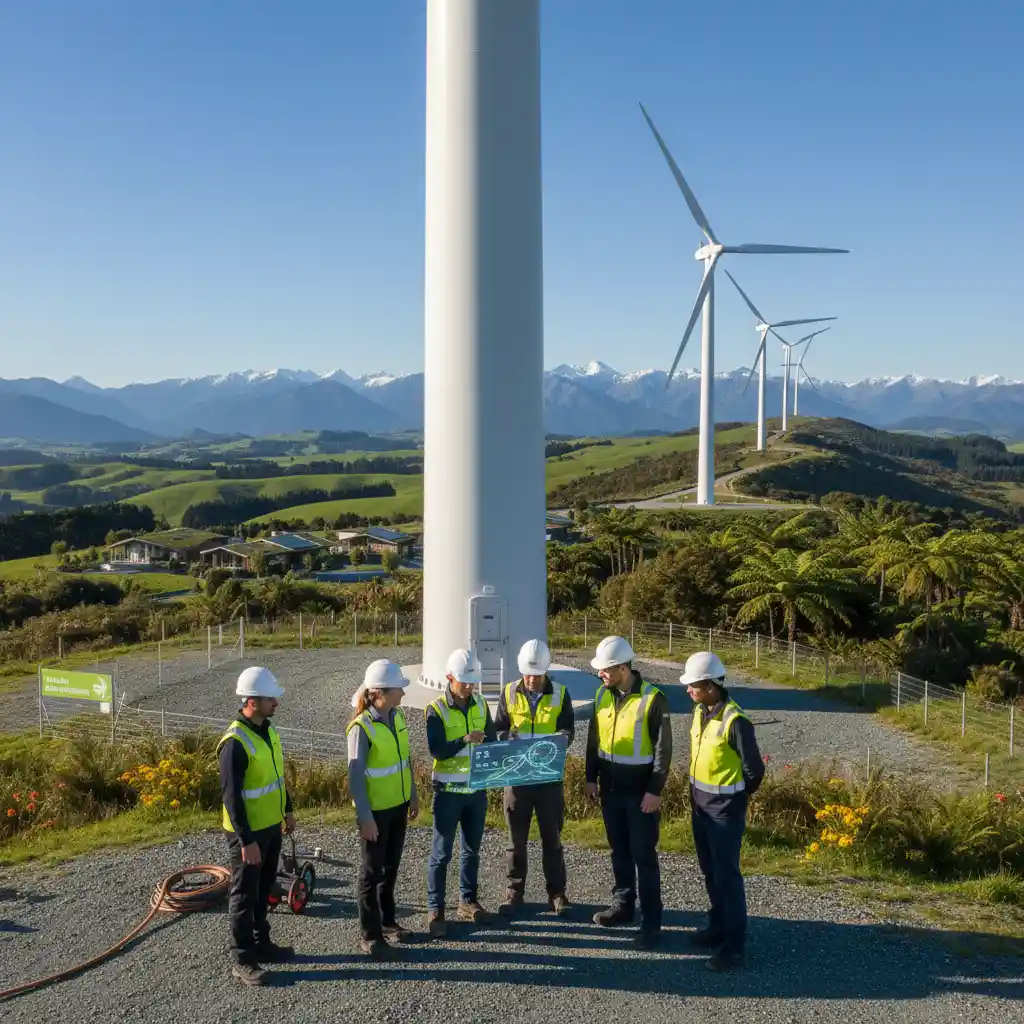
Stat Callout: The renewable energy sector employed 12 million people worldwide in 2020, an increase from 11.5 million in 2019, showcasing its resilience and growth potential even during global downturns. This trend positions renewable energy as a significant driver of post-pandemic employment recovery.
Investment and Capital Flow
The stability and predictability of renewable energy projects attract substantial private and public investment. These investments flow into local economies through project development, infrastructure upgrades, and the purchasing of goods and services. This capital infusion stimulates economic activity and contributes to GDP growth, fostering a robust foundation for post-pandemic recovery.
Reduced Energy Costs and Enhanced Security
As renewable technologies mature, their operational costs continue to fall. This translates into more stable and often lower energy prices for businesses and consumers, freeing up capital that can be reinvested or spent elsewhere in the economy. Furthermore, relying on indigenous renewable resources reduces vulnerability to volatile international fossil fuel markets, bolstering national energy security.
Driving Innovation and Local Resilience
The transition to renewable energy is not just about changing fuel sources; it’s a catalyst for widespread technological innovation and the development of more resilient local economies. This drive towards smarter, cleaner energy systems creates new industries and strengthens existing ones.
Technological Advancements
Significant breakthroughs in battery storage, smart grid technologies, and artificial intelligence for energy management are continually pushing the boundaries of what’s possible. These innovations enhance the efficiency and reliability of renewable systems, making them increasingly competitive and integrated into our daily lives. New Zealand, with its strong research capabilities, is well-positioned to contribute to and benefit from these advancements.
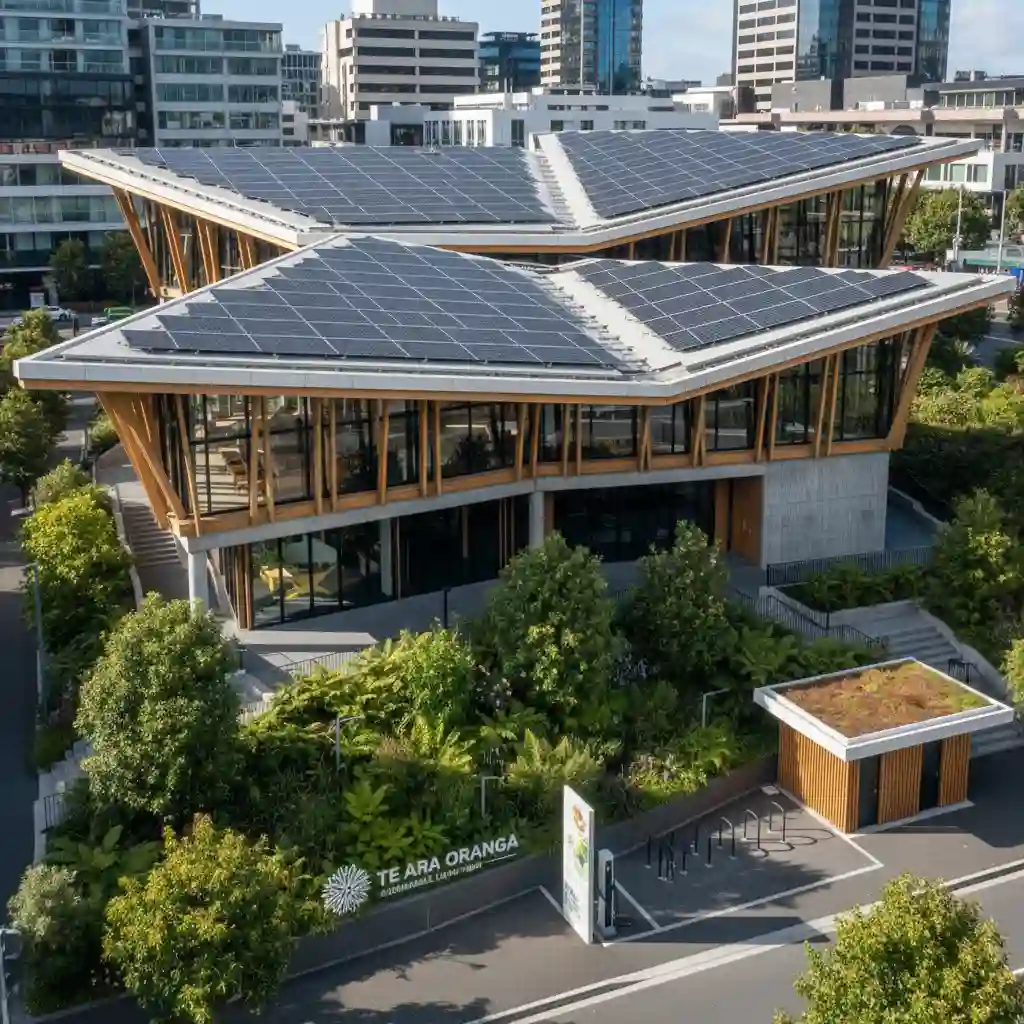
Stat Callout: The cost of solar photovoltaic (PV) electricity decreased by 85% between 2010 and 2020, while onshore wind power fell by 56%, making them the cheapest sources of new electricity generation in many parts of the world. This dramatic cost reduction highlights the economic viability of renewable energy’s role in post-pandemic economic recovery.
Decentralised Energy Systems
Renewables facilitate the creation of decentralised energy systems, where power is generated closer to where it’s consumed. This reduces transmission losses, enhances grid stability, and empowers local communities with greater control over their energy supply. Such resilience is invaluable, especially in the face of future disruptions.
Environmental and Social Co-Benefits
While the economic case for renewable energy is robust, its environmental and social benefits provide additional compelling reasons for accelerated adoption, aligning perfectly with New Zealand’s sustainable lifestyle values.
Climate Change Mitigation
The primary environmental benefit is the significant reduction in greenhouse gas emissions. Transitioning away from fossil fuels helps combat climate change, protect ecosystems, and preserve New Zealand’s unique natural beauty for future generations. This aligns with global climate goals and enhances the nation’s international standing.
Improved Public Health
Reduced reliance on fossil fuels also means improved air quality, leading to better public health outcomes. Lower rates of respiratory illnesses and other pollution-related conditions translate into reduced healthcare costs and a higher quality of life for all citizens.
Energy Equity and Access
Decentralised renewable solutions can bring electricity to remote areas, addressing energy poverty and providing essential services to underserved communities. This enhances social equity and ensures a more inclusive recovery, crucial for New Zealand’s commitment to well-being.
New Zealand’s Opportunity in the Green Recovery
New Zealand is uniquely positioned to lead in the green recovery. With its abundant natural resources – including significant geothermal, hydro, and wind potential – the nation already boasts one of the highest percentages of renewable electricity generation globally. However, there’s still ample scope for further investment and innovation, particularly in heat and transport.
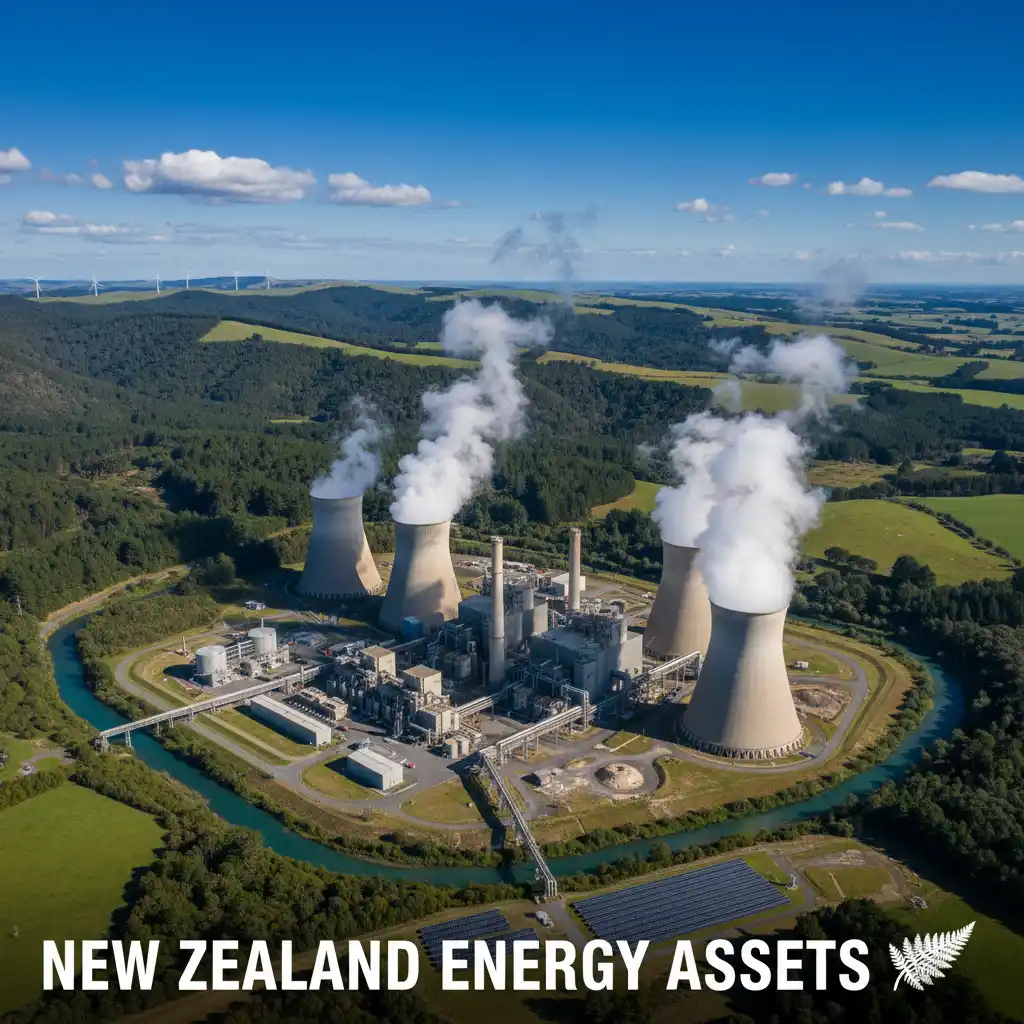
Stat Callout: New Zealand generates approximately 82% of its electricity from renewable sources, primarily hydro, geothermal, and wind. This strong foundation provides a competitive advantage for further green growth and cements renewable energy’s role in post-pandemic economic recovery.
Strategic policies, government incentives, and consumer engagement are vital to accelerating this transition. By continuing to prioritise renewable infrastructure and supporting green innovation, New Zealand can strengthen its economy, create future-proof jobs, and solidify its reputation as a global leader in sustainable living.
This shift isn’t merely about environmental protection; it’s about seizing an economic opportunity. By embracing renewable energy, New Zealand can achieve a more robust, equitable, and sustainable post-pandemic future.
Frequently Asked Questions
How does renewable energy contribute to economic recovery?
Renewable energy contributes through job creation in manufacturing, installation, and maintenance; attracting significant investment; reducing reliance on volatile fossil fuel prices; and fostering innovation in new technologies. These factors stimulate economic activity and build long-term resilience.
What types of jobs are created by the renewable energy sector?
The sector creates a wide array of jobs, including engineers (electrical, mechanical, civil), technicians (solar panel installers, wind turbine maintenance), project managers, researchers, manufacturing roles, and roles in sales and marketing for renewable energy products and services.
Is renewable energy truly cheaper than fossil fuels?
For new electricity generation, solar and wind power are now often the cheapest options globally, thanks to significant cost reductions over the last decade. While initial infrastructure costs can be high, the fuel source (sun, wind, water) is free, leading to lower operational costs and price stability over the long term.
How does New Zealand benefit specifically from a green recovery?
New Zealand benefits by leveraging its abundant natural resources (geothermal, hydro, wind) to further enhance energy independence, create high-value green jobs, attract international investment in sustainable technologies, and align its economic growth with its strong environmental values and climate commitments.
References & Sources
- International Renewable Energy Agency (IRENA). (2021). Renewable Energy and Jobs – Annual Review 2021. Retrieved from IRENA.org
- BloombergNEF (BNEF). (2021). Clean Energy Investment Trends. Retrieved from BNEF.com
- Ministry for the Environment. (Current Data). New Zealand’s Greenhouse Gas Inventory. Retrieved from Environment.govt.nz
- IEA (International Energy Agency). (2021). Renewables 2021: Analysis and forecast to 2026. Retrieved from IEA.org
- Our World in Data. (2023). Energy: Renewable Share. Retrieved from OurWorldInData.org