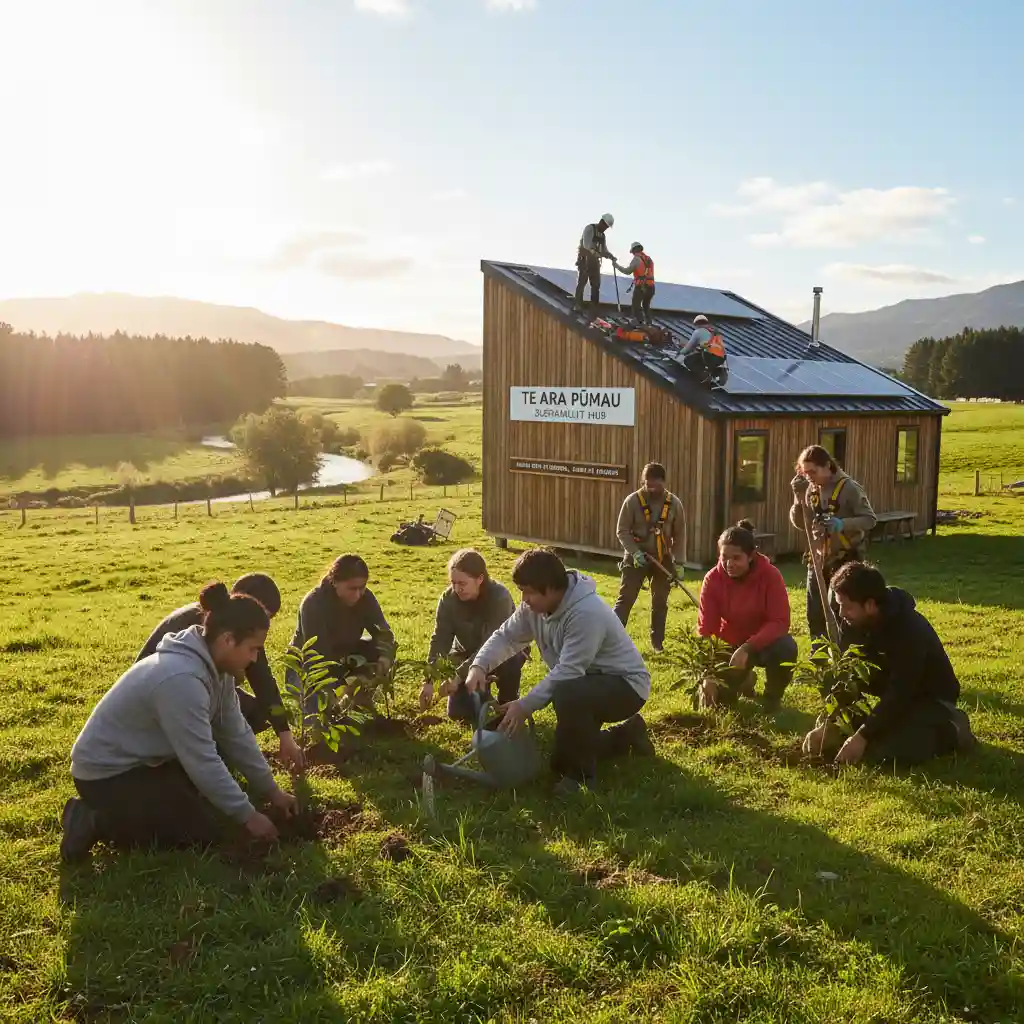
In an era defined by environmental consciousness and economic transition, the shift towards renewable energy isn’t just about cleaner air or reducing carbon footprints. It’s increasingly recognised as a powerful engine for economic growth and, more specifically, a significant creator of jobs. As New Zealand, a nation committed to sustainable practices, looks to bolster its green economy, understanding how renewable energy policies boost job creation becomes paramount.
From the solar panels gracing rooftops to the towering wind turbines dotting our landscapes, every green energy project requires a workforce. But it’s not simply the projects themselves; it’s the intelligent, forward-thinking government policies that catalyse this transformation, driving investment, innovation, and ultimately, employment across a diverse range of sectors. Let’s explain how these policies translate into tangible job opportunities.
Table of Contents
Introduction Anchor
The Green Revolution: Unpacking Job Creation Through Renewable Energy Policies
The global energy landscape is undergoing a profound transformation. As nations grapple with climate change and the imperative to decarbonise, renewable energy sources like solar, wind, hydro, and geothermal are taking centre stage. This paradigm shift isn’t merely environmental; it’s deeply economic. One of its most compelling aspects is how renewable energy policies are boosting job creation across the board.
Governments around the world, including New Zealand, are implementing a suite of policies to accelerate this transition. These policies are designed to incentivise investment, reduce risk for developers, and ultimately make clean energy more competitive and accessible. The ripple effect of these policy decisions extends far beyond energy production, stimulating economies by fostering new industries and creating a wide array of employment opportunities.
Understanding Renewable Energy Policies
At its core, a renewable energy policy is a government strategy aimed at promoting the generation and use of energy from sustainable sources. These policies come in various forms, each with unique mechanisms for stimulating growth and, consequently, job creation.
- Financial Incentives: These include tax credits, grants, subsidies, and feed-in tariffs (FITs), which guarantee a fixed price for renewable electricity fed into the grid. These mechanisms reduce the financial risk for investors and make renewable projects more attractive.
- Regulatory Frameworks: Policies like Renewable Portfolio Standards (RPS) or quotas mandate that a certain percentage of electricity must come from renewable sources. Carbon pricing mechanisms, such as New Zealand’s Emissions Trading Scheme (ETS), make fossil fuels more expensive, enhancing the competitiveness of renewables.
- Research & Development (R&D) Funding: Government investment in R&D fosters innovation, leading to more efficient and cost-effective renewable technologies, which in turn creates high-skilled jobs in science and engineering.
- Infrastructure Development: Policies that support grid modernisation and expansion help integrate more renewable energy, creating jobs in electrical engineering, construction, and smart grid management.
Stat Callout: Globally, the renewable energy sector employed 13.7 million people in 2022, a significant increase driven by supportive policy frameworks worldwide, marking consistent year-on-year growth. (Source: IRENA Annual Review)
How Renewable Energy Policies Create Jobs
The link between robust renewable energy policies and job creation is direct and multifaceted. By establishing clear targets, providing financial stability, and encouraging technological advancement, policies essentially create a fertile ground for green industries to flourish, demanding a diverse workforce.
Direct Job Creation
Direct jobs are those directly involved in the renewable energy industry. Policies that stimulate demand for renewable energy projects lead to immediate job openings across the project lifecycle:
- Manufacturing: Production of solar panels, wind turbine components, batteries, and other clean energy technologies.
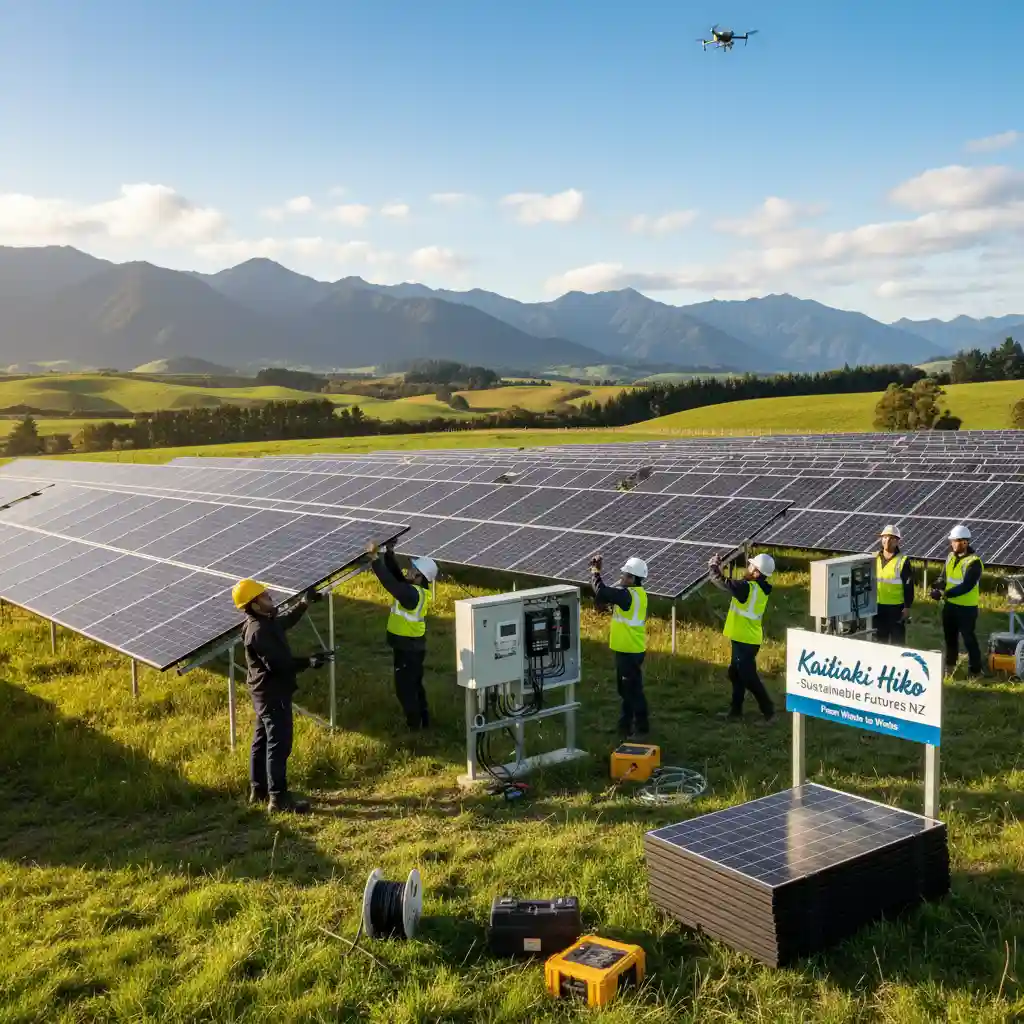
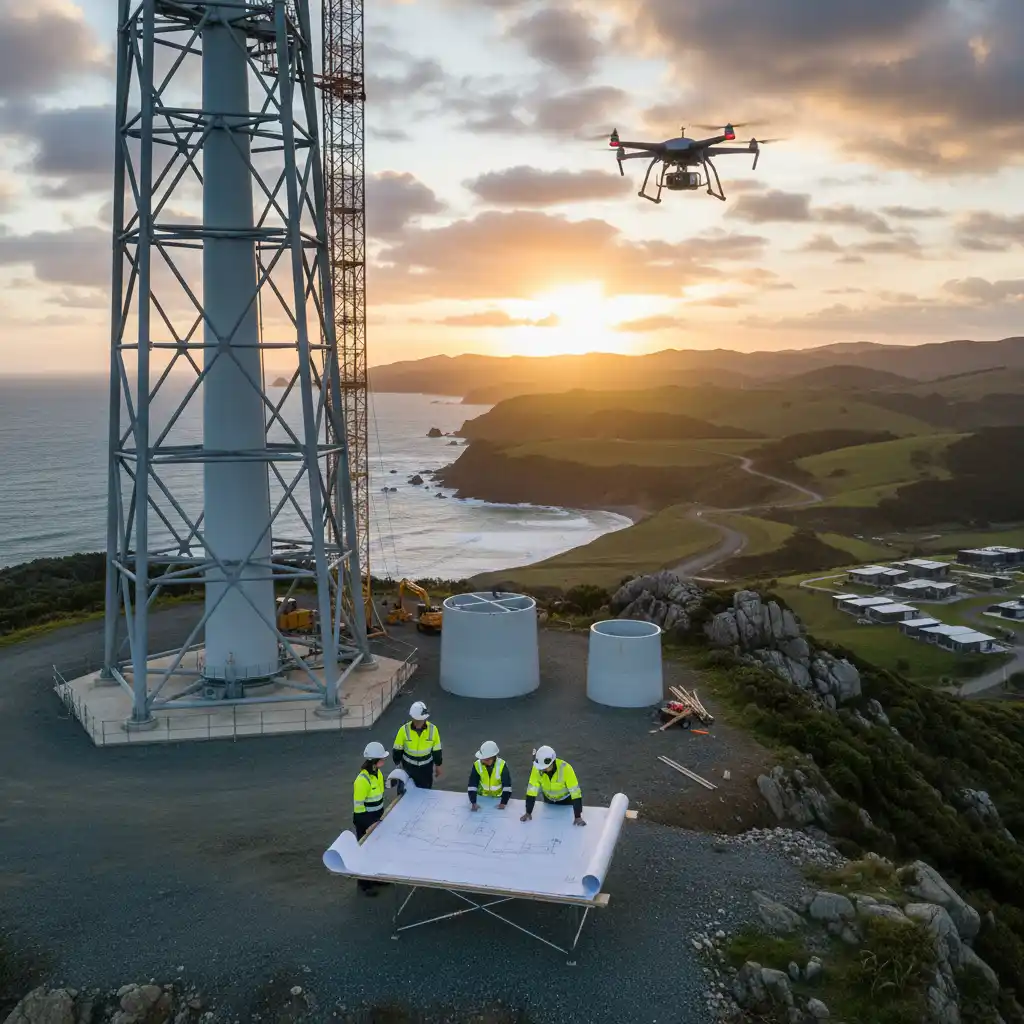
- Installation & Construction: On-site jobs for building solar farms, wind parks, geothermal plants, and upgrading existing infrastructure.
- Operations & Maintenance (O&M): Long-term roles for technicians, engineers, and specialists to ensure the efficient functioning of renewable energy facilities.
- Project Development: Roles in site assessment, legal, financing, and management necessary to bring projects from concept to completion.
Indirect and Induced Jobs
Beyond direct employment, renewable energy policies generate indirect and induced jobs:
- Indirect Jobs: These are created in the supply chain industries that support renewable energy projects. Think of companies supplying steel for wind turbines, silicon for solar panels, transportation services, or financial institutions funding projects.
- Induced Jobs: These arise from the increased spending by employees in the direct and indirect sectors. As green energy workers earn wages, they spend money on local goods and services – housing, food, retail, healthcare – stimulating broader economic activity and creating jobs in unrelated sectors.
Diverse Job Roles in the Green Economy
The green economy isn’t limited to engineers and technicians. It requires a vast array of skills and professions, showcasing how renewable energy policies are boosting job creation across various educational and professional backgrounds.
- Skilled Trades: Electricians, plumbers, welders, construction workers, and machinery operators are essential for installation and maintenance.
- STEM Professionals: Electrical engineers, mechanical engineers, environmental scientists, data analysts, and software developers drive innovation and project design.
- Project Management & Business: Project managers, financial analysts, policy advisors, sales and marketing professionals, legal experts, and human resources specialists are vital for managing projects and businesses.
- Research & Education: Scientists researching new materials, educators training the next generation of green workers, and policy researchers contribute to long-term growth.

“Investing in renewable energy isn’t just about reducing emissions; it’s a strategic investment in our economic future, creating skilled jobs and fostering innovation right here in New Zealand, ensuring a resilient and sustainable pathway forward.”
Economic Ripple Effects & Broader Benefits
Beyond direct and indirect employment, the consistent application of renewable energy policies generates broader economic and societal benefits:
- Local Economic Development: Many renewable projects, especially wind and solar farms, are located in rural areas, bringing much-needed investment and job opportunities to regional communities.
- Energy Security & Independence: Reduced reliance on imported fossil fuels means less exposure to volatile international energy markets, keeping energy costs stable and retaining wealth within the national economy.
- Innovation & Competitiveness: Policies foster a competitive environment for innovation, leading to new technologies and services that can be exported, enhancing national economic competitiveness.
- Improved Public Health: Shifting away from fossil fuels reduces air pollution, leading to public health benefits and reduced healthcare costs, indirectly boosting economic productivity.
Stat Callout: A study on policy effectiveness revealed that for every $1 million invested in renewable energy projects, an estimated 7-10 local jobs are created across various sectors, significantly impacting regional economies. (Source: Economic Policy Institute analysis)
New Zealand’s Path to Green Jobs
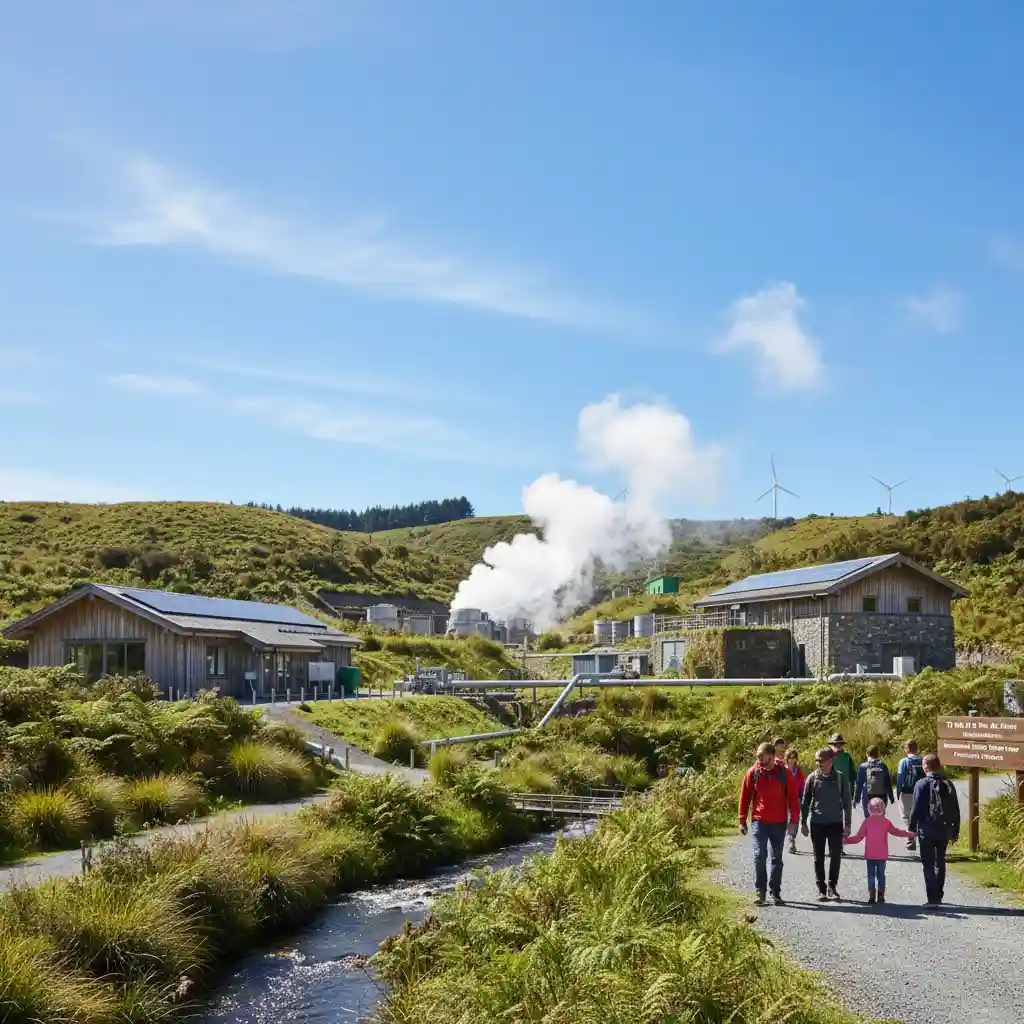
New Zealand, with its abundant geothermal, hydro, wind, and solar resources, is uniquely positioned to benefit from robust renewable energy policies. The nation’s commitment to generating 100% of its electricity from renewable sources by 2030, and its broader carbon-neutral goals, are powerful drivers for green job creation.
Policies such as the Emissions Trading Scheme, coupled with strategic investments in new renewable capacity, are directly fostering a growing demand for skilled workers. From the North Island’s geothermal expertise to the South Island’s hydro-electric legacy and emerging wind farms, New Zealand’s commitment to clean energy is creating a sustainable future and a vibrant job market.
Addressing Challenges & Future Outlook
While the outlook for green jobs is overwhelmingly positive, certain challenges need addressing to maximise the benefits of renewable energy policies boosting job creation.
- Workforce Retraining: Transitioning workers from fossil fuel industries to renewable sectors requires targeted training and upskilling programmes.
- Policy Stability: Long-term, consistent policy frameworks are crucial to provide certainty for investors and ensure sustained job growth.
- Supply Chain Development: Fostering local manufacturing and supply chains can maximise domestic job creation and reduce reliance on imports.
- Innovation: Continued investment in R&D ensures New Zealand remains at the forefront of renewable energy technology.
The trajectory is clear: well-designed renewable energy policies are not just environmental necessities but economic powerhouses. For New Zealand, embracing and strengthening these policies means securing a cleaner, more prosperous future with abundant opportunities for its workforce.
Stat Callout: Projections indicate that by 2030, the global renewable energy workforce could reach over 40 million people, highlighting the long-term potential for job creation with sustained policy support. (Source: International Renewable Energy Agency Outlook)
Frequently Asked Questions
What are renewable energy policies?
What are renewable energy policies?
Renewable energy policies are government-led initiatives designed to accelerate the adoption and deployment of clean energy technologies. These can include financial incentives like tax credits, grants, and feed-in tariffs; regulatory measures such as renewable portfolio standards and carbon pricing; and support for research, development, and infrastructure. They create a stable and attractive environment for investment in the green sector.
How do these policies directly create jobs?
How do these policies directly create jobs?
Policies stimulate demand for renewable energy technologies and projects. This demand directly translates to jobs in manufacturing components (solar panels, wind turbine blades), engineering and design, installation and construction, operations and maintenance, and project development. Specific policies, like manufacturing incentives or installation mandates, can even bring factory jobs and construction roles to local regions.
What types of jobs are created in the renewable sector?
What types of jobs are created in the renewable sector?
The renewable sector creates a wide array of jobs, from highly skilled technical roles to administrative and support positions. Examples include solar panel installers, wind turbine technicians, geothermal engineers, energy efficiency auditors, manufacturing workers, project managers, data analysts, environmental consultants, and policy analysts. There are also numerous indirect jobs in supply chains (e.g., raw material suppliers, logistics) and induced jobs in local services (e.g., retail, hospitality) that support the green workforce.
How do renewable energy jobs benefit local economies?
How do renewable energy jobs benefit local economies?
Renewable energy projects often require significant local labor and materials, injecting capital directly into regional economies. New jobs lead to increased consumer spending, tax revenues, and the growth of supporting businesses (e.g., hospitality, logistics, retail). This economic activity can revitalize communities, particularly in rural areas where large-scale renewable facilities are often located, providing stable, long-term employment.
Is New Zealand actively creating green jobs through policy?
Is New Zealand actively creating green jobs through policy?
Yes, New Zealand has committed to ambitious climate goals, including generating 100% of its electricity from renewable sources by 2030, and is exploring a carbon-neutral economy by 2050. Policies like the Emissions Trading Scheme (ETS) and investments in geothermal, hydro, wind, and solar projects are fostering a growing green sector. This transition naturally creates demand for a skilled workforce in renewable energy development, installation, maintenance, and related services across the country, aligning with the broader goal of renewable energy policies boosting job creation.
References & Sources
- International Renewable Energy Agency (IRENA) – ‘Renewable Energy and Jobs – Annual Review’ publications, various years.
- United Nations Environment Programme (UNEP) – ‘Green Economy Report’ and related publications.
- Economic Policy Institute – Research on green job creation and economic impacts of clean energy investments.
- New Zealand Ministry for the Environment – ‘Our climate change targets’ and policy documents related to the Emissions Trading Scheme (ETS) and renewable energy strategy.
- Various academic journals focusing on energy policy, labour market impacts, and sustainable development.