Reduce Waste: The Eco Benefits of Second-Hand Items
Embrace a more sustainable lifestyle in New Zealand by discovering the profound environmental advantages of choosing pre-loved goods.
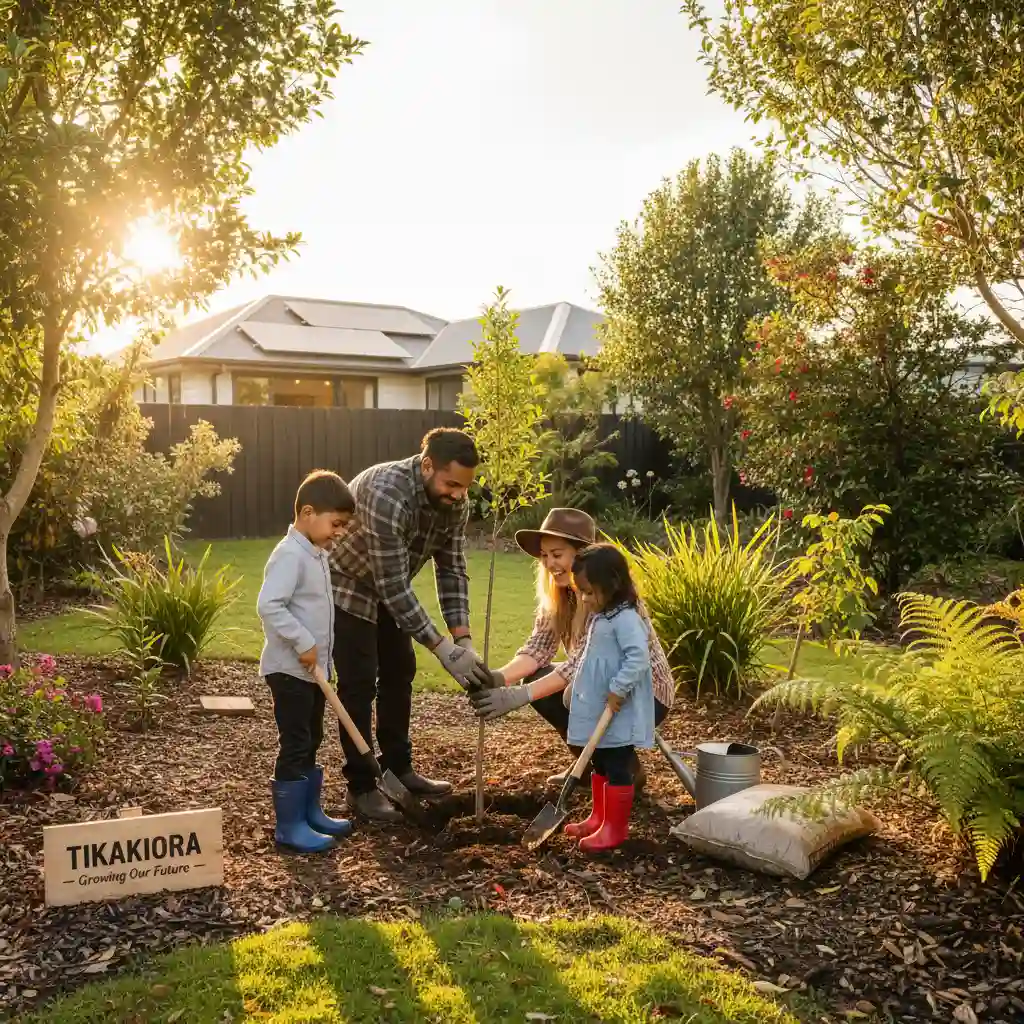
In a world increasingly grappling with environmental challenges, conscious consumption has never been more critical. As New Zealanders, we pride ourselves on our pristine natural environment, yet our consumption habits often tell a different story. Shifting our focus from constant new purchases to embracing second-hand items is a powerful, accessible way to significantly reduce waste and champion a sustainable future.
This article delves into the manifold eco benefits of second-hand items, illustrating how your choices can contribute to a healthier planet, support a thriving circular economy, and even enrich your own life with unique finds. From fashion to furniture, electronics to books, the pre-loved market offers a treasure trove of opportunities to make a real difference.
Table of Contents
The Environmental Cost of New Production
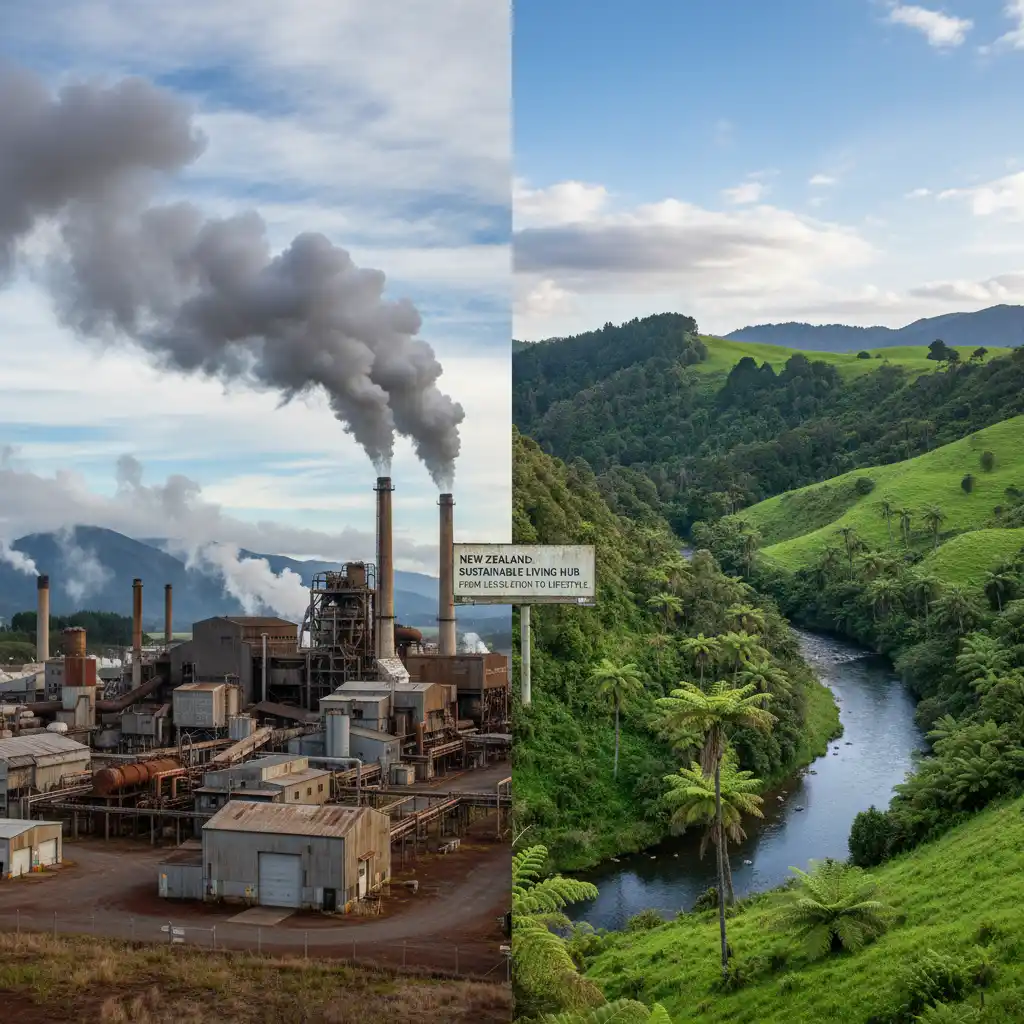
Before we dive into the positive impact of second-hand goods, it’s crucial to understand the flip side: the significant environmental toll exacted by manufacturing new items. Every new product, from a smartphone to a t-shirt, requires raw materials, energy for production and transport, and often results in waste and pollution.
“The fastest way to reduce waste is to stop making so much of it in the first place. Choosing second-hand means opting out of the extractive linear economy.”
This linear ‘take-make-dispose’ model is unsustainable. It depletes finite resources, generates enormous amounts of waste, and contributes heavily to climate change through greenhouse gas emissions. By choosing to reuse items, we directly challenge this model.
Key Eco Benefits of Choosing Second-Hand
Making the switch to second-hand isn’t just about saving money; it’s a powerful act of environmental stewardship. Here’s how buying pre-loved items helps reduce waste and benefits our planet.
Reduce Waste and Landfill Burden
One of the most immediate and tangible benefits is diverting items from landfills. Every item purchased second-hand is one less item manufactured new, and one less item potentially heading for disposal prematurely. This directly helps to reduce waste streams.
Globally, humans produce over 2 billion tonnes of waste annually. Extending the life of products through reuse can drastically cut this figure. (Source: World Bank)
In New Zealand, despite efforts to recycle, significant volumes of usable items still end up in landfills. Opting for second-hand offers a practical solution to this ongoing problem.
Conserve Natural Resources
Manufacturing new goods demands vast quantities of raw materials – timber, metals, plastics, cotton, water, and more. When you buy second-hand, you’re not contributing to the demand for these new resources. You’re effectively giving an existing product a second life, conserving our planet’s finite natural capital.
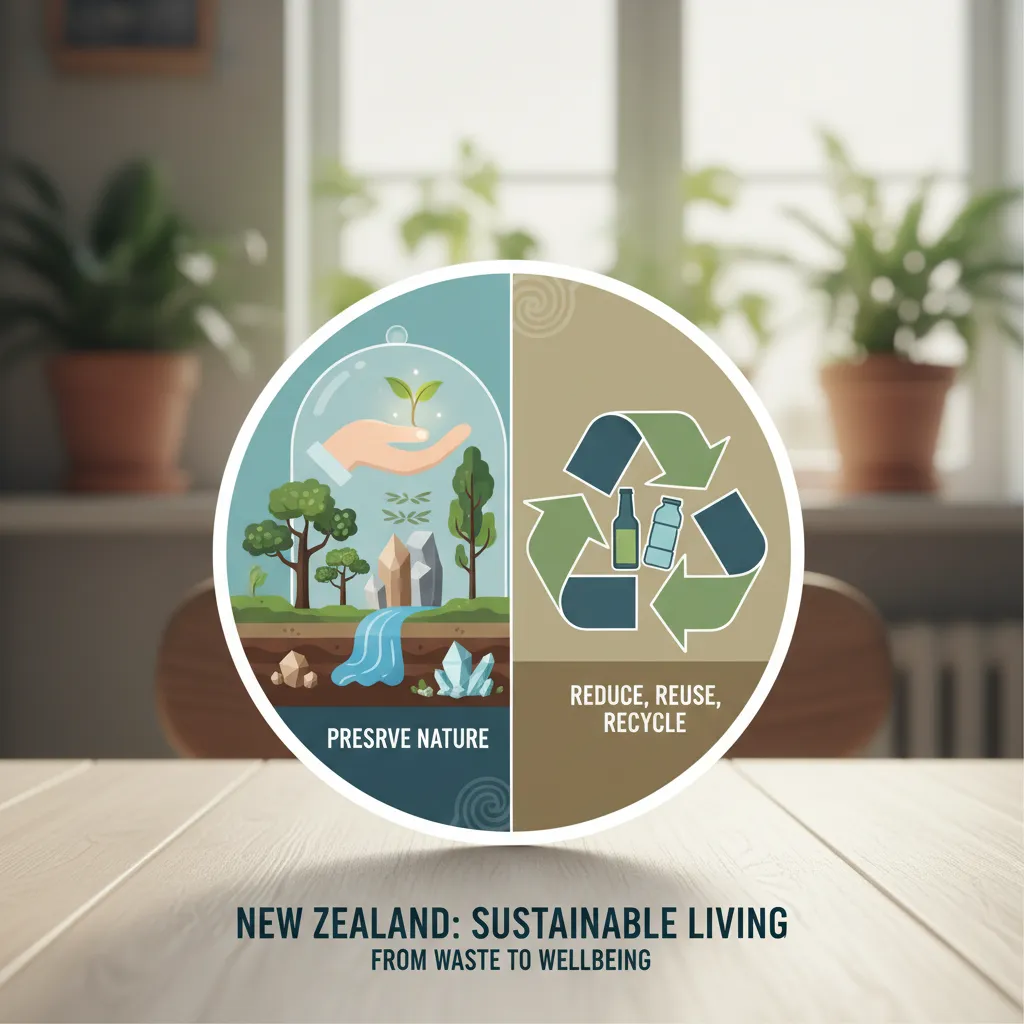
This is particularly vital for products like clothing, which are notoriously resource-intensive to produce. Think of the water required to grow cotton or the oil used to make synthetic fabrics.
Lower Your Carbon Footprint
Every stage of a product’s life cycle – from extraction and manufacturing to transportation – generates greenhouse gas emissions. By purchasing items that have already been produced, you bypass these initial energy-intensive steps, significantly reducing your personal carbon footprint. This is a direct way to contribute to combating climate change.
Buying just one second-hand item can reduce its carbon emissions by up to 82% compared to buying new. (Source: thredUP 2023 Resale Report)
Minimise Pollution and Chemical Use
Manufacturing processes often involve harmful chemicals, dyes, and pollutants that contaminate air and water. By choosing second-hand, you reduce the demand for new production, thereby lessening the release of these detrimental substances into our environment. This is especially true for industries like textiles, where chemical use is rampant.
Support a Circular Economy
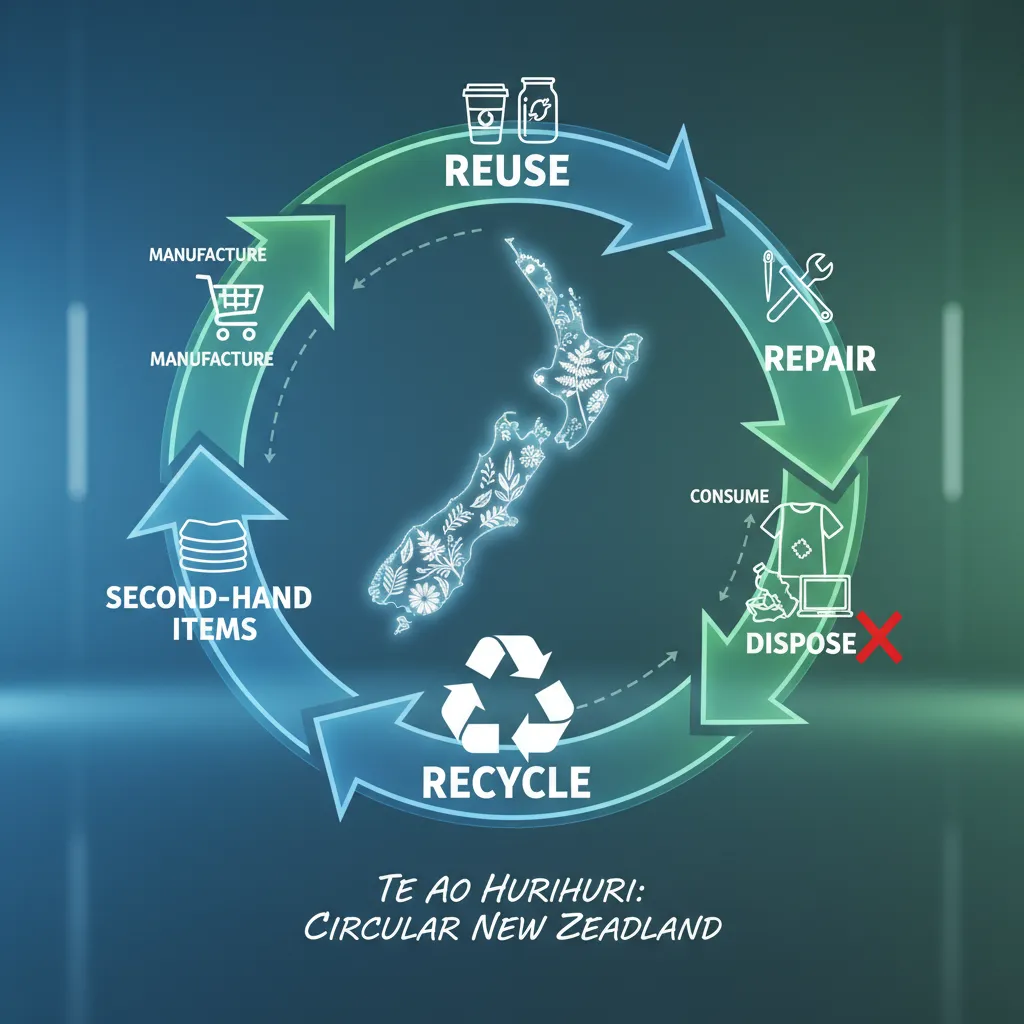
Embracing second-hand goods is fundamental to a circular economy – a system designed to keep products, components, and materials at their highest utility and value at all times. Instead of the linear ‘take-make-dispose’ model, a circular economy promotes reuse, repair, and recycling. Your choice to buy pre-loved actively supports this more sustainable economic model.
Embracing Second-Hand in New Zealand: Practical Steps
New Zealand offers a fantastic network for second-hand shopping. Integrating pre-loved items into your lifestyle is easier than ever.
Where to Find Pre-Loved Treasures
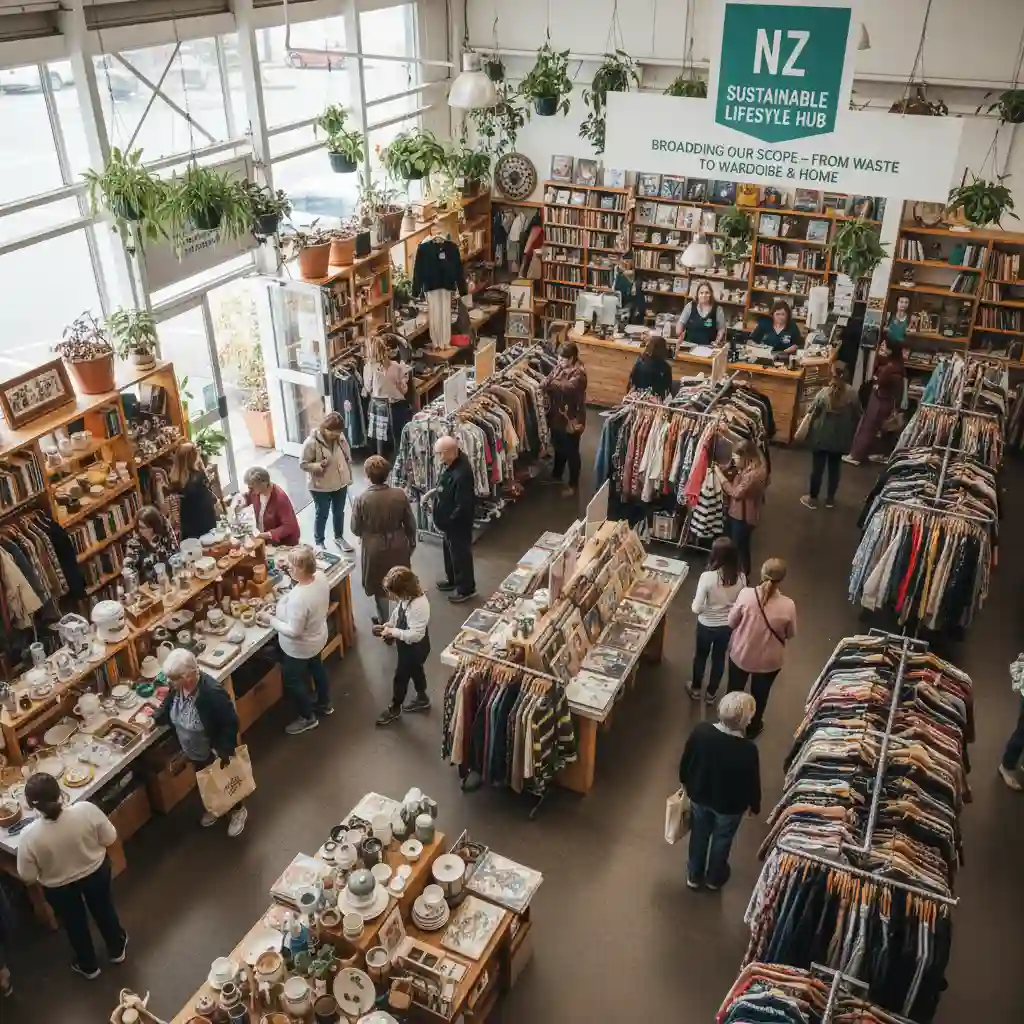
- Op-Shops & Thrift Stores: A Kiwi institution! Charities like Hospice, Salvation Army, Red Cross, and St. Vincent de Paul offer clothing, books, homewares, and sometimes furniture at bargain prices.
- Online Marketplaces: Websites like Trade Me, Facebook Marketplace, and local buy/sell groups are excellent for finding specific items, from electronics to vintage furniture.
- Local Markets & Garage Sales: Keep an eye out for community markets and weekend garage sales for unique finds and direct engagement with sellers.
- Specialty Second-Hand Stores: Many cities have dedicated second-hand bookshops, vintage clothing boutiques, or antique stores offering curated collections.
Repair, Upcycle, and Share
Beyond buying second-hand, extend the life of items you already own:
- Repair Cafes: Many communities now host repair cafes where volunteers help you fix broken items, from electronics to clothing.
- Upcycling Projects: Give old furniture or decor a new look with paint, new fabric, or creative modifications.
- Borrowing & Sharing: Consider borrowing tools, equipment, or even clothes for special occasions from friends, family, or community libraries of things.
Take Action: Your Second-Hand Checklist
Ready to make a tangible difference? Use this checklist to integrate second-hand into your lifestyle and further reduce waste.
- Before Buying New: Always check for a second-hand option first. Can you find it pre-loved?
- Explore Local Op-Shops: Dedicate a day to explore charity shops in your area for hidden gems.
- Set Up Online Alerts: For specific items (e.g., a particular piece of furniture), set up alerts on Trade Me or Facebook Marketplace.
- Host a Swap Meet: Organise a clothing or book swap with friends, family, or neighbours.
- Learn Basic Repairs: Master simple sewing or basic electronics fixes to extend item lifespans.
- Donate Responsibly: Ensure items you’re no longer using are clean and in good condition before donating.
- Challenge Yourself: Try a ‘second-hand only’ month for certain purchases (e.g., clothes, books).
Conclusion: A Sustainable Choice for Aotearoa
The choice to embrace second-hand items is more than a trend; it’s a fundamental shift towards a sustainable lifestyle. By actively seeking out pre-loved goods, New Zealanders can play a vital role in reducing waste, conserving precious resources, lowering carbon emissions, and fostering a robust circular economy.
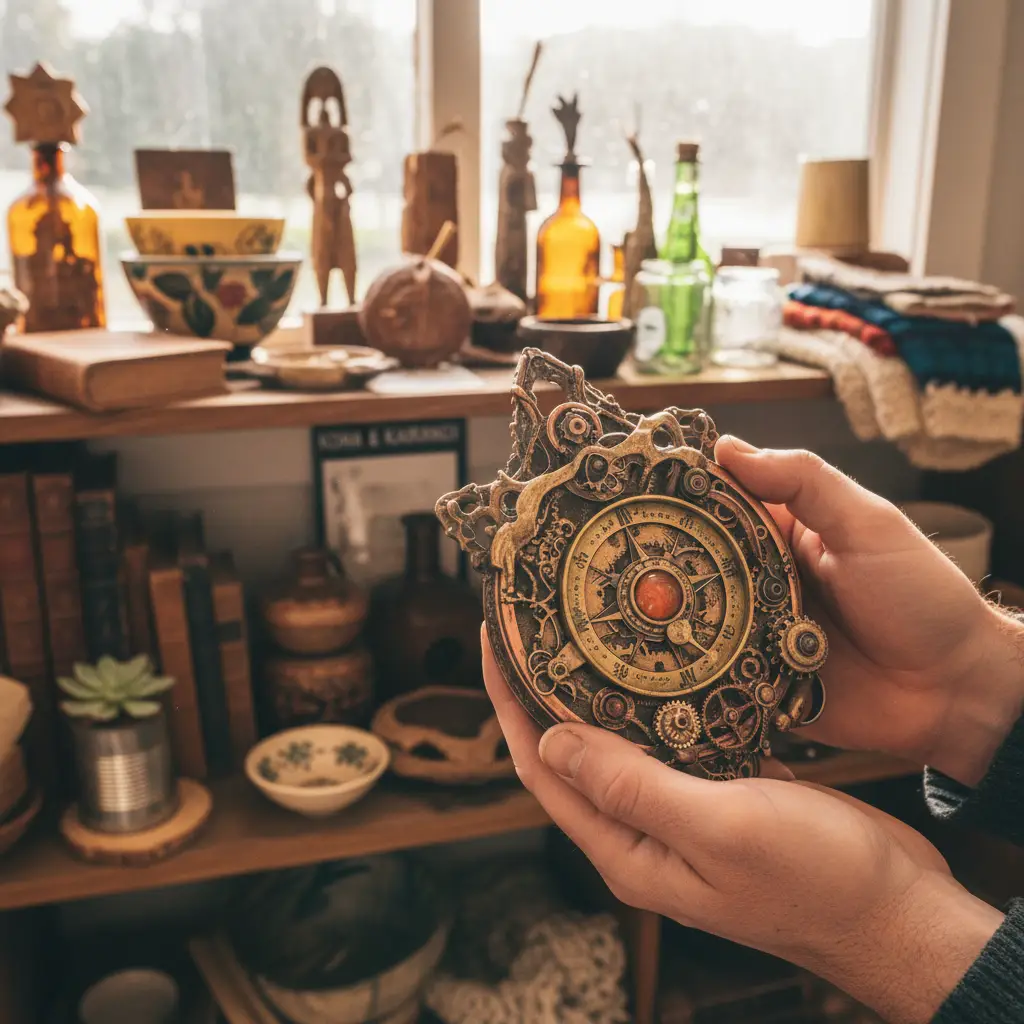
Every second-hand purchase is a vote for sustainability, a conscious decision to value existing resources over continuous new production. Let’s continue to build a future where ‘new to you’ is the preferred way to shop, making a positive impact on our beautiful Aotearoa and the world.
Frequently Asked Questions (FAQ)
Q: Is buying second-hand truly more sustainable?
A: Yes, absolutely. Buying second-hand extends the life of existing products, significantly reducing the demand for new manufacturing. This in turn conserves raw materials, reduces energy consumption, lowers carbon emissions, and diverts items from landfills, all contributing to a more sustainable consumption model.
Q: What kind of items are best to buy second-hand?
A: Almost anything can be bought second-hand! Popular choices include clothing, furniture, books, electronics, kitchenware, and decorative items. For items like safety equipment (e.g., car seats, bike helmets), it’s often recommended to buy new or research specific safety guidelines for used items.
Q: How can I ensure the second-hand items I buy are clean and safe?
A: For clothing and textiles, washing them thoroughly before use is always recommended. For furniture, a good clean and inspection for pests are wise. For electronics, test them before purchasing if possible. Most reputable second-hand stores curate their stock for quality and cleanliness.
Q: Where are the best places to find second-hand items in New Zealand?
A: New Zealand has a vibrant second-hand market. Excellent places include charity op-shops (e.g., Hospice, Salvation Army), online marketplaces (Trade Me, Facebook Marketplace), local community markets, garage sales, and dedicated vintage or antique stores. Check local listings for what’s available in your area.
References & Sources
- World Bank. (2018). What a Waste 2.0: A Global Snapshot of Solid Waste Management to 2050. Retrieved from World Bank Website
- thredUP. (2023). 2023 Resale Report. Retrieved from thredUP Website
- Ellen MacArthur Foundation. (n.d.). Circular Economy Introduction. Retrieved from Ellen MacArthur Foundation Website
- Ministry for the Environment. (n.d.). Waste and recycling in New Zealand. Retrieved from Ministry for the Environment (New Zealand)