Reduce Plastic Waste: A Guide for New Zealanders
Empowering Aotearoa to embrace a more sustainable, plastic-free lifestyle.
Plastic. It’s everywhere. From our daily groceries to the remote, pristine shores of Aotearoa, its pervasive presence is undeniable. While incredibly useful in countless applications, our reliance on single-use plastics has created a global crisis, contributing to pollution, harming wildlife, and impacting our health. For New Zealanders, safeguarding our unique environment – our stunning beaches, native forests, and rich marine life – is deeply ingrained in our national identity.
This guide offers practical, actionable steps for individuals and households across New Zealand to significantly reduce plastic waste. Moving beyond the complexities of technical waste management and legislation, we focus on empowering you with choices that make a real difference, contributing to a greener, healthier future for our beautiful country.
The Plastic Problem in Aotearoa
New Zealand, despite its clean, green image, faces significant challenges with plastic waste. Our relatively small population still generates a substantial amount of waste, and plastic is a major component. Much of it ends up in landfills, where it can take hundreds of years to decompose, or worse, pollutes our precious waterways and oceans.
Did you know?
New Zealanders send approximately 252,000 tonnes of plastic waste to landfills annually. That’s a staggering amount, underscoring the urgent need for collective action to reduce plastic waste at the source.
The good news is that reducing your plastic footprint isn’t as daunting as it might seem. Small, consistent changes can lead to significant impacts when adopted widely across our communities.

Key Strategies to Reduce Plastic Waste in New Zealand
Transitioning to a lower-plastic lifestyle involves mindful choices in various aspects of your daily routine. Here’s a step-by-step guide to help you get started:
1. Audit Your Plastic Use
Before you can effectively reduce, you need to know where plastic is sneaking into your life. Spend a week observing your habits. What single-use plastics do you regularly encounter? This might include coffee cups, takeaway containers, plastic bags, produce bags, cling wrap, and toiletry bottles.
- Kitchen: Identify plastic packaging on food items, cleaning products, and storage solutions.
- Bathroom: Note plastic bottles for shampoo, conditioner, soap, and disposable razors.
- On the Go: Observe single-use coffee cups, plastic water bottles, and takeaway containers.
“Understanding your personal plastic footprint is the crucial first step towards a more sustainable journey. Awareness empowers action.”
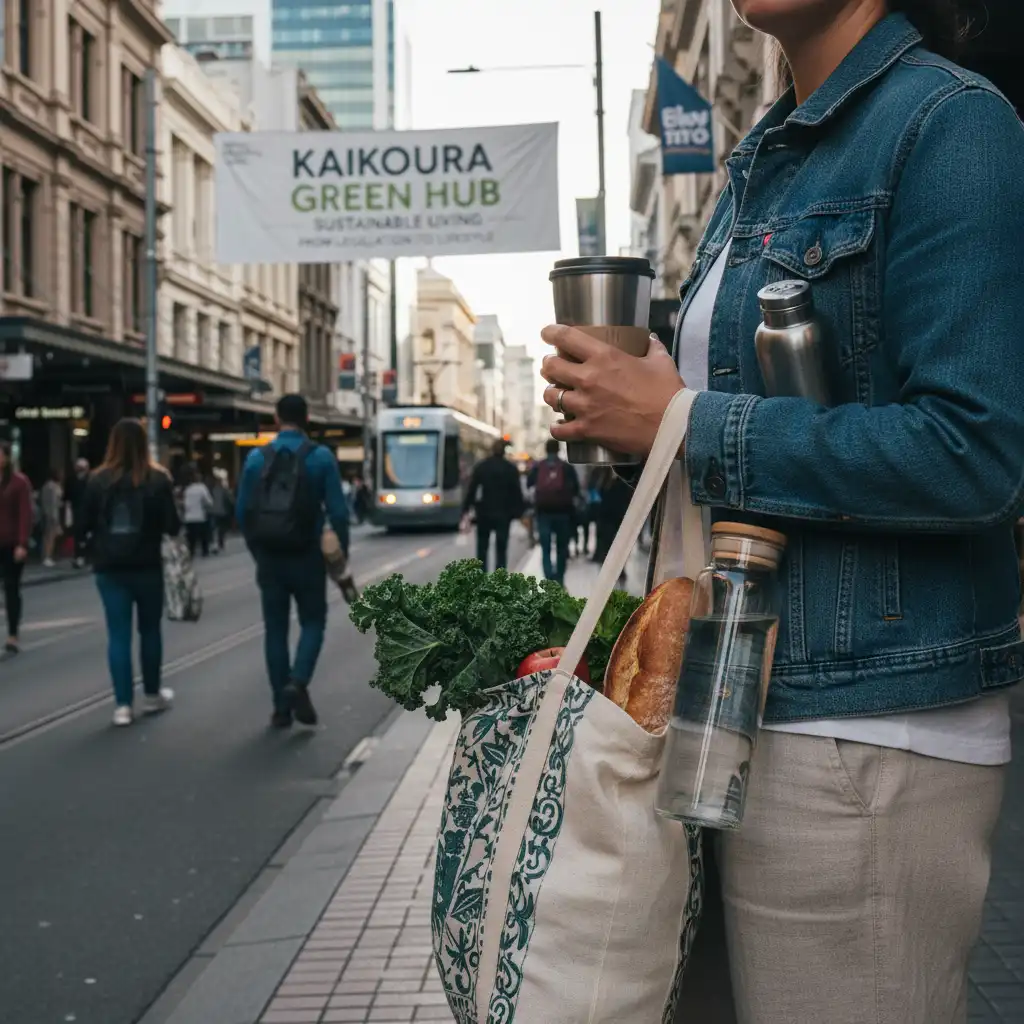
2. Embrace Reusables for Everyday Life
The ‘reduce’ part of ‘reduce, reuse, recycle’ is the most impactful. Swapping disposables for durables is a game-changer.
- Shopping Bags: Always carry multiple reusable shopping bags. Keep some in your car, handbag, or backpack.
- Coffee Cups & Water Bottles: Invest in a good quality reusable coffee cup and water bottle. Many cafes in NZ offer discounts for bringing your own cup.
- Food Containers: Bring your own containers for takeaways or when buying deli items, meat, or cheese from local shops.
- Produce Bags: Use mesh produce bags for fruits and vegetables instead of the thin plastic bags provided in supermarkets.
3. Shop Smart and Support Local
Your purchasing power is immense. Choose products with minimal or no plastic packaging.
- Bulk Bins: Seek out bulk food stores (increasingly common in NZ cities) where you can fill your own containers with staples like grains, nuts, seeds, and even liquids.
- Farmers Markets: Shop at local farmers’ markets. You’ll find fresh, unpackaged produce and can often talk directly to producers about their packaging practices.
- Package-Free Options: Look for shampoo bars, soap bars, bamboo toothbrushes, and refillable cleaning products.
- Second-Hand: Before buying new, consider second-hand items. This reduces demand for new production and associated packaging.
4. Recycle Right, Repurpose, and Compost
While reducing and reusing are paramount, proper recycling is still essential for plastics that can’t be avoided. However, recycling rules can vary across New Zealand councils.
- Know Your Local Rules: Check your local council’s website for specific guidelines on what plastics (numbered 1-7) they accept. Rinse containers thoroughly!
- Soft Plastics Recycling: Look for soft plastic recycling drop-off points (often found at supermarkets) for items like bread bags, frozen vegetable bags, and cling film. This scheme is separate from kerbside recycling.
- Compost Organics: Many food scraps and garden waste can be composted, reducing the need for plastic rubbish bags and landfill space.
- Upcycle & Repurpose: Get creative! Old plastic containers can become storage, craft supplies, or seed starters.

5. Advocate for Broader Change
Individual actions are powerful, but collective voice amplifies impact. You can contribute to systemic change:
- Speak Up: Give feedback to businesses about excessive plastic packaging.
- Support Policy: Stay informed about government initiatives to reduce plastic and support policies that promote sustainable practices.
- Educate Others: Share your knowledge and encourage friends and family to adopt plastic-reducing habits.

Beyond the Basics: Community & Policy
New Zealand is making strides at a national level. Recent bans on single-use plastic bags and various problematic plastic items (like plastic straws and produce bags) signal a commitment to a less wasteful future. Supporting these initiatives and participating in local community clean-ups or zero-waste groups can amplify your impact and help foster a culture of sustainability across Aotearoa.
Your Action Checklist to Reduce Plastic Waste
Ready to make a tangible difference? Here’s a quick checklist to kickstart your journey:
- ✔️ Carry Reusables: Always have a reusable bag, coffee cup, and water bottle.
- ✔️ Shop Bulk: Utilise bulk food stores and bring your own containers.
- ✔️ Choose Unpackaged: Prioritise fresh produce and products without plastic.
- ✔️ Personal Care Swap: Switch to solid shampoo, conditioner, and soap bars.
- ✔️ Know Your Recycling: Understand your local council’s recycling rules and use soft plastic recycling.
- ✔️ Support Green Businesses: Patronise businesses committed to reducing plastic.
- ✔️ Refuse & Reduce: Politely decline single-use items you don’t need.
Every small step contributes to a larger movement. By actively choosing to reduce plastic waste, New Zealanders can lead the way in protecting our unique natural heritage for generations to come. Your choices matter.
Frequently Asked Questions (FAQ)
What are the biggest plastic waste issues facing New Zealand?
New Zealand faces challenges with the volume of plastic sent to landfill, marine plastic pollution affecting our coastlines and wildlife, and the complexities of recycling various plastic types. Single-use plastics, especially in food packaging, remain a significant contributor.
Is all plastic recyclable in New Zealand?
No, not all plastics are recyclable. Kerbside recycling typically accepts plastics numbered 1, 2, and 5, though this can vary by council. Soft plastics (like bags and wraps) require separate drop-off points, and plastics 3, 4, 6, and 7 are often not accepted in standard kerbside bins.
How can I find bulk food stores in my local NZ area?
Many New Zealand cities and towns have dedicated bulk food stores or sections within larger supermarkets. A quick online search for “bulk food store [your city/town]” or “zero waste shop [your city/town]” should provide local options.
What are some easy swaps for plastic in my bathroom?
Simple swaps include using shampoo and conditioner bars, solid soap bars, bamboo toothbrushes, reusable cotton rounds instead of disposable wipes, and refillable liquid soap dispensers.
How can I get my workplace or school to reduce plastic?
Start by advocating for reusable coffee cup policies, providing filtered water stations, implementing proper recycling systems, and encouraging plastic-free lunch choices. Lead by example and gather support from colleagues or fellow students.
References & Sources
- Ministry for the Environment. (n.d.). Reducing waste in New Zealand. environment.govt.nz
- WasteMINZ. (n.d.). Plastic facts & figures. wasteminz.org.nz
- Soft Plastic Recycling Scheme. (n.d.). Find a store. recycling.kiwi.nz
- Zero Waste Network Aotearoa. (n.d.). Promoting zero waste in NZ communities. zerowaste.co.nz
- Stats NZ. (2022). Waste and recycling in New Zealand. stats.govt.nz