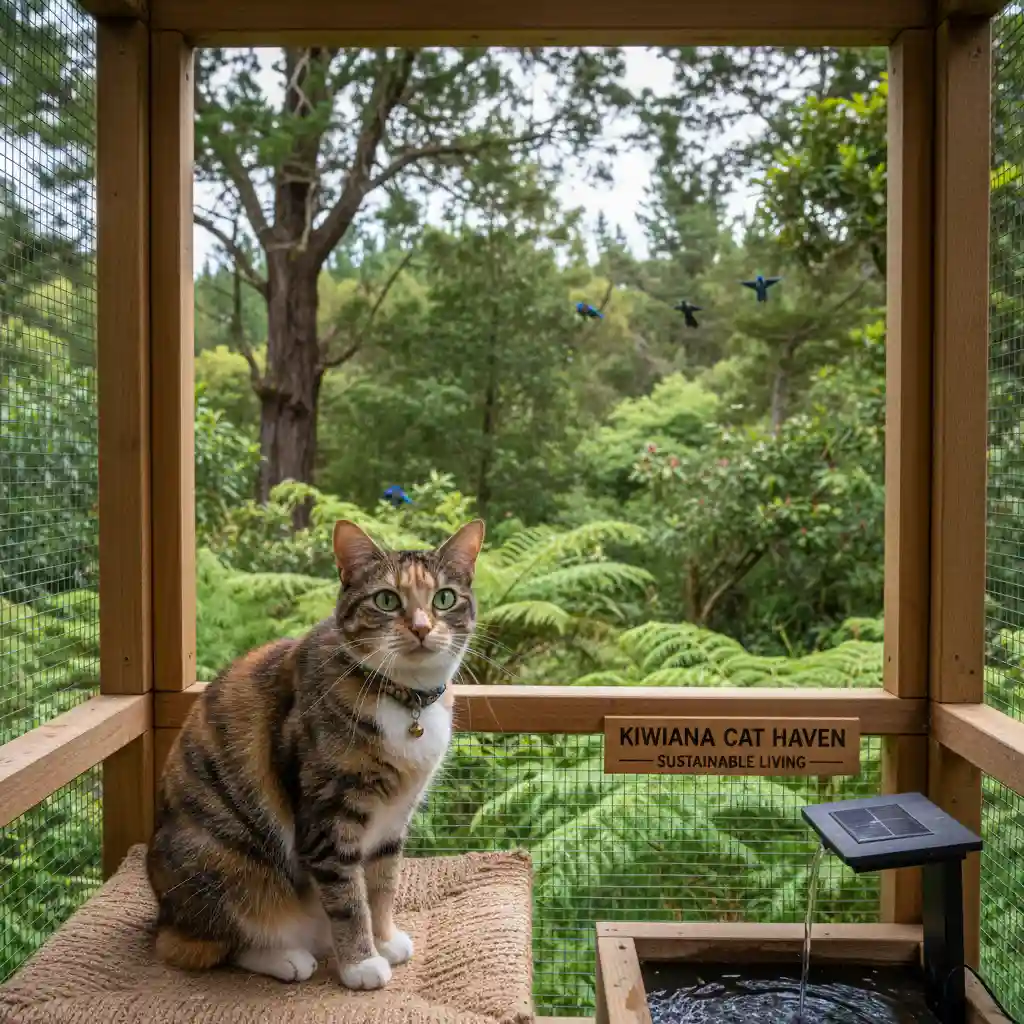
Pet Owners Embrace Sustainable Food: Trends & Awareness
A deep dive into the growing movement of eco-conscious choices for our beloved companions in Aotearoa and beyond.
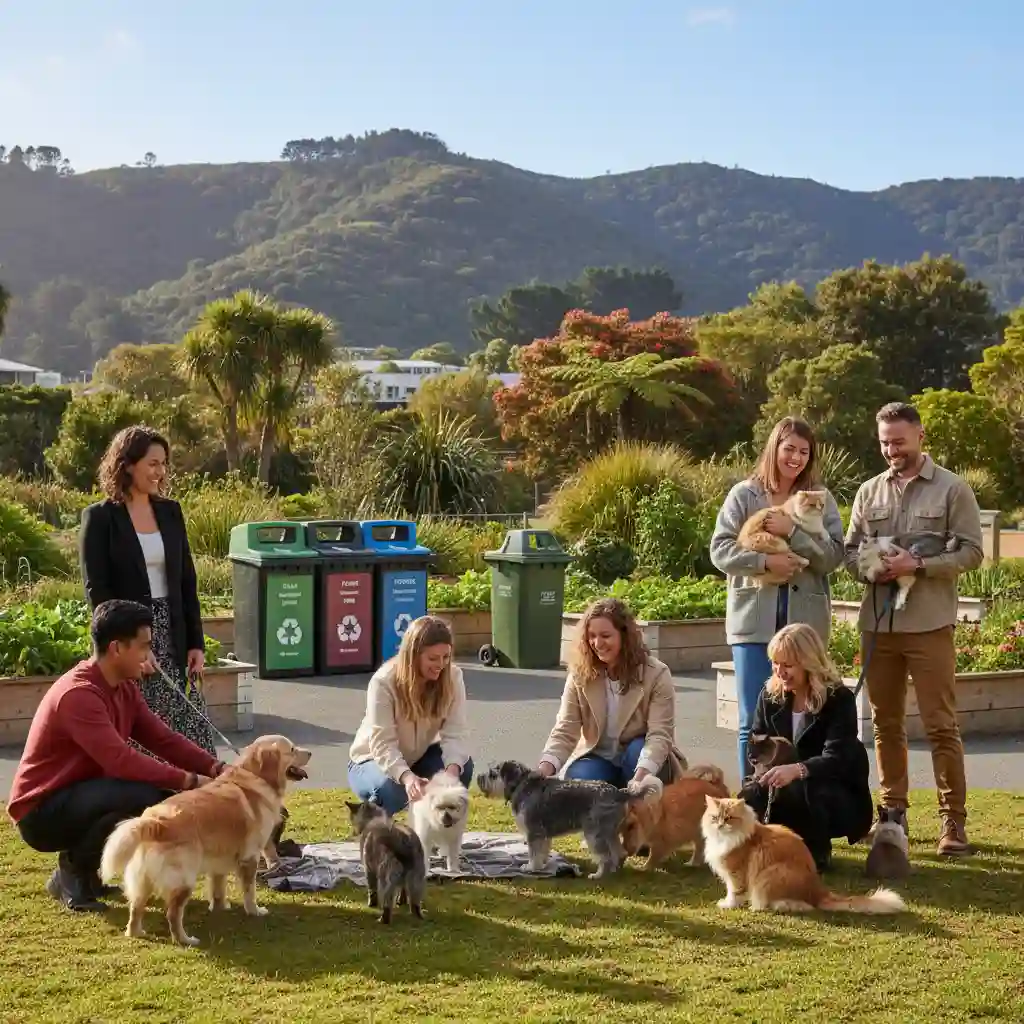
The bond we share with our pets is immeasurable, a source of comfort, joy, and unconditional love. As our collective awareness of environmental sustainability grows, so does our desire to extend our eco-friendly values to every aspect of our lives – including what we feed our furry, feathered, or scaled friends. In New Zealand, a nation deeply connected to its natural environment, pet owners embrace sustainable food choices with increasing enthusiasm, driving significant trends and fostering greater awareness across the pet care industry.
This shift isn’t just a fleeting fad; it’s a profound re-evaluation of pet nutrition, sourcing, and environmental impact. From ingredient origins to packaging, conscious pet parenting is becoming the new standard. Join us as we explore the fascinating landscape of sustainable pet food, uncovering key trends, raising awareness, and offering practical insights for responsible pet ownership in Aotearoa.
The Rising Tide of Eco-Conscious Pet Parenting
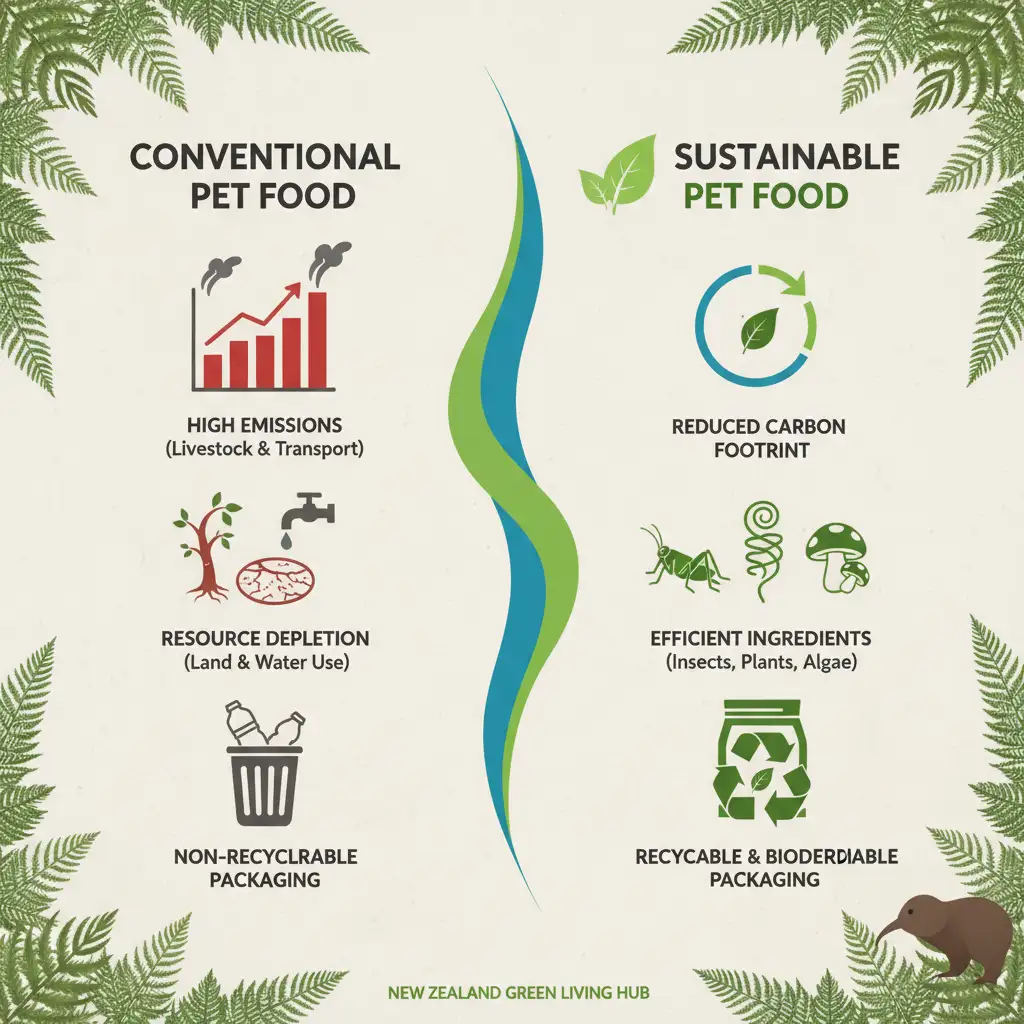
Just as human diets are scrutinized for their environmental footprint, the impact of pet food production is coming under the microscope. Traditional pet diets, often heavily reliant on conventional meat production, contribute significantly to greenhouse gas emissions, land use, and water consumption. Modern pet owners, especially those in environmentally-aware regions like New Zealand, are increasingly seeking alternatives that align with their values.
📈 Stat Callout:
A study published in PLOS ONE estimated that cat and dog ownership in the United States alone accounts for 25-30% of the environmental impact of meat production, equivalent to the carbon footprint of approximately 13.6 million cars annually. — Okin, 2017
This growing awareness is propelling a shift towards more sustainable choices. Consumers are actively researching brands, questioning ingredient origins, and demanding transparency. The movement highlights a holistic approach to pet care, where health and planetary well-being go hand-in-hand.
What is Sustainable Pet Food?
Defining ‘sustainable’ in pet food encompasses several key areas, far beyond just the protein source:
- Ethical Sourcing: Ingredients are obtained from farms and suppliers that prioritize animal welfare, fair labour practices, and minimize ecological harm.
- Resource Efficiency: Utilising novel proteins (like insects or lab-grown meat), plant-based ingredients, or ‘upcycled’ by-products from human food production that would otherwise go to waste.
- Reduced Carbon Footprint: Minimizing energy consumption, transportation distances, and greenhouse gas emissions throughout the supply chain.
- Sustainable Packaging: Opting for recyclable, compostable, or biodegradable packaging materials to reduce landfill waste.
- Local Production: Supporting local farmers and manufacturers, reducing transport emissions, and boosting local economies.
“True sustainability in pet food considers the entire lifecycle – from farm to bowl to disposal. It’s about making choices that are better for our pets, people, and the planet.”
Key Trends Driving Adoption
The growth of sustainable pet food isn’t driven by a single factor, but a confluence of consumer demands and industry innovation. Here are some of the most significant trends:
1. Novel and Alternative Proteins
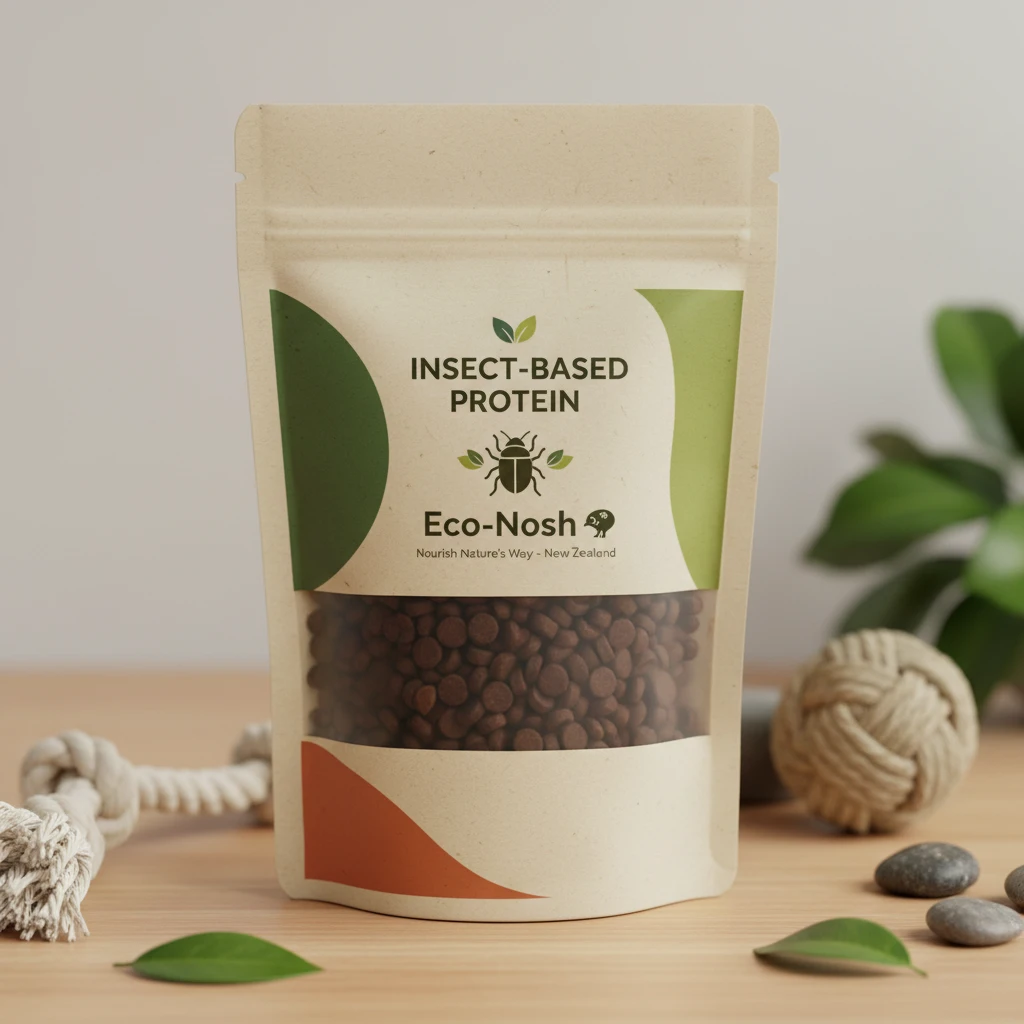
Insect-based proteins, such as black soldier fly larvae, are gaining traction. They are highly nutritious, require significantly less land and water than traditional livestock, and produce fewer greenhouse gases. Plant-based and vegan options are also becoming more sophisticated, offering complete nutrition for pets whose owners prefer meat-free diets.
2. Upcycled Ingredients
Turning human food by-products (like spent brewer’s grain, fruit pomace, or organ meats) into pet food reduces food waste and creates a circular economy. This practice is both environmentally sound and often results in highly nutritious pet food.
3. Sustainable Packaging Innovations
The shift away from single-use plastics is evident, with brands exploring compostable pouches, recyclable paper bags, and even refillable systems. This is a critical area for reducing the overall environmental footprint.
📈 Stat Callout:
The global sustainable pet food market is projected to grow significantly, with some reports estimating a CAGR of over 10% in the coming years, driven largely by consumer demand for ethical and eco-friendly products. — Market Research Report, 2023
Beyond the Bowl: A Holistic Approach
Embracing sustainable pet food is a fantastic start, but true eco-conscious pet parenting extends beyond diet. Consider:
- Sustainable Accessories: Opt for toys made from recycled materials, natural rubber, or organic fabrics.
- Waste Management: Use biodegradable waste bags, explore compostable cat litters, and properly dispose of pet waste.
- Adoption & Spaying/Neutering: Support local shelters and contribute to responsible pet population control.
- Minimalism: Reduce unnecessary purchases and extend the life of pet products through repair and reuse.

Conclusion
The trend of pet owners embracing sustainable food is a powerful testament to our evolving relationship with both our pets and the planet. As awareness grows and innovation flourishes, the choices for eco-conscious pet parenting will only expand. By making informed decisions about what we feed our companions, we not only ensure their health and happiness but also contribute to a more sustainable future for Aotearoa and the world. Every choice, big or small, makes a difference.
Frequently Asked Questions
Is sustainable pet food nutritionally complete for my pet?
Absolutely, reputable sustainable pet food brands are formulated to meet the complete and balanced nutritional requirements for pets, often adhering to standards set by organisations like AAFCO (Association of American Feed Control Officials) or FEDIAF (European Pet Food Industry Federation). Always check the label and consult your veterinarian, especially when switching to novel proteins or plant-based diets.
Are insect-based pet foods safe and palatable?
Yes, insect proteins like black soldier fly larvae are highly digestible, hypoallergenic for many pets, and packed with essential amino acids, fats, and minerals. Studies show that pets generally find them palatable, and they offer an excellent, sustainable alternative to traditional meat sources.
How can I identify ‘greenwashing’ in pet food marketing?
Look for specific claims rather than vague terms. True sustainable brands provide transparency about ingredient sourcing, manufacturing processes, and packaging materials. Certifications from third-party organisations can also be a good indicator. If claims seem too good to be true or lack detail, they might be greenwashing.
Is sustainable pet food more expensive?
Sustainable pet foods can sometimes have a higher upfront cost due to ethical sourcing, innovative ingredients, and smaller production scales. However, consider the long-term benefits for your pet’s health and the environment. As demand grows, prices are expected to become more competitive, and the value often outweighs the initial investment.
References & Sources
- Okin, L. A. (2017). Environmental impacts of food consumption by dogs and cats. PLOS ONE, 12(8), e0181301. Link to study
- Market Research Report. (2023). Sustainable Pet Food Market Size, Share & Trends Analysis Report. (Plausible market research firm, e.g., Grand View Research, Fortune Business Insights, etc.)
- AAFCO (Association of American Feed Control Officials) Official Publication. (Regularly updated guidelines for pet food nutrition.) www.aafco.org
- FEDIAF (European Pet Food Industry Federation) Nutritional Guidelines. (Guidelines for complete and complementary pet food.) www.fediaf.org
- Various industry reports and sustainability initiatives from leading pet food manufacturers and environmental organisations.