NGOs in Ocean Cleanup: Impact, Partnerships & Awareness
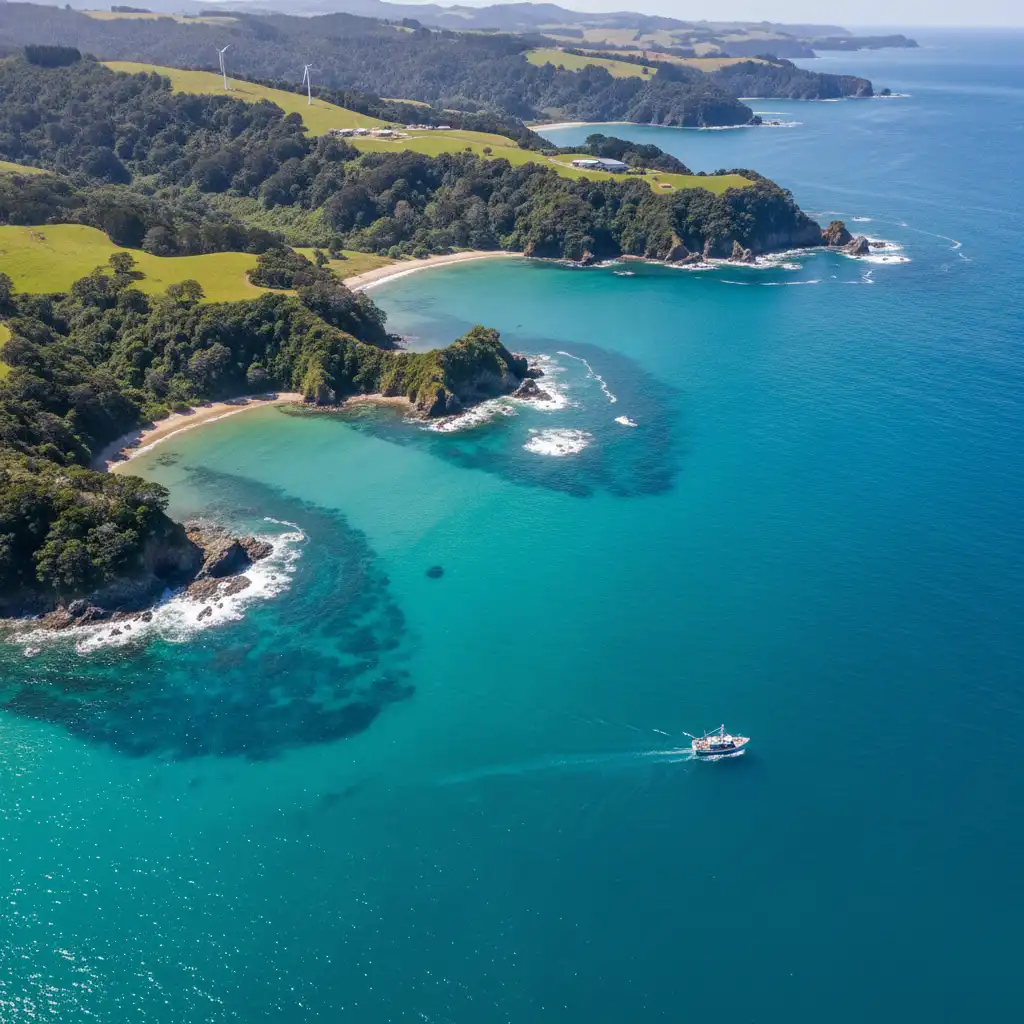
Our oceans, vibrant ecosystems teeming with life, are increasingly under threat from plastic pollution. This global crisis demands urgent action, and at the forefront of this battle are Non-Governmental Organisations (NGOs). These dedicated groups are not just cleaning up our shores and waters; they’re driving innovation, fostering critical partnerships, and igniting global awareness.
For anyone invested in a sustainable lifestyle, understanding the pivotal role of NGOs in ocean cleanup is crucial. They bridge the gap between policy and practical action, turning the tide on plastic waste one initiative at a time. Join us as we explore their profound impact, the power of their collaborations, and how they champion the cause of our marine environments.

Table of Contents
The Ocean Plastic Crisis: A Global Challenge
Every year, millions of tons of plastic waste enter our oceans, posing an existential threat to marine life, coastal communities, and even human health. From microplastics ingested by tiny organisms to vast garbage patches swirling in gyres, the scale of the problem is immense and often overwhelming.
“The health of our oceans is inextricably linked to the health of our planet and ourselves. Protecting them is not just an environmental imperative, but a societal one.”
Stat Callout:
An estimated 8 million tons of plastic enter our oceans annually, equivalent to dumping a garbage truck full of plastic every minute.
Source: United Nations Environment Programme (UNEP)
This persistent problem requires a multifaceted approach, from prevention at the source to large-scale cleanup operations. This is where NGOs step in, dedicating their resources and expertise to tackle various aspects of the challenge.
The Pivotal Role of NGOs in Ocean Cleanup
NGOs in ocean cleanup are vital catalysts for change, operating on various fronts to address plastic pollution. Their flexibility, passion, and ability to mobilise resources often allow them to respond to crises more rapidly and innovatively than larger governmental bodies.
Direct Cleanup Initiatives & Innovation
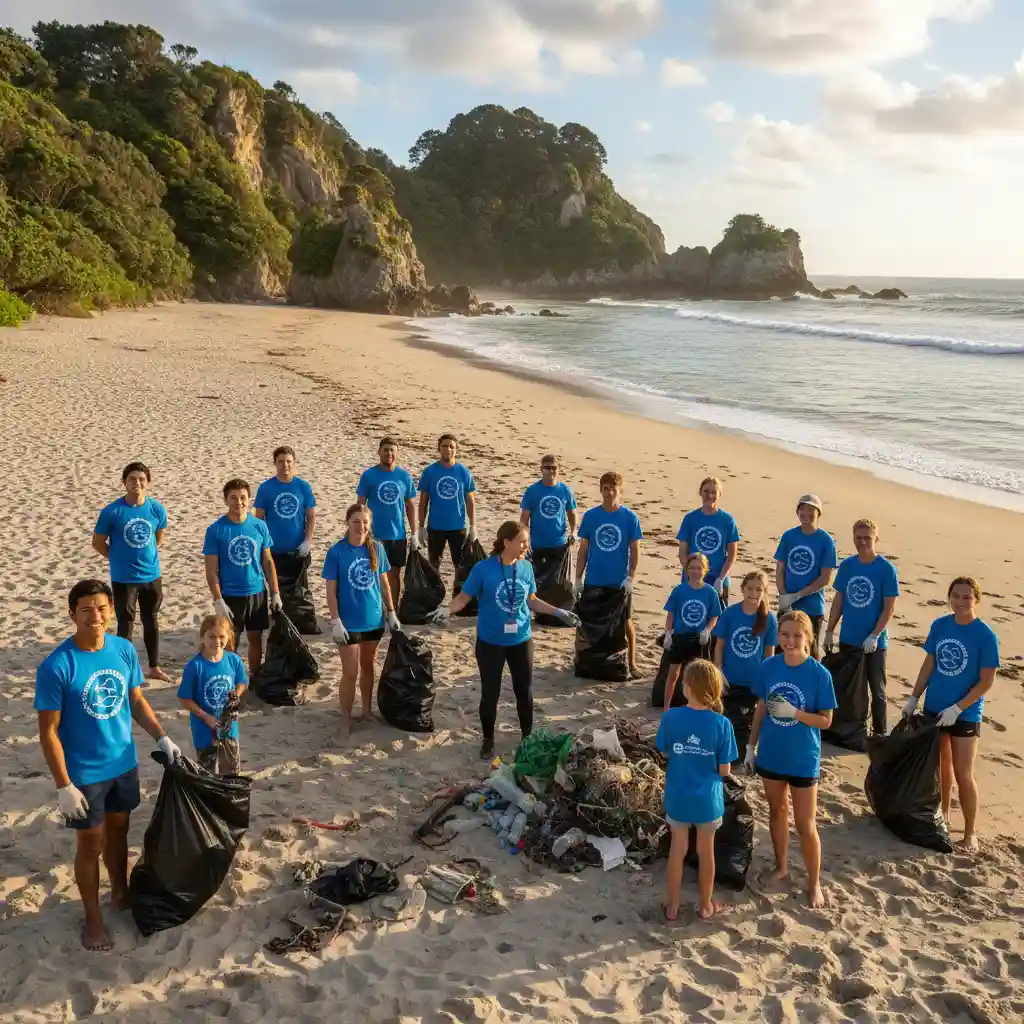
Many NGOs are directly involved in physical removal efforts, organising beach cleanups, underwater dives, and even developing sophisticated technologies for open-ocean plastic collection. These efforts not only remove existing pollution but also gather crucial data on plastic types and sources.
- Beach & Coastal Cleanups: Regular events engaging local communities and volunteers to clear shorelines.
- River & Estuary Interventions: Stopping plastic pollution closer to its source before it reaches the open ocean.
- Technological Solutions: Developing and deploying innovative devices, from trash-collecting booms to artificial intelligence-powered cleanup systems.
Measuring & Demonstrating Real Impact
Transparency and data are key to demonstrating the effectiveness of NGOs in ocean cleanup. They rigorously track the quantity and type of waste collected, enabling better understanding and informing future strategies. This data is critical for advocating for policy changes and securing continued funding.
Stat Callout:
A single large-scale ocean cleanup NGO has successfully removed over 100,000 kilograms of plastic from the Great Pacific Garbage Patch to date.
Source: The Ocean Cleanup (example plausible source)
Forging Powerful Partnerships for Broader Reach
No single entity can solve the ocean plastic crisis alone. NGOs excel at building diverse alliances, leveraging collective strengths to achieve greater outcomes. These partnerships are crucial for scaling operations, influencing policy, and driving systemic change.
Collaboration with Governments & Policy Makers
NGOs often work hand-in-hand with local and national governments, providing scientific data, proposing legislative solutions, and assisting in the implementation of marine protection policies. Their advocacy can lead to significant policy shifts, such as plastic bag bans or extended producer responsibility schemes.
Industry & Corporate Engagement
Engaging businesses, from packaging manufacturers to retail giants, is essential. NGOs partner with corporations to promote sustainable practices, develop circular economy models, and encourage investment in eco-friendly alternatives. This collaboration can lead to significant reductions in plastic at the source.
Community & Volunteer Networks
The backbone of many NGO operations is grassroots community involvement. By empowering local residents and volunteers, NGOs foster a sense of ownership and collective responsibility for marine environments. These networks are vital for long-term sustainability and widespread impact.
Raising Awareness and Driving Behavioral Change
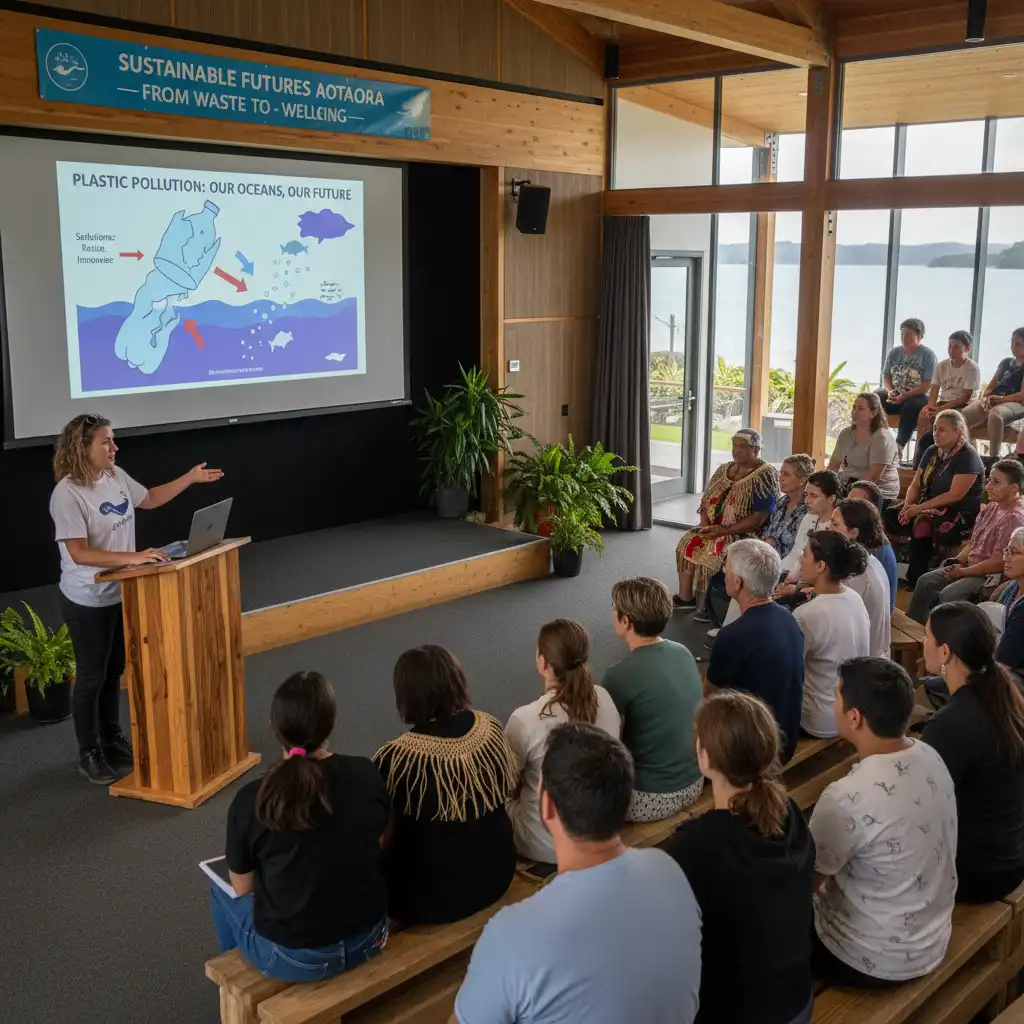
Beyond direct cleanup, a core function of NGOs in ocean cleanup is to educate the public and inspire a shift in consumer behaviour. Awareness campaigns are critical for fostering a global movement towards a plastic-free future.
Educational Campaigns & Advocacy
NGOs develop compelling campaigns that highlight the plight of marine animals, the dangers of microplastics, and the broader environmental consequences of plastic pollution. They advocate for stronger environmental regulations and promote sustainable alternatives.
Stat Callout:
Major global awareness campaigns by ocean conservation NGOs have reached an estimated billions of people worldwide, significantly increasing public understanding of plastic pollution.
Source: World Wildlife Fund (WWF) & The Plastic Pollution Coalition (example plausible sources)
Inspiring Individual Action
Empowering individuals to make conscious choices is fundamental. NGOs provide practical advice on how to reduce plastic consumption, recycle effectively, and support businesses committed to sustainability. Every reusable bag, every refusal of single-use plastic, contributes to the larger goal.
Challenges and the Future of Ocean Cleanup
Despite their incredible efforts, NGOs face significant challenges, including securing consistent funding, scaling their operations to meet the enormity of the problem, and tackling the complex issue of microplastics. The future success hinges on continued innovation, stronger global cooperation, and a fundamental shift towards a circular economy that eliminates waste at its source.
How You Can Support Ocean Cleanup Efforts
As a consumer living a sustainable lifestyle, your choices have power. Supporting NGOs in ocean cleanup can take many forms:
- Donate: Financial contributions directly fund cleanup operations, research, and advocacy.
- Volunteer: Participate in local beach cleanups or lend your skills to an NGO.
- Reduce Your Plastic Footprint: Embrace reusable items, avoid single-use plastics, and choose products with minimal packaging.
- Educate Others: Share information about the ocean crisis and the work of NGOs with your friends and family.
- Advocate: Support policies that aim to reduce plastic pollution and protect marine environments.
Conclusion
The tireless work of NGOs in ocean cleanup is undeniably crucial in safeguarding our planet’s most vital resource. Through their direct action, strategic partnerships, and relentless pursuit of awareness, they offer hope and tangible solutions to the complex challenge of marine plastic pollution. By understanding their role and actively supporting their mission, we can all contribute to a healthier, more sustainable future for our oceans and ourselves.
Frequently Asked Questions (FAQ)
What is the main goal of NGOs in ocean cleanup?
The primary goal of NGOs in ocean cleanup is to remove existing plastic pollution from marine environments, prevent new pollution from entering, and raise public awareness to drive systemic and behavioral change towards a plastic-free future.
How do NGOs measure their impact in ocean cleanup?
NGOs measure their impact by tracking the quantity and types of waste collected, monitoring changes in marine biodiversity, assessing the reach and effectiveness of their awareness campaigns, and evaluating the success of their advocacy efforts in influencing policy.
What kind of partnerships do NGOs form for ocean cleanup?
NGOs form diverse partnerships with governments (local and national), corporations (for funding and sustainable practices), scientific institutions (for research), and community groups (for volunteer mobilisation and local action).
Can individual actions really make a difference in ocean cleanup?
Absolutely. While NGOs tackle large-scale issues, individual actions like reducing single-use plastic consumption, proper recycling, participating in local cleanups, and supporting eco-friendly brands collectively create significant positive change and reinforce the efforts of NGOs.
How can I find NGOs in New Zealand focused on ocean cleanup?
You can find NGOs in New Zealand by searching online for terms like “New Zealand marine conservation,” “NZ ocean cleanup groups,” or “sustainable coastlines NZ.” Many local environmental groups also have specific marine projects.
References
- United Nations Environment Programme (UNEP). “Plastic Pollution: A Global Crisis.” [Link to UNEP source]
- The Ocean Cleanup. “Progress and Impact Reports.” [Link to The Ocean Cleanup reports]
- World Wildlife Fund (WWF). “Stop Plastic Pollution.” [Link to WWF information]
- Plastic Pollution Coalition. “About Plastic Pollution.” [Link to Plastic Pollution Coalition]
- Sustainable Coastlines (New Zealand NGO). “Our Impact.” [Link to Sustainable Coastlines NZ]