New Zealand’s Innovative Strategies to Combat Plastic Waste
Leading the charge for a cleaner, greener future, one plastic piece at a time.
Aotearoa’s Bold Stand Against Plastic Pollution
Plastic pollution represents one of the most pressing environmental challenges of our time. Its pervasive presence in our oceans, landfills, and even our food chain demands urgent, innovative solutions. As a nation renowned for its pristine natural beauty and deep connection to the environment, New Zealand, or Aotearoa, is taking a bold stand.
Far from simply managing waste, New Zealand is actively pioneering innovative strategies to combat plastic waste across multiple sectors. These efforts extend beyond traditional recycling, embracing a comprehensive approach that targets the entire lifecycle of plastics – from production and consumption to disposal and circularity. This article delves into the groundbreaking initiatives shaping New Zealand’s sustainable future.
Table of Contents
- Aotearoa’s Bold Stand Against Plastic Pollution
- The Scope of NZ’s Plastic Challenge
- Key Pillars of New Zealand’s Plastic Reduction Strategy
- Pioneering Initiatives and Success Stories
- Navigating Challenges and the Path Forward
- Conclusion: A Cleaner Future for Aotearoa
- Frequently Asked Questions
- References and Sources
The Scope of NZ’s Plastic Challenge
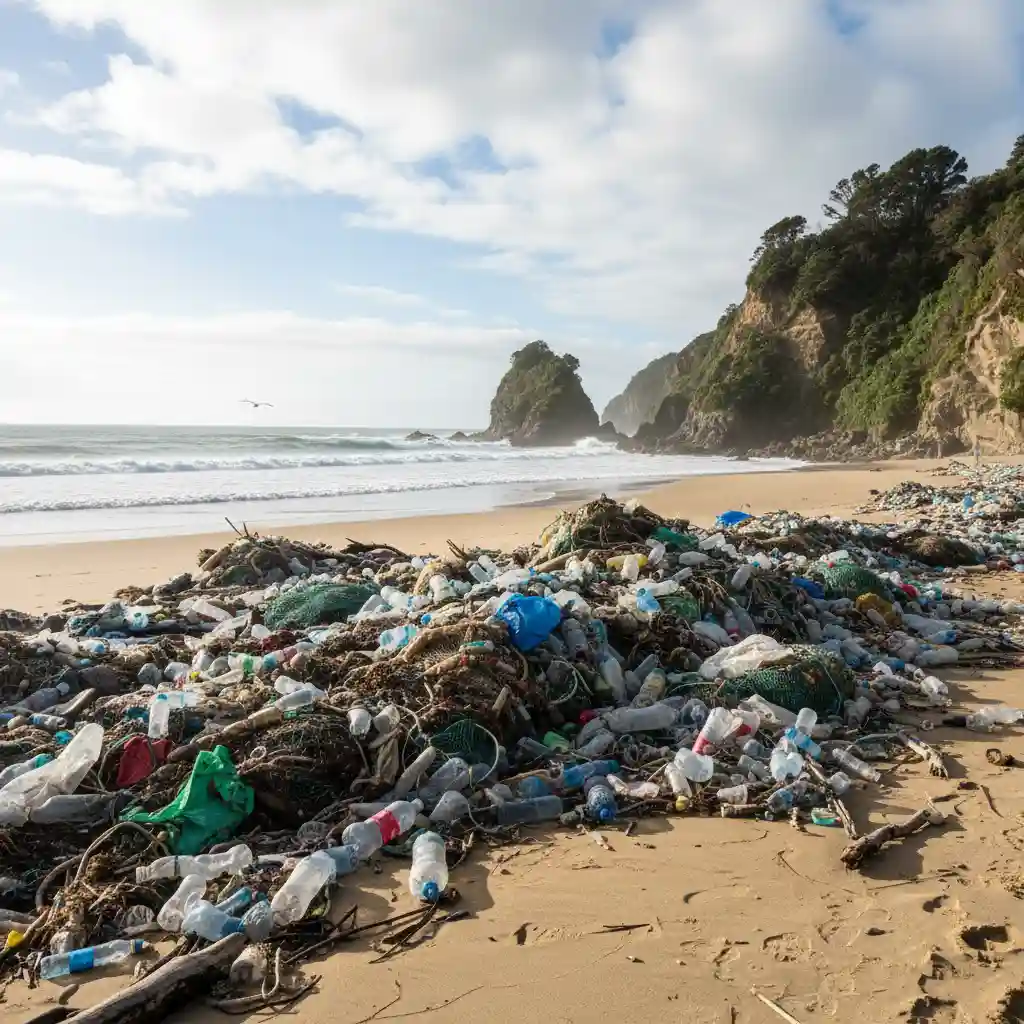
Despite its clean, green image, New Zealand, like many developed nations, faces significant challenges with plastic waste. An estimated 60,000 tonnes of plastic waste are sent to landfill annually in New Zealand, with only a small fraction of plastics being recycled locally or internationally. This staggering figure highlights the urgent need for robust, multi-faceted strategies.

The issue isn’t just about volume; it’s also about the diverse types of plastics, their end-of-life management, and the potential harm they pose to marine life and ecosystems. Recognizing this complexity, New Zealand’s approach is designed to tackle the problem from various angles, setting ambitious goals for reduction, reuse, and recycling.
Key Pillars of New Zealand’s Plastic Reduction Strategy
New Zealand’s commitment to tackling plastic waste is enshrined in several key strategic areas. These pillars collectively form a robust framework for long-term change.
1. Stronger Policies and Legislation
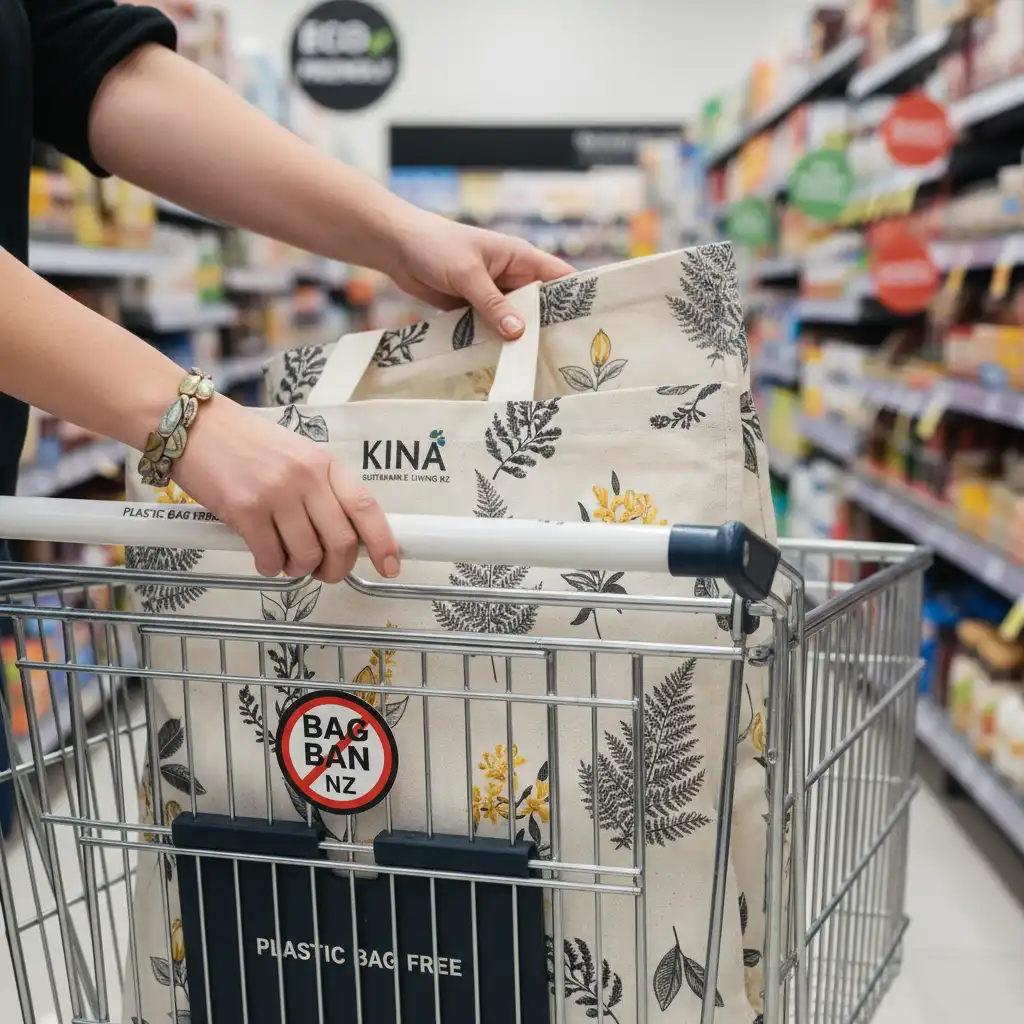
At the forefront are bold policy decisions aimed at phasing out problematic plastics. New Zealand has progressively banned single-use plastic bags, polystyrene food and beverage packaging, and various PVC and polycarbonate products. These bans represent a significant step towards reducing plastic at the source.
“The bans on problematic single-use plastics are a crucial part of our transition to a low-waste economy. They send a clear signal that these materials have no place in a sustainable Aotearoa.”
Furthermore, the government is exploring mandatory product stewardship schemes, which would place greater responsibility on producers, importers, and retailers for the entire lifecycle of their products, including packaging. This Extended Producer Responsibility (EPR) model is critical for fostering systemic change.
2. Fostering Innovation and Circularity
Beyond bans, New Zealand is actively investing in and promoting a circular economy approach. This means shifting away from the traditional “take-make-dispose” model towards one where resources are kept in use for as long as possible. Initiatives include funding for businesses developing innovative packaging solutions, investing in advanced recycling technologies, and supporting research into biodegradable alternatives.
Local innovators are exploring everything from compostable packaging derived from natural materials to advanced pyrolysis techniques that convert plastic waste back into valuable resources. This focus on domestic innovation reduces reliance on international recycling markets and strengthens local economies.
3. Empowering Communities and Businesses
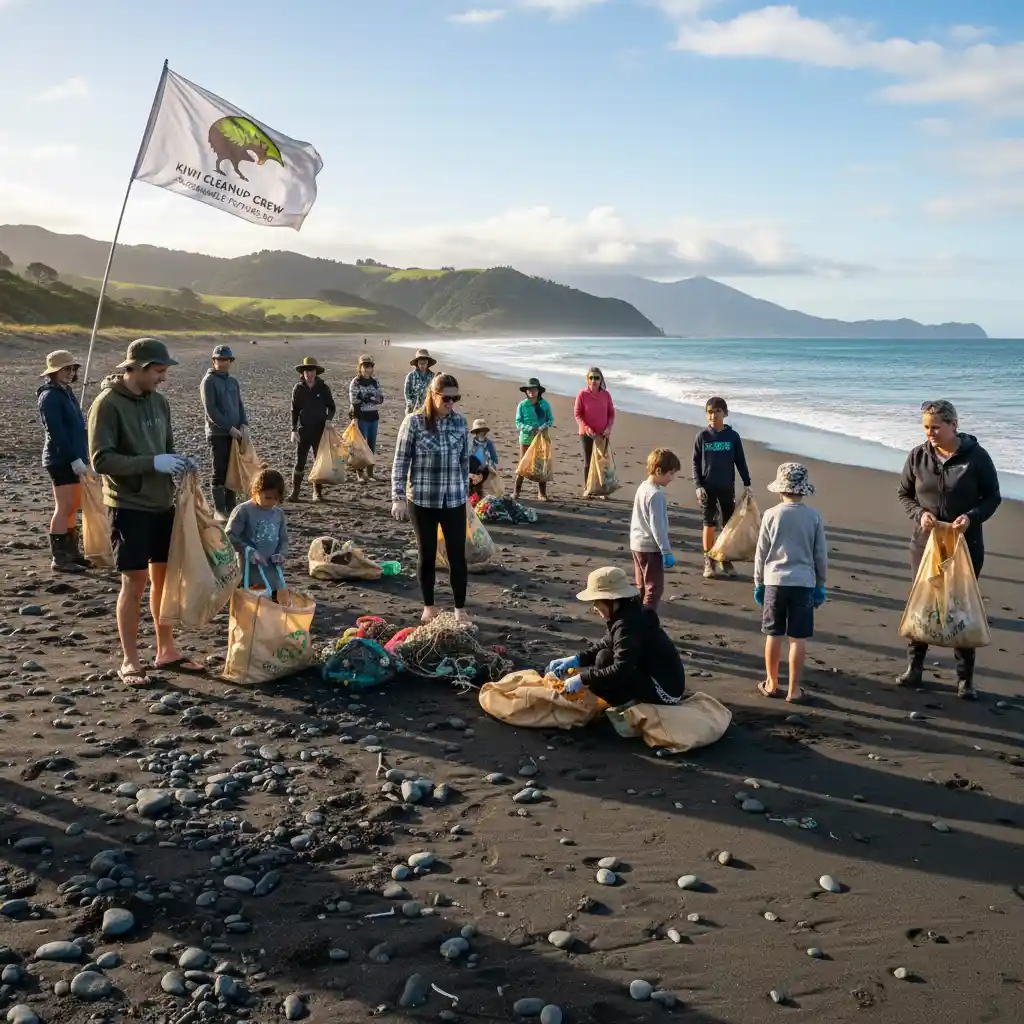
Grassroots efforts and business partnerships are vital components of New Zealand’s strategy. Community clean-up drives, educational campaigns, and refill-and-reuse initiatives are gaining traction. Businesses, from small cafes to large corporations, are being encouraged to adopt sustainable practices, reduce packaging, and offer plastic-free alternatives.
Programmes like “Plastic Free July” see widespread participation, raising awareness and encouraging consumers to rethink their plastic consumption habits. The collective power of individuals and organisations is critical in driving the necessary cultural shift.
4. Investment in Infrastructure and Research
To support these strategies, significant investment is needed in recycling and reprocessing infrastructure. The government is backing projects that aim to increase domestic processing capabilities for plastics, reducing the need to export waste. Research institutions are also playing a crucial role, exploring new materials, waste management techniques, and understanding the environmental impacts of different plastic types.
This holistic approach ensures that New Zealand is not only addressing the immediate problem of plastic waste but also building long-term resilience and innovation in its waste management systems.
Pioneering Initiatives and Success Stories
Several concrete examples highlight New Zealand’s dedication to plastic reduction:
- Soft Plastic Recycling Scheme: A industry-led initiative providing collection points for soft plastics (e.g., bread bags, packaging film) often not accepted in kerbside recycling, diverting them from landfill.
- Bottle Refund Scheme Exploration: Discussions are ongoing for a nationwide container return scheme (CRS) where consumers pay a small deposit on beverage containers, refunded upon return, proven highly effective in other countries.
- The “Plastic-Free Ponsonby” Project: A local Auckland initiative encouraging businesses in a vibrant precinct to go plastic-free, demonstrating the feasibility of reducing single-use plastics at a neighbourhood level.
- Developing Hemp-based Plastics: Local companies are researching and developing plastics derived from hemp, offering a renewable and potentially biodegradable alternative to traditional petroleum-based plastics.
Navigating Challenges and the Path Forward
While New Zealand has made significant strides, challenges remain. The vast geographical spread of the country can make widespread recycling infrastructure difficult. Consumer behaviour change, especially concerning convenience plastics, also requires ongoing effort. Furthermore, managing the influx of plastics in imported goods presents a constant hurdle.
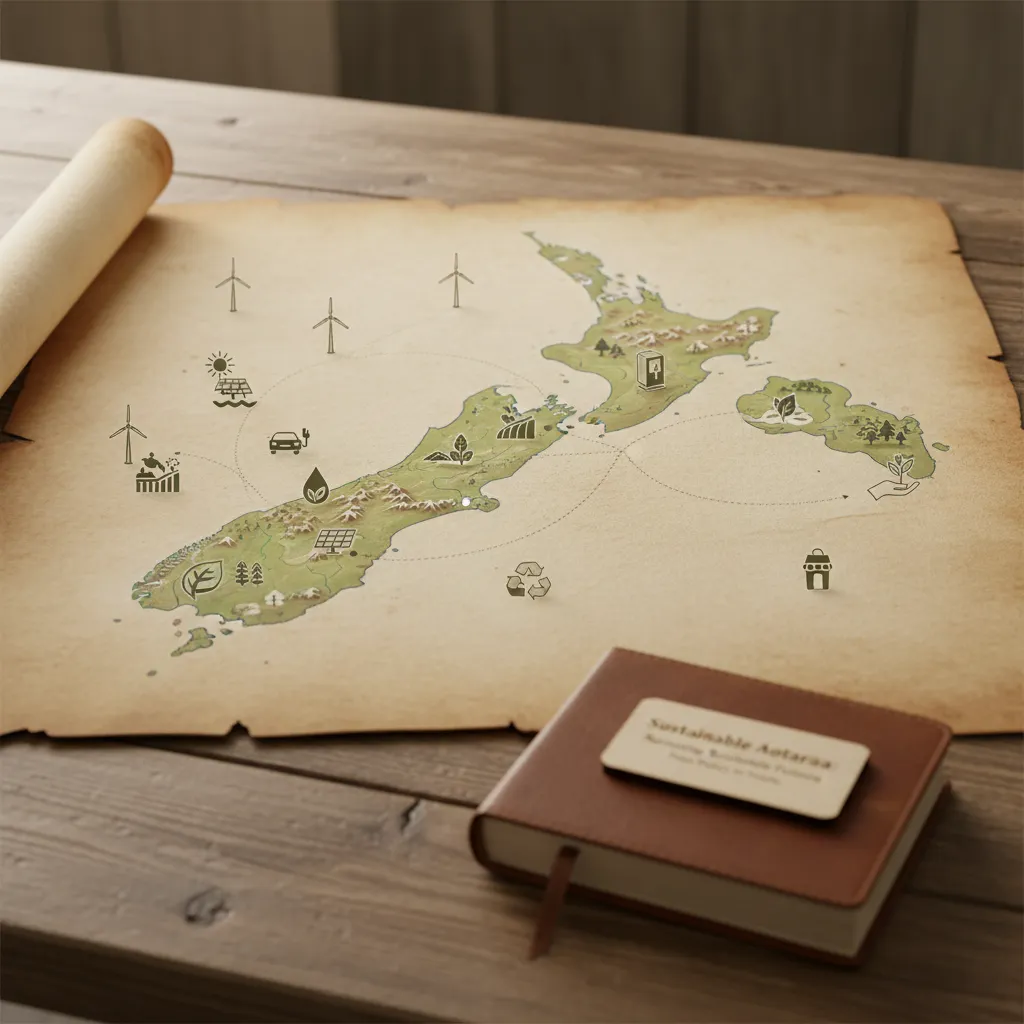
However, the commitment remains strong. The ongoing development of national waste action plans, combined with continued public-private partnerships and international collaborations, will be crucial. New Zealand’s journey illustrates that combating plastic waste is a dynamic process, requiring continuous adaptation, innovation, and collective responsibility.
Conclusion: A Cleaner Future for Aotearoa
New Zealand’s proactive and comprehensive approach to plastic waste management positions it as a leader in sustainable practices. By integrating strong policy, fostering innovation, engaging communities, and investing in crucial infrastructure, Aotearoa is creating a blueprint for other nations to follow. The journey to a truly plastic-free future is long, but with these innovative strategies to combat plastic waste, New Zealand is making remarkable progress towards preserving its natural heritage for generations to come.
The collective efforts across government, industry, and communities underscore a powerful message: a cleaner, greener world is not just an aspiration, but an achievable reality through thoughtful and determined action.
Frequently Asked Questions
What are the main types of plastic waste bans in New Zealand?
New Zealand has progressively banned various single-use plastics, including plastic shopping bags, polystyrene food and beverage packaging, plastic produce bags, plastic plates, bowls, cutlery, and certain PVC and polycarbonate products. The goal is to phase out the most problematic and hard-to-recycle plastics.
What is the Soft Plastic Recycling Scheme in NZ?
The Soft Plastic Recycling Scheme is a voluntary, industry-led initiative in New Zealand. It provides collection points at various supermarkets and retailers where consumers can drop off clean, dry soft plastics (like bread bags, pasta bags, and packaging film) that are not typically collected in kerbside recycling. These collected plastics are then processed into new products.
How is New Zealand promoting a circular economy for plastics?
New Zealand is promoting a circular economy by implementing product stewardship schemes that make producers responsible for their products’ end-of-life, investing in innovative recycling technologies, supporting the development of sustainable alternatives, and encouraging reuse and refill models in businesses and communities.
Are there plans for a bottle refund scheme in New Zealand?
Yes, New Zealand is actively exploring the implementation of a national container return scheme (CRS), often referred to as a “bottle refund scheme.” This would involve a small deposit added to the price of beverages, which is then refunded to the consumer when the empty container is returned for recycling, significantly boosting collection rates for bottles and cans.
References and Sources
- Ministry for the Environment. (2022). Plastic waste and packaging. Retrieved from environment.govt.nz
- Recycle Aotearoa. (n.d.). Soft Plastic Recycling Scheme. Retrieved from recycleaotearoa.org.nz
- New Zealand Herald. (2023). New Zealand is moving to ban more single-use plastics. Retrieved from nzherald.co.nz
- WasteMINZ. (2021). New Zealand Plastic Packaging Survey insights. Retrieved from wasteminz.org.nz
- The Sustainable Business Network. (n.d.). Circular Economy Initiatives. Retrieved from sustainable.org.nz