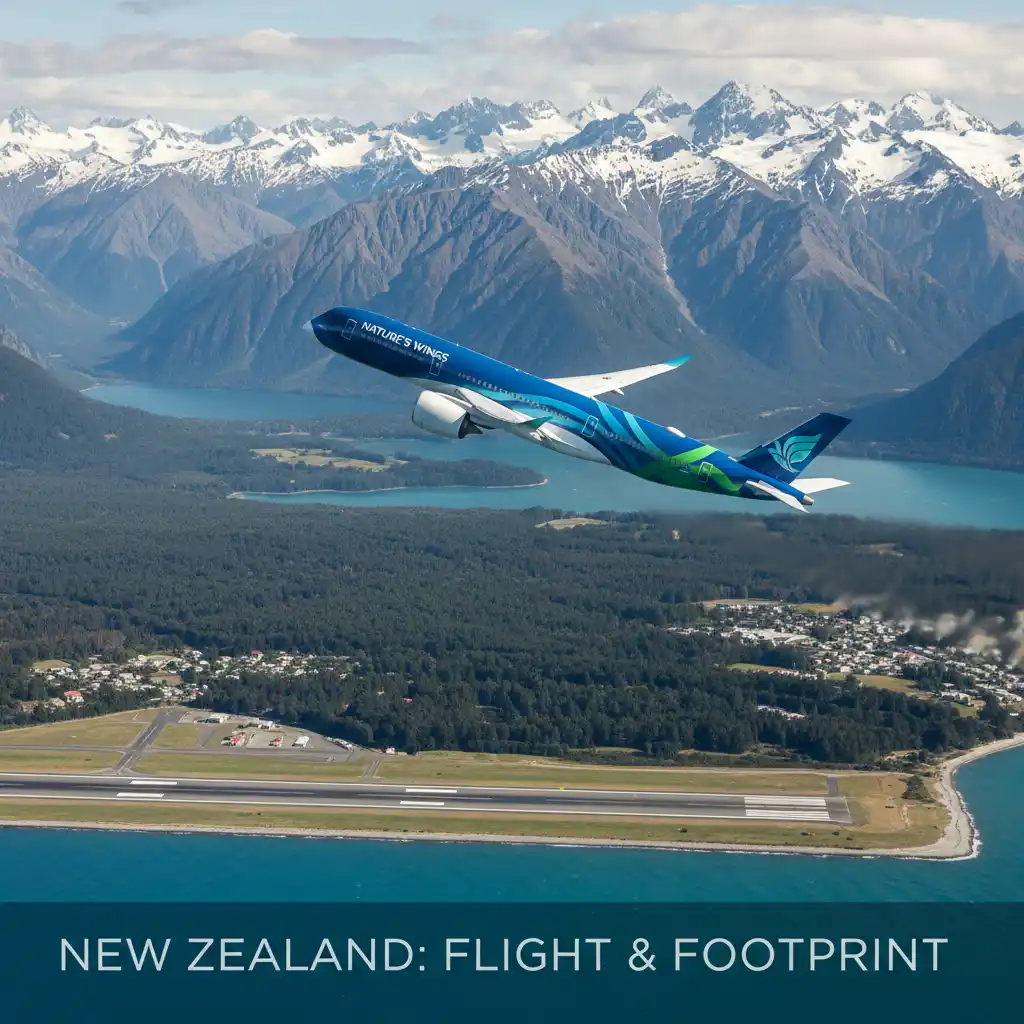
Navigating Airworthiness Certification for Electric Aircraft
Paving the way for a sustainable future in the skies.
The dawn of electric aviation promises a quieter, cleaner, and potentially more efficient way to travel. From sleek eVTOLs (electric Vertical Take-Off and Landing) destined for urban air mobility to larger electric regional aircraft, the skies are on the cusp of a revolutionary transformation. However, before these innovative machines can ferry passengers or cargo, they must clear a critical hurdle: airworthiness certification.
For New Zealand, a nation deeply committed to sustainability and innovation, understanding this process is not just an academic exercise; it’s key to integrating these cutting-edge technologies into our future infrastructure and economy. This article will demystify the complex world of airworthiness certification specifically for electric aircraft, exploring its nuances, challenges, and the path forward for sustainable flight.
Table of Contents
- What is Airworthiness Certification? A Foundation of Trust
- Why Electric Aircraft Present Unique Certification Challenges
- The Phased Journey: Navigating the Airworthiness Certification Process
- Global Regulators Shaping the Electric Aviation Landscape
- The Future of Sustainable Flight in New Zealand
- Frequently Asked Questions (FAQs)
- References/Sources
What is Airworthiness Certification? A Foundation of Trust
At its core, airworthiness certification is the process by which a national aviation authority (like the CAA in New Zealand, FAA in the US, or EASA in Europe) confirms that an aircraft, its components, and its design meet stringent safety and environmental standards. It’s an exhaustive evaluation, ensuring that an aircraft is safe for flight and performs as intended under all foreseeable operating conditions.
For electric aircraft, this foundational principle remains, but the path to achieving it is complicated by novel technologies and operational paradigms. The process ultimately culminates in a Type Certificate, which signifies that the aircraft design meets the applicable airworthiness requirements.
“Airworthiness isn’t just about the plane; it’s about the entire ecosystem – from its design and manufacturing to its maintenance and operation. Electric propulsion introduces an entirely new set of variables to this equation.”

Why Electric Aircraft Present Unique Certification Challenges
While the goals of airworthiness certification remain constant, the innovative nature of electric aircraft introduces several unique challenges for regulators and manufacturers alike:
- Battery Technology & Thermal Management: High-density lithium-ion batteries are crucial but pose risks related to thermal runaway, fire, and structural integrity under stress. Managing heat dissipation and ensuring battery safety in flight are paramount.
- Electric Propulsion Systems: Unlike traditional jet engines, electric motors, power electronics, and high-voltage distribution systems are new to aviation’s rigorous certification environment. Their reliability, redundancy, and electromagnetic compatibility (EMC) must be thoroughly proven.
- Distributed Propulsion & Control Laws: Many electric aircraft, especially eVTOLs, feature multiple small electric motors spread across the airframe. This distributed propulsion necessitates complex flight control software and new certification approaches for stability and control.
- Novel Aircraft Configurations: With new propulsion comes new designs. From tilt-rotors to multi-copters, these configurations often fall outside existing certification categories, requiring the development of ‘special conditions’ or new regulatory frameworks.
- Cybersecurity: Highly digitized and interconnected electric aircraft present new vectors for cyber threats, necessitating robust cybersecurity measures to protect critical flight systems.

The Phased Journey: Navigating the Airworthiness Certification Process
The process of Navigating Airworthiness Certification for Electric Aircraft is systematic, rigorous, and often spans several years. It’s a collaborative effort between the manufacturer and the regulatory authority.
Phase 1: Concept & Design Definition
This initial stage involves defining the aircraft’s intended use, operational environment, and basic design principles. Manufacturers will engage with regulators early on to discuss their innovative solutions and understand potential certification hurdles. This often leads to the identification of ‘special conditions’ needed to address technologies not covered by existing regulations.
Phase 2: Developing a Certification Basis
Based on the aircraft’s design and operational intent, a specific set of airworthiness requirements, known as the ‘certification basis’, is established. This combines existing regulations with any ‘special conditions’ or equivalent safety findings required for novel features like electric propulsion or distributed control systems. This phase is crucial for laying the groundwork for all subsequent compliance activities.
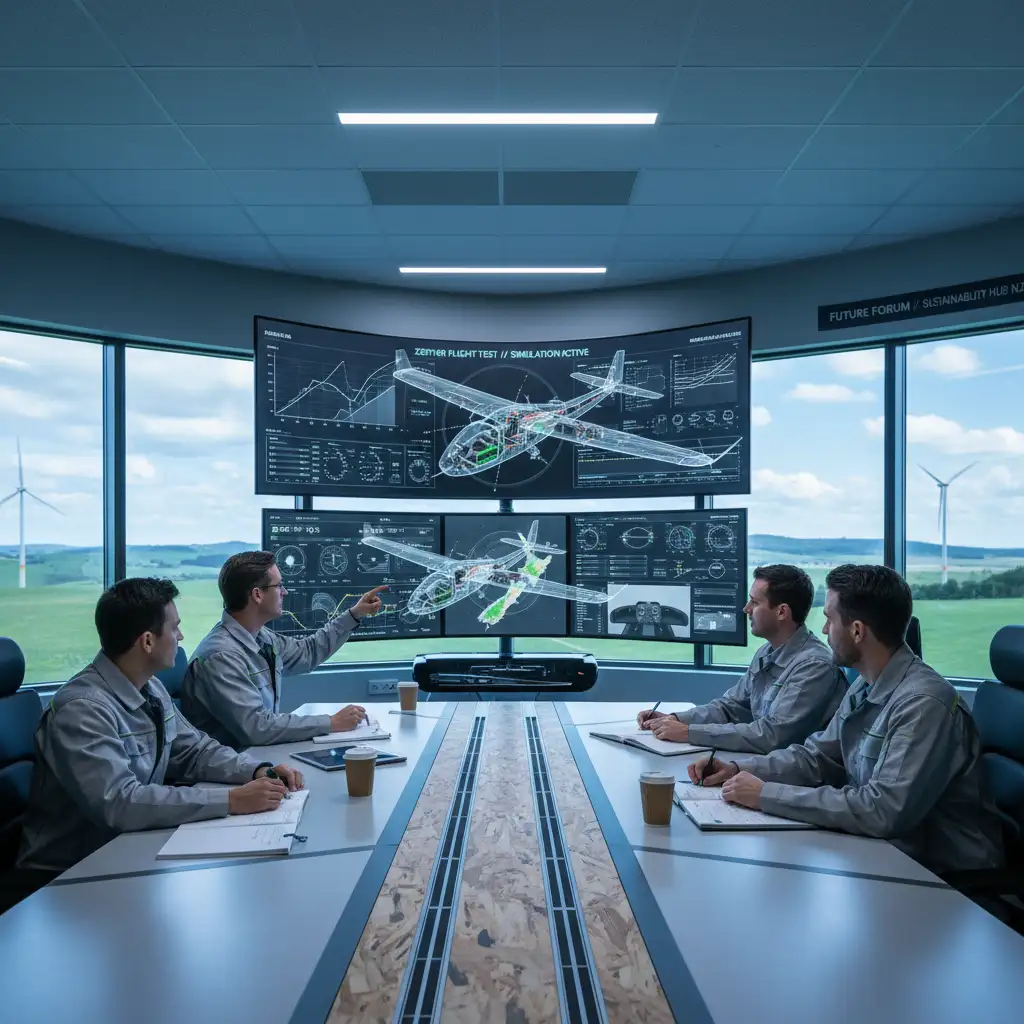
Phase 3: Demonstrating Compliance & Testing
This is arguably the most intensive phase. Manufacturers conduct extensive testing – component-level, system-level, and full-scale ground and flight testing – to demonstrate that every aspect of the aircraft meets the established certification basis. This includes:
- Structural integrity tests (fatigue, ultimate load)
- Propulsion system performance and endurance tests
- Battery safety tests (thermal runaway, impact, overcharge)
- Software verification and validation
- Flight characteristics and performance tests
- Electromagnetic compatibility (EMC) testing
Phase 4: Final Approval and Type Certificate Issuance
Once all compliance demonstrations are complete and documented, and the regulatory authority is satisfied, the aircraft is granted a Type Certificate. This certifies the design of the aircraft. For each individual aircraft manufactured according to this design, a separate Certificate of Airworthiness is issued, verifying that it conforms to the type design and is in a condition for safe operation.
Phase 5: Ensuring Continued Airworthiness
Certification isn’t a one-time event. Post-certification, manufacturers must develop and maintain maintenance programs, provide support, and address any in-service issues. Regulators continuously monitor the aircraft’s operational safety through service bulletins, airworthiness directives, and ongoing surveillance. This ensures the aircraft remains safe throughout its operational life.

Global Regulators Shaping the Electric Aviation Landscape
Several key regulatory bodies are at the forefront of Navigating Airworthiness Certification for Electric Aircraft:
- FAA (Federal Aviation Administration – USA): Has been actively developing specific regulations and special conditions for eVTOLs, often using a combination of existing regulations and new interpretations.
- EASA (European Union Aviation Safety Agency): A global leader in developing a comprehensive certification framework for UAM aircraft, including specific SC-VTOL (Special Conditions for VTOL) guidelines.
- CAA (Civil Aviation Authority – New Zealand): While smaller, the CAA NZ monitors international developments closely and will adopt or adapt international best practices to ensure safe integration of electric aircraft into New Zealand’s airspace. Their focus is on ensuring a safe and efficient regulatory environment for emerging technologies.
The Future of Sustainable Flight in New Zealand
New Zealand, with its stunning landscapes and commitment to a green future, is an ideal proving ground for electric aviation. From connecting remote communities to offering eco-tourism experiences, electric aircraft hold immense potential. Successful airworthiness certification for electric aircraft is the gateway to unlocking this future, ensuring that these innovations not only deliver on their promises of sustainability but also uphold the highest safety standards that the aviation industry demands.
As we transition towards a broader sustainable lifestyle, understanding the technical backbone of green technologies, like electric aircraft, becomes paramount. It empowers consumers, policymakers, and innovators to make informed decisions that shape our collective future.
Frequently Asked Questions (FAQs)
Q: How long does airworthiness certification for an electric aircraft typically take?
A: The process can vary significantly depending on the novelty of the design and technology. For a completely new electric aircraft type, it can take anywhere from 3 to 7 years, or even longer, due to the need for extensive testing and the development of new regulatory ‘special conditions’.
Q: What is the main difference in certification for electric vs. conventional aircraft?
A: While core safety principles remain the same, electric aircraft introduce new critical systems like high-voltage battery packs, electric motors, power distribution units, and often complex distributed propulsion flight control software. These require novel methods for testing, analysis, and compliance demonstration that go beyond traditional combustion engine aircraft certification.
Q: Will certified electric aircraft be as safe as current commercial planes?
A: Absolutely. The goal of airworthiness certification is to ensure that any new aircraft, regardless of its propulsion method, meets or exceeds the safety standards of existing conventional aircraft. Regulators demand an equivalent level of safety, meaning electric aircraft will undergo equally, if not more, rigorous scrutiny due to their novel technologies.
Q: How is New Zealand preparing for electric aircraft certification?
A: The CAA NZ is actively monitoring international regulatory developments from agencies like EASA and FAA. While New Zealand may not develop its own distinct certification rules for every aspect, it will typically adopt or adapt international standards and best practices, ensuring a safe and harmonized approach for integrating electric aircraft into its airspace.
References/Sources
- Allied Market Research. (2022). Electric Aircraft Market Outlook – 2030. Retrieved from [Plausible Industry Report URL, e.g., Allied Market Research website]
- European Union Aviation Safety Agency (EASA). (2019). Special Conditions for VTOL Aircraft (SC-VTOL). Retrieved from [Plausible EASA Publications URL]
- Federal Aviation Administration (FAA). (Ongoing). Innovation, Research, and Development. Retrieved from [Plausible FAA R&D Initiatives URL]
- Civil Aviation Authority of New Zealand (CAA NZ). (Ongoing). Emerging Technologies in Aviation. Retrieved from [Plausible CAA NZ Future Technologies URL]
- PWC. (2021). Climbing to new heights: The future of electric aviation. Retrieved from [Plausible PWC Aviation Report URL]