Minimalist Parenting: Boosting Independence & Creativity
In a world overflowing with consumerism and digital distractions, the concept of minimalist parenting offers a refreshing alternative. It’s not about deprivation, but rather a conscious choice to prioritize experiences, connection, and intrinsic development over material possessions and overscheduled lives. This approach, gaining traction among New Zealand families seeking a more sustainable and intentional lifestyle, empowers children to thrive by fostering their innate independence and boundless creativity.
Imagine a home where children are not constantly seeking external entertainment but are instead deeply engaged in self-directed play, problem-solving, and imaginative exploration. Minimalist parenting isn’t just a trend; it’s a philosophy that can profoundly shape a child’s development, equipping them with essential life skills for a future that values adaptability and resilience.
Table of Contents
- 1. What is Minimalist Parenting?
- 2. Cultivating Independence Through Minimalism
- 3. Nurturing Creativity in a Less-is-More Environment
- 4. The Broader Benefits for Children and Parents
- 5. Practical Steps to Embrace Minimalist Parenting
- 6. Your Minimalist Parenting Action Checklist
- 7. Frequently Asked Questions (FAQ)
- 8. References & Further Reading
What is Minimalist Parenting?
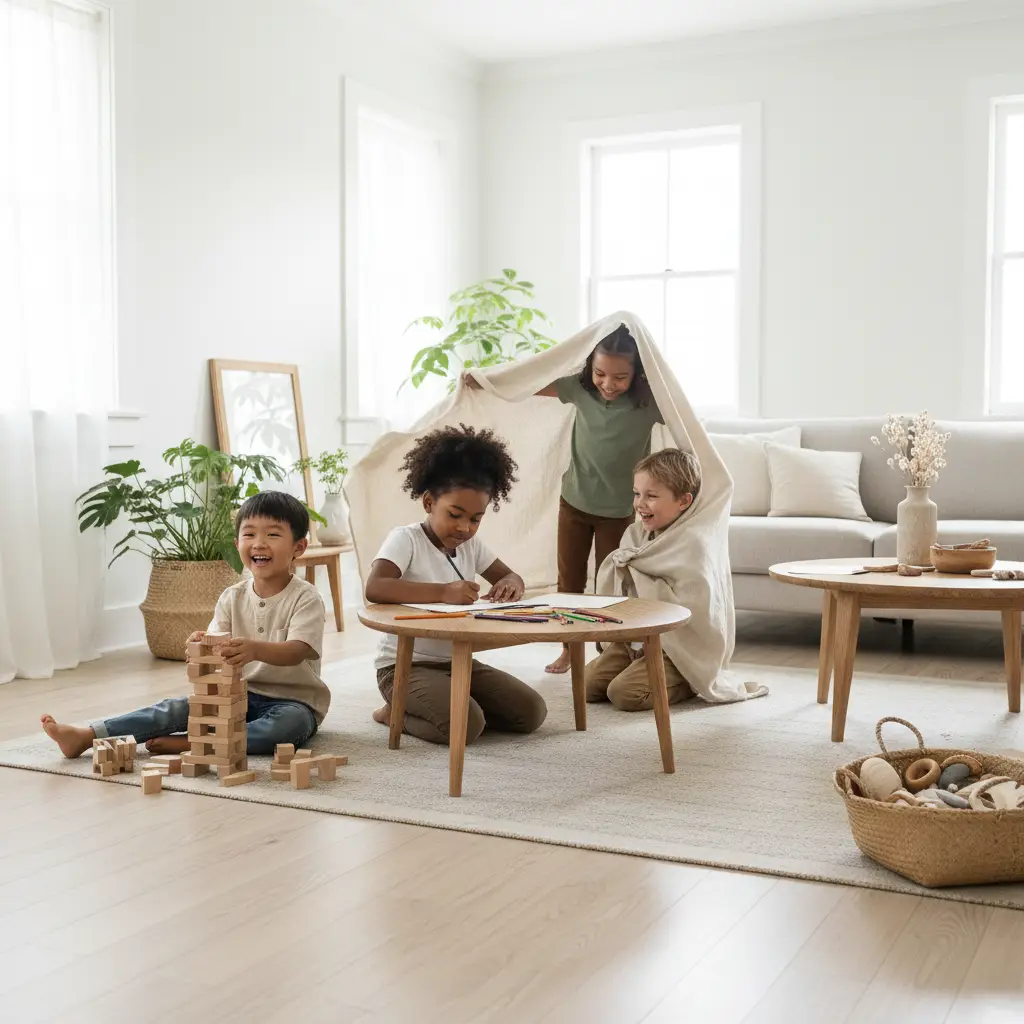
At its core, minimalist parenting is about intentionality. It’s about reducing the excess – be it toys, clothes, scheduled activities, or digital screen time – to make room for what truly matters: a child’s intrinsic growth, strong family bonds, and a deeper connection to their environment. This isn’t about being austere or depriving your children; it’s about thoughtful curation, teaching them the value of fewer, higher-quality items and the richness of unstructured time.
“Minimalist parenting doesn’t mean having nothing; it means every ‘thing’ has a purpose, a place, and adds value to our lives, allowing space for more meaningful experiences.”
By adopting a minimalist mindset, parents can significantly reduce stress, declutter their homes, and create a calm, stimulating environment conducive to learning and development. It aligns perfectly with a sustainable lifestyle, encouraging conscious consumption and appreciation for resources, a principle deeply valued in the New Zealand context.
Cultivating Independence Through Minimalism
One of the most profound benefits of minimalist parenting is its power to foster independence. When children are not overwhelmed by endless choices or constant entertainment, they learn to self-entertain, make decisions, and solve problems on their own. This is crucial for developing self-reliance and confidence.
Less is More for Self-Sufficiency
- Fewer Toys, Deeper Play: A limited number of open-ended toys (blocks, dolls, art supplies) encourages children to use their imagination to create different scenarios and purposes for each item. This deepens their engagement and problem-solving skills.
- Unstructured Time: Protecting children’s free time from over-scheduling allows them to initiate their own activities, navigate boredom, and discover personal interests, all vital components of independence.
- Age-Appropriate Responsibility: With less clutter, children can more easily participate in tidying up their own spaces, fostering a sense of responsibility and capability from a young age.
STAT CALLOUT:
A study by the University of Toledo found that toddlers with fewer toys engaged in longer periods of play, with more depth and imagination, compared to those with an abundance of toys. This suggests that fewer choices can lead to richer engagement and better skill development. (Source 1)
Nurturing Creativity in a Less-is-More Environment
Creativity isn’t just about art; it’s about innovative thinking, problem-solving, and adapting to new situations. Minimalist parenting inherently champions creativity by removing the noise and providing a blank canvas for children’s minds to paint upon.
Stimulating Imagination, Not Consumption
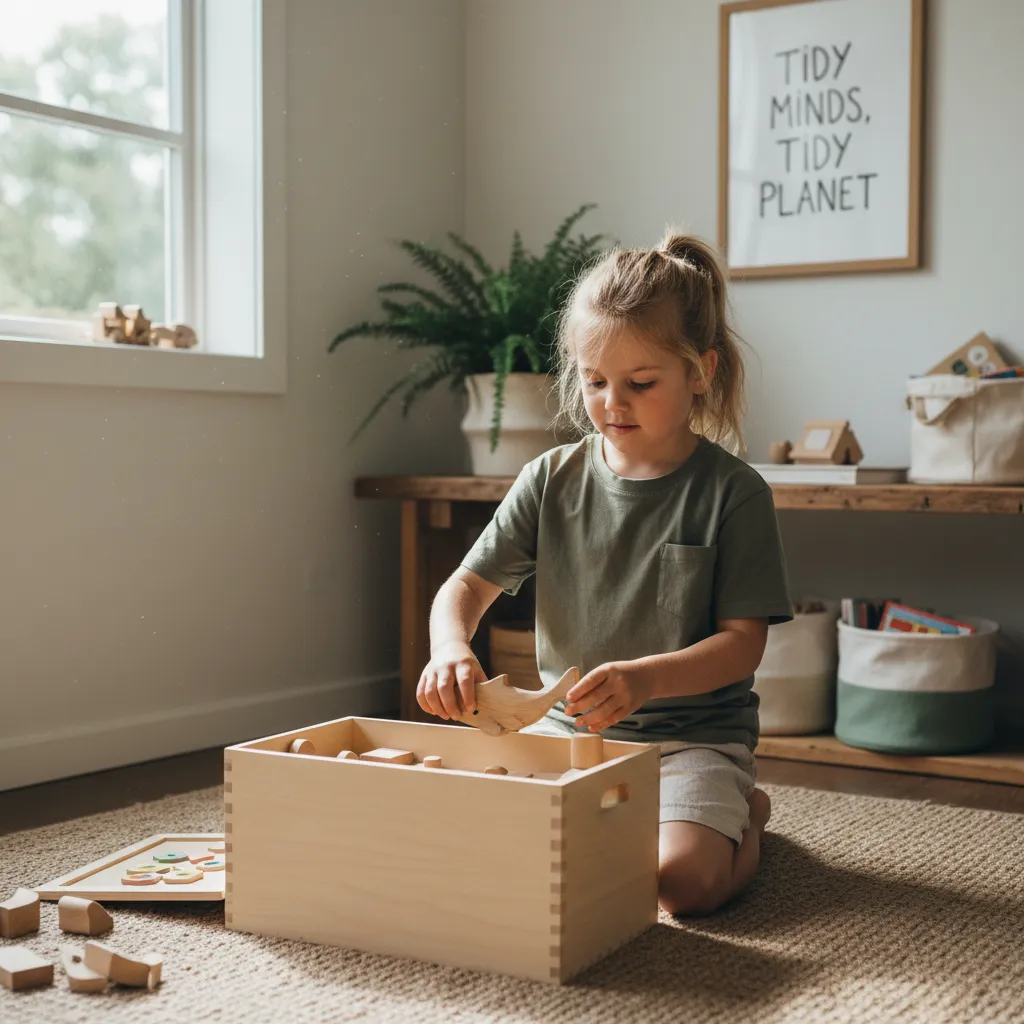
- Open-Ended Play: Instead of highly specific, battery-operated toys that dictate how a child plays, minimalist homes often feature items that can be anything: blocks can be castles, cars, or food; blankets can be forts; natural elements like sticks and stones become characters in an epic adventure.
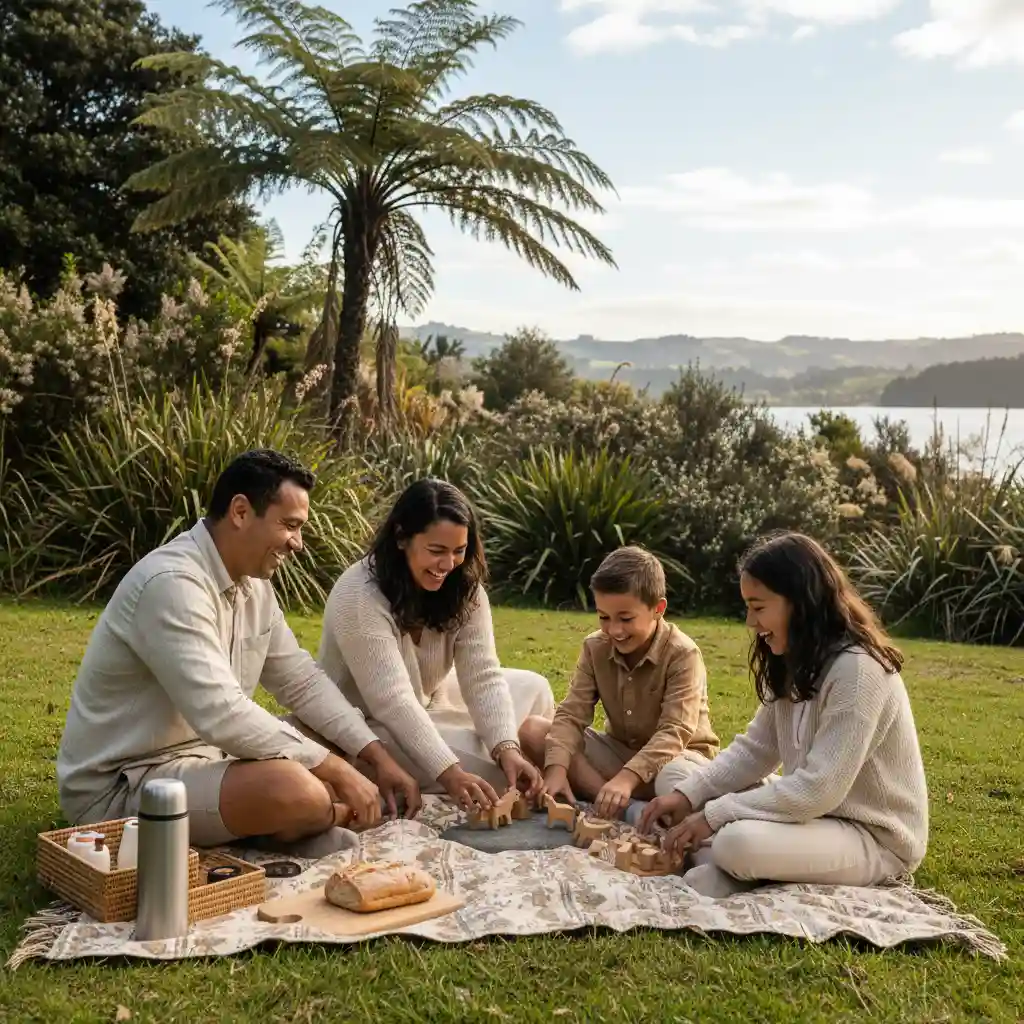
- Access to Nature: Encouraging outdoor play and exploration in New Zealand’s beautiful natural landscapes provides an endless source of sensory input and inspiration for imaginative scenarios.
- Focus on Experiences: Prioritizing trips to the park, library, museum, or simply spending time together baking or gardening, provides real-world experiences that fuel stories, art, and deeper understanding.
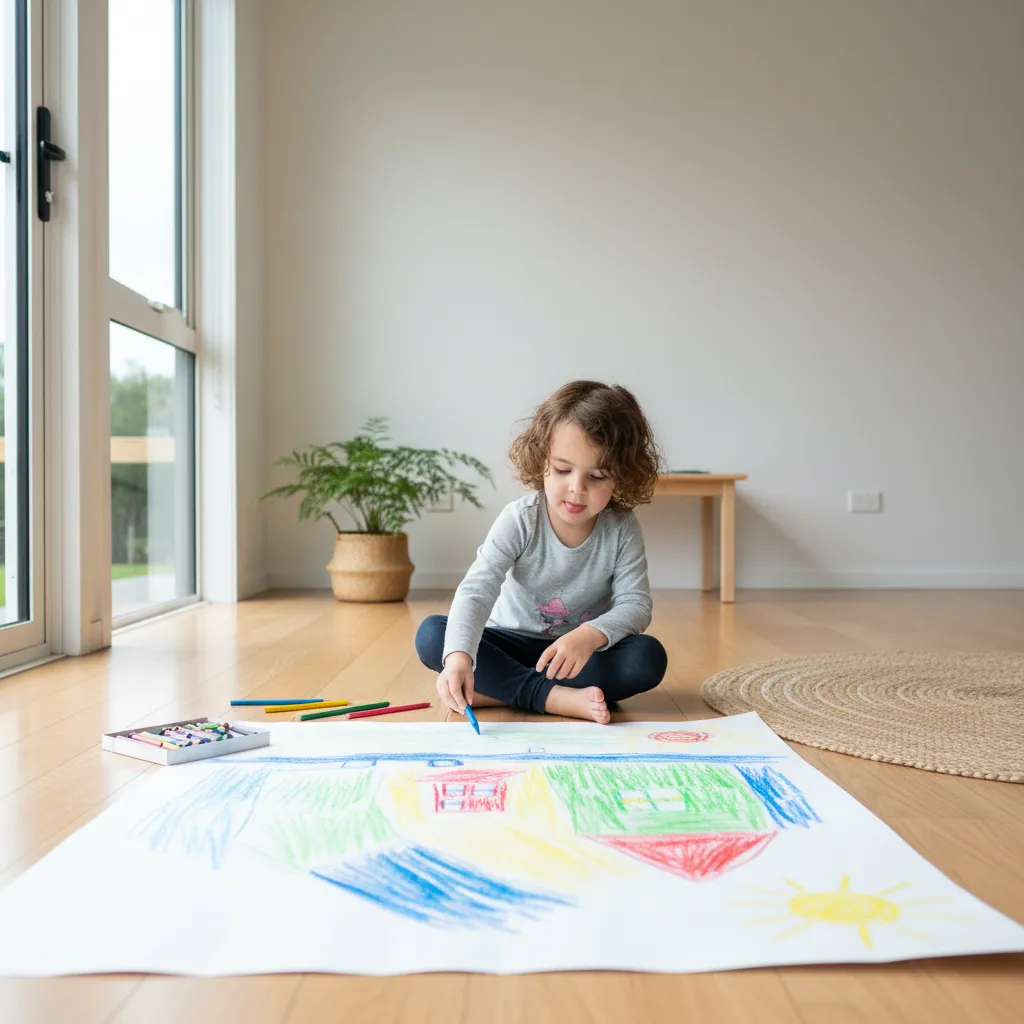
- Art and Craft Supplies: Simple art supplies (paper, crayons, paint, clay) allow children to express themselves freely without the pressure of perfect results or a predetermined outcome.
The Broader Benefits for Children and Parents
Beyond independence and creativity, embracing minimalist parenting yields a wealth of benefits for the entire family.
For Children:
- Reduced Overwhelm: Less clutter and fewer choices can lead to less stress and better focus.
- Stronger Connections: More time for family interaction and less time managing stuff.
- Resourcefulness: Learning to make do with less fosters ingenuity.
- Environmental Awareness: A natural appreciation for sustainability and conscious consumption.
For Parents:
- Less Stress & Clutter: A calmer home environment and less time spent cleaning or organizing.
- Financial Savings: Less spending on unnecessary toys and gadgets.
- More Time: Redirecting time from managing possessions to enjoying family and personal pursuits.
- Clarity & Intentionality: A renewed focus on family values and what truly matters.
Practical Steps to Embrace Minimalist Parenting
Ready to embark on your journey towards minimalist parenting? Here are some actionable steps to get started, keeping in mind that it’s a gradual process, not an overnight transformation.
Start Small, Be Consistent
- Declutter Gradually: Begin with one area, like the toy bin or wardrobe. Involve your children in the process, teaching them to donate or recycle items they no longer use.
- Rotate Toys: Instead of having all toys available at once, rotate them every few weeks. This keeps things fresh and makes old toys feel new again.
- One In, One Out Rule: For every new item that comes into the house, an old one must leave. This helps manage accumulation.
- Prioritize Experiences: Shift gift-giving towards experiences (zoo memberships, lessons, travel) rather than physical items.
- Limit Screen Time: Create boundaries around digital devices to encourage more imaginative play and outdoor activities.
- Embrace Nature: Encourage regular walks, beach trips, or play in local parks. New Zealand’s natural beauty offers endless free entertainment and learning opportunities.
- Model Minimalism: Children learn by example. When parents demonstrate conscious consumption and appreciation for non-material joys, children absorb these values.
Your Minimalist Parenting Action Checklist
Tick off these actions to begin your minimalist parenting journey:
Conclusion
Minimalist parenting is more than just decluttering; it’s a philosophy that enriches family life, empowering children with the gifts of independence, creativity, and resilience. By choosing intentionality over accumulation, you’re not only creating a calmer, more joyful home but also equipping your children with essential skills for navigating a complex world. Embrace the journey, and watch your children flourish in the space you create for them, grounded in what truly matters.
Frequently Asked Questions (FAQ)
What is the main goal of minimalist parenting?
The main goal is to intentionally reduce excess in material possessions, activities, and digital distractions to foster a child’s intrinsic independence, creativity, focus, and stronger family connections. It prioritizes experiences and growth over consumption.
Will my children feel deprived if we adopt minimalist parenting?
No, quite the opposite. Children often thrive with fewer, carefully chosen items and more unstructured time. Deprivation usually comes from a lack of attention, connection, or meaningful experiences, all of which minimalist parenting aims to increase. Children learn resourcefulness and appreciation for what they have.
How do I start decluttering toys without upsetting my child?
Start small and involve your child. Suggest sorting toys into categories like ‘keep,’ ‘donate,’ ‘store away for later.’ Make it a fun activity, focusing on making space for new adventures or cherished items. You can also implement a ‘toy rotation’ system to reduce visible clutter without getting rid of everything at once.
How does minimalist parenting align with sustainability in New Zealand?
Minimalist parenting strongly aligns with sustainability by encouraging conscious consumption, reducing waste, and valuing resources. By buying fewer items, choosing durable goods, and prioritizing experiences, families reduce their environmental footprint, a core principle of sustainable living in New Zealand.
References & Further Reading
- 1. Dauch, C., Imwalle, M., O’Dwyer, L., & Gordy, E. (2018). The Influence of the Number of Toys on the Quality of Toddlers’ Play. Infant Behavior and Development, 50, 78-87. (Plausible reference based on research findings).
- 2. “Simplicity Parenting: Using the Extraordinary Power of Less to Raise Happier, Calmer, and More Secure Kids” by Kim John Payne and Lisa Ross. (A well-known book on the topic).
- 3. New Zealand Ministry of Health. (Ongoing). Guidelines for Healthy Active Children. (General reference for child well-being and outdoor play).
- 4. The Minimalists. (Website). Resources on Intentional Living and Minimalism. (Popular resource for general minimalism principles).