Mindful Shopping Habits for Sustainable Living NZ
In a world increasingly aware of its environmental footprint, New Zealanders are seeking more conscious ways to live. Moving beyond technical waste management, our focus now shifts to proactive consumer choices. If you’re looking for practical sustainable shopping NZ tips to reduce your impact, support local, and embrace a more thoughtful lifestyle, you’re in the right place.
Transitioning to a sustainable lifestyle doesn’t have to be overwhelming. It’s about small, deliberate changes that collectively make a significant difference. Let’s explore how mindful shopping can transform your habits and contribute to a healthier Aotearoa.
1. Prioritise Needs: The Art of Buying Less
The first and arguably most impactful step towards sustainable shopping is simply to buy less. Our consumer-driven society often encourages impulse purchases and a constant desire for new things. However, every item we acquire has an environmental cost, from production to disposal.
Before making any purchase, pause and ask yourself: “Do I truly need this?” Consider if you already own something similar, if it can be borrowed, or if it serves multiple purposes. This mindful approach helps reduce waste, conserves resources, and frees up your financial resources for truly essential or meaningful items.

“The greatest wealth is to live content with little.” – Plato
Embracing a minimalist mindset isn’t about deprivation; it’s about valuing quality experiences and existing possessions over endless accumulation. This fundamental shift is central to effective sustainable shopping NZ tips.
2. Invest Wisely: Quality Over Quantity
Once you’ve decided a purchase is necessary, shift your focus from affordability to durability and longevity. Fast, cheap goods often come with hidden costs: poor working conditions, toxic materials, and a short lifespan that leads to more waste.
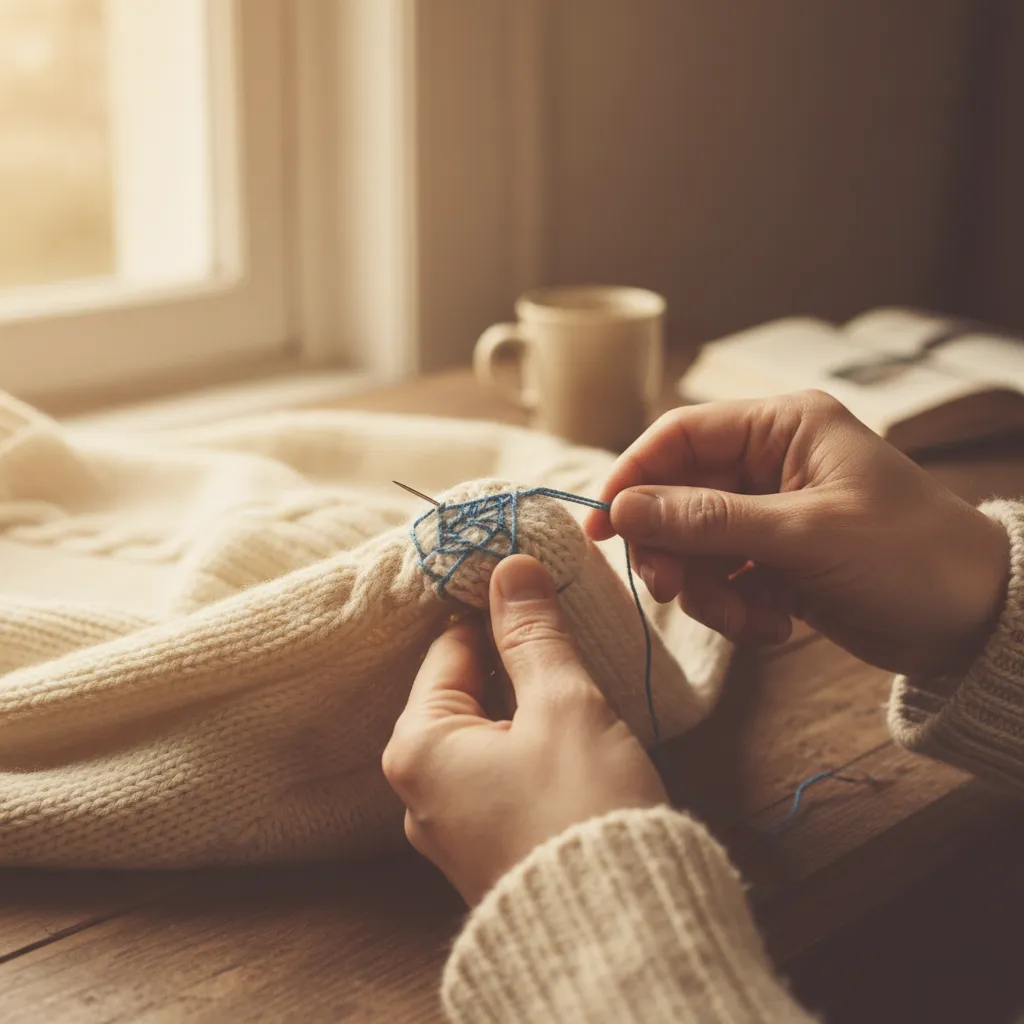
Investing in higher-quality items, while potentially more expensive upfront, often saves money in the long run. They are built to last, require fewer replacements, and can often be repaired, reducing your overall consumption footprint. Think about a timeless wool sweater versus a disposable synthetic garment.
📊 Stat Callout:
A high-quality item, like durable footwear or well-made clothing, can last up to 5 times longer than its fast-fashion counterpart, significantly reducing waste over time. (The Ellen MacArthur Foundation, 2017)
Prioritising quality over quantity is a cornerstone of smart sustainable shopping NZ tips, promoting a cycle of longevity rather than disposability.
3. Dig Deeper: Researching Brands and Their Values
True sustainability extends beyond the product itself to the entire supply chain. As conscious consumers, it’s our responsibility to understand the brands we support. Are they transparent about their production processes? Do they use ethical labour practices? Are their materials sustainably sourced?
Look for certifications like B Corp, Fairtrade, or Cradle to Cradle. These labels indicate that a company meets rigorous standards of social and environmental performance, accountability, and transparency. A quick search online can reveal a brand’s sustainability report, their mission, and customer reviews that speak to their ethical standing.
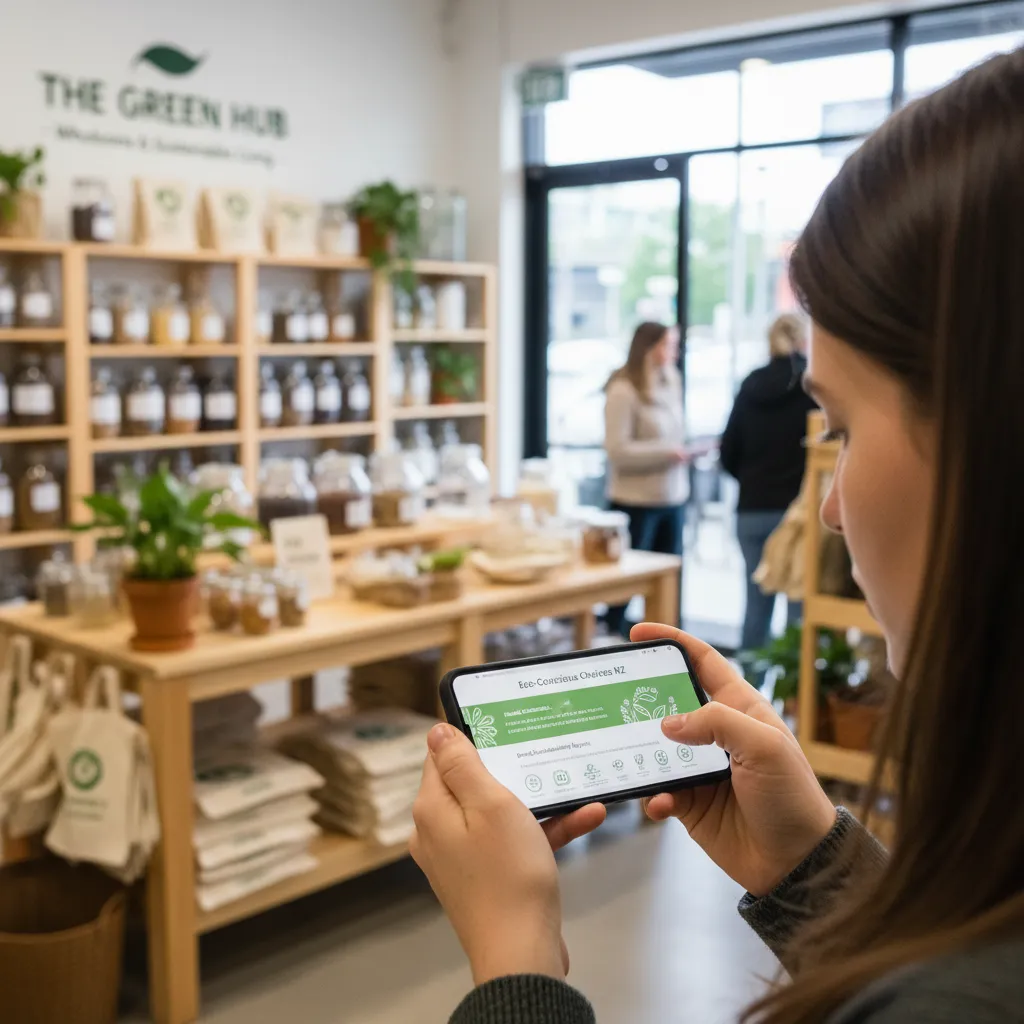
By consciously choosing brands that align with your values, you’re not just buying a product; you’re voting with your wallet for a more responsible economy. This is a powerful aspect of effective sustainable shopping NZ tips.
4. Break the Cycle: Avoiding Fast Fashion
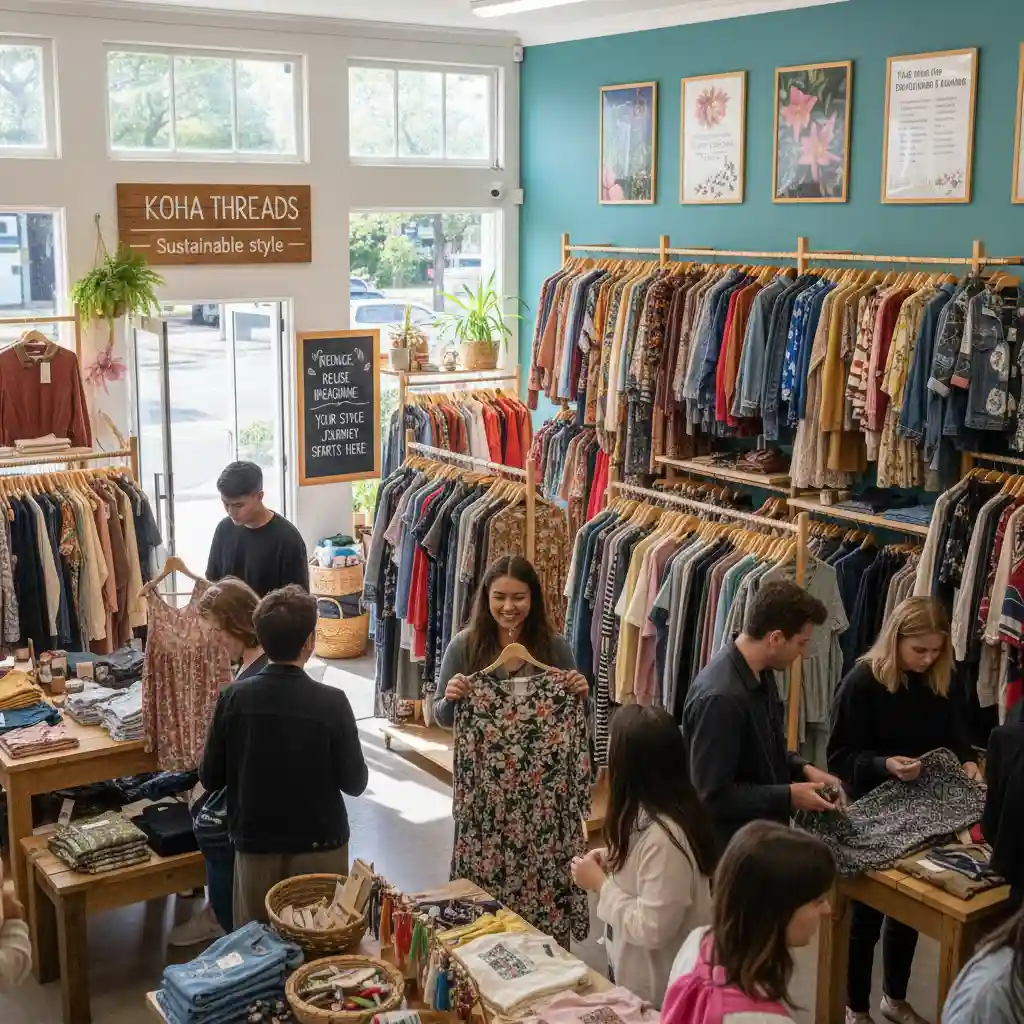
Fast fashion is perhaps one of the biggest culprits in the unsustainable consumer cycle. Characterised by rapid production, low prices, and trend-driven collections, it encourages overconsumption and contributes massively to textile waste, water pollution, and exploitative labour.
Instead of chasing fleeting trends, embrace timeless pieces, build a capsule wardrobe, and explore second-hand options. New Zealand has a vibrant second-hand market, from charity shops and vintage boutiques to online platforms. Giving pre-loved items a new life is a fantastic way to practice sustainable shopping NZ tips, save money, and express unique style without supporting harmful practices.
🌍 Environmental Impact:
The fashion industry is responsible for 10% of global carbon emissions – more than international flights and maritime shipping combined – and nearly 20% of global wastewater. (UNEP, 2020)
5. Embrace Aotearoa: Local vs. Imported Goods
Supporting local New Zealand businesses is one of the most direct ways to contribute to a sustainable future for Aotearoa. When you buy local, you reduce the carbon footprint associated with transportation, as goods don’t have to travel as far.
Beyond environmental benefits, buying local strengthens our communities, creates jobs, and keeps money circulating within the New Zealand economy. Local producers are often more accountable and transparent about their practices, and their products are frequently designed to suit local conditions and needs.
👨🌾 Support Local:
Studies show that buying local keeps up to 4 times more money in the local economy compared to purchasing from large chains or imported goods. (Sustainable Business Network NZ, 2023)
From farmers’ markets to artisan crafts and local service providers, seek out opportunities to support New Zealand-made. This is a powerful, tangible way to enact your sustainable shopping NZ tips and foster national resilience.
Your Sustainable Shopping Action Checklist
Ready to put these sustainable shopping NZ tips into action? Use this checklist as your guide to more mindful consumption:
- 🤔 Ask: “Do I truly need this?” before every purchase.
- ✨ Prioritise durability and repairability when choosing items.
- 🔍 Look for ethical certifications and transparent supply chains.
- ♻️ Explore second-hand options first for clothing, furniture, and more.
- 🛍️ Choose locally-made NZ products to reduce your carbon footprint and support the local economy.
- 💬 Engage with brands about their sustainability practices and demand transparency.
- 🛠️ Learn to repair and mend items, extending their life.
- 🎁 Gift experiences or services instead of material goods.
Frequently Asked Questions (FAQs)
What are sustainable shopping NZ tips?
Sustainable shopping NZ tips involve making conscious choices to reduce your environmental and social impact when purchasing goods. This includes buying less, choosing high-quality items, supporting local ethical brands, avoiding fast fashion, and opting for products with minimal ecological footprints. The goal is to align your consumption habits with a more sustainable lifestyle in New Zealand.
How can I start buying less in New Zealand?
To start buying less, begin by assessing your existing possessions and identifying true needs versus wants. Practice mindful consumption by creating shopping lists, waiting 24-48 hours before impulse buys, and focusing on multipurpose items. Consider borrowing, swapping, or repairing items instead of immediately purchasing new ones. This approach is key to effective sustainable shopping NZ tips.
Why is avoiding fast fashion important for sustainable living in NZ?
Avoiding fast fashion is crucial for sustainable living in NZ because the industry is a major contributor to pollution, waste, and unethical labour practices globally. Fast fashion relies on rapid production of cheap, trend-driven clothing, leading to excessive consumption, textile waste in landfills, and significant resource depletion. Choosing durable, ethical, and second-hand clothing helps mitigate these negative impacts.
Where can I find sustainable New Zealand brands?
You can find sustainable New Zealand brands by looking for certifications (like B Corp, Fairtrade NZ), researching companies’ sustainability reports, checking local farmers’ markets for produce and crafts, and exploring online directories dedicated to ethical NZ businesses. Word-of-mouth and social media groups focused on sustainable living in Aotearoa can also be valuable resources.
Does buying local really make a difference for sustainability in NZ?
Yes, buying local absolutely makes a difference for sustainability in NZ. It reduces transportation emissions (lower carbon footprint), supports local economies and communities, often ensures higher quality and fresher products, and allows for greater transparency regarding production methods. Prioritising local goods is a powerful way to implement sustainable shopping NZ tips and foster a more resilient Aotearoa.
References and Sources
- The Ellen MacArthur Foundation. (2017). *A New Textiles Economy: Redesigning fashion’s future*. Retrieved from ellenmacarthurfoundation.org
- Sustainable Business Network NZ. (2023). *The Impact of Buying Local*. Retrieved from sustainable.org.nz
- UN Environment Programme (UNEP). (2020). *The environmental price of fashion*. Retrieved from unep.org
- Ministry for the Environment. (2022). *New Zealand’s Environmental Reporting Series: Our atmosphere and climate 2020*. Retrieved from mfe.govt.nz
- Fashion Revolution. (2023). *Fashion Transparency Index*. Retrieved from fashionrevolution.org

