Maximize Savings with Home Energy Audits in New Zealand
In a country as stunningly beautiful and increasingly sustainability-focused as New Zealand, finding ways to live more efficiently isn’t just good for the planet—it’s brilliant for your wallet. One of the most impactful steps you can take towards a warmer, healthier, and more affordable home is a professional home energy audit.
Are you tired of high power bills, cold drafts, or rooms that just won’t heat up? A comprehensive energy audit can pinpoint exactly where your home is losing energy and, crucially, how to fix it. This guide will walk you through everything you need to know about maximizing savings with home energy audits in New Zealand, transforming your living space into an energy-efficient haven.
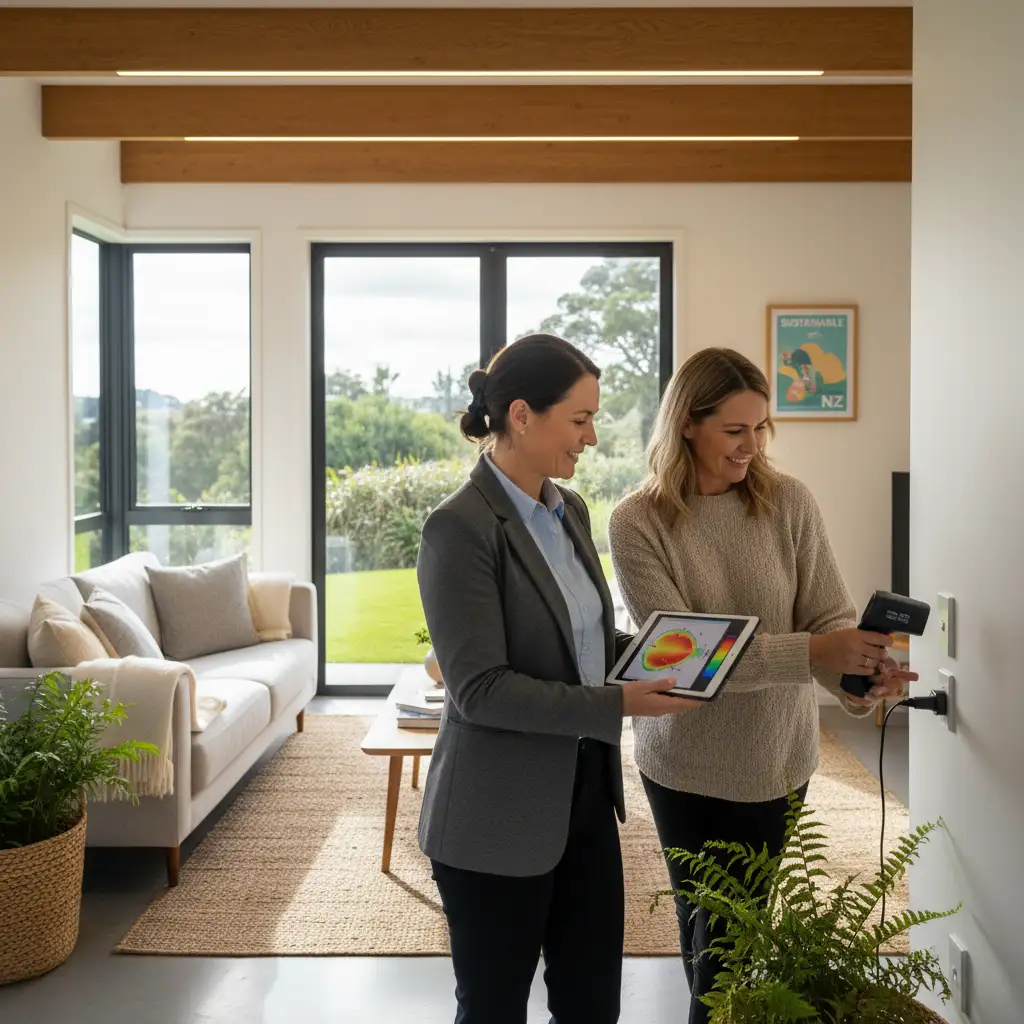
Table of Contents
- What Exactly is a Home Energy Audit?
- Why Home Energy Audits are Crucial for NZ Homes
- What to Expect During a Home Energy Audit
- Understanding Your Energy Audit Report
- Steps to Take After Your Energy Audit
- Choosing the Right Energy Auditor in New Zealand
- Government Grants & Support for Energy Efficiency
- Conclusion: Your Path to a More Efficient NZ Home
- Frequently Asked Questions (FAQ)
- References / Sources
What Exactly is a Home Energy Audit?
A home energy audit, also known as an energy assessment, is a detailed evaluation of your home’s energy performance. Think of it as a health check-up for your house, specifically designed to identify areas of energy waste and inefficiency. A qualified auditor will use a range of tools and expertise to assess everything from your insulation and heating systems to your windows and appliances.
“Many homeowners are surprised by how much energy they lose through common culprits like poor insulation or leaky windows. An energy audit puts concrete data behind these assumptions, paving the way for targeted improvements.”
The goal is not just to point out problems but to provide actionable recommendations that will lead to tangible savings on your power bills and a more comfortable, healthier living environment.
Why Home Energy Audits are Crucial for NZ Homes
New Zealand’s housing stock often presents unique challenges when it comes to energy efficiency. Many older homes were built without modern insulation standards, and even newer homes can have hidden inefficiencies. An energy audit addresses these directly:
- Significant Cost Savings: By identifying where energy is wasted, audits allow you to make strategic upgrades that reduce your heating, cooling, and overall power consumption. This directly translates to lower monthly bills.
- Increased Comfort: Fixing drafts and improving insulation leads to a warmer, drier home in winter and a cooler one in summer, eliminating uncomfortable hot and cold spots.
- Improved Health: A well-insulated, drier home is less prone to mould and dampness, contributing to better indoor air quality and overall resident health.
- Environmental Impact: Reducing energy consumption lessens your carbon footprint, contributing to New Zealand’s sustainability goals.
- Enhanced Home Value: Energy-efficient homes are increasingly attractive to buyers, potentially increasing your property’s market value.
Stat Callout:
Studies indicate that homeowners can reduce their energy bills by 10% to 30% after implementing recommendations from a professional home energy audit. In New Zealand, this can amount to significant annual savings, especially during colder months.
What to Expect During a Home Energy Audit
A typical professional home energy audit in New Zealand involves several key steps. Knowing what to expect can help you prepare and get the most out of the assessment.
1. Initial Interview and Assessment
The auditor will start by discussing your energy usage habits, any specific comfort issues you have, and reviewing your past utility bills. They’ll conduct a visual inspection of your home, noting its size, age, construction, and existing insulation.
2. Blower Door Test
This is a crucial test where a powerful fan is mounted in an exterior doorway to depressurize the house. This exaggerates air leaks, making them easier to detect with tools like smoke pencils or an infrared camera.
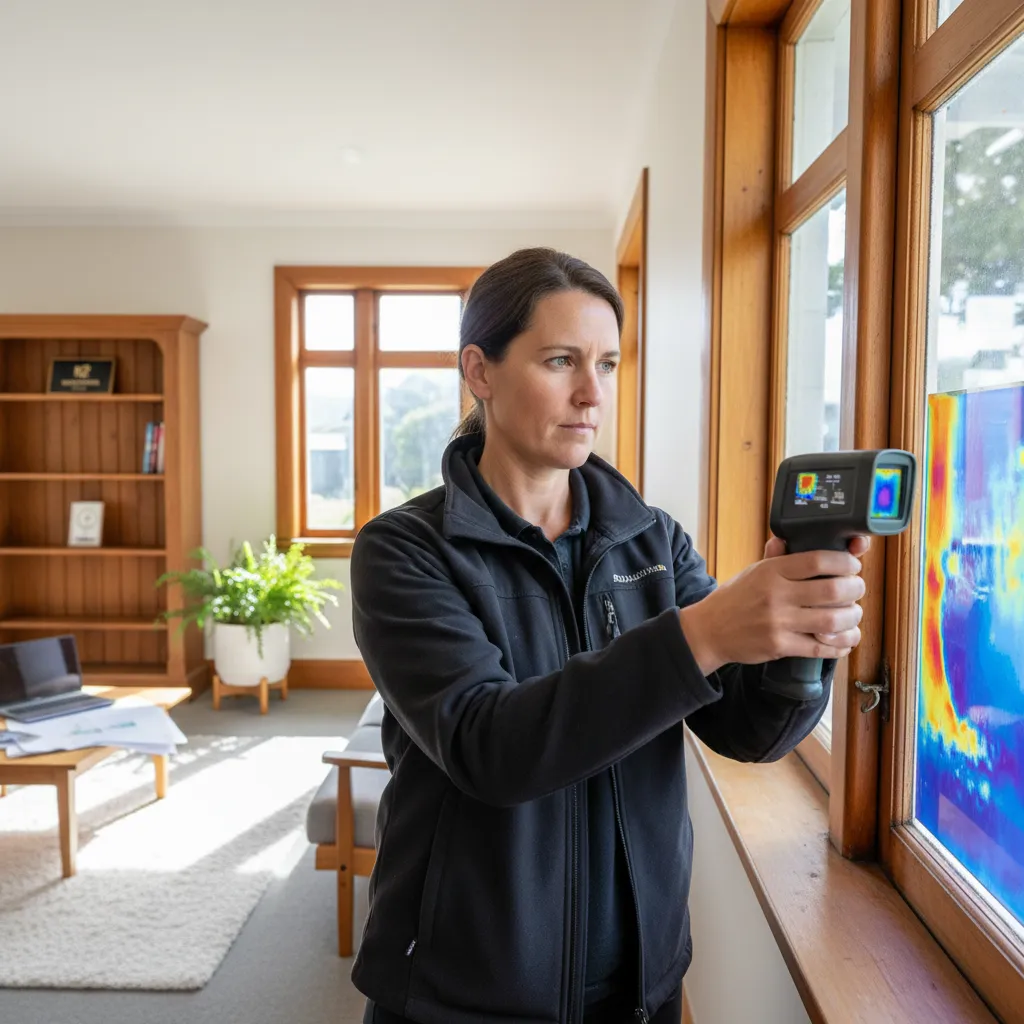
3. Thermal Imaging (Infrared Camera Scan)
An infrared camera helps visualise heat loss (or gain) through walls, ceilings, windows, and floors, identifying areas with inadequate insulation or significant thermal bridges.
4. Inspection of Insulation and HVAC Systems
The auditor will check the type and condition of insulation in your ceiling, walls (where accessible), and underfloor. They’ll also inspect your heating, ventilation, and air conditioning (HVAC) systems, looking for inefficiencies or maintenance needs.
5. Appliance and Lighting Assessment
While not always the focus, high-energy-consuming appliances and inefficient lighting can contribute significantly to your power bill. The auditor may offer advice on upgrading or optimising these.
Understanding Your Energy Audit Report
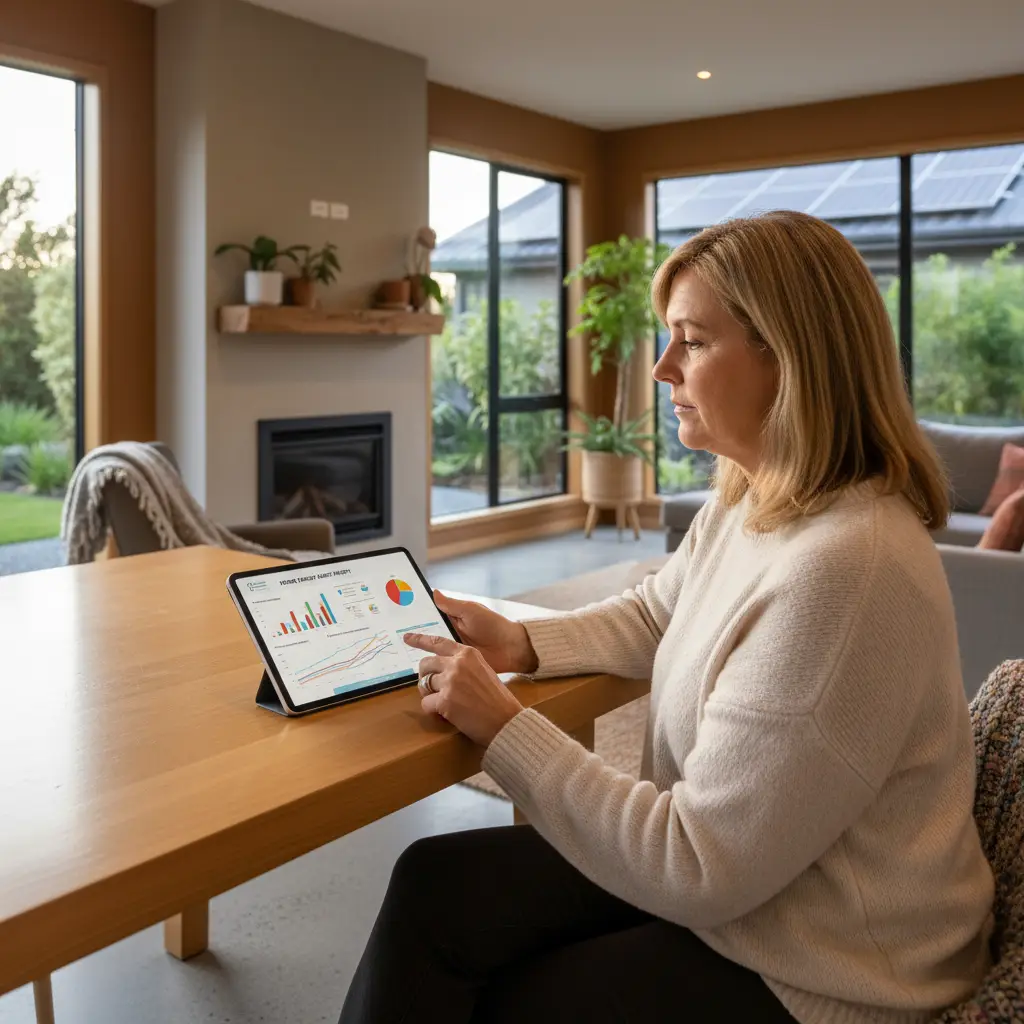
After the on-site visit, you’ll receive a detailed report outlining the findings. This report typically includes:
- A summary of your home’s current energy performance.
- Specific areas of energy loss identified (e.g., drafts, insulation gaps).
- Prioritised recommendations for improvements, from simple DIY fixes to professional upgrades.
- Estimated costs for each recommendation and the potential energy savings/payback period.
- Information on potential grants or rebates available in New Zealand.
Steps to Take After Your Energy Audit
Receiving your energy audit report is just the first step. The real savings begin when you act on the recommendations. Here’s an action checklist to guide you:
- Review and Prioritise: Go through the report carefully. Focus on recommendations with the highest return on investment (ROI) or those that address your most pressing comfort issues first.
- DIY First: Tackle easy, low-cost fixes like sealing air leaks around windows and doors with caulk or weatherstripping, or ensuring your hot water cylinder is insulated.
- Gather Quotes: For larger projects like insulation upgrades, double glazing, or new heating systems, get multiple quotes from qualified local professionals.
- Explore Grants & Subsidies: Investigate if you qualify for any government or local council grants for energy efficiency improvements (e.g., Warmer Kiwi Homes program).
- Track Your Progress: Keep an eye on your energy bills after implementing changes. You should start seeing the difference!
Choosing the Right Energy Auditor in New Zealand
The effectiveness of your home energy audit hinges on the expertise of your auditor. Look for professionals who are:
- Qualified and Certified: Ensure they hold relevant certifications (e.g., from institutions like BRANZ or industry bodies).
- Experienced: Choose an auditor with a proven track record specifically with New Zealand homes and climate conditions.
- Comprehensive: They should offer a detailed report, not just a quick walk-through.
- Reputable: Check client testimonials and reviews.
Government Grants & Support for Energy Efficiency
New Zealand offers several initiatives to help homeowners make their properties more energy-efficient. The Energy Efficiency and Conservation Authority (EECA) is a key resource. Programs like Warmer Kiwi Homes provide grants for insulation and heating for eligible homeowners, making it more affordable to implement energy audit recommendations. Always check the latest eligibility criteria and available funding.
Conclusion: Your Path to a More Efficient NZ Home
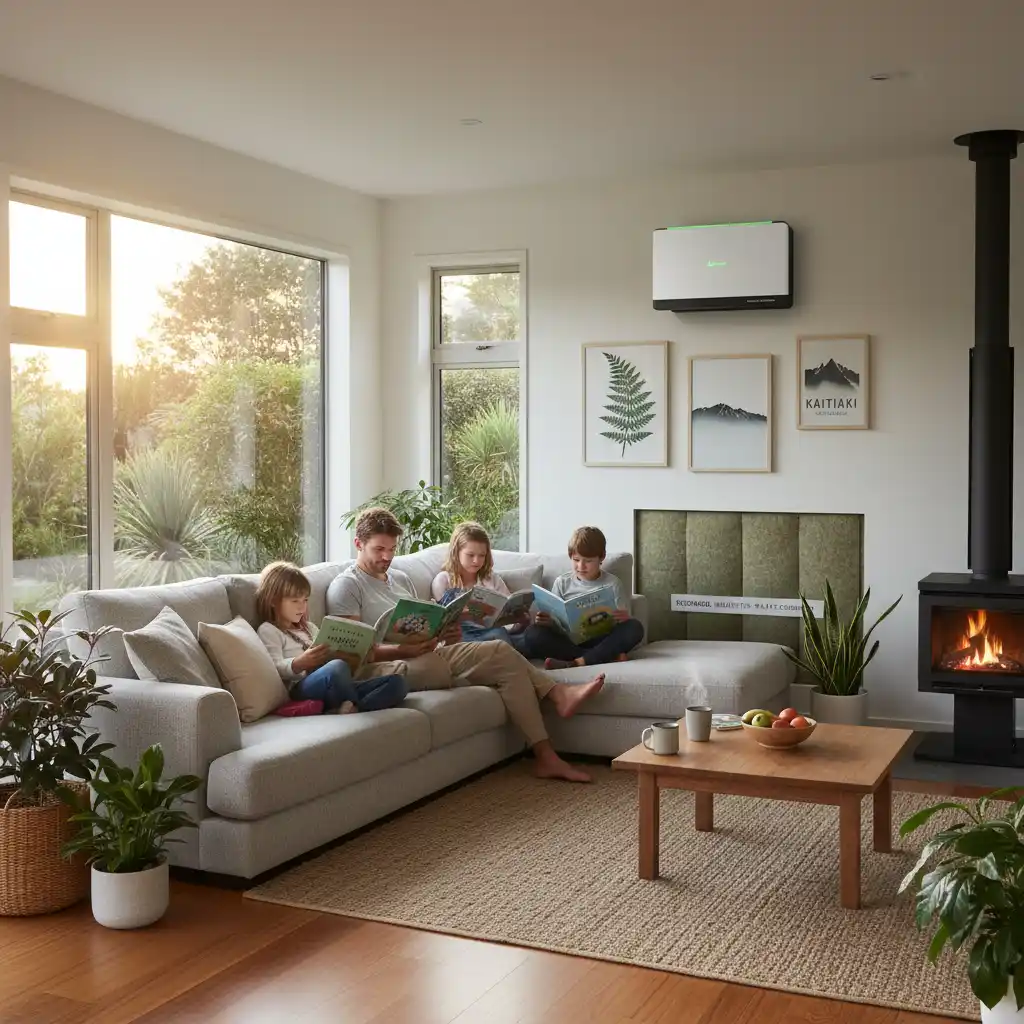
Investing in a home energy audit is a proactive step towards a more sustainable, comfortable, and cost-effective lifestyle in New Zealand. By understanding exactly how your home uses (and loses) energy, you empower yourself to make informed decisions that will maximize savings and enhance your living environment for years to come.
Don’t let inefficient energy use drain your budget or your comfort. Take the first step today to maximize savings with a home energy audit in New Zealand and enjoy the benefits of a truly warm, dry, and affordable home.
Frequently Asked Questions (FAQ)
What does a home energy audit typically cost in New Zealand?
The cost of a professional home energy audit in New Zealand can vary, typically ranging from $300 to $800, depending on the size and complexity of your home, and the depth of the audit. Some providers might offer basic assessments for less, while comprehensive audits with advanced diagnostics like thermal imaging will be at the higher end. It’s an investment that often pays for itself through energy savings within a few years.
How long does a home energy audit take?
Most on-site home energy audits take between 2 to 4 hours, depending on the size of your property and the thoroughness of the assessment. The auditor will need access to all areas of your home, including attics, basements, and crawl spaces, if applicable.
Do I need to do anything to prepare for an energy audit?
To prepare, ensure the auditor has clear access to your entire home. Gather your past 12 months of utility bills, as these provide valuable historical data. Also, make a list of any specific concerns you have, such as cold rooms, drafts, or high heating costs, to discuss with the auditor.
What are the most common energy efficiency improvements recommended in NZ?
Common recommendations for New Zealand homes include improving ceiling and underfloor insulation (especially if it’s old or non-existent), addressing air leaks and drafts around windows and doors, installing or upgrading to efficient heating solutions like heat pumps, and hot water cylinder wraps. Double glazing is also frequently recommended for older homes.
References / Sources
- Energy Efficiency and Conservation Authority (EECA) – www.eeca.govt.nz
- BRANZ (Building Research Association of New Zealand) – www.branz.co.nz
- Ministry of Business, Innovation & Employment (MBIE) – www.mbie.govt.nz
- NZ Green Building Council – www.nzgbc.org.nz