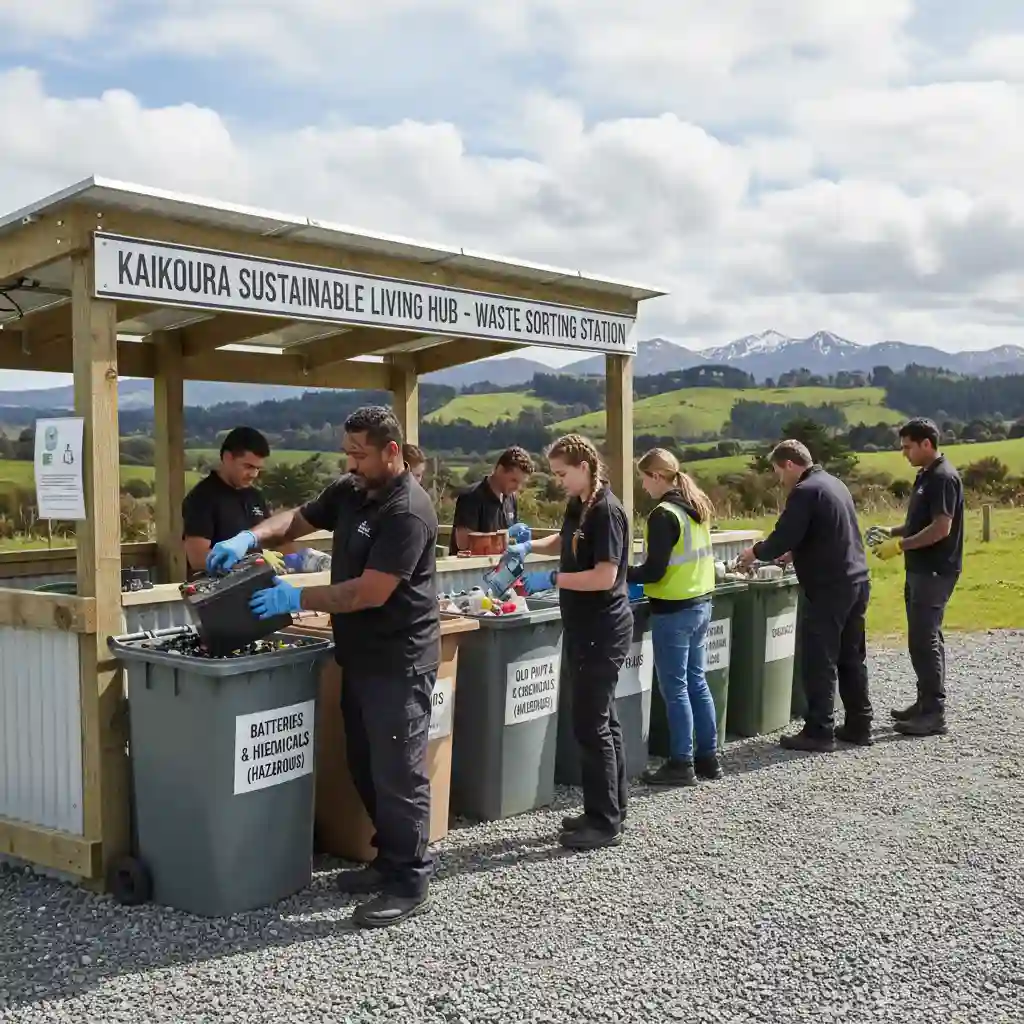
Mastering NZ Hazardous Waste Rules for Sustainable Living
Are you looking to live a more sustainable life in Aotearoa, New Zealand, but find the world of waste management confusing? You’re not alone. Navigating the rules for disposing of hazardous waste can seem daunting, yet it’s a critical step towards protecting our environment and our health.
This comprehensive guide will demystify New Zealand’s hazardous waste regulations, transforming complex legislation into actionable steps for everyday sustainable living. From identifying what counts as hazardous to finding the right disposal channels, we’ll equip you with the knowledge to make responsible choices.
Table of Contents
What Exactly is Hazardous Waste in NZ?
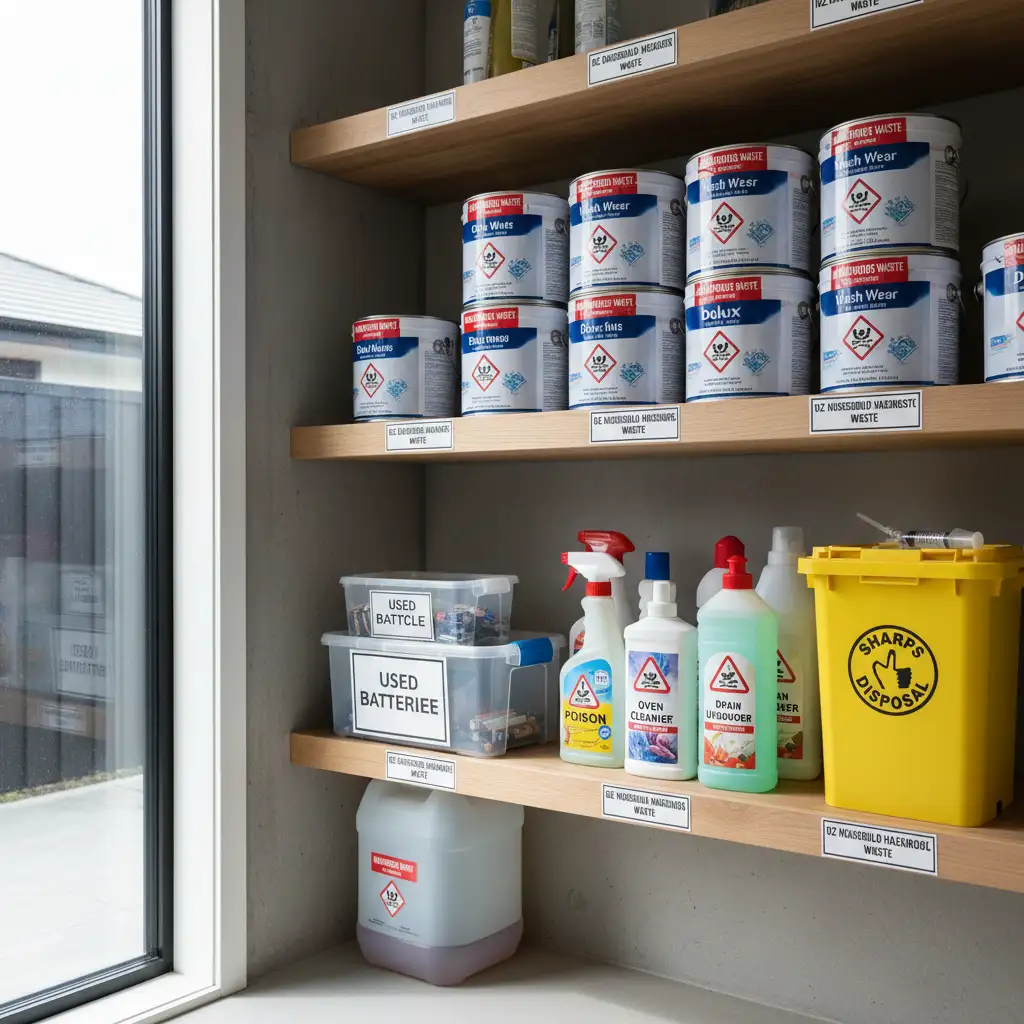
In New Zealand, hazardous waste isn’t just industrial by-products; it includes many common household items that, if improperly discarded, can harm human health or the environment. The Ministry for the Environment defines hazardous substances based on their properties: explosive, flammable, oxidising, toxic, corrosive, or ecotoxic.
Understanding these classifications is the first step in Mastering NZ Hazardous Waste Rules for Sustainable Living. It’s about recognising the potential danger lurking in your garage, shed, or under your sink. Think about old paints, used motor oil, cleaning chemicals, batteries, and certain electronics.
Why Proper Disposal is Non-Negotiable
Improper disposal of hazardous waste can have devastating consequences. When these substances end up in general landfills, they can leach into soil and groundwater, contaminating drinking water sources and harming ecosystems. Incineration without proper controls releases toxic pollutants into the air.
“Every year, New Zealand households generate thousands of tonnes of hazardous waste. Disposing of this waste correctly is fundamental to safeguarding our unique natural environment and the health of our communities.”
Did you know?
Over 14,000 tonnes of hazardous waste are generated by New Zealand households annually. Only a fraction of this is disposed of correctly, highlighting the urgent need for better public understanding and participation.
Common Household Hazardous Waste in Aotearoa
Many items we use regularly fall under the hazardous waste umbrella. Recognising these is key to Mastering NZ Hazardous Waste Rules for Sustainable Living:
- Paints and Solvents: Oil-based paints, thinners, varnishes, paint strippers.
- Automotive Products: Used motor oil, antifreeze, brake fluid, car batteries.
- Garden Chemicals: Pesticides, herbicides, fungicides, fertilisers.
- Cleaning Products: Bleach, oven cleaners, drain cleaners, strong detergents.
- Batteries: All types – alkaline, lithium-ion, lead-acid (car batteries).
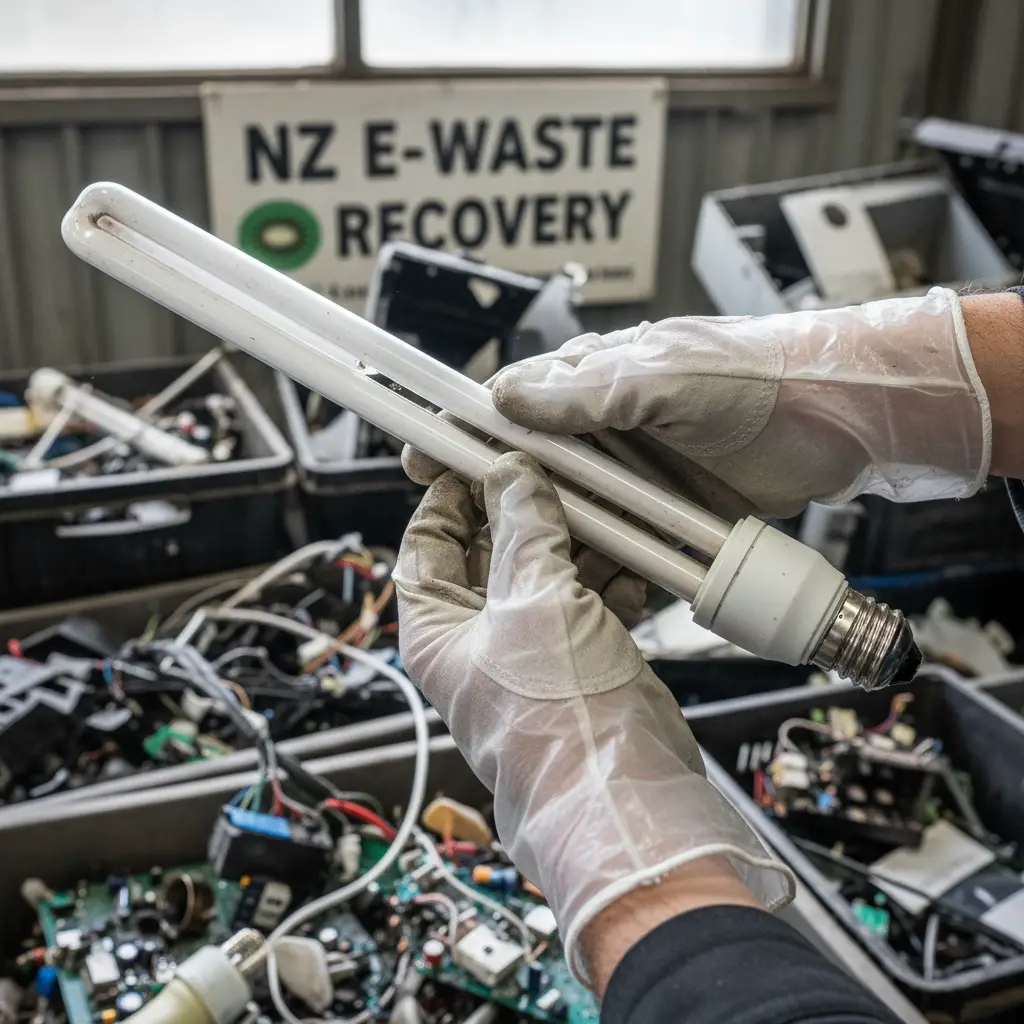
- Electronics (E-waste): Old phones, laptops, TVs, appliances (contain heavy metals and toxic chemicals).
- Fluorescent Tubes and CFLs: Contain mercury.
- Medicines: Expired or unused pharmaceuticals.
This list isn’t exhaustive, but it covers the most common culprits. Always check product labels for warnings and disposal instructions.
Step-by-Step Guide: Disposing of Hazardous Waste in NZ
Now that you know what to look for, here’s a practical guide to ensure your hazardous waste is disposed of correctly and responsibly.
1. Identify the Hazardous Waste
Before doing anything, confirm if the item is indeed hazardous. Look for warning labels on packaging (flammable, corrosive, toxic, irritant symbols). If unsure, err on the side of caution and treat it as hazardous. Never mix different types of waste, as this can create dangerous reactions.
2. Consult Your Local Council Guidelines
Waste management rules can vary significantly between New Zealand’s regions and councils. Your local council’s website is the authoritative source for specific hazardous waste collection programmes, drop-off points, and specific instructions. Search for “hazardous waste disposal [your city/region] council”.
3. Safe Storage and Transport Practices
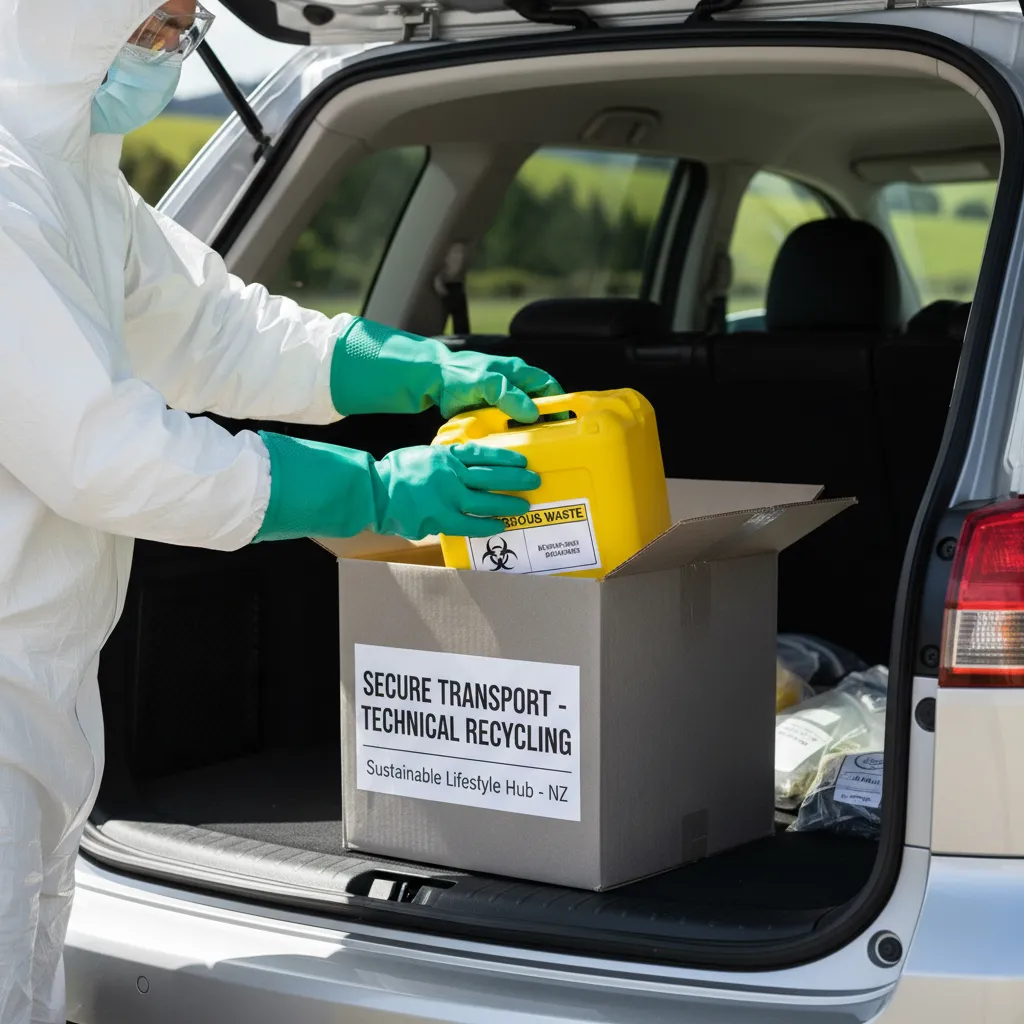
While awaiting disposal, store hazardous waste in its original container (if possible) with its label intact. If the original container is damaged, transfer it to a clearly labelled, secure, non-leaking container. Store in a cool, dry, well-ventilated area, away from children and pets. When transporting, ensure containers are sealed, upright, and secured in your vehicle to prevent spills.
4. Utilise Designated Collection Points and Services
New Zealand offers various options for hazardous waste disposal:
- Council Hazardous Waste Events: Many councils run periodic collection days for specific hazardous items.
- Transfer Stations/Resource Recovery Centres: Some facilities have dedicated sections for hazardous waste. Fees may apply.
- Specialised Recyclers: For items like batteries, e-waste, and certain chemicals, private companies or schemes offer recycling. For example, battery recycling initiatives are growing.
- Retailer Take-Back Schemes: Some retailers accept old products when you purchase new ones (e.g., car batteries, some electronics).
- Pharmacy Collections: Expired medicines can often be returned to pharmacies for safe disposal.
Always confirm opening hours, accepted items, and any costs involved before making a trip.
Beyond Disposal: Prevention and Reduction
Mastering NZ Hazardous Waste Rules for Sustainable Living isn’t just about proper disposal; it’s about reducing the amount of hazardous waste we generate in the first place. This proactive approach significantly lessens our environmental footprint.
Your Sustainable Action Checklist:
Every small choice contributes to a larger, more sustainable impact on New Zealand’s environment.

Conclusion: Your Role in a Greener Aotearoa
Mastering NZ Hazardous Waste Rules for Sustainable Living is more than just following regulations; it’s an active commitment to protecting our beautiful country. By understanding what hazardous waste is, why proper disposal matters, and how to prevent its accumulation, you become an essential part of New Zealand’s journey towards a cleaner, healthier future.
Let’s embrace these practices and inspire others to do the same, ensuring Aotearoa remains pristine for generations to come.
Frequently Asked Questions
1. Can I just throw old paint cans in my general rubbish bin?
No, liquid paint is considered hazardous waste. It should never be put in general rubbish or poured down the drain. Many councils offer specific paint collection events or have designated drop-off points. If the paint is completely dry and solid, some councils may allow it in general waste, but it’s always best to check locally first.
2. Are old batteries considered hazardous waste in New Zealand?
Yes, all types of batteries (AA, AAA, button cells, car batteries, laptop batteries) contain hazardous materials and should not be placed in regular rubbish or recycling bins. Many electronics stores, specialised recyclers, and some council transfer stations offer battery recycling services. Search online for “battery recycling near me NZ” for options.
3. What should I do with expired medicines?
Expired or unwanted medicines should never be flushed down the toilet or put in the rubbish bin. The best practice is to return them to your local pharmacy. Pharmacies can safely dispose of pharmaceuticals, preventing them from entering our waterways or landfills.
4. How do I find out my local council’s specific hazardous waste rules?
The easiest way is to visit your local city or district council’s official website. Look for sections on “waste and recycling,” “hazardous waste,” or “transfer stations.” They will provide detailed information on what they accept, collection days, and disposal locations.
References & Sources
- Ministry for the Environment. (n.d.). Hazardous Waste. Retrieved from environment.govt.nz
- Local Government New Zealand. (n.d.). Waste Management in New Zealand. Retrieved from lgnz.co.nz
- Environmental Protection Authority (EPA) New Zealand. (n.d.). Hazardous Substances. Retrieved from epa.govt.nz
- WasteMINZ. (n.d.). Waste & Recycling Information. Retrieved from wasteminz.org.nz