Master Leave No Trace: 7 Principles for Outdoor Adventures
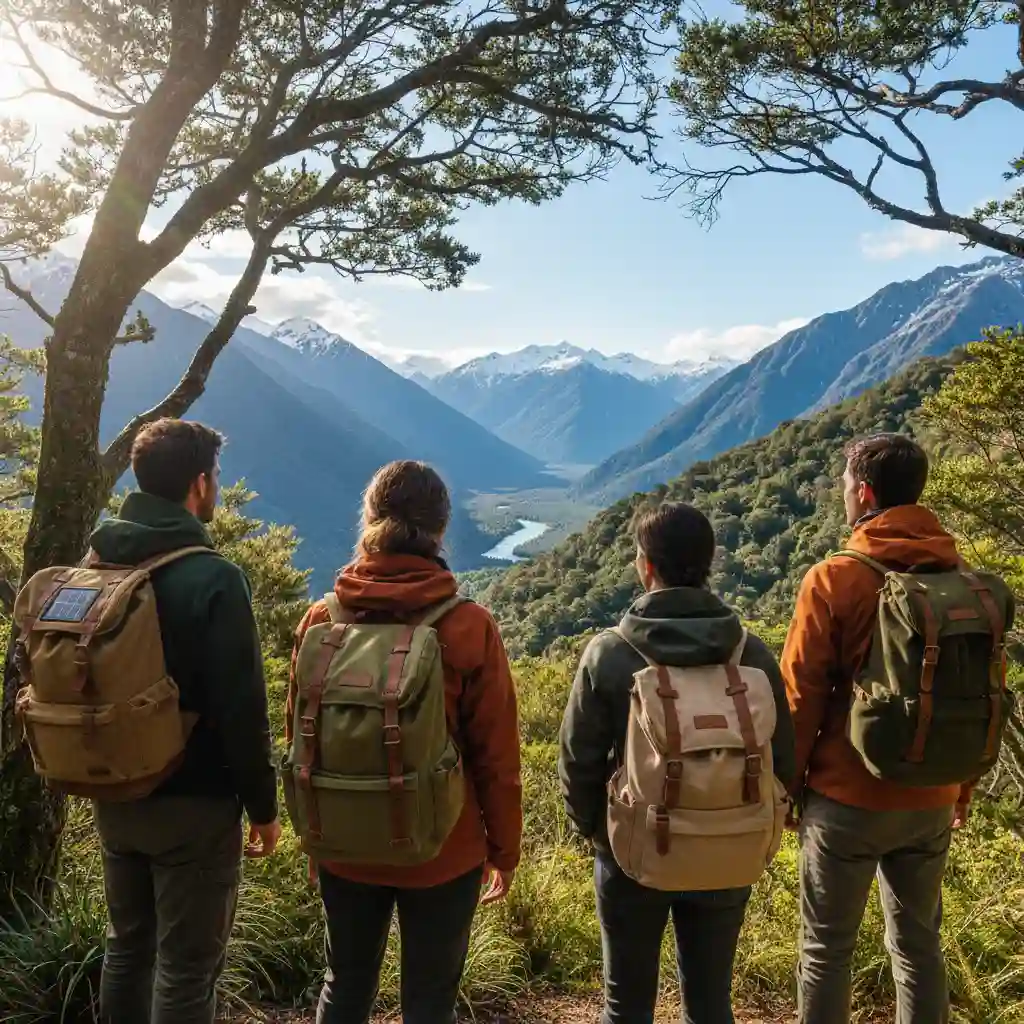
New Zealand’s breathtaking landscapes, from its pristine coastlines to majestic mountains, are a global treasure. As custodians of this natural beauty, embracing responsible outdoor practices is not just an option, but a vital responsibility. The Leave No Trace principles offer a universal framework for minimizing our impact, ensuring that future generations can experience the same unspoiled wilderness we cherish today.
Whether you’re an experienced trampper, a casual day-hiker, or planning your first wilderness escape, understanding and applying these 7 Leave No Trace principles for outdoor adventures is crucial. This guide will help you master these essential tenets, transforming your outings into truly sustainable and enriching experiences.
Table of Contents
Understanding Leave No Trace
Leave No Trace is an international program designed to educate people about how to reduce their impact on the natural environment. It’s built upon seven core principles that promote responsible outdoor ethics. In a country like New Zealand, with its unique and fragile ecosystems, from ancient kauri forests to active geothermal areas and delicate alpine zones, these principles are more relevant than ever.
Every year, millions explore New Zealand’s wilderness. While this engagement with nature is wonderful, the cumulative effect of human presence can be detrimental without conscious effort. By adopting the 7 principles of Leave No Trace, we ensure our adventures contribute to conservation, rather than degradation.
The 7 Principles of Leave No Trace
These principles are simple to understand but profound in their impact. They are guidelines, not strict rules, allowing for flexibility based on the environment and activity. Mastering them is key to truly mastering Leave No Trace for outdoor adventures.
1. Plan Ahead and Prepare
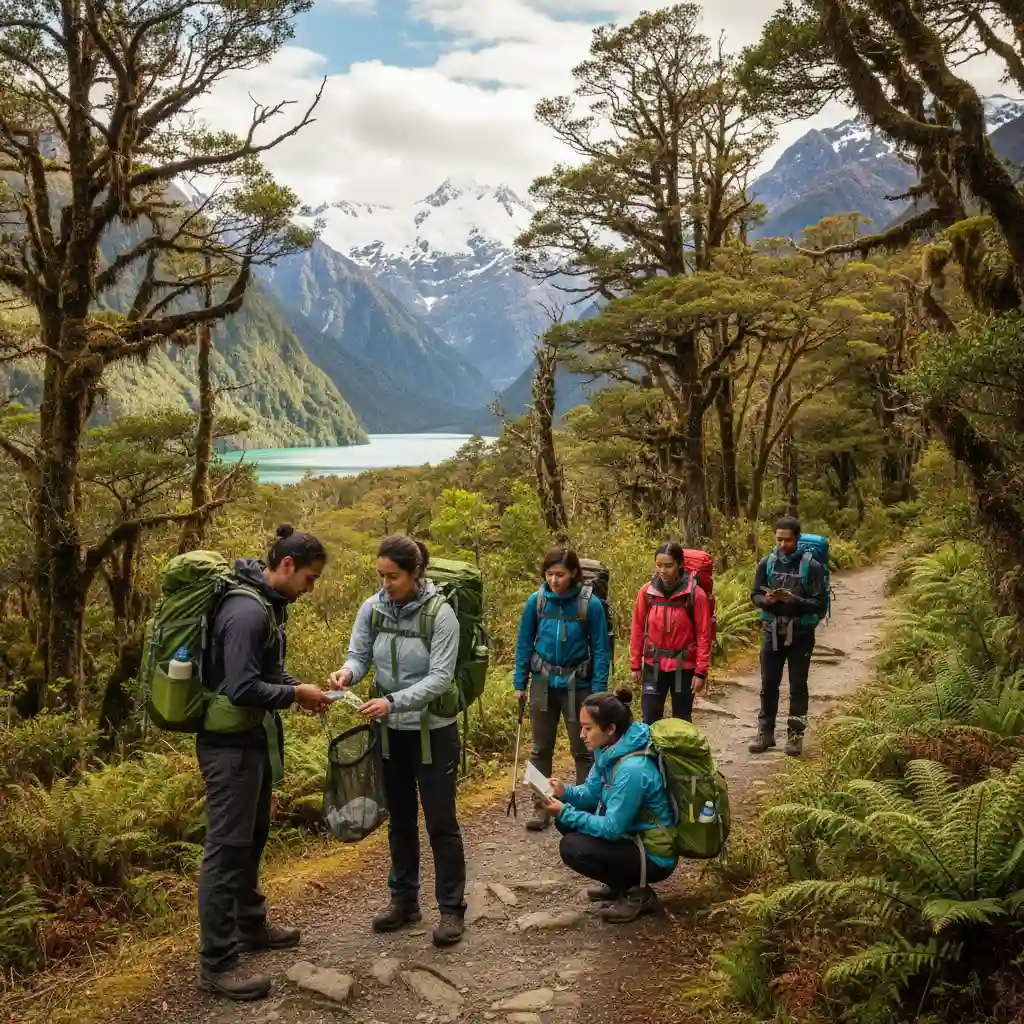
Good planning is the cornerstone of responsible outdoor recreation. Before heading out, research your destination, understand local regulations, weather patterns, and potential hazards. Pack appropriately to minimize waste and ensure your safety. This includes knowing how to deal with human waste, food scraps, and rubbish.
- Check weather forecasts and track conditions with DOC.
- Pack out everything you pack in (and maybe a little extra).
- Know the skills and limits of your group, and carry appropriate gear.
- Carry maps, a compass or GPS, and know how to use them.
2. Travel and Camp on Durable Surfaces
Concentrate use on existing trails and campsites to minimize impact. Durable surfaces include established trails, rock, gravel, dry grasses, or snow. Avoid sensitive areas like meadows, wetlands, and cryptobiotic soil. When off-trail, spread out to prevent creating new paths. In popular areas, stick to marked sites and use designated facilities.
“Over 80% of environmental impact in popular wilderness areas can be attributed to improper travel and camping practices.” – Leave No Trace Center for Outdoor Ethics

3. Dispose of Waste Properly
This principle is straightforward: pack it in, pack it out. This applies to all rubbish, including food scraps like apple cores and banana peels, which can take years to decompose and attract wildlife. For human waste, dig a ‘cat hole’ 15-20 cm deep and at least 60 meters (200 feet) from water sources, trails, and campsites. Toilet paper should ideally be packed out; if not possible, bury it deep and thoroughly.
- Carry a rubbish bag and pack out ALL waste, including food scraps.
- Minimise waste by repackaging food into reusable containers before your trip.
- Learn proper human waste disposal techniques for the specific area you’re visiting.
4. Leave What You Find
Allow others to discover the beauty of the natural world undisturbed. Leave rocks, plants, historical artifacts, and other natural objects as you find them. Avoid building structures, digging trenches, or disturbing natural features. Take only photographs, leave only footprints (light ones!). The unique ecosystems of New Zealand thrive on minimal interference.
5. Minimize Campfire Impacts
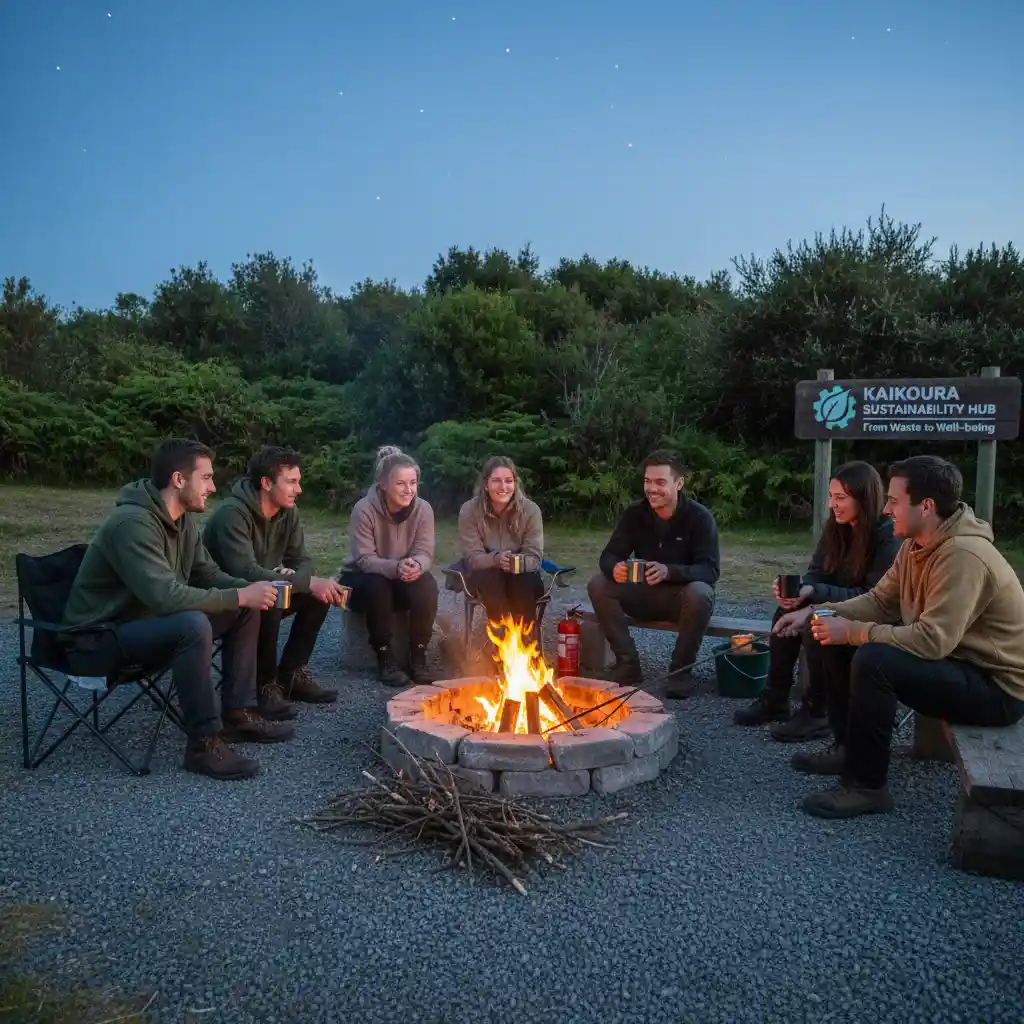
Campfires can be iconic, but they also have significant impacts. Use established fire rings, keep fires small, and ensure they are completely out before leaving. Consider alternatives like a camp stove for cooking, which is more efficient and leaves no trace. In many parts of New Zealand, especially during dry seasons or in protected areas, fires are prohibited – always check local Department of Conservation (DOC) regulations before lighting one.
Statistical Insight: Wildfires caused by unattended campfires or discarded cigarettes destroy thousands of hectares of New Zealand bush and private land annually, costing millions and devastating ecosystems. Many of these fires are preventable.
6. Respect Wildlife
Observe wildlife from a distance and never feed animals. Feeding wildlife can alter their natural behaviour, make them reliant on humans, and expose them to health risks. Store food securely to prevent animals from getting into it. Protect New Zealand’s unique native birds by keeping dogs on leashes and away from nesting areas, especially during breeding seasons. Avoid disturbing birds on nests or seals on beaches.
- Do not approach or chase animals; use binoculars for viewing.
- Store food and rubbish securely in animal-proof containers.
- Keep pets under control or leave them at home where not permitted, especially in national parks.

7. Be Considerate of Other Visitors
Share the trails and show respect for other users. Yield to uphill traffic, keep noise levels down, and allow others to enjoy their experience. Consider the impact of your group size and activity on the overall tranquility of the wilderness. Everyone deserves to enjoy the peace and beauty of the outdoors, whether they seek solitude or social interaction.
Integrating LNT into Your Kiwi Adventures
Adopting the 7 principles of Leave No Trace isn’t about being perfect; it’s about making conscious choices. Start small, perhaps by consistently packing out all rubbish, then gradually incorporate more practices into your routine. Educate your friends and family, leading by example. Every small action contributes to a larger positive impact on our precious environment, ensuring our stunning natural heritage remains.
New Zealand’s Department of Conservation (DOC) strongly endorses Leave No Trace as part of its ‘Tiaki Promise’ – a commitment to care for New Zealand. By following these guidelines, you’re not just being a responsible visitor; you’re becoming an active participant in preserving the magic of Aotearoa for all.

Embrace the LNT Ethic
To truly master Leave No Trace: 7 Principles for Outdoor Adventures is to adopt an ethic of stewardship. It’s about thinking ahead, acting responsibly, and leaving no discernable evidence of your visit. Let’s work together to protect New Zealand’s incredible natural heritage, ensuring its beauty endures for generations of adventurers to come. Your sustainable choices make a real difference.
Frequently Asked Questions
What is the main goal of Leave No Trace?
The primary goal of Leave No Trace is to teach people how to enjoy the outdoors responsibly, minimizing their impact on the natural environment so that future generations can experience it in its natural state. It’s about preserving the wilderness for everyone.
Are the 7 LNT principles mandatory rules or guidelines?
While they are often referred to as principles or guidelines, they are best seen as an ethical framework. They offer a flexible approach to responsible outdoor recreation, adapting to different environments and activities, rather than rigid, mandatory rules. However, local regulations built upon LNT ethics (e.g., fire bans, designated campsites) often *are* mandatory.
Why is ‘packing out food scraps’ important? Don’t they decompose?
Even organic food scraps like apple cores and banana peels take a long time to decompose, especially in cooler climates. They can also attract wildlife, altering their natural diets and behaviors, and introduce non-native seeds or pathogens. Packing them out ensures the ecosystem remains undisturbed and preserves the natural aesthetic.
How does Leave No Trace apply specifically to New Zealand?
New Zealand has unique and fragile ecosystems, including many endemic species found nowhere else. Leave No Trace principles help protect these delicate environments from the impacts of increasing visitor numbers. Adherence helps preserve native flora and fauna, prevents the spread of pests and diseases, and maintains the pristine beauty that defines Aotearoa, aligning perfectly with the ‘Tiaki Promise’.
References & Sources
- Leave No Trace Center for Outdoor Ethics. The 7 Principles.
- New Zealand Department of Conservation (DOC). Outdoor Safety Code & Responsible Recreation.
- Tiaki New Zealand. The Tiaki Promise.
- Journal of Outdoor Recreation, Education, and Leadership. (General reference for studies on human impact in wilderness areas).
- NZ Fire and Emergency. (Plausible source for data on wildfire causes and impact in New Zealand).