Guardians of Aotearoa: Unpacking Māori Land & Resource Management
In the heart of Aotearoa New Zealand, a profound legacy of environmental stewardship thrives, deeply rooted in Māori culture and traditions. For centuries, Māori have lived in an intricate relationship with the land and sea, guided by principles like kaitiakitanga (guardianship) and rangatiratanga (self-determination). This isn’t just about managing resources; it’s about a holistic worldview that recognizes the interconnectedness of all living things.
Understanding Māori land and resource management is crucial for anyone interested in sustainable living within New Zealand. It highlights innovative and time-honored approaches to environmental challenges, offering invaluable lessons for a sustainable future. Let’s delve into the impactful Māori conservation efforts that are shaping a greener, more resilient Aotearoa.
Table of Contents
- Iwi and Hapū in Conservation: The Core of Kaitiakitanga
- Sustainable Fisheries Management (Tangaroa): Protecting Our Oceans
- Forest Restoration Projects (Tāne Mahuta): Replanting the Future
- Protecting Wai Māori (Freshwater): The Lifeblood of the Land
- Māori Business in Sustainable Development: Economic Empowerment & Environmental Care
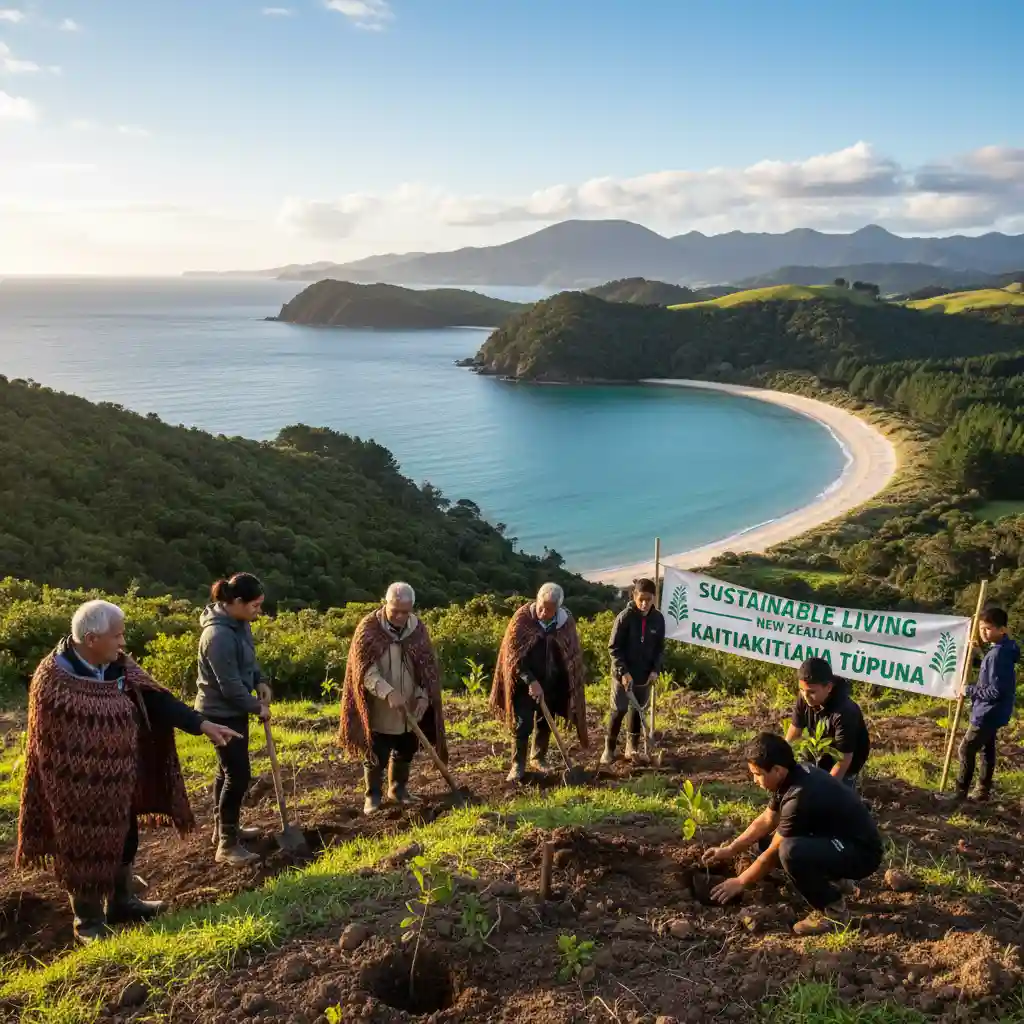
Iwi and Hapū in Conservation: The Core of Kaitiakitanga
At the heart of Māori society are iwi (tribes) and hapū (sub-tribes), who are the primary custodians of ancestral lands and resources. Their unique understanding, known as Mātauranga Māori (Māori knowledge), provides invaluable insights into ecological systems and sustainable practices. These groups lead diverse Māori conservation efforts, ranging from local waterway clean-ups to large-scale biodiversity projects.
Kaitiakitanga extends beyond simple environmental protection; it’s a responsibility to nurture and protect resources for future generations, ensuring their health and vitality. This principle informs decisions on everything from resource consent applications to pest control and native species reintroduction.
“Kaitiakitanga is not just about ownership; it’s about guardianship, a deep spiritual connection to the land and its resources, ensuring their well-being for those who come after us.”
Sustainable Fisheries Management (Tangaroa): Protecting Our Oceans
Māori have a profound spiritual connection to Tangaroa, the god of the sea, and a long history of sustainable seafood harvesting. Traditional practices like rāhui (temporary bans on resource gathering) and seasonal harvesting ensured that fish stocks and marine ecosystems remained healthy. Today, these principles are being revitalized and integrated into modern fisheries management.
Many iwi are actively involved in quota management systems, advocating for sustainable catch limits and protecting marine biodiversity. Their expertise is crucial in restoring depleted fisheries and preserving precious marine environments, making significant contributions to Māori conservation efforts in the oceanic realm.
15%
Of New Zealand’s total commercial fishing quota is owned by Māori, providing significant influence over sustainable fishing practices. (Source: Te Ohu Kaimoana)
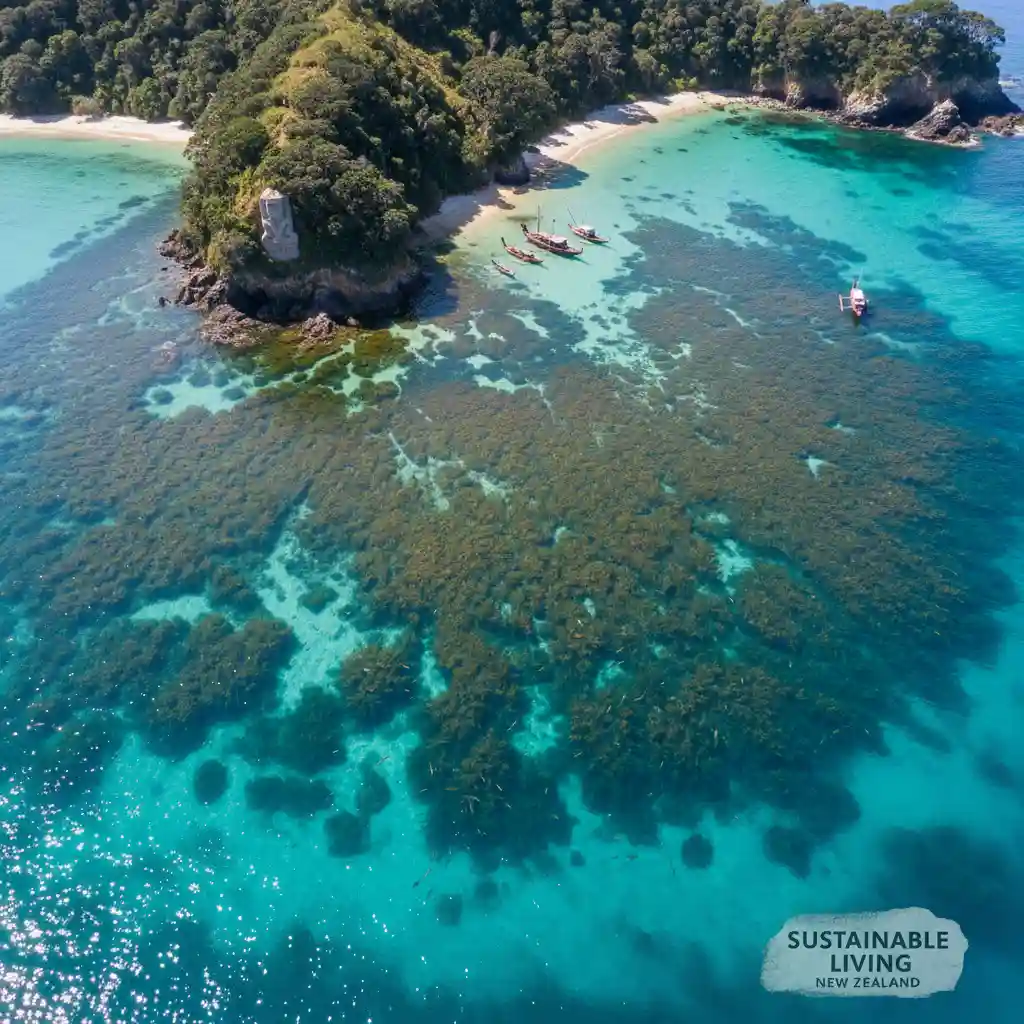
Forest Restoration Projects (Tāne Mahuta): Replanting the Future
Tāne Mahuta, the god of the forest, embodies the deep reverence Māori hold for native trees and bush. Historic deforestation has severely impacted New Zealand’s unique biodiversity, but iwi and hapū are at the forefront of ambitious forest restoration projects. These initiatives often focus on planting native species, eradicating pests, and re-establishing healthy ecosystems.
Projects like the Million Trees Programme and various iwi-led initiatives are bringing back vital habitats for endangered native birds and insects. These efforts don’t just restore biodiversity; they also strengthen cultural connections to the land and provide economic opportunities through sustainable forestry and ecotourism. These are powerful Māori conservation efforts with long-term impacts.
200+
Iwi and hapū groups are involved in active land and forest restoration projects across Aotearoa, utilizing traditional ecological knowledge.
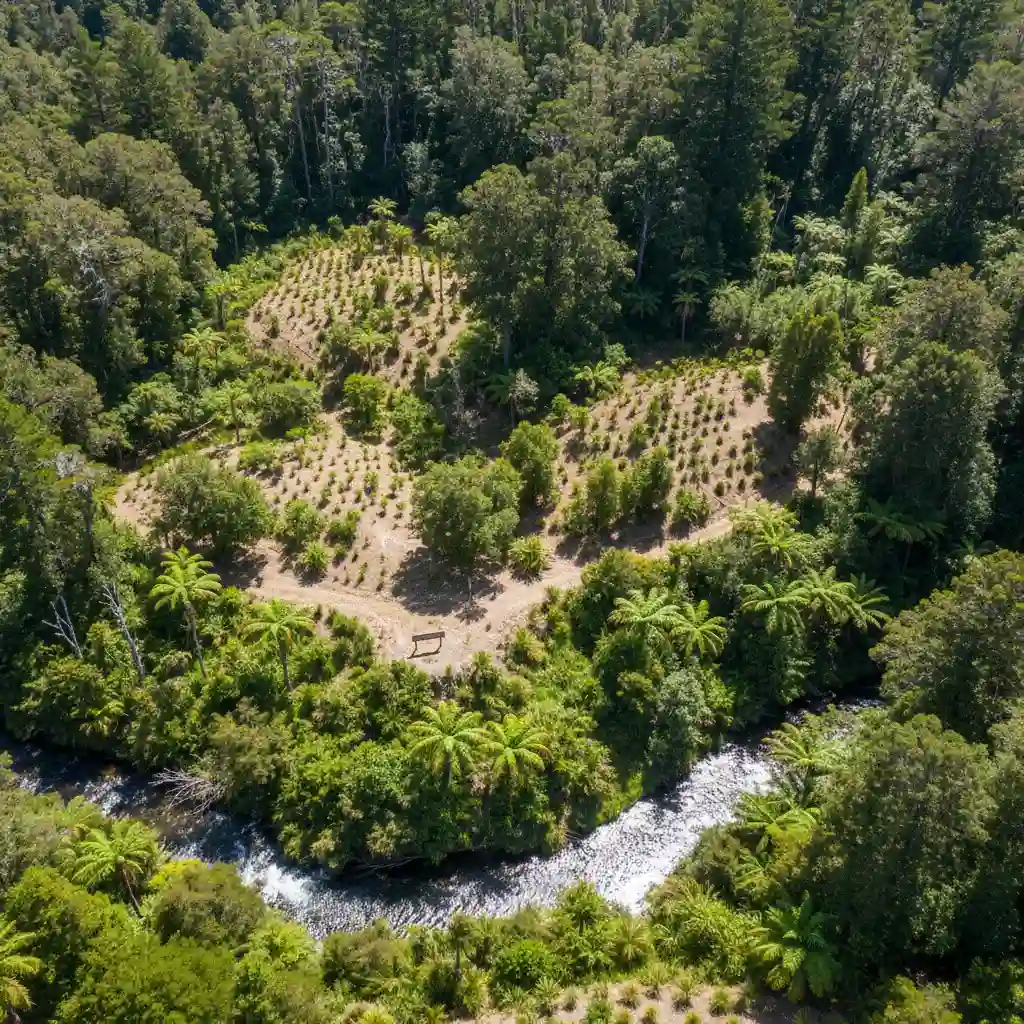
Protecting Wai Māori (Freshwater): The Lifeblood of the Land
Wai Māori, freshwater, holds immense cultural and spiritual significance for Māori. Rivers, lakes, and wetlands are seen as living entities, ancestors, and vital sources of sustenance. The degradation of freshwater quality due to agricultural runoff and pollution is a major concern, and Māori communities are leading the charge for its protection and restoration.
Iwi-led initiatives include monitoring water quality, advocating for stronger environmental regulations, and undertaking riparian planting along riverbanks to filter pollutants and enhance biodiversity. The Whanganui River, granted legal personhood in 2017, is a landmark example of how Māori cultural values are transforming environmental law and management, exemplifying innovative Māori conservation efforts.
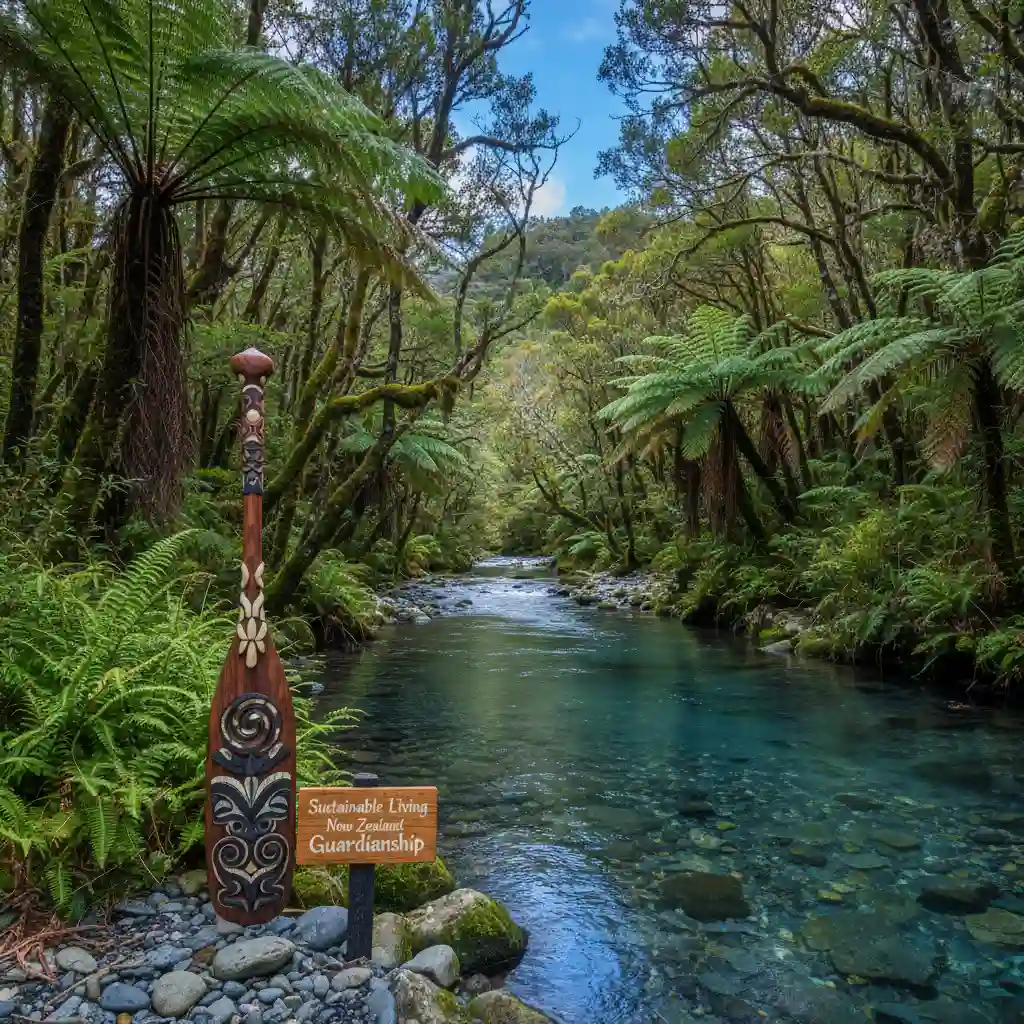
Māori Business in Sustainable Development: Economic Empowerment & Environmental Care
Māori businesses are increasingly embracing sustainable development practices, demonstrating that economic growth and environmental responsibility can go hand-in-hand. From sustainable aquaculture and agriculture to renewable energy projects and eco-tourism ventures, Māori enterprises are setting new benchmarks for ethical and environmentally conscious business.
These businesses often reinvest profits back into their communities and conservation projects, creating a virtuous cycle of economic empowerment and environmental protection. They exemplify how indigenous values can guide modern business towards a more sustainable and equitable future for all of Aotearoa. These entrepreneurial ventures are powerful demonstrations of impactful Māori conservation efforts.
$70 Billion+
Estimated value of the Māori asset base, much of which is managed with long-term, sustainable, intergenerational strategies. (Source: Te Puni Kōkiri)
A Holistic Path Forward
The extensive Māori conservation efforts across Aotearoa New Zealand are a testament to the enduring power of kaitiakitanga and a holistic worldview. By integrating traditional ecological knowledge with contemporary scientific approaches, Māori communities are not only protecting their ancestral lands and resources but are also providing vital leadership in the global quest for sustainability. Their work offers an inspiring model for how humanity can live in harmony with the natural world.
Frequently Asked Questions
What is Kaitiakitanga?
Kaitiakitanga is the Māori concept of guardianship and stewardship over the environment, including land, forests, rivers, and the sea. It encompasses the responsibility to protect, nurture, and sustainably manage natural resources for present and future generations, rooted in a deep spiritual connection to the natural world.
How do Māori contribute to conservation in New Zealand?
Māori contribute significantly through active participation in forest restoration, sustainable fisheries management, freshwater protection, pest eradication, and the establishment of marine reserves. They leverage traditional ecological knowledge (Mātauranga Māori) alongside modern scientific methods, often leading community-driven projects.
What is the role of iwi and hapū in resource management?
Iwi (tribes) and hapū (sub-tribes) are the primary custodians of ancestral lands and resources. They play a crucial role in decision-making processes, advocating for Māori rights and interests, and implementing conservation strategies based on their cultural values and deep local knowledge. They often partner with government and other organizations to achieve conservation goals.
Can Māori traditional knowledge (Mātauranga Māori) inform modern conservation?
Absolutely. Mātauranga Māori provides a rich framework of observations, understandings, and practices developed over centuries. Its holistic view of ecosystems, intergenerational perspective, and emphasis on interconnectedness offers invaluable insights that complement and enhance Western scientific approaches to modern conservation challenges.
References & Further Reading
- Te Ohu Kaimoana. (n.d.). The Māori Fisheries Settlement. Retrieved from www.teohu.maori.nz
- Te Puni Kōkiri. (n.d.). Māori Economy. Retrieved from www.tpk.govt.nz
- Ministry for the Environment. (n.d.). Environmental reporting: Our land, our water, our ocean. Retrieved from www.environment.govt.nz
- New Zealand’s Department of Conservation (DOC). (n.d.). Working with Māori. Retrieved from www.doc.govt.nz
- Durie, M. (1998). Te Mana, Te Kawanatanga: The Politics of Māori Self-Determination. Oxford University Press.