Low Carbon Transport for Sustainable Travel in Aotearoa: Your Guide to Electric Vehicle Travel NZ
Aotearoa New Zealand, with its breathtaking landscapes and pristine natural beauty, calls to the conscious traveller. As we collectively shift towards a more sustainable way of living, exploring this incredible country with minimal environmental impact has become a top priority. This guide delves into the world of electric vehicle travel NZ, alongside other low-carbon transport options, to help you plan an unforgettable, eco-friendly adventure.

Table of Contents
EV Charging Infrastructure: Powering Your Journey Across NZ
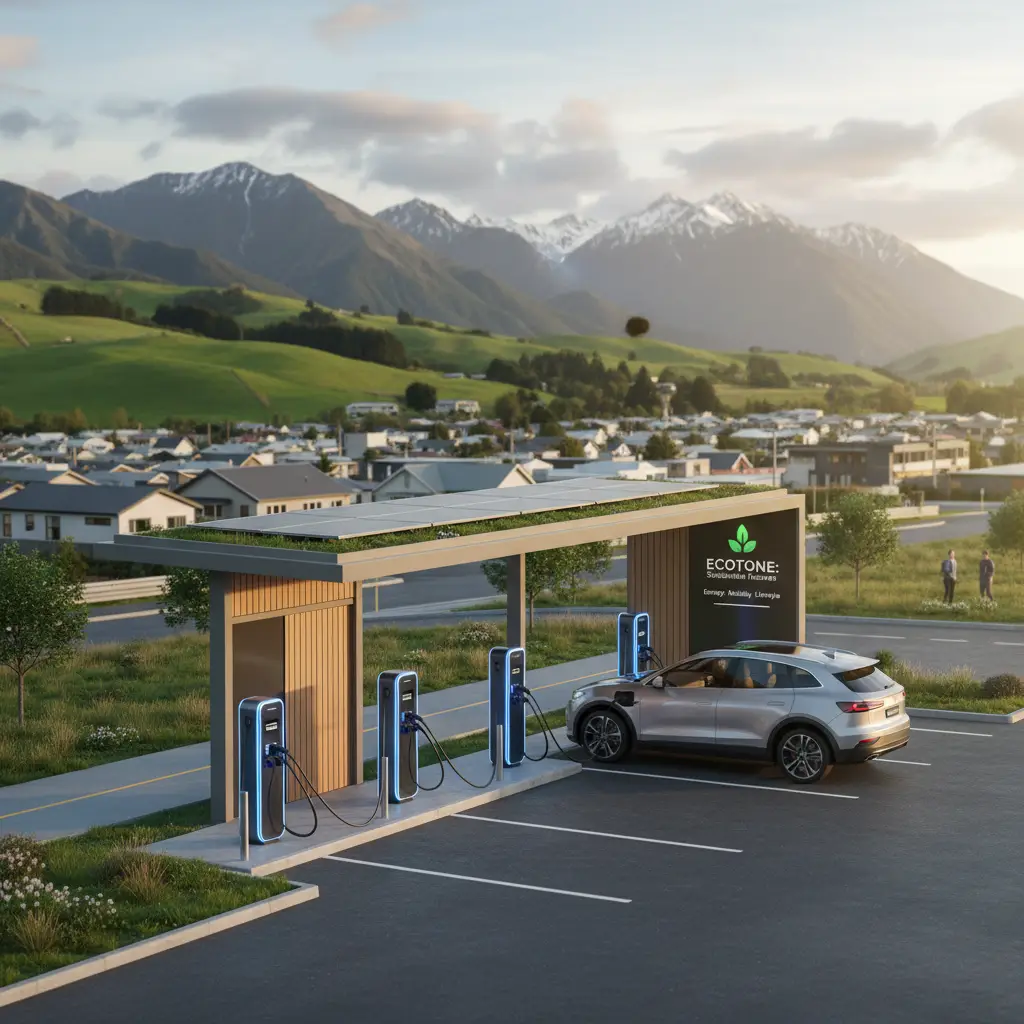
Gone are the days when range anxiety plagued potential EV owners in New Zealand. The country has made significant strides in developing a robust EV charging infrastructure, making long-distance electric vehicle travel NZ not just possible, but increasingly convenient. From major cities to remote scenic routes, you’ll find a growing network of charging stations.
“New Zealand’s commitment to a greener future is evident in its expanding EV charging network, making sustainable road trips a reality for many.”
Understanding the Charging Network
- Rapid Chargers (DC Fast Chargers): Predominantly found along state highways and in urban centres, these can charge an EV to 80% in 20-40 minutes, depending on the vehicle and charger output.
- AC Chargers (Destination Chargers): Often located at hotels, campgrounds, and public carparks, these are ideal for overnight charging or topping up while exploring.
- Charging Apps & Maps: Apps like ChargeNet NZ, PlugShare, and Open Charge Map are essential tools for planning your route, locating available chargers, and checking their status.
When planning your electric vehicle travel NZ itinerary, always factor in charging stops. While the network is extensive, some remote areas may still have limited options, so planning ahead is crucial.
Stat Callout: EV Charging Growth in NZ
As of early 2024, New Zealand boasts over 1,000 public EV charging stations nationwide, with hundreds of rapid chargers connecting major towns and tourist destinations. This represents a significant increase in recent years, demonstrating the country’s commitment to supporting electric vehicle travel NZ.
Electric Car Rentals for Your Sustainable New Zealand Adventure
If you don’t own an EV, renting one is an excellent way to experience electric vehicle travel NZ. Several rental companies now offer a range of electric models, from compact city cars to spacious SUVs, perfect for exploring the diverse landscapes.
Key Considerations for EV Rentals
- Availability: Book well in advance, especially during peak travel seasons, as EV fleets are still smaller than traditional petrol vehicles.
- Range: Understand the real-world range of your chosen EV model, as this can vary with terrain, speed, and weather.
- Charging Costs: Clarify how charging costs are handled by the rental company. Some offer charging cards, while others require direct payment at stations.
Pros & Cons of Renting an EV for Travel in NZ
Pros:
- Zero tailpipe emissions during your trip.
- Quieter and smoother driving experience.
- Lower ‘fuel’ costs (electricity vs. petrol).
- Contribute to NZ’s renewable energy goals.
Cons:
- Can be more expensive to rent than petrol cars.
- Requires planning for charging stops.
- Fewer models and availability compared to ICE vehicles.
Public Transport Options: Connecting with Less Carbon
Beyond electric vehicle travel NZ, the country offers a range of public transport options that significantly reduce your carbon footprint. Integrating these into your itinerary can provide a more relaxed and scenic journey.
Exploring by Bus, Train, and Ferry
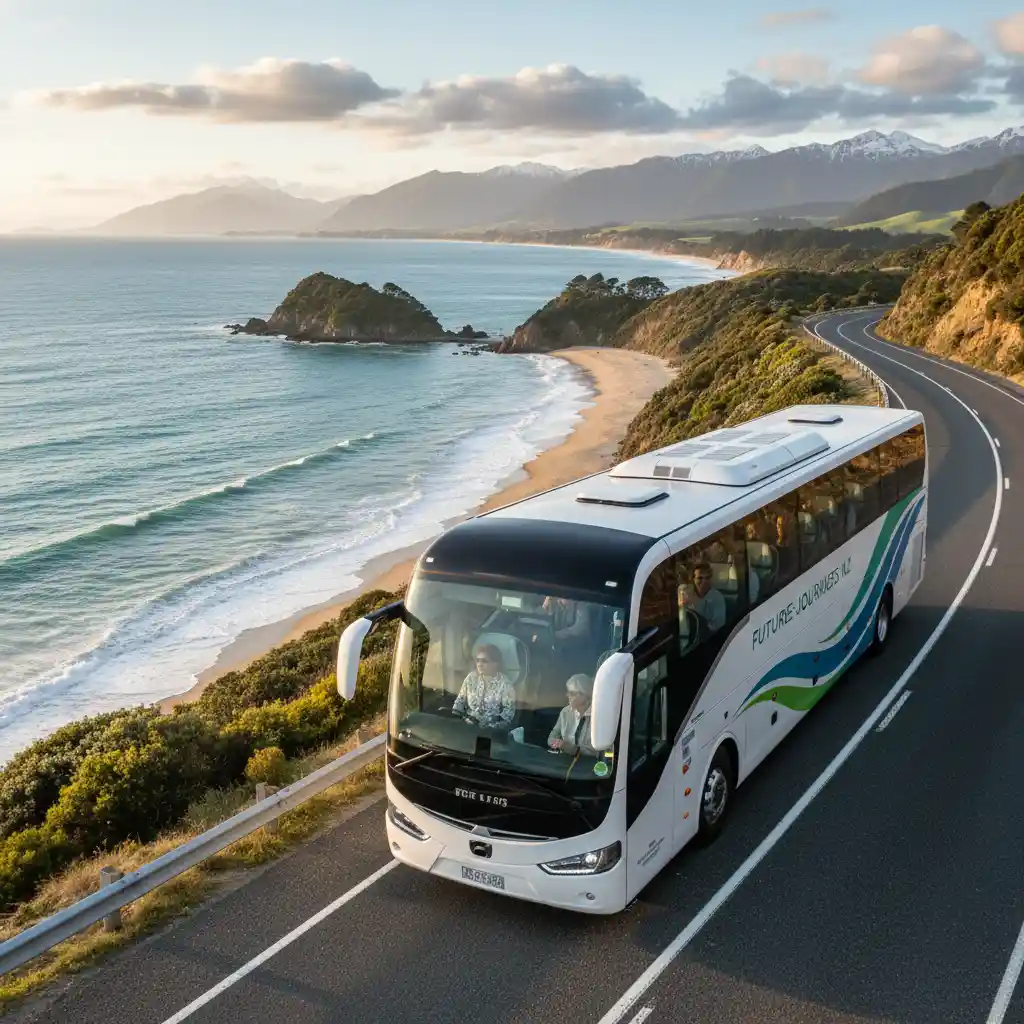
- InterCity Bus: A comprehensive network connecting almost all major towns and tourist destinations across both North and South Islands.
- Scenic Train Journeys: Iconic routes like the TranzAlpine (South Island) and Northern Explorer (North Island) offer breathtaking views with minimal environmental impact per passenger.
- Ferries: The Interislander and Bluebridge ferries connect the North and South Islands across the Cook Strait, often accommodating vehicles (including EVs) and foot passengers. Numerous smaller ferry services connect islands and coastal towns.
Consider a ‘mix-and-match’ approach: fly into a major city, use public transport for long-distance legs, and then rent an EV for local exploration or a smaller region.
Cycling and Walking Tours: Immersive & Eco-Friendly Exploration
For the ultimate low-carbon adventure, nothing beats exploring New Zealand’s stunning landscapes on foot or by bike. The country is renowned for its ‘Great Walks’ and an ever-expanding network of cycle trails.
Embrace the Trails
- NZ Great Walks: Multi-day tramps through national parks, offering unparalleled immersion in nature. Bookings are essential, especially for popular tracks.
- Ngā Haerenga New Zealand Cycle Trails: A network of diverse trails ranging from gentle coastal paths to challenging mountain bike tracks. Many offer electric bike rentals for easier access.
- Urban Walking & Cycling: Major cities like Auckland, Wellington, and Christchurch have excellent inner-city walking and cycling paths, often connecting to attractions.
Combining a cycling or walking tour with sections of electric vehicle travel NZ allows for a balance of active exploration and efficient travel between regions.

Carbon Offsetting for Flights: Mitigating Your Travel Impact
While the focus on electric vehicle travel NZ and local low-carbon transport is crucial, for international visitors, flights remain the most significant source of emissions. Carbon offsetting is a way to mitigate these unavoidable emissions.
Understanding Carbon Offsetting
- What it is: Investing in projects (e.g., reforestation, renewable energy) that reduce greenhouse gas emissions elsewhere to compensate for your own.
- Choosing a Provider: Look for reputable organisations that offer transparent, certified projects. Many airlines also offer offsetting options during booking.
- It’s a Last Resort: Always prioritise reducing emissions first (e.g., flying less, choosing direct flights) before relying on offsetting.
Think of offsetting as the final step in your sustainable travel plan, after you’ve maximised your use of low-carbon options for your electric vehicle travel NZ and local explorations.
Action Checklist: Planning Your Sustainable NZ Trip
Ready to embark on your low-carbon adventure? Use this checklist to ensure a responsible and enjoyable journey:
- Research EV Rentals: Compare prices and availability for electric vehicle travel NZ from various providers.
- Map Charging Stations: Download essential charging apps and plot your route with charging stops in mind.
- Explore Public Transport: Identify legs of your journey where buses, trains, or ferries could replace a car.
- Book Accommodation with EV Charging: Prioritise hotels or campgrounds that offer on-site AC charging.
- Pack Reusables: Bring a reusable water bottle, coffee cup, and shopping bags to minimise waste.
- Support Local & Sustainable Businesses: Choose eco-certified tour operators, local eateries, and artisan shops.
- Consider Offsetting: Calculate and offset unavoidable flight emissions with a certified provider.
- Respect Nature: Follow Leave No Trace principles – pack out what you pack in, stay on marked trails.
Frequently Asked Questions About Low Carbon Travel in NZ
Is New Zealand’s EV charging network reliable for long road trips?
Yes, New Zealand has a rapidly expanding and increasingly reliable EV charging network, especially along major highways and in populated areas. While planning is still recommended, particularly for very remote regions, significant investments have been made to ensure seamless electric vehicle travel NZ. Apps like PlugShare are invaluable for real-time charger availability.
How much does it cost to rent an electric car in NZ compared to a petrol car?
Currently, renting an electric vehicle in NZ can sometimes be slightly more expensive upfront than a comparable petrol car, due to smaller fleets and higher purchase costs for rental companies. However, this is often offset by significantly lower ‘fuel’ costs (electricity is cheaper than petrol) and the environmental benefits. Prices are becoming more competitive as EV adoption grows.
What are the best public transport options for sustainable travel between major cities in New Zealand?
For inter-city travel, InterCity buses offer the most extensive network, reaching most towns and tourist spots. Scenic train journeys like the TranzAlpine and Northern Explorer provide a unique, low-carbon way to experience the landscapes. The Interislander and Bluebridge ferries are essential for crossing between the North and South Islands. Combining these with short-term EV rentals for local exploration offers a very sustainable approach.
Can I really travel New Zealand just by cycling and walking?
While it requires significant planning and a good level of fitness, dedicated cycling and walking holidays are absolutely possible and incredibly rewarding in New Zealand. The country boasts numerous multi-day ‘Great Walks’ and the extensive Ngā Haerenga New Zealand Cycle Trails. For travelling between regions, combining these with public transport or short transfers would be necessary, making for an adventurous and deeply sustainable experience.
References & Sources
- Ministry of Transport (NZ). (2023). Electric Vehicle Uptake and Charging Infrastructure Report.
- Tourism New Zealand. (2023). Sustainable Tourism Strategy and Initiatives.
- ChargeNet NZ. (Ongoing). Public Charging Network Statistics and Map.
- Department of Conservation (NZ). (Ongoing). Great Walks and Outdoor Safety Guidelines.
- Ngā Haerenga New Zealand Cycle Trails. (Ongoing). Official Trail Information and Maps.

