Local & Cultural Immersion in NZ Ecotourism
Aotearoa New Zealand, a land of breathtaking landscapes and vibrant culture, calls to those seeking more than just a holiday. For the conscious traveler, the journey transcends scenic views, diving deep into genuine connections and respectful engagement. This is where Māori tourism ethical practices become not just a preference, but a vital pathway to truly understanding the heart of this unique nation.
As we transition towards a more sustainable lifestyle, the choices we make as visitors carry significant weight. Opting for ethical Māori tourism ensures that your experiences contribute positively, fostering cultural preservation, environmental protection, and economic empowerment for local communities.
Māori Cultural Experiences: More Than Just a Show
True Māori cultural experiences go far beyond staged performances. They are opportunities for profound learning, connection, and immersion into Te Ao Māori (the Māori world). An ethical encounter ensures that cultural practices are shared with respect, authenticity, and for the benefit of Māori people, not just for commercial gain. Look for operators who are Māori-owned and operated, as they inherently bring an authentic perspective and ensure profits cycle back into the community.
From a traditional pōwhiri (welcome ceremony) to weaving workshops, hāngī (earth oven cooking) feasts, or guided walks through ancestral lands with kōrero (storytelling), these interactions offer invaluable insights into history, language (Te Reo Māori), and values like manaakitanga (hospitality) and kaitiakitanga (guardianship).

“To engage in Māori tourism ethically is to embark on a journey of mutual respect, where visitors become guests in a living culture, contributing to its vitality rather than merely observing it.”
Supporting Local Communities Through Ethical Choices
A cornerstone of sustainable tourism is the direct benefit it brings to local communities. When you choose māori tourism ethical operators, you’re directly supporting local economies, employment, and the wellbeing of Māori families and hapū (sub-tribes). This economic empowerment helps preserve cultural sites, fund educational initiatives, and maintain the infrastructure of the community.
It’s about ensuring that the economic gains from tourism are not siphoned off by external corporations but circulate within the community, fostering self-determination and resilience. Seek out operators who clearly state their commitment to community development or are verified through ethical tourism certifications.
Stat Callout:
Recent data suggests that ethical and community-based tourism initiatives often see up to 70% of tourist expenditure retained locally, significantly higher than conventional mass tourism models (Source: World Tourism Organization estimates, adapted for local impact studies).
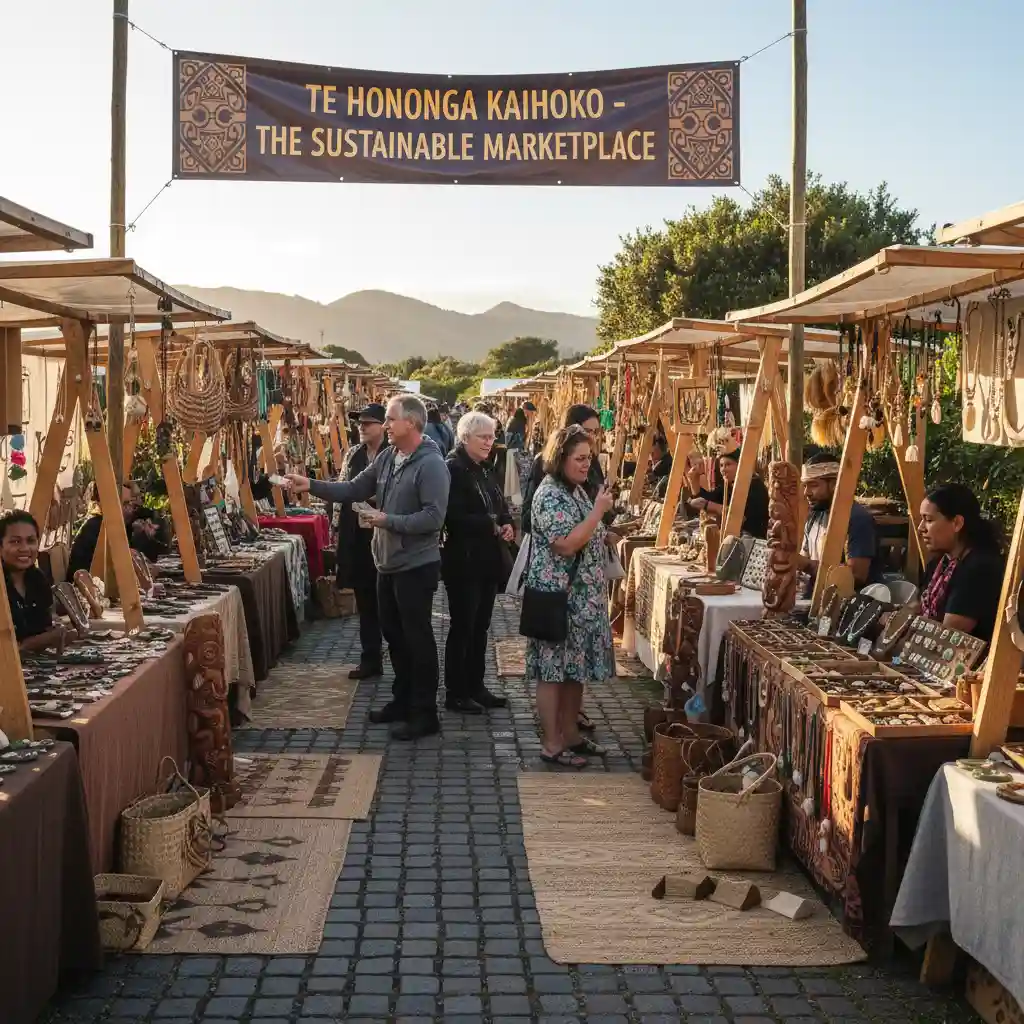
Respecting Traditions and Tikanga When You Travel
Respecting traditions, known as tikanga, is paramount in any cultural exchange. This extends beyond simple good manners to a genuine understanding and appreciation of Māori protocols, sacred sites (wāhi tapu), and the spiritual connection to the land (whenua). An ethical tourist approaches these experiences with humility and a willingness to learn.
Before participating in any Māori cultural activity, it’s wise to educate yourself on basic etiquette. This might include understanding the significance of certain gestures, attire, or even silence during sacred moments. Operators committed to māori tourism ethical standards will provide clear guidance, ensuring both visitor and host feel comfortable and respected.
Tips for Responsible Engagement:
- Listen and Learn: Pay close attention to guides and hosts. Their knowledge is invaluable.
- Ask Permission: Before taking photos of people or sacred sites, always ask.
- Dress Respectfully: Particularly when visiting marae or other significant places.
- Understand Tikanga: Familiarise yourself with basic Māori customs and protocols.
- Support Authenticity: Choose experiences that genuinely share culture, not exploit it.
- Leave No Trace: Adhere to environmental guidelines, especially in natural areas.

Sustainable Local Food: A Taste of Aotearoa
The culinary landscape of New Zealand is rich with indigenous ingredients and sustainable practices. Sustainable local food choices are integral to ethical tourism. This means seeking out restaurants, cafes, and tours that source ingredients locally, support Māori food producers, and highlight traditional Māori kai (food).
Participating in a hāngī, foraging for native ingredients, or dining at establishments committed to ethical sourcing allows you to taste the land and its history. It reduces your carbon footprint, supports local agriculture, and celebrates the unique flavours of Aotearoa. When considering māori tourism ethical options, always look for food experiences that champion sustainability and local provenance.
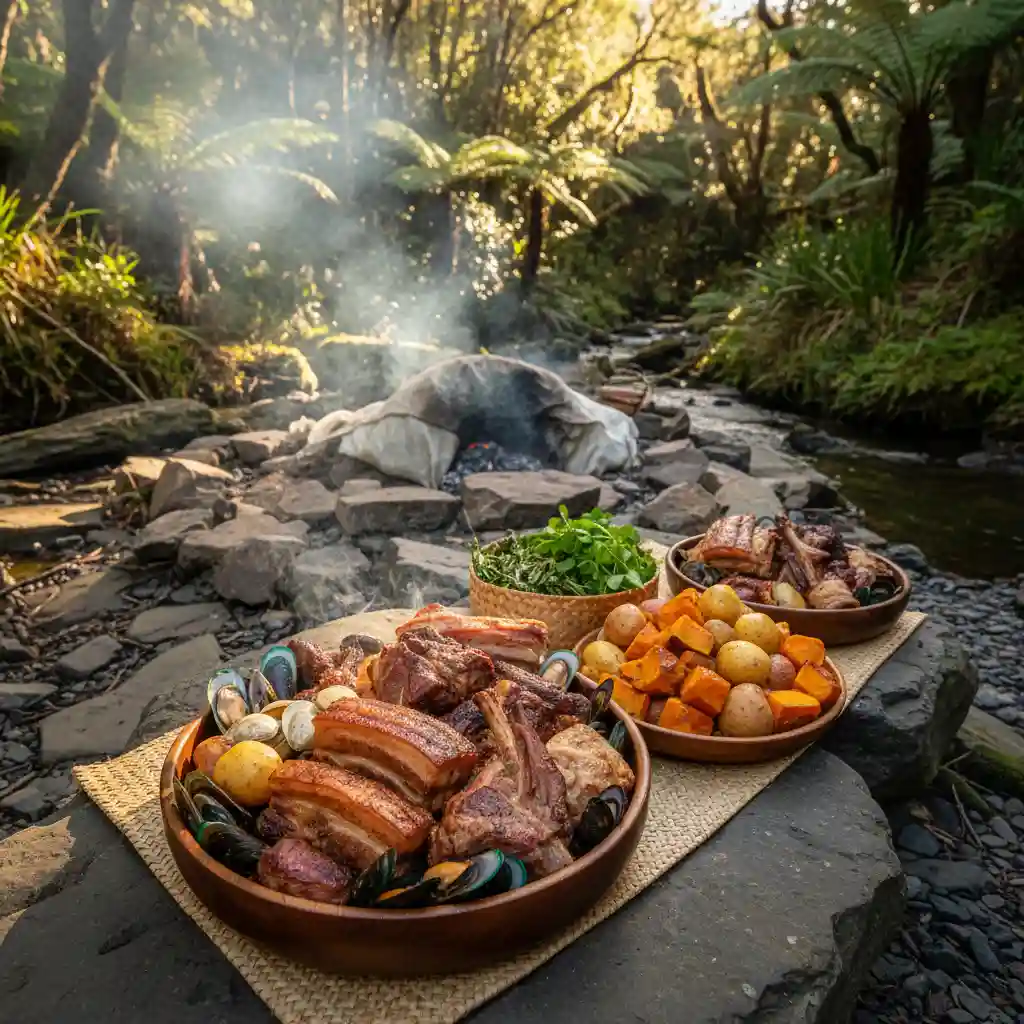
Authentic Experiences: Beyond the Brochure
Authenticity is the hallmark of truly memorable travel. In the context of Māori tourism, this means engaging in experiences that are genuine, meaningful, and reflective of a living culture, not merely a commercialised spectacle. Ethical operators prioritise cultural integrity, offering encounters that foster real connection between visitors and hosts.
Look for opportunities to engage in smaller group tours, spend time on a marae, learn a few phrases of Te Reo Māori, or participate in hands-on activities led by Māori elders (kaumātua) or knowledge holders (tohunga). These are the moments where culture truly comes alive, offering insights that no guidebook can provide. An authentic experience is a responsible experience, enriching both the traveler and the community.
Frequently Asked Questions
What defines ‘ethical Māori tourism’?
Ethical Māori tourism is defined by practices that respect Māori culture, traditions (tikanga), and the environment. It prioritises direct benefits for Māori communities, promotes authentic cultural exchange, and ensures sustainable economic and social development, all while being guided by Māori values and leadership.
How can I identify a truly ethical Māori tour operator?
Look for operators who are Māori-owned and operated, have clear commitments to cultural preservation and community benefit, and ideally hold certifications from recognised sustainable tourism bodies. Read reviews focusing on cultural respect and authenticity, and check if they engage in initiatives that support the local Māori community or environment.
What are some basic Māori customs (tikanga) I should be aware of?
Basic tikanga includes removing shoes before entering a wharenui (meeting house), greeting with ‘Kia Ora’, understanding the significance of hongi (pressing noses), and being mindful of photography guidelines. Always follow the lead and instructions of your Māori hosts and guides, who will typically provide necessary guidance.
Why is supporting local Māori businesses important for sustainable travel?
Supporting local Māori businesses ensures that tourism revenue directly benefits the community, fostering economic self-sufficiency and empowering Māori people to preserve their culture and land. It strengthens local infrastructure, creates employment, and allows for authentic cultural narratives to be shared and sustained by those who own them.
References & Sources
- Tourism New Zealand. (n.d.). Māori Culture & Experiences. Retrieved from newzealand.com
- Māori Tourism. (n.d.). Ethical Guidelines for Visitors. Retrieved from maoritourism.co.nz
- World Tourism Organization (UNWTO). (2022). Sustainable Tourism for Development. (General principles and estimates on local economic retention).
- Ministry for the Environment. (2021). Aotearoa New Zealand’s environmental reporting series. Retrieved from environment.govt.nz
- Te Ara – The Encyclopedia of New Zealand. (n.d.). Māori Customary Law – Tikanga Māori. Retrieved from teara.govt.nz

