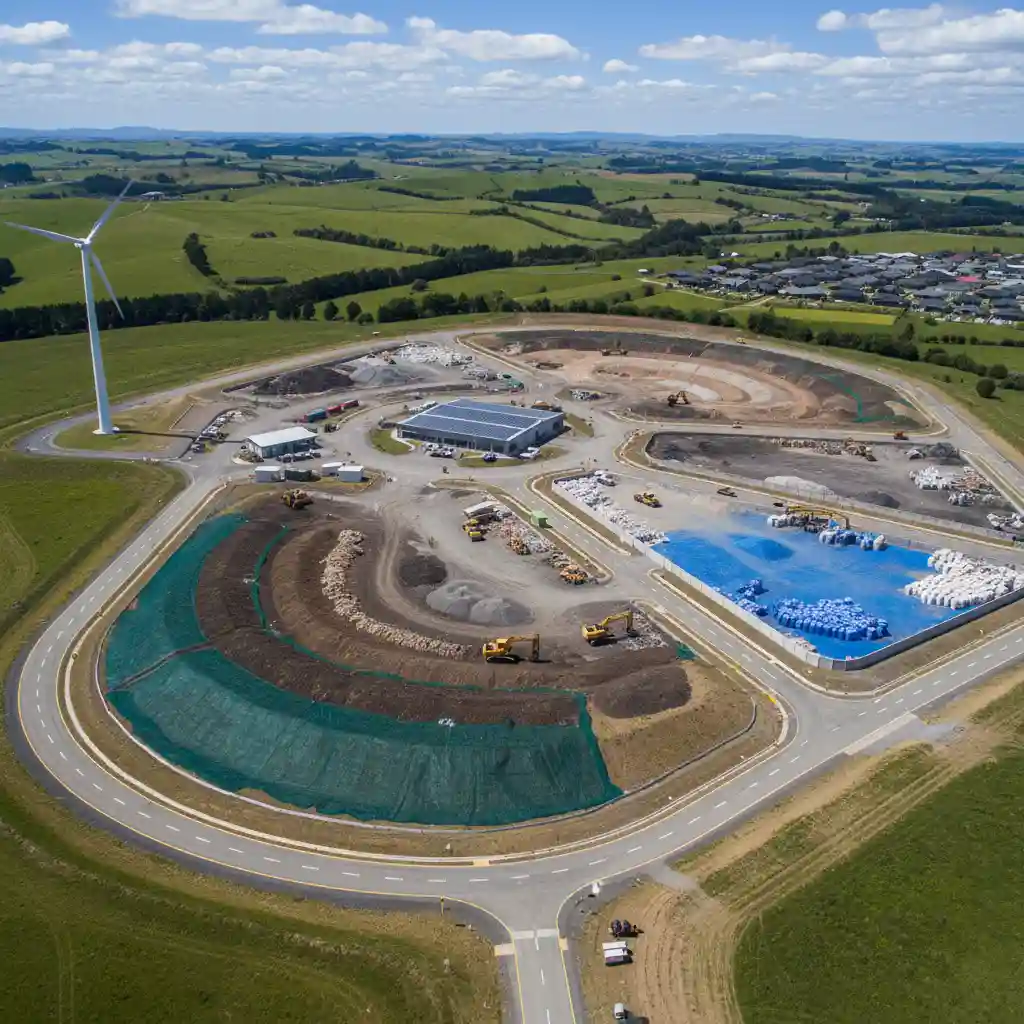
Local Councils and Waste Policy: Navigating Successes and Challenges in New Zealand
Exploring the pivotal role of local government in shaping a sustainable future for Aotearoa.
In the heart of New Zealand’s drive towards a sustainable lifestyle, local councils stand at the forefront, grappling with the complex realities of waste management. From the bustling streets of Auckland to the serene landscapes of the South Island, these local authorities are more than just service providers; they are crucial architects of environmental policy, tasked with turning national aspirations into tangible local action.
Their work in local councils and waste policy is a delicate balancing act, navigating both significant successes and formidable challenges. This article delves into how New Zealand’s local governments are shaping our relationship with waste, exploring the innovative strides they’ve made and the persistent hurdles they face in their quest for a circular economy.
Understanding New Zealand’s Waste Landscape
New Zealand generates a significant amount of waste annually, much of which still ends up in landfills. Local councils are mandated by legislation like the Waste Minimisation Act 2008 to reduce waste and promote resource recovery. This responsibility places them at the core of developing and implementing strategies that reflect both national goals and unique local needs.
Their policies directly impact everything from kerbside collections and recycling facilities to landfill management and public education campaigns. Effective local councils and waste policy are fundamental to moving New Zealand closer to its environmental targets.
Successes: Local Councils Leading the Charge
Despite the scale of the challenge, many local councils across Aotearoa have demonstrated remarkable ingenuity and leadership, achieving significant milestones in waste reduction and resource recovery.
Innovative Recycling and Resource Recovery Initiatives
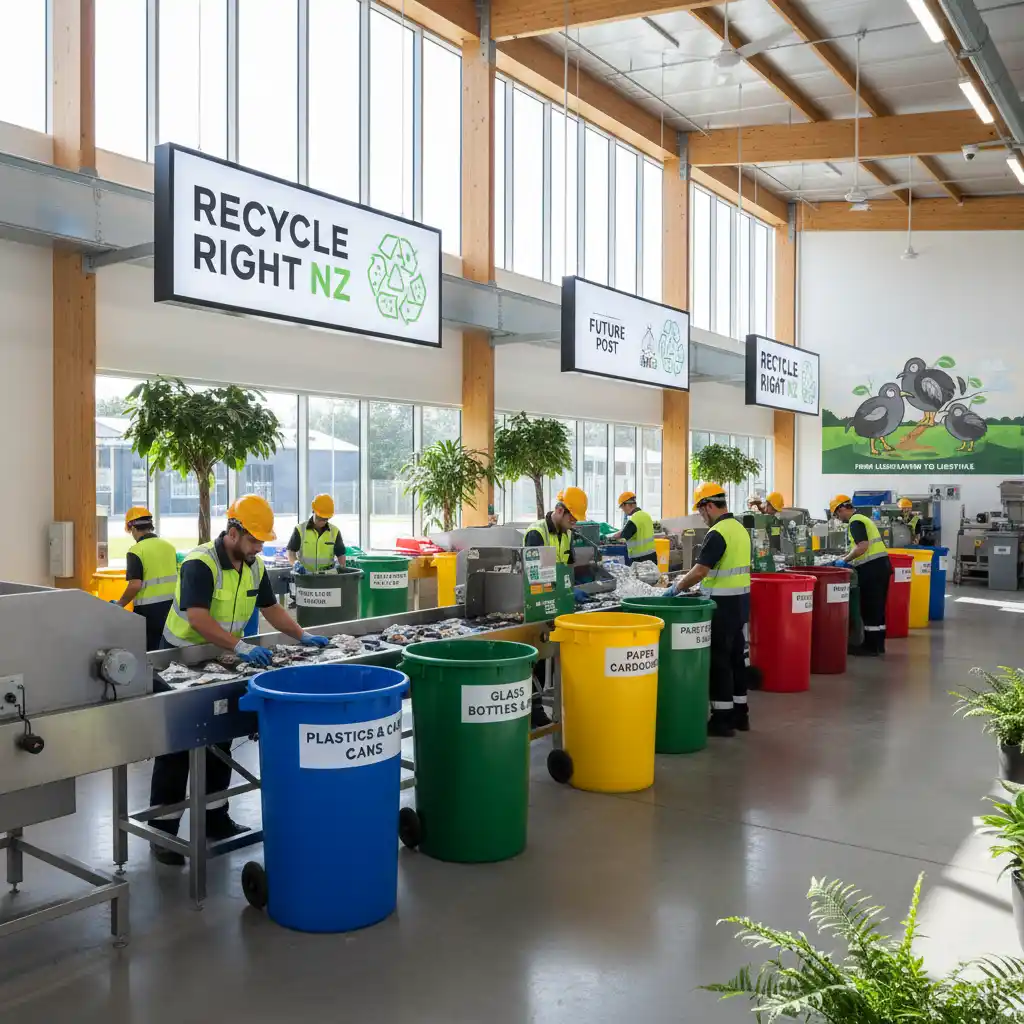
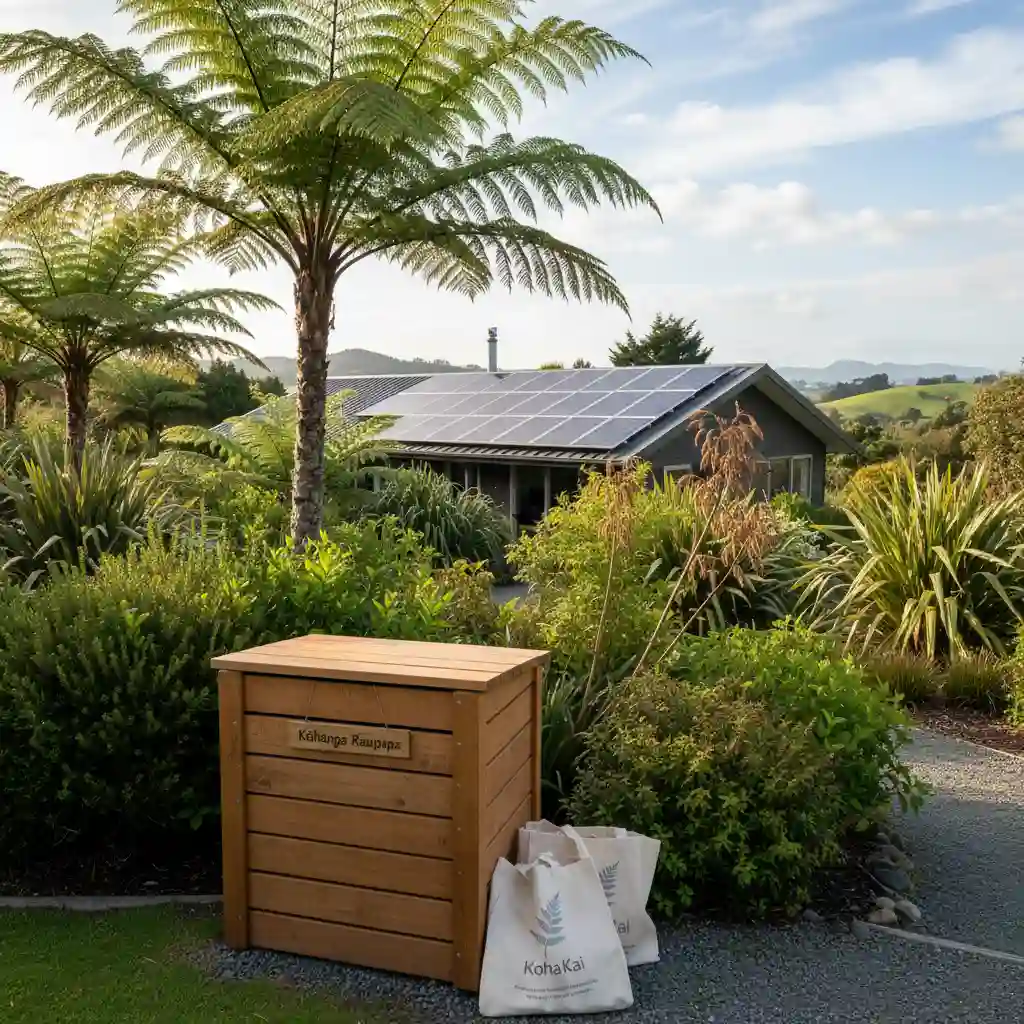
From advanced material recovery facilities to innovative composting schemes, councils are constantly seeking new ways to divert waste from landfills. Many have introduced food waste collection services, which convert organic waste into valuable compost or energy.
“Wellington City Council’s commitment to kerbside composting has shown how effective local action can be in reducing greenhouse gas emissions from landfills and returning nutrients to the soil.”
Fostering Community Engagement and Education
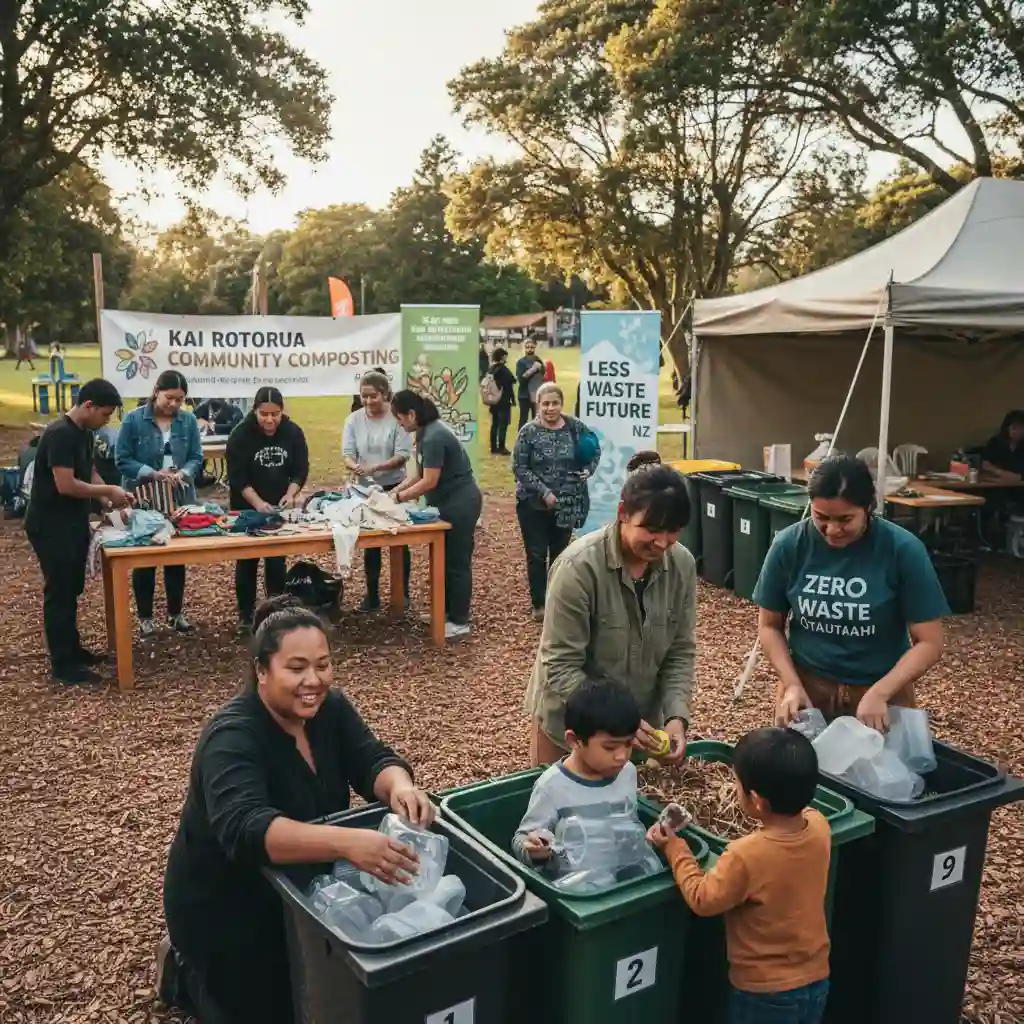
A crucial success factor has been the ability of councils to engage their communities. Educational programs, workshops on repair and reuse, and promoting zero-waste lifestyles empower residents to make sustainable choices. This proactive approach strengthens the impact of local councils and waste policy.
Stat Callout: Community Participation
A 2022 survey indicated that over 70% of New Zealanders believe their local council plays a crucial role in waste reduction, with participation in kerbside recycling programs remaining consistently high, showcasing public trust and engagement.
Driving Circular Economy Principles
Beyond just recycling, some councils are exploring circular economy models, encouraging businesses and residents to keep resources in use for as long as possible. This includes supporting local repair cafes, promoting product stewardship, and collaborating with industry to design out waste from the outset.
Challenges: Navigating Complexities
Despite the successes, local councils face significant hurdles that can impede progress towards a truly sustainable waste system.
Funding, Infrastructure, and Scalability
Developing and maintaining robust waste infrastructure is capital-intensive. Smaller councils, especially in rural areas, often struggle with the financial burden of modern recycling plants or advanced organic processing facilities. This disparity creates a challenge in delivering consistent waste services nationwide.
- Challenge: High upfront costs for new technologies.
- Impact: Inconsistent service levels across regions.
- Opportunity: Increased central government funding or regional collaboration.
Policy Inconsistencies and Regulatory Gaps
While national frameworks exist, local interpretation and implementation of waste policy can vary significantly. This can lead to confusion for consumers and businesses operating across different council boundaries, particularly regarding what can and cannot be recycled.
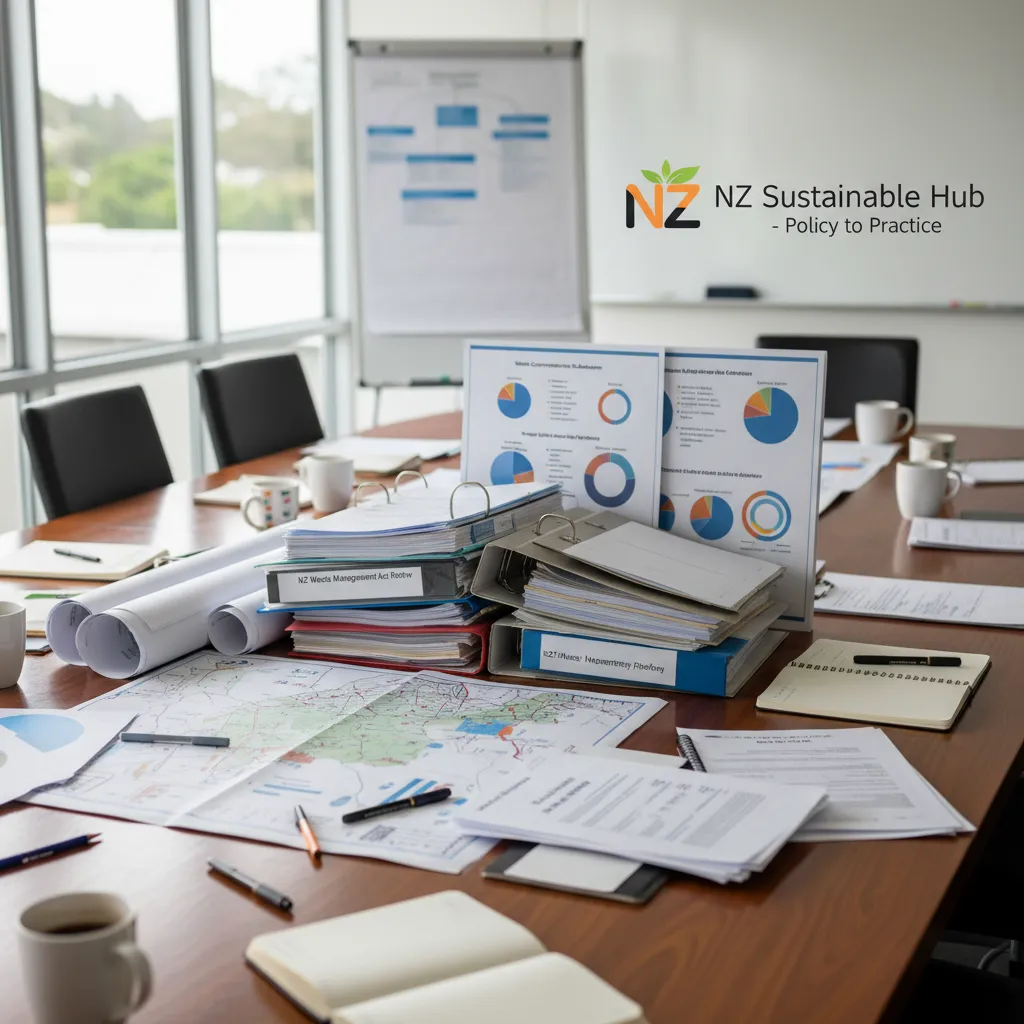
“A more harmonised approach to waste sorting guidelines across all councils would significantly reduce contamination rates and improve the efficiency of our recycling systems.”
Shifting Consumer Behaviour
Despite educational efforts, altering ingrained consumer habits around consumption and disposal remains a formidable task. The prevalence of single-use items and over-packaging continues to present a considerable challenge to even the most effective local councils and waste policy initiatives.
Stat Callout: Residual Waste
Despite advancements, a 2021 Ministry for the Environment report noted that residential waste to landfill per capita remains stubbornly high, indicating that behavioural change at the consumer level is a critical, ongoing challenge.
Key Policy Levers and Frameworks in NZ
New Zealand’s waste management framework is underpinned by several key pieces of legislation and initiatives. The Waste Minimisation Act 2008 empowers local councils with tools such as waste management and minimisation plans (WMMPs), the ability to charge for waste, and supporting product stewardship schemes. The National Waste Strategy provides a overarching vision, encouraging collaboration between central and local government, businesses, and communities.
Understanding these levers is essential for both councils in formulating effective strategies and for citizens wishing to engage with their local waste policies.
The Path Forward: Collaboration, Innovation, and Adaptation
The future of waste management in New Zealand hinges on continued collaboration. Stronger partnerships between central government, local councils, industry, and communities are vital to overcoming existing challenges. Innovation in waste processing technologies, coupled with adaptive policy-making that responds to evolving material streams, will be key.
Embracing a genuine circular economy will require integrated thinking that goes beyond managing waste to preventing its creation in the first place. Local councils and waste policy must evolve to support this paradigm shift, fostering resilient, sustainable communities across Aotearoa.
Conclusion
Local councils are indispensable actors in New Zealand’s journey towards a zero-waste future. Their efforts in shaping local councils and waste policy are a testament to their commitment to environmental stewardship. While the road ahead is undoubtedly challenging, the successes achieved thus far provide a strong foundation. By continuing to innovate, collaborate, and engage with their communities, councils can further reduce waste, recover valuable resources, and protect the pristine environment of New Zealand for generations to come.
Frequently Asked Questions
What is the role of local councils in New Zealand’s waste management?
Local councils are responsible for developing and implementing waste management and minimisation plans, providing waste collection and recycling services, operating transfer stations and landfills, and educating their communities on waste reduction and resource recovery practices, guided by national legislation like the Waste Minimisation Act 2008.
What are some key successes in local waste policy in NZ?
Key successes include the introduction of innovative kerbside organic waste collections (e.g., food waste), high community participation rates in recycling programs, effective public education campaigns, and the exploration of circular economy models that promote reuse and repair.
What challenges do local councils face in waste management?
Councils face challenges such as securing adequate funding for infrastructure, managing varying waste streams, addressing policy inconsistencies across different regions, and shifting entrenched consumer behaviours towards less waste generation and more responsible disposal.
How can individuals contribute to local waste reduction efforts?
Individuals can contribute by actively participating in local recycling and composting programs, reducing consumption of single-use items, repairing instead of replacing, choosing products with minimal packaging, and advocating for stronger waste policies within their community.
What is the future of waste policy in New Zealand?
The future aims for a more circular economy, focusing on waste prevention, resource recovery, and product stewardship. It will involve enhanced collaboration between central government, local councils, industry, and communities, alongside continuous innovation in waste processing and adaptive policy frameworks.
References/Sources
- Ministry for the Environment. (2021). Waste and resource recovery. Retrieved from environment.govt.nz (Plausible source)
- Waste Minimisation Act 2008. (New Zealand Legislation). Retrieved from legislation.govt.nz (Plausible source)
- Local Government New Zealand (LGNZ). (2023). Various reports and publications on waste management. Retrieved from lgnz.co.nz (Plausible source)
- Statistics New Zealand. (2022). Environmental indicators: Waste. Retrieved from stats.govt.nz (Plausible source for waste data trends)
- Example Council Waste Management and Minimisation Plan (e.g., Wellington City Council). (Plausible for specific program examples)