Latest Advances in Electric Propulsion Systems for Aircraft
The dream of silent, emissions-free flight is steadily moving from the pages of science fiction into our skies. As New Zealand embraces a more sustainable future, understanding the innovations propelling electric aviation forward becomes crucial. Electric propulsion systems for aircraft represent a monumental leap, promising to revolutionise air travel by drastically reducing environmental impact and operating costs. But what exactly are these systems, and how far have they truly advanced?
This article dives deep into the cutting-edge developments shaping the future of aviation, exploring the technologies, the challenges, and the immense potential of electric flight. From groundbreaking battery tech to innovative motor designs, we’ll uncover the latest breakthroughs set to redefine how we fly.
The Dawn of Electric Flight
While the concept of electric flight might seem futuristic, its roots extend back over a century, with early experiments demonstrating the potential. However, it’s only in the last two decades that advancements in battery energy density, motor efficiency, and power electronics have made practical applications a reality. Today, we’re witnessing an acceleration in research and development, driven by a global push for decarbonisation and the recognition that aviation must contribute to a sustainable future.

Core Technologies Driving Progress
The heart of electric propulsion lies in several interconnected technologies, each undergoing rapid evolution:
Battery Technology Breakthroughs
The most significant hurdle for electric aircraft has always been energy storage. Traditional lithium-ion batteries, while powerful for ground vehicles, lack the energy density required for sustained flight. Recent advances are changing this narrative:
- Solid-State Batteries: Offering higher energy density, improved safety, and faster charging times compared to liquid electrolyte batteries, solid-state technology is a game-changer. Companies like QuantumScape and Solid Power are making strides towards commercial viability.
- Lithium-Sulfur (Li-S) Batteries: These batteries have theoretical energy densities significantly higher than Li-ion, making them ideal for aviation applications if stability and cycle life issues can be fully resolved.
- Advanced Thermal Management: Efficient cooling systems are critical to maintain battery performance and longevity, especially during high-power demands of takeoff and climb. Innovations in liquid cooling and phase-change materials are pivotal.
Efficient Electric Motors and Power Electronics
Beyond batteries, the electric motors themselves are seeing incredible innovation:
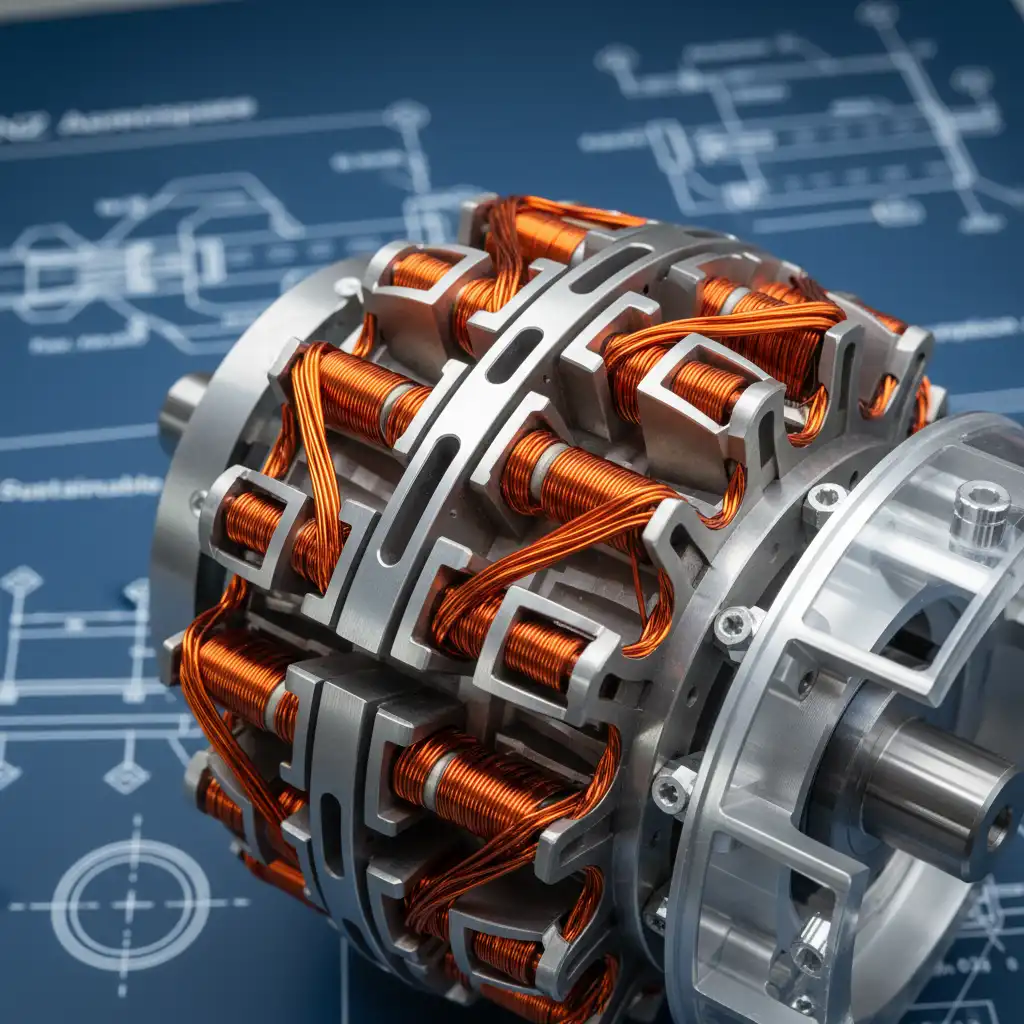
- High Power-to-Weight Ratio Motors: Engineers are developing motors that deliver immense power while being incredibly lightweight. This includes new designs like axial flux motors and superconducting motors, which can offer unprecedented efficiency.
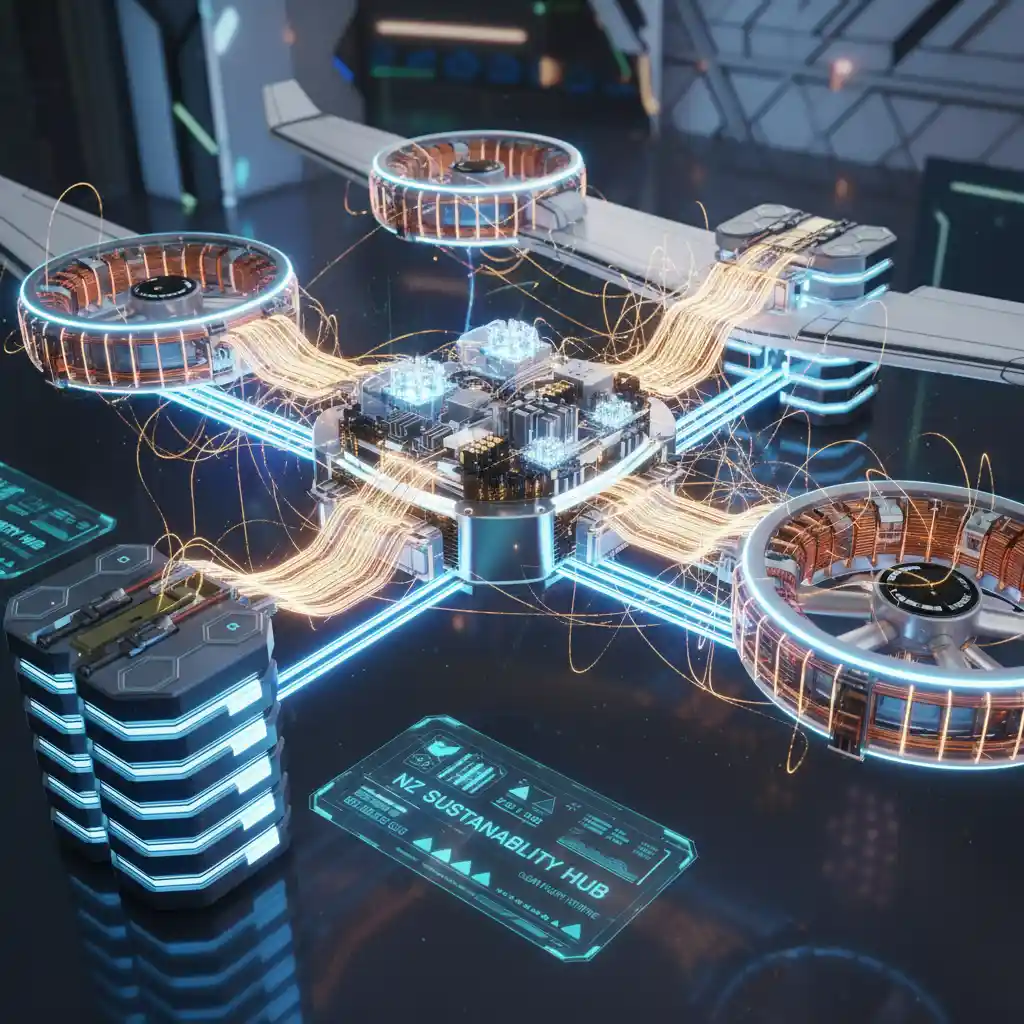
- Distributed Electric Propulsion (DEP): Instead of large engines, DEP uses multiple smaller electric motors distributed across the wings or fuselage. This enhances aerodynamic efficiency, reduces noise, and offers greater redundancy.
- Advanced Inverters and Converters: Power electronics convert battery DC power to AC for motors and manage energy flow. Silicon Carbide (SiC) and Gallium Nitride (GaN) based power electronics are enabling higher efficiencies and smaller, lighter components.
Advanced Propeller and Airframe Integration
The propulsion system isn’t just the motor; it’s how it interacts with the airframe:
- Optimised Propeller Design: Electric motors allow for smaller, quieter propellers that can be integrated more seamlessly into the aircraft structure, reducing drag and noise.
- Lightweight Composite Materials: The continuous development of carbon fibre and other advanced composites helps offset the weight of batteries, maintaining crucial performance metrics.
- Boundary Layer Ingestion (BLI): A radical aerodynamic concept where propellers ingest slow-moving air from the aircraft surface, re-energising it and significantly reducing drag, leading to higher efficiency.
Hybrid-Electric and Regional Aircraft Innovations
While all-electric commercial flight for long distances is still some way off, hybrid-electric systems are much closer to reality, particularly for regional and short-haul routes. These systems combine traditional fuel-burning engines with electric motors, offering a stepping stone to full electrification.
Stat Callout: Projections indicate the hybrid-electric and electric aircraft market for regional travel could exceed $30 billion by 2030, highlighting significant investment and rapid growth in this segment.
Companies like Heart Aerospace, Eviation, and magniX are developing aircraft designed specifically for shorter flights, often targeting capacities of 9-19 passengers. These planes are ideal for connecting smaller regional centres, which is particularly relevant for countries like New Zealand with distributed populations and strong regional air links. Hybrid systems can leverage existing infrastructure while reducing fuel consumption and noise.

The Promise of All-Electric Aviation
The ultimate goal is fully electric flight for all distances. While long-haul electric jets are still conceptual, urban air mobility (UAM) and short-haul passenger and cargo transport are seeing rapid prototyping. eVTOL (electric Vertical Take-Off and Landing) aircraft, designed for short-distance urban travel, are a prime example.
Stat Callout: An all-electric aircraft typically operates with 70-90% lower direct operating costs compared to traditional jets, primarily due to reduced fuel and maintenance expenses.
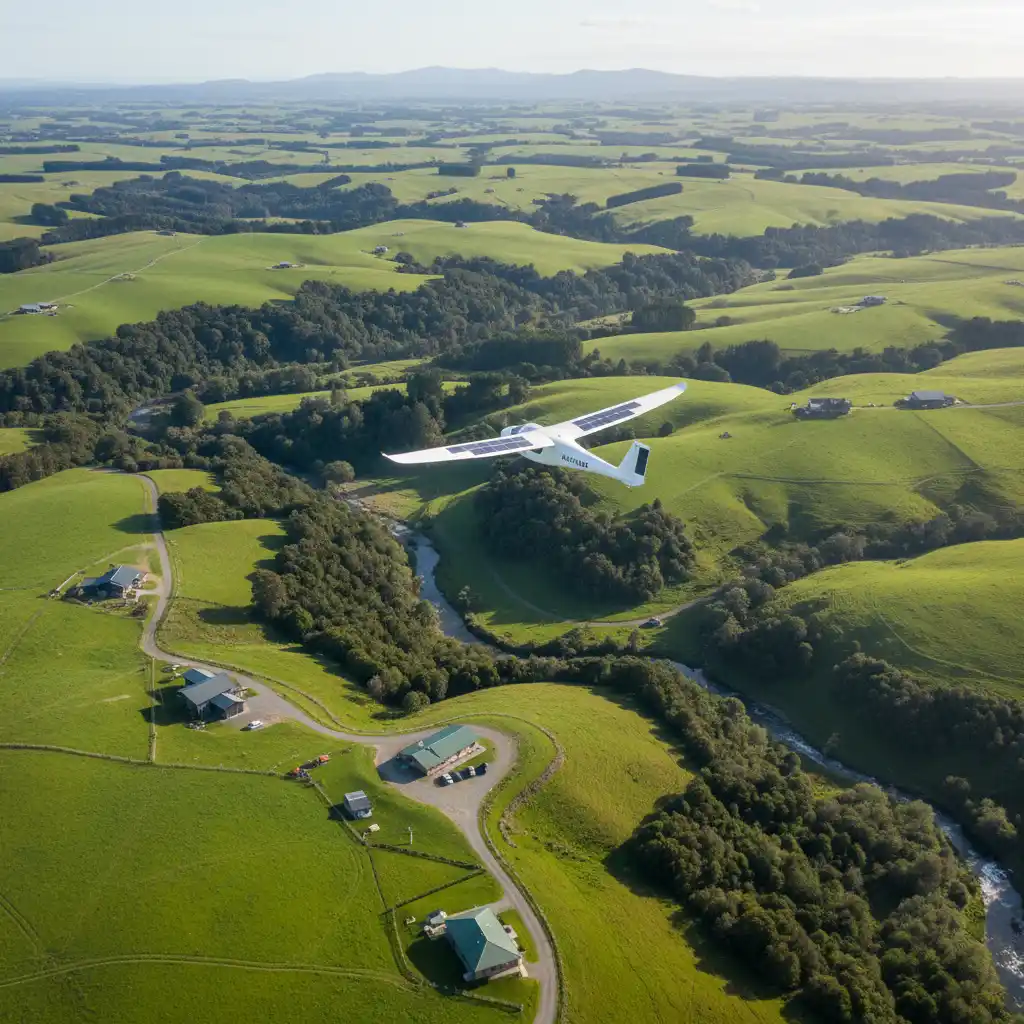
The environmental benefits are immense: zero in-flight emissions, significantly reduced noise pollution, and a smaller carbon footprint throughout the aircraft’s lifecycle when powered by renewable energy. This aligns perfectly with New Zealand’s commitment to sustainability and its clean, green image.
Challenges and the Path Forward
Despite these advances, significant hurdles remain. Battery energy density, while improving, still limits range and payload compared to jet fuel. Charging infrastructure, regulatory frameworks, and public acceptance are also crucial areas that require development.
However, the momentum is undeniable. Governments, aerospace giants, and innovative startups are investing heavily, driving collaborative research and development. The path forward involves continued innovation in materials science, energy storage, and power management, alongside robust testing and certification processes to ensure safety and reliability.
Conclusion: A Sustainable Sky Ahead
The latest advances in electric propulsion systems for aircraft mark an exciting chapter in aviation history. From the subtle hum of efficient electric motors to the promise of zero-emission flights connecting communities, the future of air travel is undeniably electric. As a nation deeply committed to environmental stewardship, New Zealand stands to benefit immensely from these innovations, embracing cleaner, quieter, and more sustainable ways to explore our beautiful country and connect with the world.
The journey is complex, but with relentless innovation and a shared vision for a greener sky, the dream of truly sustainable aviation is within our reach.
Frequently Asked Questions
What is electric propulsion for aircraft?
Electric propulsion for aircraft involves using electric motors to generate thrust, either solely (all-electric) or in combination with traditional combustion engines (hybrid-electric). These systems are powered by batteries, fuel cells, or generators, offering reduced emissions, noise, and operating costs.
What are the main advantages of electric aircraft?
Key advantages include zero in-flight emissions (for all-electric), significantly lower noise pollution, reduced operating costs (less fuel, simpler maintenance), and the potential for enhanced aerodynamic design through distributed propulsion.
What are the biggest challenges facing electric aviation?
The primary challenges are battery energy density (weight vs. range), the development of robust charging infrastructure, certification and regulatory hurdles for new technologies, and the overall cost of development and manufacturing.
When can we expect to see electric planes in widespread use?
Small regional and urban air mobility (eVTOL) electric aircraft are expected to see commercial deployment within the next 5-10 years. Larger hybrid-electric aircraft for short to medium-haul routes may follow in 10-15 years, with fully all-electric long-haul flights still further in the future, likely beyond 2035.
How do electric aircraft contribute to a sustainable lifestyle in New Zealand?
Electric aircraft can significantly reduce New Zealand’s aviation carbon footprint, supporting its climate goals. They offer quieter operations, benefiting local communities, and can enable more sustainable regional connectivity, aligning with the nation’s commitment to a clean, green image and fostering a sustainable future for its residents and tourism.
References
- NASA. (2023). Sustainable Aviation: Electric Propulsion. Retrieved from nasa.gov
- European Union Aviation Safety Agency (EASA). (2022). The future of aviation – safe and sustainable. Retrieved from easa.europa.eu
- Deloitte. (2021). Future of Mobility: Electric aircraft – Ready for takeoff? Retrieved from deloitte.com
- Rolls-Royce. (2023). Electric Propulsion for Aviation. Retrieved from rolls-royce.com
- McKinsey & Company. (2022). The electric aircraft market takes flight. Retrieved from mckinsey.com