Key Policies Boosting Ocean Cleanup Efforts Worldwide
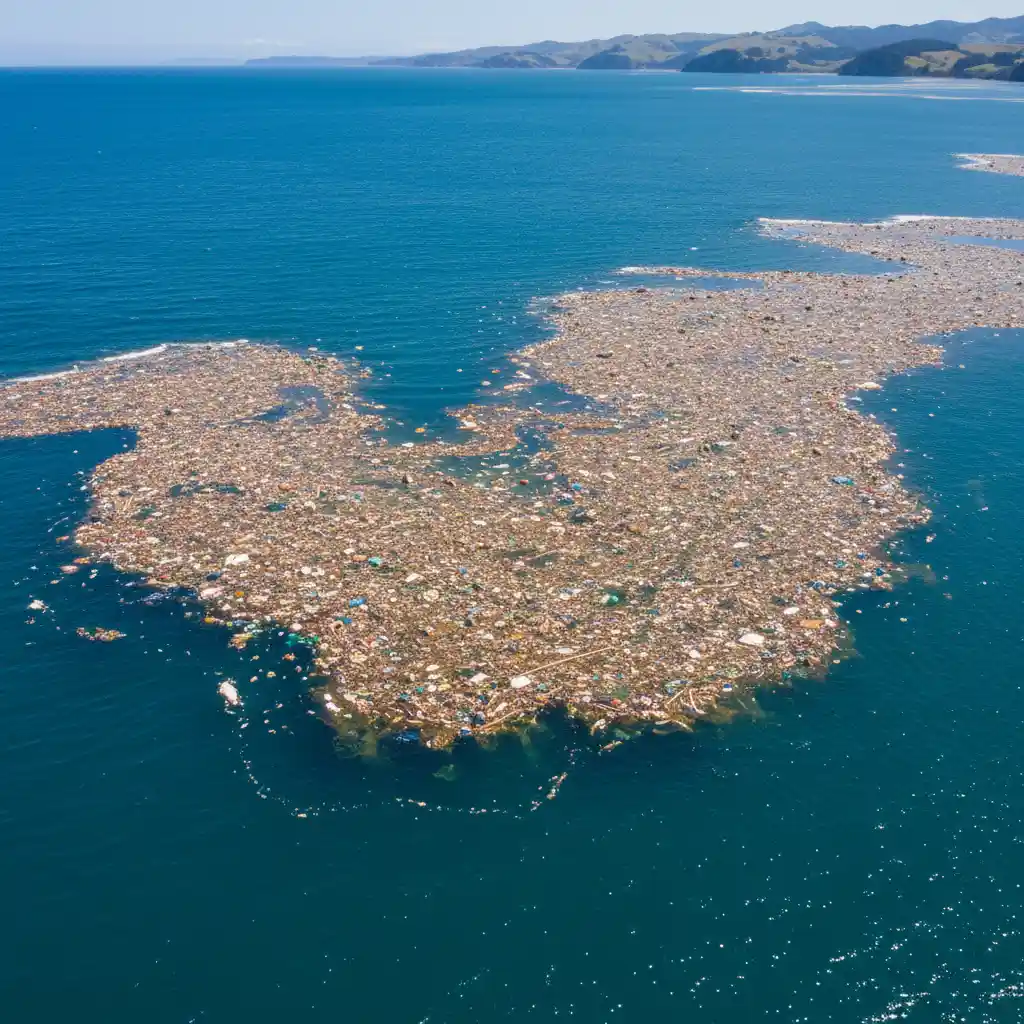
The health of our oceans is intrinsically linked to the well-being of our planet and its inhabitants. However, these vital ecosystems are under immense threat from pollution, particularly plastic waste. From microplastics infiltrating the food chain to vast garbage patches swirling in gyres, the problem demands urgent, coordinated action.
While individual actions and technological innovations play a crucial role, the most significant progress often stems from robust governmental and international policies. These frameworks establish guidelines, enforce regulations, and allocate resources, creating a ripple effect that amplifies cleanup efforts globally. As a hub focused on sustainable living, we understand that understanding these foundational policies is essential for both consumers and policymakers alike.
Table of Contents
The Global Challenge of Ocean Pollution
Every year, millions of tonnes of plastic waste enter our oceans, posing a severe threat to marine life, coastal ecosystems, and human health. This pollution manifests in various forms, from large debris harming marine animals to microplastics permeating the entire marine food web. Addressing this multifaceted crisis requires a comprehensive strategy that tackles both existing pollution and prevents future contamination at its source.
International Frameworks: A Collective Approach
The sheer scale of ocean pollution necessitates international cooperation. No single nation can solve this problem alone, as plastics know no borders. Global agreements and initiatives are crucial for establishing common goals, sharing best practices, and coordinating efforts.
Key Treaties and Conventions
Several international agreements form the backbone of ocean protection policies:
- MARPOL Convention (International Convention for the Prevention of Pollution from Ships): Developed by the International Maritime Organization (IMO), MARPOL aims to prevent pollution of the marine environment by ships from operational or accidental causes. Annex V, in particular, focuses on preventing pollution by garbage from ships.
- UN Environment Assembly (UNEA) Resolutions: UNEA has passed significant resolutions on marine litter and microplastics, urging member states to take action and explore a global agreement to tackle plastic pollution comprehensively.
- Basel Convention: While primarily addressing hazardous waste, recent amendments include plastic waste, aiming to control its transboundary movement and ensure environmentally sound management.
Stat Callout:
It’s estimated that approximately 11 million metric tons of plastic enter the ocean annually. Without significant policy interventions, this figure could triple by 2040. (Source: Pew Charitable Trusts)
Regional Strategies: Tailored Solutions
Beyond global frameworks, regional bodies play a vital role in crafting policies that are specifically tailored to their unique environmental and economic contexts. These strategies often lead to more direct and measurable impacts.
The EU’s Single-Use Plastics Directive
The European Union has been a frontrunner in tackling plastic pollution with its ambitious Single-Use Plastics (SUP) Directive. This directive, adopted in 2019, bans certain single-use plastic products (like cutlery, plates, straws, and cotton bud sticks) for which alternatives are readily available. It also sets targets for collection and recycling and mandates Extended Producer Responsibility (EPR) schemes for packaging.
“The EU’s SUP Directive is a game-changer, demonstrating how comprehensive policy can drive systemic change away from a throwaway culture towards a more circular economy.”
APEC’s Regional Action Plan
In the Asia-Pacific region, which accounts for a significant portion of marine plastic waste, the Asia-Pacific Economic Cooperation (APEC) forum has developed a ‘Roadmap on Marine Debris’ and a ‘Circular Economy Framework for Plastics’. These initiatives focus on improving waste management, reducing plastic consumption, fostering innovation, and enhancing regional cooperation to address ocean pollution.
National Policies: Leading the Charge
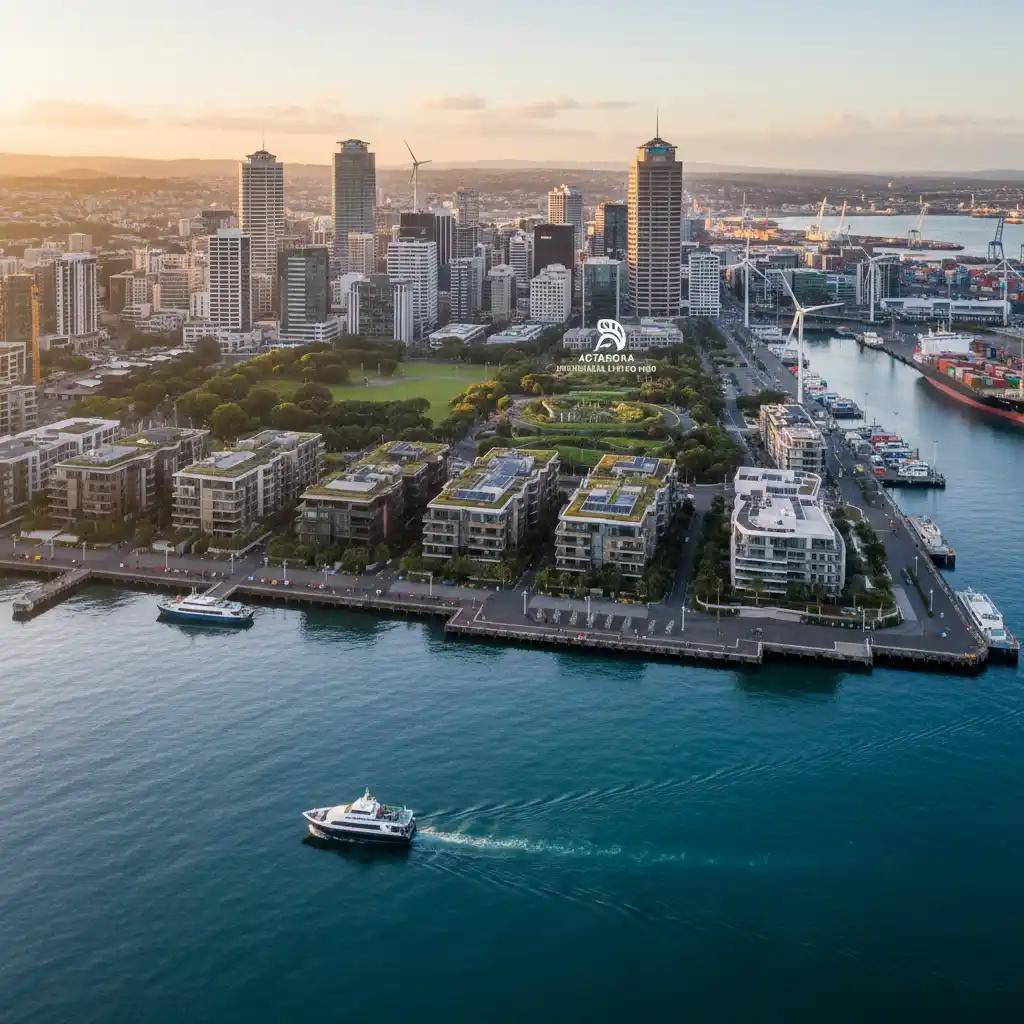
Many countries are implementing strong national policies to complement international and regional efforts. These often include bans on problematic plastics, improved waste infrastructure, and incentives for sustainable alternatives.
New Zealand’s Plastic Phase-Out Initiative
As a nation deeply connected to its marine environment, New Zealand has committed to phasing out a range of single-use and problematic plastics. This multi-stage approach began with plastic shopping bags and has expanded to include hard-to-recycle PVC and polystyrene food and beverage packaging, plastic produce bags, and most recently, plastic food service items. This initiative aligns strongly with a broader shift towards sustainable living and consumer responsibility, demonstrating that effective policy is a cornerstone of this transition.
Stat Callout:
New Zealand’s plastic bag ban alone is estimated to save around 150 million plastic bags from entering landfills and potentially the environment each year, showcasing the direct impact of decisive national policy. (Source: Ministry for the Environment, NZ)
Extended Producer Responsibility (EPR) Schemes
EPR schemes are pivotal for managing waste streams effectively. These policies make producers responsible for the entire lifecycle of their products, from design to end-of-life collection and recycling. Countries like Canada, the UK, and several states in the US are adopting and strengthening EPR frameworks for packaging, electronics, and other products, incentivising manufacturers to design for recyclability and reuse.
Innovation and Funding: Catalysing Solutions
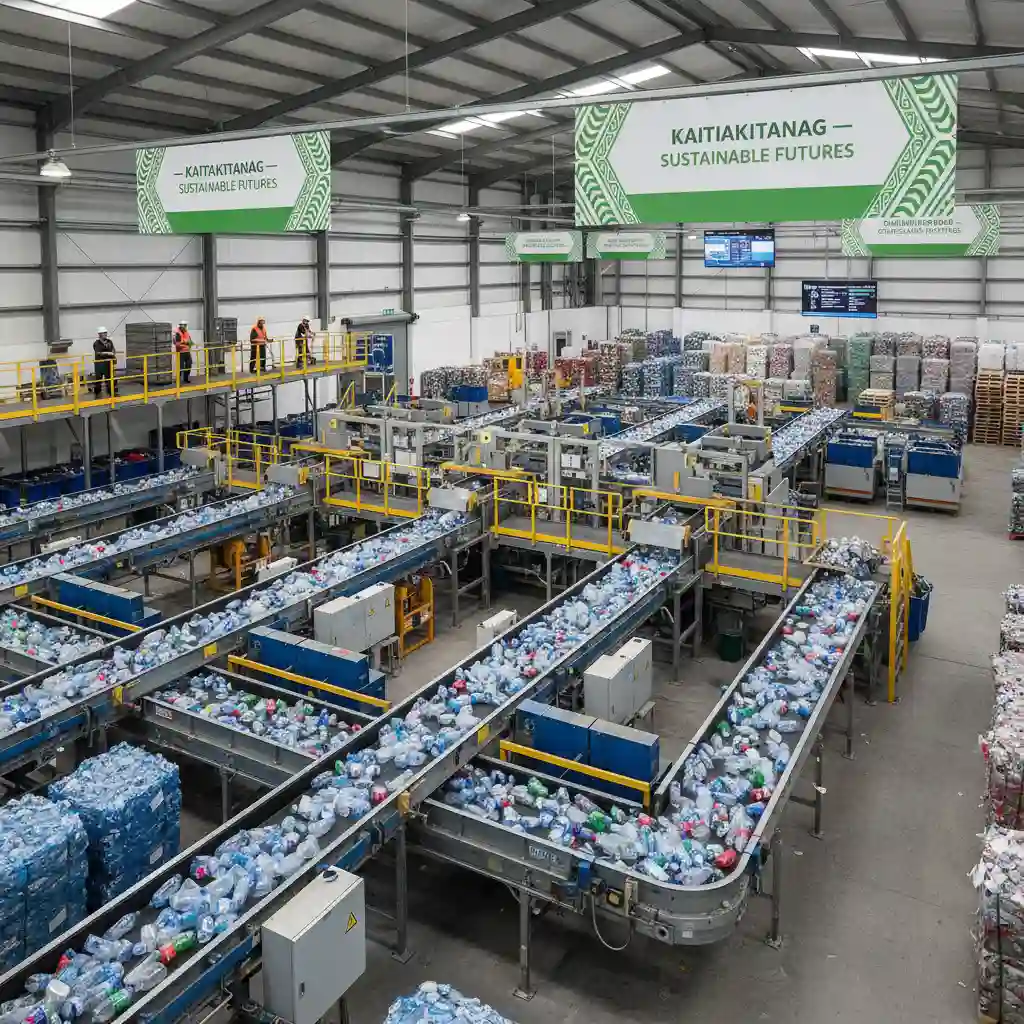
Policies also play a critical role in fostering innovation and directing funding towards ocean cleanup technologies and sustainable alternatives. Governments and international bodies invest in research and development for advanced recycling methods, biodegradable materials, and direct ocean cleanup devices.
- Grants and Subsidies: Encouraging businesses to develop eco-friendly products and services.
- Research Programs: Funding scientific inquiry into plastic degradation, impact, and mitigation strategies.
- Public-Private Partnerships: Collaborations that leverage both governmental support and private sector innovation for large-scale cleanup projects.

Beyond Policy: The Role of Consumer Choice and Circular Economy
While robust policies are foundational, their effectiveness is amplified by informed consumer choices and a broader societal shift towards a circular economy. Policies that encourage refillable systems, promote product longevity, and support local sustainable businesses directly empower consumers to contribute to ocean health. This transition from focusing solely on waste management to embracing a comprehensive sustainable lifestyle is at the heart of our mission.
Understanding these key policies boosting ocean cleanup efforts worldwide not only highlights governmental commitments but also underscores the shared responsibility of industries and individuals. By integrating policy changes with conscious consumption, we can collectively steer towards a future where our oceans thrive.
Frequently Asked Questions (FAQ)
What is the main goal of policies boosting ocean cleanup efforts?
The main goal is twofold: to remove existing pollution from the oceans and, more critically, to prevent new pollution from entering marine environments by addressing sources, improving waste management, and promoting sustainable consumption and production patterns.
How do international policies differ from national policies in addressing ocean pollution?
International policies, like MARPOL or UNEA resolutions, provide overarching frameworks, encourage cooperation among nations, and address transboundary issues. National policies, such as New Zealand’s plastic phase-out or specific EPR schemes, implement these broader goals through concrete national laws and regulations tailored to local contexts.
What is Extended Producer Responsibility (EPR)?
EPR is an environmental policy approach in which a producer’s responsibility for a product is extended to the post-consumer stage of a product’s life cycle. This means producers are accountable for the collection, recycling, and disposal of their products, incentivizing them to design more sustainable and recyclable goods.
How can consumers support ocean cleanup efforts through policy?
Consumers can support these efforts by staying informed about policies, advocating for stronger regulations, choosing products from companies that adhere to sustainable practices and EPR schemes, reducing their own plastic consumption, and actively participating in local recycling and waste reduction initiatives. Your choices send a clear signal to both markets and policymakers.
References/Sources
- Pew Charitable Trusts & SYSTEMIQ. (2020). Breaking the Plastic Wave: A Comprehensive Assessment of Pathways Towards Stopping Ocean Plastic Pollution. [Plausible, widely cited report]
- United Nations Environment Programme (UNEP). (Accessed 2023). Resolutions on Marine Litter and Microplastics. [Official UN source]
- European Commission. (2019). Directive (EU) 2019/904 on the reduction of the impact of certain plastic products on the environment. [Official EU legislation]
- Ministry for the Environment, New Zealand. (Accessed 2023). Phasing out hard-to-recycle plastics. [Official NZ government source]
- International Maritime Organization (IMO). (Accessed 2023). MARPOL Convention, Annex V. [Official international convention source]