Join Local Conservation: Volunteer Opportunities for Campers
Imagine enhancing your camping trip beyond simple relaxation – by actively contributing to New Zealand’s stunning natural heritage. For campers who love the outdoors, connecting with nature can go deeper than just experiencing it. It can mean becoming a part of its preservation.
New Zealand’s unique biodiversity, from its pristine coastlines to its ancient forests, faces ongoing challenges. This article explores how you, as a camper, can easily join local conservation efforts and make a tangible difference. Discover a range of fulfilling volunteer opportunities for campers across Aotearoa, allowing you to give back to the landscapes you love while creating truly unforgettable memories.
The Call to Action: Why Volunteer for Conservation in Aotearoa?
New Zealand is a land of unparalleled natural beauty and incredible biodiversity. However, centuries of human impact have led to significant challenges for many of its native species and ecosystems. As a camper, you likely cherish these natural spaces, and volunteering offers a powerful way to protect them.
By dedicating even a small portion of your camping trip to conservation, you contribute directly to the health of the environment, ensuring that future generations can enjoy the same breathtaking landscapes and unique wildlife. It’s an opportunity to learn new skills, meet like-minded people, and gain a deeper appreciation for the places you visit.
Stat Callout: Did you know that over 80% of New Zealand’s native plants, reptiles, and amphibians are found nowhere else on Earth? Protecting this unique biodiversity is a collective effort, and your help truly matters.
“Volunteering allows you to move beyond being a passive observer of nature to an active participant in its story.”
Diverse Volunteer Opportunities Await Every Camper
Conservation volunteering isn’t just about heavy lifting or specialized skills. There’s a wide array of volunteer opportunities for campers, catering to different interests, fitness levels, and time commitments. Whether you’re planning a short weekend getaway or a longer expedition, you can find a project that fits.
Popular Conservation Tasks for Campers:
- Pest Control: Setting and checking traps for introduced predators like stoats, possums, and rats, which devastate native bird populations.
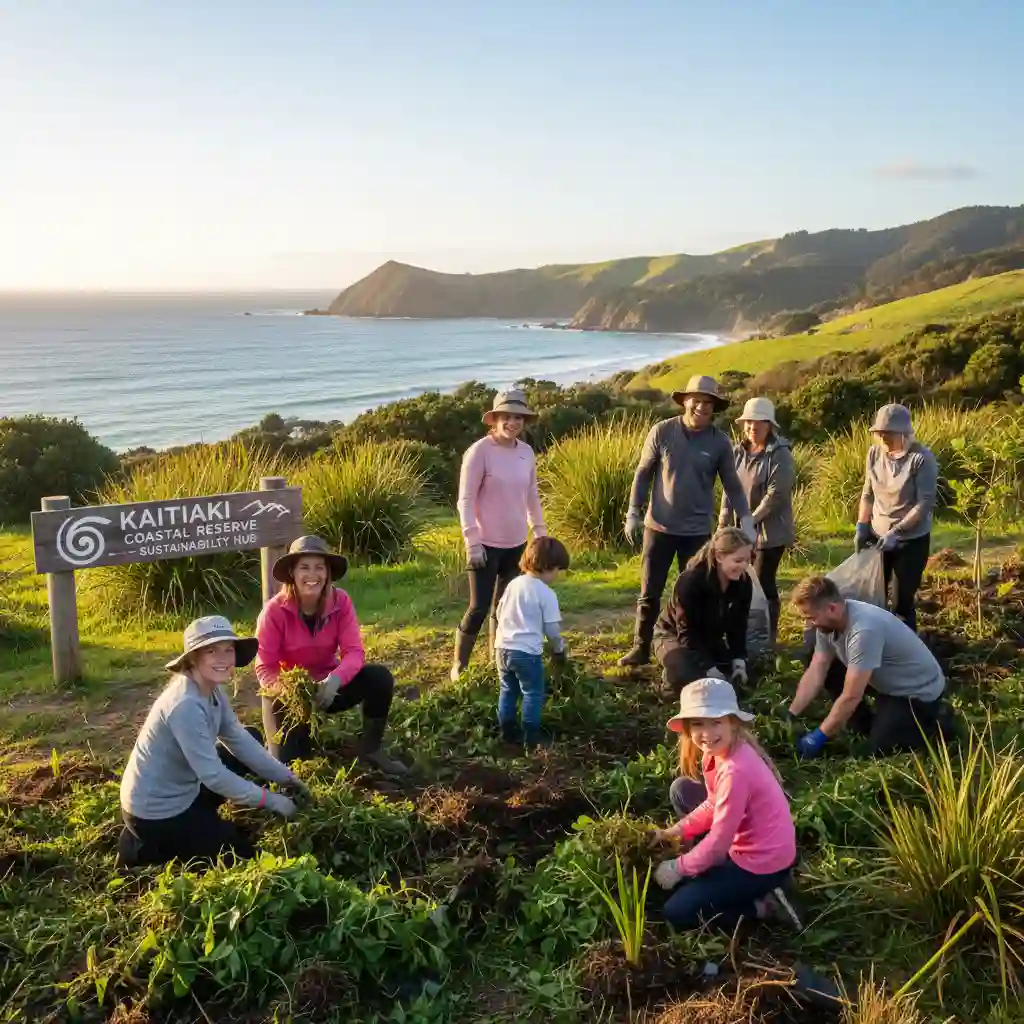
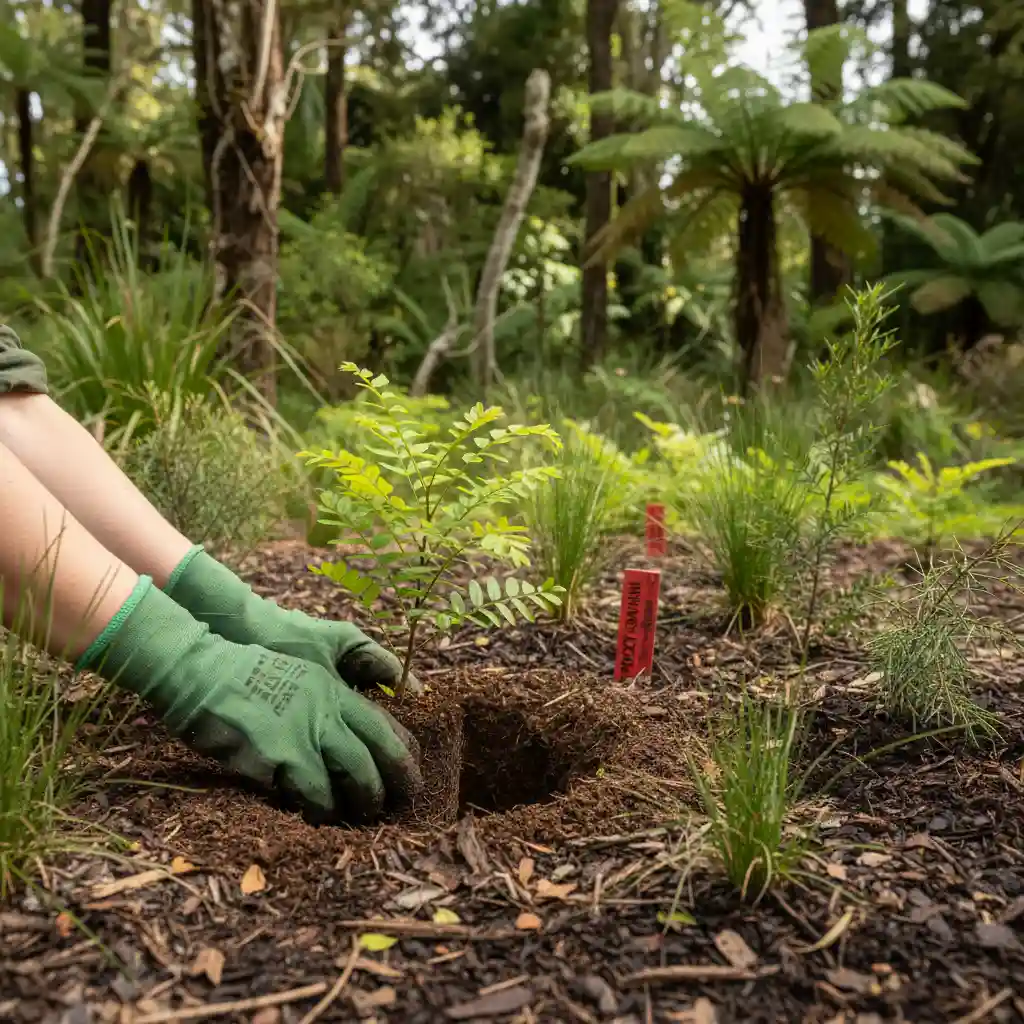
- Native Planting: Restoring forests, wetlands, and coastal dunes by planting native trees and shrubs. Essential for habitat creation and erosion control.
- Track Maintenance: Helping to clear and maintain walking tracks in national parks and reserves, ensuring safe access for all while protecting fragile ecosystems.
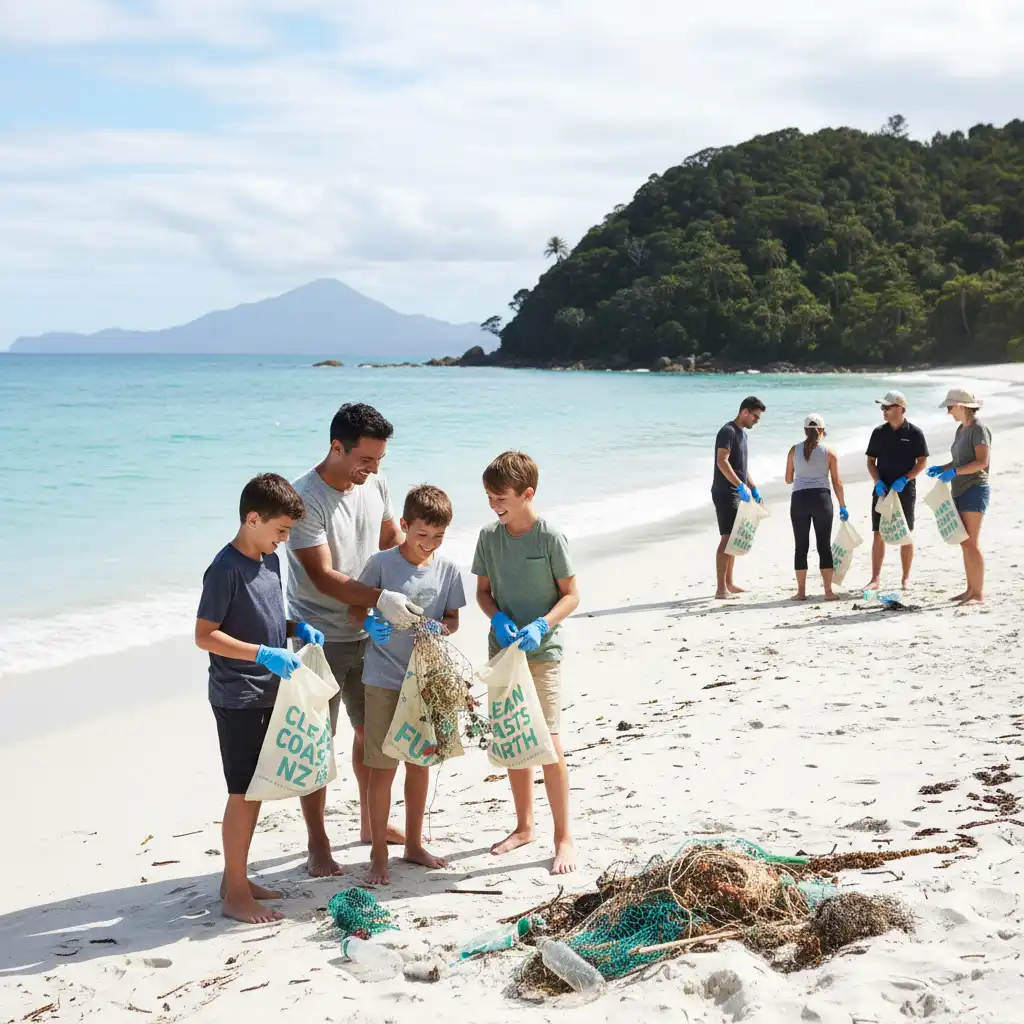
- Beach Clean-ups: Removing litter and marine debris from New Zealand’s stunning coastlines, protecting marine life and coastal habitats.
- Wildlife Monitoring: Assisting with bird counts, lizard surveys, or pest monitoring, providing crucial data for conservation efforts.
- Weed Eradication: Removing invasive exotic plants that outcompete native species and disrupt ecosystems.
Many organisations provide all necessary tools, training, and safety briefings, meaning you don’t need prior experience to get involved. Just bring your enthusiasm and a willingness to learn!
Finding Your Perfect Conservation Match: Where to Look
The key to a rewarding experience is finding the right opportunity. Here’s how you can discover volunteer opportunities for campers that align with your travel plans and interests:
Step-by-Step Guide to Finding Opportunities:
- Identify Your Camping Destination: Pinpoint the region or specific park you plan to visit.
- Check Department of Conservation (DOC): The DOC website (doc.govt.nz/get-involved/volunteer/) is an excellent starting point, listing national and regional projects.
- Explore Local Conservation Groups: Search online for local environmental trusts, ‘Friends of’ groups (e.g., Friends of a specific park), or regional council conservation initiatives in your chosen area. Organisations like Forest & Bird also have local branches.
- Utilise Volunteer Platforms: Websites like Volunteering New Zealand or local council sites sometimes list opportunities.
- Contact Directly: Once you find a potential project, reach out to the organisers well in advance of your trip to inquire about specific dates, tasks, and requirements.
Consider what you enjoy doing, how much time you have, and your physical capabilities. There are options for everyone, from an hour or two of beach clean-up to multi-day planting efforts.
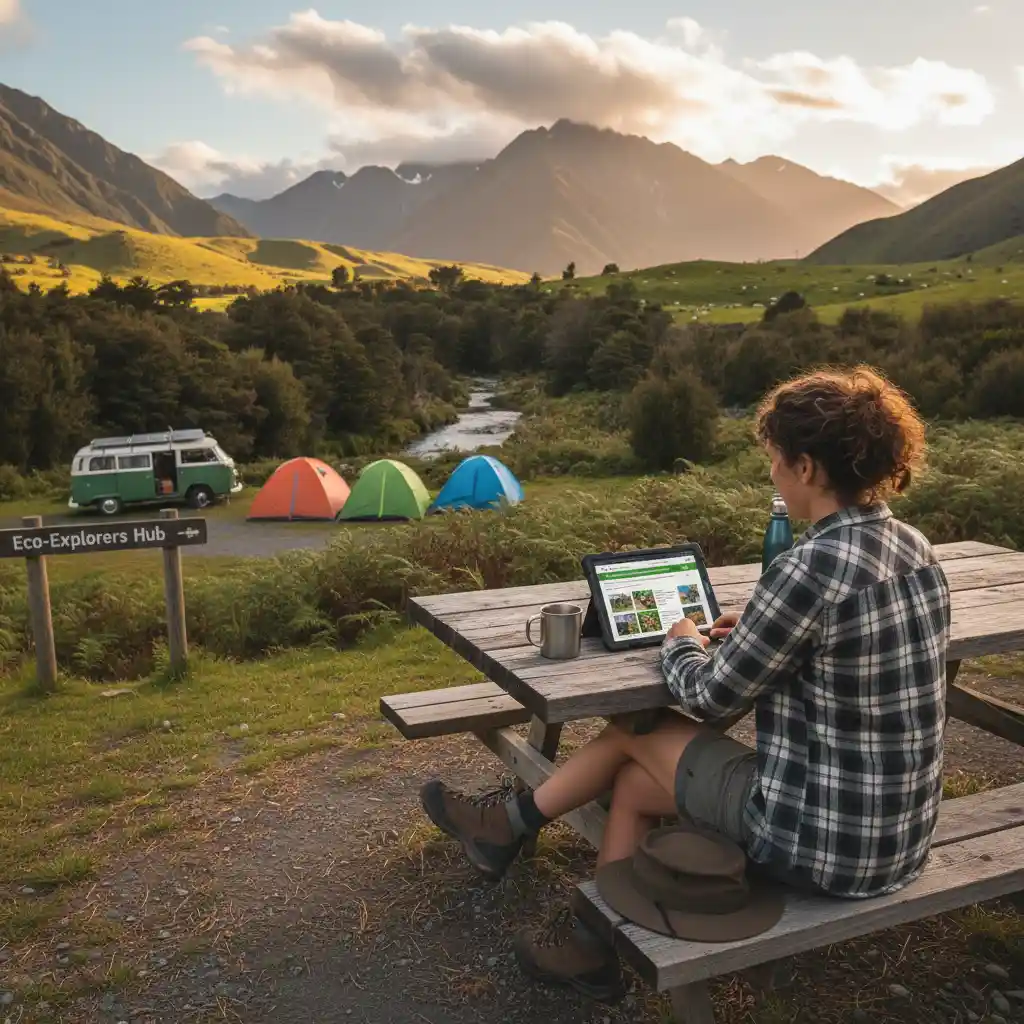
Preparing for Your Volunteer Adventure
Once you’ve found an opportunity to join local conservation, a little preparation ensures a smooth and enjoyable experience. Most groups are very welcoming and will provide clear instructions on what to expect.
Essential Gear & Mindset:
- Sturdy Footwear: Boots or robust shoes are often required for safety and comfort, especially in bush or coastal environments.
- Weather-Appropriate Clothing: New Zealand weather can be unpredictable. Layers are key, including waterproof gear.
- Water & Snacks: Stay hydrated and energized throughout your volunteer session.
- Sun Protection: A hat, sunglasses, and sunscreen are crucial, even on cloudy days.
- Enthusiasm & Openness: Be ready to learn, get a little dirty, and work as part of a team.
The satisfaction of seeing the immediate impact of your efforts, combined with the chance to experience New Zealand’s natural beauty from a new perspective, makes conservation volunteering an incredibly rewarding addition to any camping trip.
Your Conservation Action Checklist
Ready to make a difference on your next camping adventure? Use this checklist to guide your journey to join local conservation:
- Define Your Interests: What kind of conservation work appeals to you most? (e.g., coastal, forest, wildlife).
- Plan Your Camping Itinerary: Identify areas where you’ll be staying.
- Research Local Opportunities: Use DOC, local council, and conservation group websites.
- Contact Organisations: Inquire about specific dates, tasks, and requirements well in advance.
- Prepare Your Gear: Pack appropriate clothing, footwear, and personal supplies.
- Commit to the Cause: Show up on time, be engaged, and contribute positively to the team.
- Share Your Experience: Inspire friends and family to get involved!
By ticking off these steps, you’ll be well on your way to adding a meaningful layer to your New Zealand camping experiences.
Frequently Asked Questions
What kind of conservation tasks are suitable for campers?
Many tasks are suitable for campers, even without prior experience. Common activities include native tree planting, beach clean-ups, track maintenance, pest trapping, and weed removal. Organisations often provide training and tools on-site, making it accessible for everyone.
Do I need prior experience to volunteer?
Generally, no! Most conservation groups welcome volunteers of all skill levels. They provide comprehensive inductions, safety briefings, and guidance for all tasks. Your enthusiasm and willingness to help are often the most important requirements.
How can I find volunteer opportunities near my camping spot?
Start by checking the Department of Conservation (DOC) website for national projects. Also, search online for local conservation trusts, ‘Friends of’ groups, or regional council environmental initiatives specific to the area you plan to visit. Contacting visitor information centers in the region can also provide leads.
What should I bring when volunteering for conservation?
Essential items typically include sturdy footwear (e.g., tramping boots), weather-appropriate clothing (layers, waterproofs), a hat, sunscreen, water, and snacks. Some organisations might recommend work gloves, but often these are provided. Always check with the specific group beforehand.
Are there short-term volunteer options available?
Absolutely! Many groups offer flexible, short-term opportunities, ranging from a few hours to a full day, perfect for fitting into a camping itinerary. Look for ‘drop-in’ days, specific event clean-ups, or regular weekly sessions that you can join for just one instance.
References & Sources
- Department of Conservation (DOC) Te Papa Atawhai. www.doc.govt.nz
- Forest & Bird (Royal Forest and Bird Protection Society of New Zealand). www.forestandbird.org.nz
- Volunteering New Zealand. www.volunteeringnz.org.nz
- Ministry for the Environment. New Zealand’s Biodiversity. environment.govt.nz
- Various local conservation trusts and regional council environmental programmes. (Specific examples would vary by region).