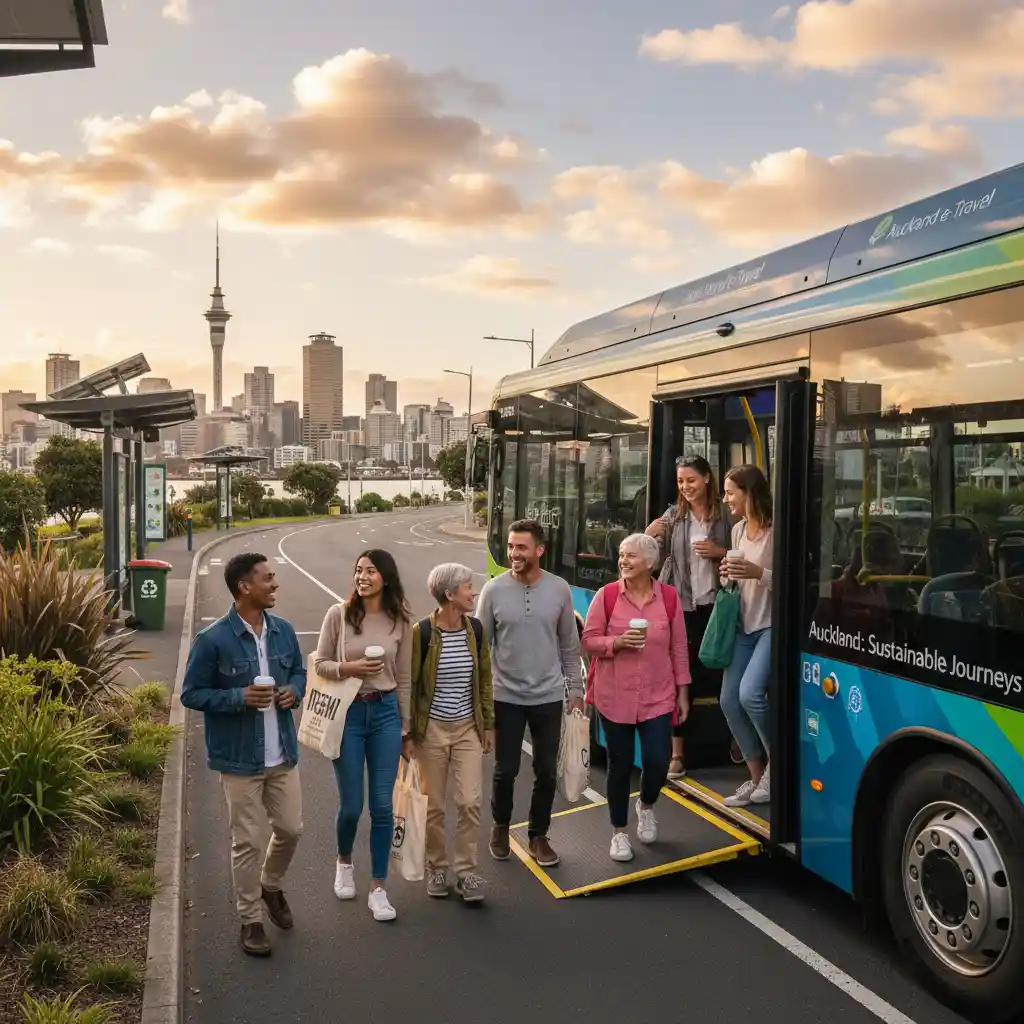
Innovative Public Transit Solutions for New Zealand Communities
As New Zealand strives for a more sustainable future, the way we move around our cities and regions is undergoing a significant transformation. Traditional transport models are being challenged by rapid urbanisation, environmental concerns, and a growing desire for efficient, accessible, and eco-friendly travel. This article delves into the exciting realm of innovative public transit solutions for New Zealand communities, exploring how smart technologies, sustainable practices, and forward-thinking urban planning are shaping the next generation of Kiwi mobility.
Table of Contents
For years, our national conversation on sustainability often centred on waste management and environmental legislation. While crucial, the focus is now broadening to encompass how our daily choices, particularly around transport, impact our ecological footprint. Efficient and innovative public transit is not just about moving people; it’s about fostering healthier communities, reducing carbon emissions, and building a resilient, future-proof Aotearoa.

The Urgent Need for Change: Current Transit Challenges in NZ
New Zealand’s transport landscape, like many developed nations, faces several pressing challenges. Congestion in major cities like Auckland and Wellington leads to lost productivity and increased stress. Our reliance on private vehicles contributes significantly to greenhouse gas emissions, directly impacting our climate goals. Furthermore, accessibility remains an issue in many regional areas and for specific demographics, highlighting inequities in our current systems.
The legacy infrastructure, largely designed around private car ownership, often falls short in supporting modern urban living and environmental aspirations. It’s clear that a business-as-usual approach won’t suffice; we need truly innovative public transit solutions for New Zealand communities to overcome these hurdles and forge a path towards sustainable mobility.
“Transitioning to a low-carbon economy requires a fundamental rethink of our transport systems. Public transit isn’t just an alternative; it’s a cornerstone of sustainable urban development and community wellbeing.”
Core Innovations Driving NZ’s Public Transit Forward
The future of public transport in New Zealand is being shaped by several exciting innovations. These solutions are not just technological upgrades; they represent a holistic approach to making transit more efficient, enjoyable, and environmentally responsible.
Electrification of Fleets: Quieter, Cleaner Journeys
One of the most impactful innovations is the widespread adoption of electric buses, ferries, and eventually, trains. Electric vehicles produce zero tailpipe emissions, contributing directly to cleaner air and reducing New Zealand’s carbon footprint. They are also quieter, enhancing urban soundscapes and passenger comfort. Major cities are already rolling out electric bus fleets, with ambitious targets for full electrification.
New Zealand aims for 100% renewable electricity generation by 2030, making electric public transport a perfectly integrated, zero-emission solution when powered by our national grid.

On-Demand and Microtransit Services: Flexibility Redefined
Moving away from rigid, fixed routes, on-demand services (often called microtransit) offer flexible, responsive transport. Passengers can book rides via an app, and vehicles dynamically adjust their routes to pick up and drop off multiple users. This model is particularly effective for bridging ‘last-mile’ gaps, serving lower-density areas, or extending public transport hours without the cost of running empty traditional routes. It represents a significant step forward in making innovative public transit solutions for New Zealand communities more user-centric.
Digital Integration and Smart Ticketing: Seamless Travel
The integration of digital platforms is revolutionising the user experience. Smart ticketing systems, real-time tracking apps, and comprehensive journey planners make public transport more accessible and less intimidating. Passengers can pay with their smartphones, track their bus or train, and plan multi-modal journeys seamlessly, removing barriers to entry and encouraging greater usage.
Integrating Active Transport: The First and Last Mile
Truly innovative public transit doesn’t stop at the bus stop or train station. It integrates seamlessly with active transport options like cycling and walking. Investments in dedicated cycleways, safe pedestrian paths, and bike-share schemes near transit hubs ensure that the ‘first and last mile’ of a journey are just as convenient and sustainable as the main leg. This holistic approach encourages healthier lifestyles and reduces reliance on private vehicles for short trips.
Beyond the Ride: Benefits of Innovative Public Transit
The adoption of innovative public transit solutions for New Zealand communities offers a cascade of benefits that extend far beyond simply getting people from A to B:
- Environmental Stewardship: Reduced greenhouse gas emissions, cleaner air, and quieter cities contribute to New Zealand’s environmental goals and a healthier planet.
- Enhanced Liveability: Less congestion, more vibrant public spaces, and improved connectivity make our towns and cities more pleasant places to live, work, and play.
- Economic Vibrancy: Efficient transit reduces commuting costs for individuals, boosts productivity, and can stimulate local economies by making areas more accessible for both workers and customers.
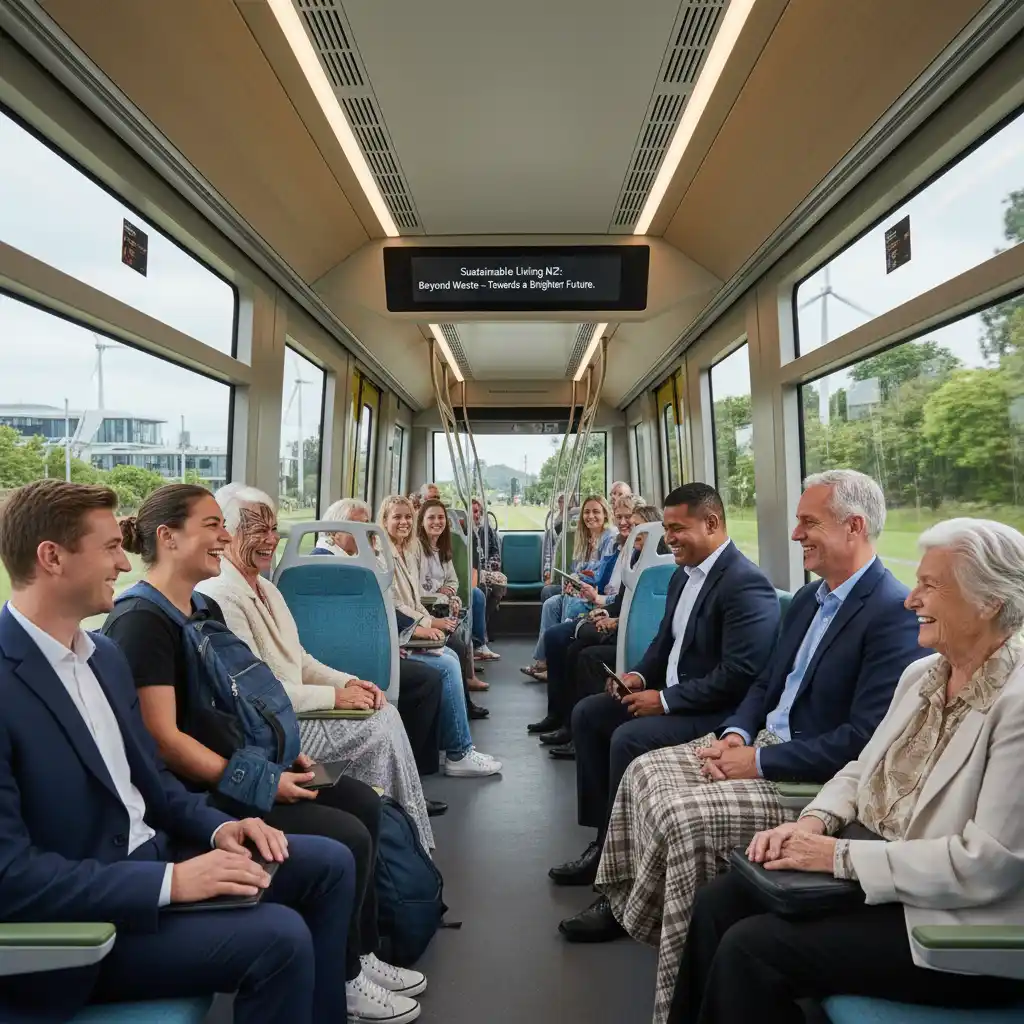
- Social Equity: Improved accessibility for all, including those without private vehicles, young people, the elderly, and those with disabilities, fosters greater social inclusion and reduces transport-related disadvantage.
NZ in Action: Pioneering Transit Initiatives
Across Aotearoa, local councils and transport agencies are already implementing innovative changes. Auckland Transport, for example, is aggressively electrifying its bus fleet and expanding its bus rapid transit (BRT) networks. Wellington’s Metlink is exploring on-demand services to complement its existing network, while cities like Christchurch are investing heavily in integrated cycleways and improved pedestrian infrastructure that connect directly to public transport nodes. These initiatives exemplify the commitment to bringing innovative public transit solutions for New Zealand communities to life.
Overcoming Hurdles: Strategies for Successful Implementation
Implementing these solutions is not without challenges. Significant investment is required in infrastructure, technology, and vehicle fleets. Public perception and behaviour change are also critical; encouraging a shift from private cars to public transport requires reliable, convenient, and appealing services. Successful strategies include:
- Integrated Planning: Ensuring transport planning is integrated with urban development and housing strategies.
- Community Engagement: Involving communities in the planning process to build support and tailor solutions to local needs.
- Flexible Funding Models: Exploring public-private partnerships and central government funding to support significant upfront investments.
- Data-Driven Decisions: Utilising data analytics to optimise routes, schedules, and service offerings.
Public support is critical. Surveys often show a high willingness to use public transport if it’s reliable, accessible, and convenient, highlighting the importance of user-centric design.
The Road Ahead: A Vision for NZ’s Transit Future
The vision for New Zealand’s public transit future is one of seamless, sustainable, and smart mobility. Imagine a future where you can plan a multi-modal journey – perhaps cycling to an on-demand electric shuttle, which connects you to an electric train, all managed via a single app and paid for with a tap of your phone. This future is not a distant dream but an achievable reality through continued investment and innovation in public transport.
Embracing a Sustainable Future
As New Zealand continues its journey towards a truly sustainable lifestyle, innovative public transit solutions for New Zealand communities will play an increasingly pivotal role. By embracing electrification, smart technologies, and integrated networks, we can create transport systems that are not only efficient and equitable but also deeply aligned with our environmental values. The commitment to transforming our public transport is a commitment to a healthier, more connected, and more sustainable Aotearoa for generations to come.

Frequently Asked Questions About Innovative Public Transit in NZ
Q: What defines “innovative” public transit?
A: Innovative public transit goes beyond traditional buses and trains by incorporating modern technology, flexible service models (like on-demand), electrification, digital integration, and seamless connections with active transport modes. The goal is to make public transport more efficient, sustainable, and appealing to a wider range of users.
Q: How do these solutions benefit the environment?
A: By shifting commuters from private vehicles to electric or low-emission public transport, these solutions significantly reduce greenhouse gas emissions, air pollution, and reliance on fossil fuels. They contribute directly to New Zealand’s climate goals and foster healthier urban environments.
Q: Are innovative public transit solutions expensive to implement?
A: Initial investment can be substantial, especially for infrastructure upgrades and new vehicle fleets. However, the long-term benefits, including reduced operational costs (e.g., fuel for electric vehicles), decreased congestion, improved public health, and economic growth, often outweigh the upfront expenses. Funding typically involves a mix of central government support, local council contributions, and potentially private partnerships.
Q: How can communities in regional New Zealand benefit?
A: Innovative solutions like on-demand microtransit can be particularly transformative for regional areas, offering flexible, cost-effective services that wouldn’t be viable with traditional fixed-route systems. They can improve accessibility for residents, connect remote communities, and support local economies by making travel to and from regional centers easier.
References & Sources
- Ministry of Transport, New Zealand. (Current Year). Te Manatū Waka: Transport Outcomes Framework. transport.govt.nz
- Auckland Transport. (Current Year). Sustainable Mobility Strategy. at.govt.nz
- NZ Green Building Council. (Current Year). Zero Carbon Roadmap for Aotearoa. nzgbc.org.nz
- International Association of Public Transport (UITP). (Current Year). Global Public Transport Trends Report. uitp.org
- Journal of Transport Geography. (Various). Articles on sustainable urban mobility. ScienceDirect.com