How Universities Embrace Green Building and LEED Standards
In an era demanding urgent action on climate change, universities worldwide are stepping up as leaders, transforming their campuses into models of sustainability. From innovative architectural designs to comprehensive waste reduction programmes, higher education institutions are at the forefront of the green revolution. A cornerstone of this transformation is the adoption of green building practices and adherence to rigorous certifications like LEED (Leadership in Energy and Environmental Design) standards.
This article delves into how universities are integrating sustainable design into their infrastructure, exploring the motivations, strategies, and profound impacts of their commitment to environmentally responsible development. Join us as we uncover the vital role these institutions play in shaping a greener future, not just through their research and teaching, but through the very fabric of their campuses.
Table of Contents
- The Imperative for Green Campuses
- What is LEED and Why Does it Matter to Universities?
- Key Strategies Universities Employ for Green Building
- Beyond Buildings: Fostering a Culture of Sustainability
- The Impact and Future of Green University Campuses
- Frequently Asked Questions About Green Universities
- References & Sources
The Imperative for Green Campuses
Universities are more than just centres of learning; they are vast, complex ecosystems with significant environmental footprints. Recognizing this, many institutions have embraced sustainable development not just as an ethical obligation but as a strategic imperative. There are several compelling reasons how universities embrace green building and LEED standards:
- Educational Mission and Role Modelling: As educators of future generations, universities have a unique opportunity to demonstrate leadership in environmental stewardship, inspiring students and the wider community.
- Operational Efficiency and Cost Savings: Green buildings are designed to be highly efficient, significantly reducing energy and water consumption. This translates into substantial long-term operational cost savings, freeing up resources for academic pursuits.
- Student Demand and Talent Attraction: Today’s students are increasingly environmentally conscious. Universities with strong sustainability commitments and green campuses are more attractive to prospective students and faculty who prioritize social and environmental responsibility.
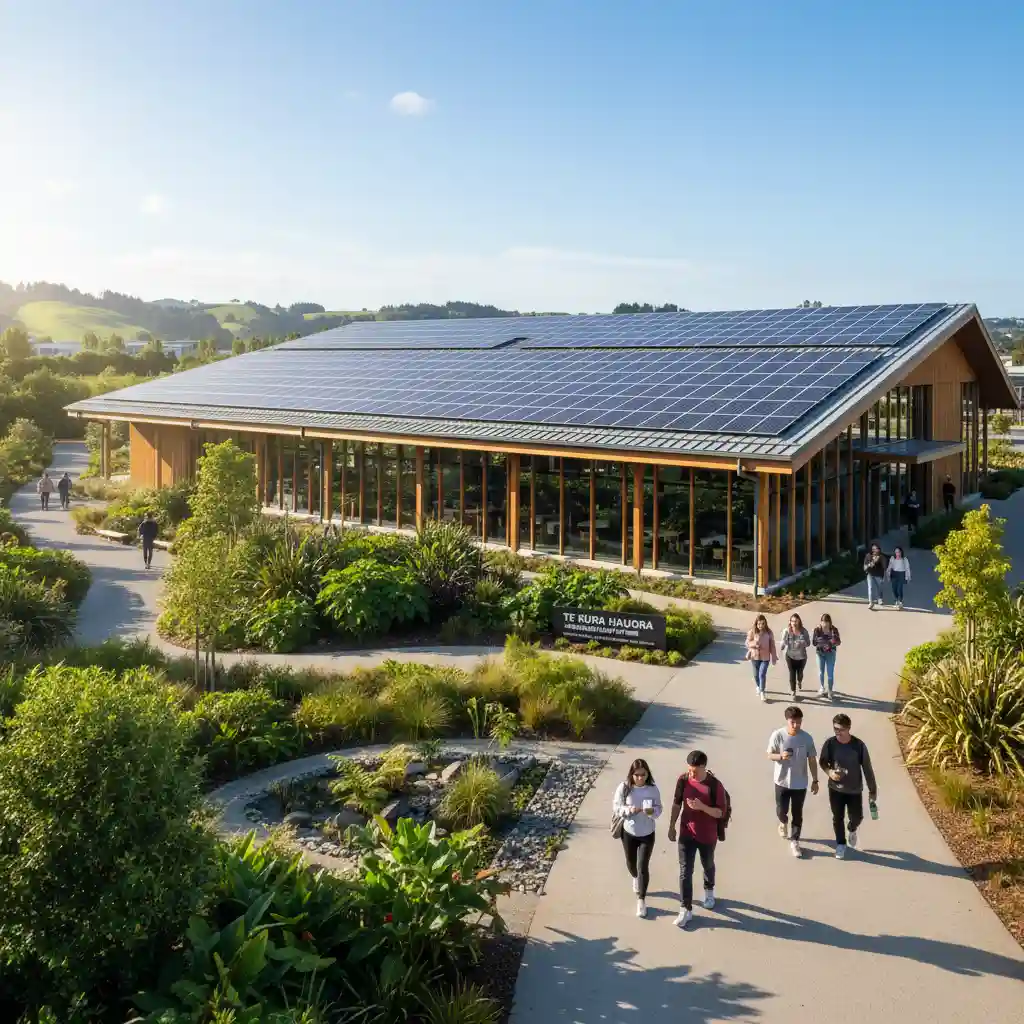
By investing in green infrastructure, universities align their values with their actions, creating environments that are healthier, more efficient, and conducive to learning and innovation.
What is LEED and Why Does it Matter to Universities?
LEED, or Leadership in Energy and Environmental Design, is the most widely used green building rating system in the world. Developed by the U.S. Green Building Council (USGBC), LEED provides a framework for healthy, highly efficient, and cost-saving green buildings. For universities, LEED offers a robust, globally recognized standard to measure and verify the sustainability of their construction and renovation projects.
Understanding LEED Certification Levels
LEED certification is earned based on a point system across several categories of environmental performance. Projects can achieve one of four certification levels:
- Certified: 40–49 points
- Silver: 50–59 points
- Gold: 60–79 points
- Platinum: 80+ points
“LEED provides a clear, verifiable framework for universities to measure and improve their environmental performance, aligning with their long-term sustainability goals and commitment to responsible land stewardship.”
These levels encourage continuous improvement and showcase a university’s dedication to exceeding baseline environmental standards. Pursuing LEED certification demonstrates a concrete commitment to sustainability that is easily communicated and understood by stakeholders.
Key Strategies Universities Employ for Green Building
To achieve LEED certification and genuinely foster a green campus, universities adopt a multi-faceted approach, focusing on every aspect of a building’s lifecycle and site integration. Here are some of the core strategies how universities embrace green building and LEED standards:
Sustainable Site Development
- Minimizing Ecological Footprint: Choosing sites that minimize disruption to natural habitats and promoting density to preserve undeveloped land.
- Green Spaces and Stormwater Management: Incorporating green roofs, permeable pavements, and native landscaping to reduce stormwater runoff and create biodiverse spaces.
Water Efficiency Initiatives
- Low-Flow Fixtures: Installing water-efficient toilets, faucets, and showers to drastically reduce indoor water use.
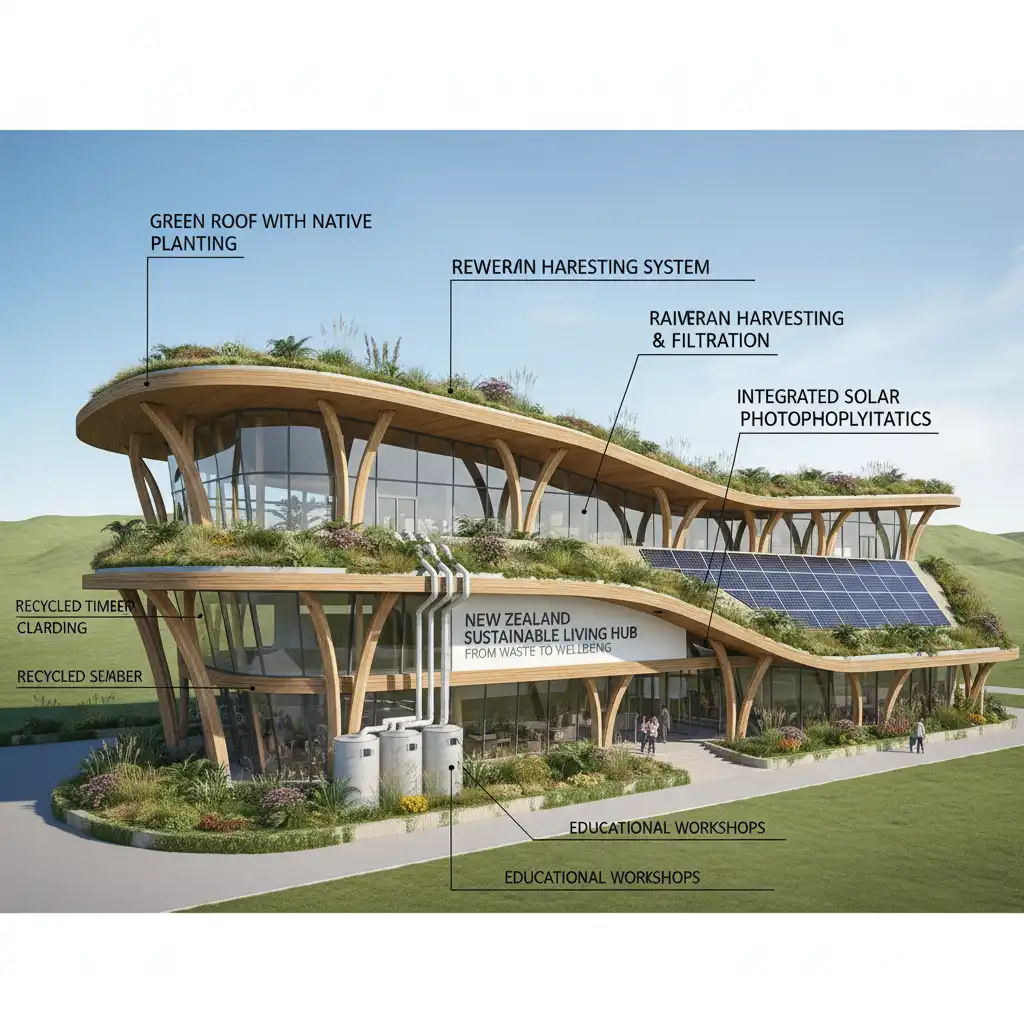
- Rainwater Harvesting: Collecting and reusing rainwater for irrigation or non-potable uses.
- Smart Irrigation Systems: Using sensors and weather data to optimize outdoor watering.
Energy and Atmosphere Innovation
- Renewable Energy Sources: Integrating solar panels, geothermal heating/cooling, and wind turbines where feasible.
- Efficient HVAC Systems: Utilizing high-efficiency heating, ventilation, and air conditioning systems.
- Smart Building Controls: Implementing automation for lighting, temperature, and ventilation to optimize energy use based on occupancy and time of day.
Stat Callout: Energy Savings
Research by the U.S. Green Building Council indicates that LEED-certified buildings use 25-30% less energy and emit 34% less carbon dioxide than conventional buildings, leading to substantial operational cost reductions and environmental benefits for universities.
Materials and Resources Selection
- Locally Sourced Materials: Prioritizing materials from regional manufacturers to reduce transportation emissions and support local economies.
- Recycled Content Materials: Using materials with significant post-consumer or pre-consumer recycled content.
- Waste Reduction During Construction: Implementing robust construction waste management plans to divert debris from landfills.
Indoor Environmental Quality
- Improved Air Quality and Ventilation: Using low-VOC (volatile organic compound) materials and advanced ventilation systems to enhance occupant health and comfort.
- Access to Natural Light and Views: Designing spaces that maximize daylighting and provide occupants with connection to the outdoors, improving well-being and productivity.
Beyond Buildings: Fostering a Culture of Sustainability
While green buildings are a physical manifestation of sustainability, universities understand that true change requires a cultural shift. Green building initiatives often serve as catalysts for broader campus-wide sustainability efforts, showcasing how universities embrace green building and LEED standards to inspire community engagement:
- Curriculum Integration: Incorporating sustainable design and environmental studies across various disciplines, utilizing green campus infrastructure as living laboratories.
- Research and Innovation: Investing in research that advances green technologies, sustainable practices, and climate solutions.
- Student Engagement and Advocacy: Empowering students to lead sustainability projects, participate in green committees, and advocate for environmental policies on campus and beyond.

This holistic approach ensures that the commitment to sustainability permeates every level of the institution, from policy-making to daily operations and individual behaviour.
The Impact and Future of Green University Campuses
The embrace of green building and LEED standards by universities yields significant positive impacts, both locally and globally:
- Reduced Carbon Footprint: Contributing directly to global efforts to mitigate climate change through lower emissions.
- Enhanced Learning Environments: Creating healthier, more comfortable, and stimulating spaces that improve student and faculty well-being and productivity.
- Leadership in Climate Action: Setting precedents and influencing other sectors to adopt sustainable practices, demonstrating that large-scale green development is achievable and beneficial.
Stat Callout: Global Reach
As of recent reports, there are over 1,200 LEED-certified university projects globally, encompassing more than 170 million square feet of green building space, showcasing a significant and growing commitment to sustainable infrastructure in higher education worldwide.

The future of university campuses is undeniably green. As technology evolves and the urgency of environmental challenges grows, we can expect even more innovative approaches to sustainable design, net-zero energy buildings, and resilient infrastructure. Universities will continue to be vital incubators for solutions and exemplars for a sustainable world.
Conclusion
Universities are not just adapting to the demands of sustainability; they are actively shaping its future. By meticulously implementing green building practices and achieving rigorous LEED certifications, they are demonstrating a powerful commitment to environmental stewardship. This commitment extends beyond physical structures, permeating curriculum, research, and campus culture, inspiring a new generation to build a more sustainable world. Their efforts highlight that educational institutions are crucial drivers in the global transition towards a greener, more resilient future, showcasing precisely how universities embrace green building and LEED standards to make a tangible difference.
Frequently Asked Questions About Green Universities
What are the main benefits for universities to adopt green building standards?
Universities benefit from reduced operating costs (energy, water), enhanced institutional reputation, improved indoor environmental quality for students and staff, and the opportunity to serve as a living laboratory for sustainability education and research.
Is LEED the only green building certification used by universities?
While LEED is the most widely recognized and used global standard, universities also utilize other certifications depending on their location and specific goals, such as BREEAM (UK), Green Star (Australia/NZ), or local green building programmes.
How do green buildings impact student well-being and academic performance?
Green buildings often feature better indoor air quality, increased natural light, and access to outdoor views. These elements have been linked to improved cognitive function, reduced stress, and overall enhanced comfort, which can positively impact student well-being and academic focus.
What role do students play in campus green building initiatives?
Students often play a crucial role through advocacy, participating in campus sustainability committees, conducting research projects related to green building, and even initiating and managing recycling or energy-saving campaigns within residence halls and academic buildings.
Are green buildings more expensive to build for universities?
While some green features might entail higher upfront costs, studies consistently show that green buildings offer significant life-cycle cost savings through reduced energy and water consumption, lower maintenance, and increased durability. The long-term financial and environmental benefits often outweigh initial investments.
References & Sources
- U.S. Green Building Council (USGBC) – www.usgbc.org (Information on LEED certification and statistics)
- Higher Education Sustainability Initiative (HESI) Reports – sustainabledevelopment.un.org (Insights into global university sustainability efforts)
- Journal of Green Building, various articles (Academic research on green building performance and impact)
- Sustainability in Higher Education publications (Analyses of sustainability strategies and outcomes in educational institutions)
- World Green Building Council (WorldGBC) – www.worldgbc.org (Global green building trends and impact)