How to Evaluate Sustainable Seafood Certification Programs
The ocean is a vital heart of our planet, providing sustenance and supporting incredible biodiversity. Yet, overfishing and destructive practices threaten its delicate balance. As conscious consumers, we’re increasingly looking for ways to make choices that support ocean health – and sustainable seafood certifications often seem like the answer. But with a sea of labels out there, how do you truly know which ones make a difference?
This comprehensive guide will equip you with the knowledge to confidently evaluate sustainable seafood certification programs, cutting through the confusion to help you choose wisely for our oceans, right here in Aotearoa and beyond.
Table of Contents
- Why Sustainable Seafood Matters for Aotearoa
- Understanding Seafood Certification: The Basics
- How to Evaluate Sustainable Seafood Certification Programs
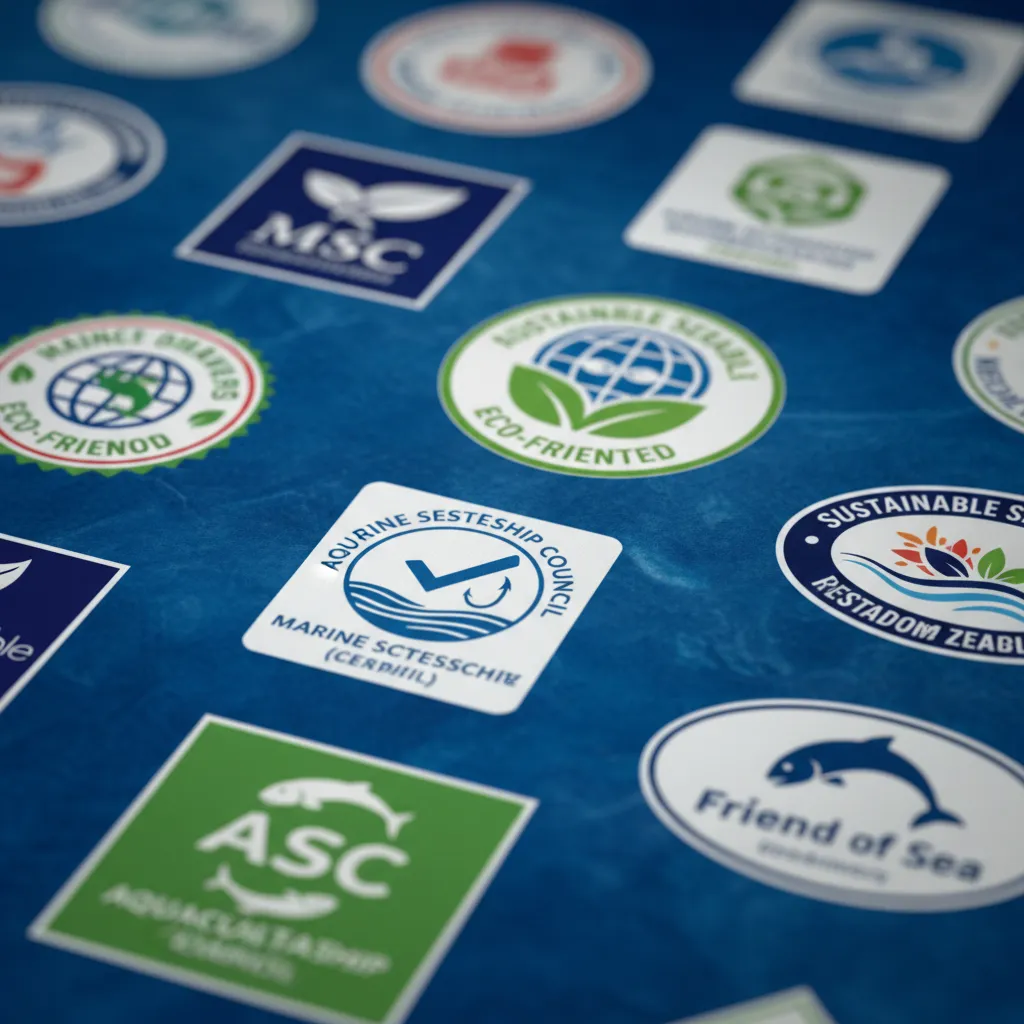
- Key Global & Regional Certification Programs
- Making Informed Choices for Ocean Health
- Frequently Asked Questions (FAQ)
- References & Further Reading
Why Sustainable Seafood Matters for Aotearoa
New Zealand, with its vast Exclusive Economic Zone, relies heavily on healthy marine ecosystems for both its economy and cultural identity. From our iconic kaimoana to our stunning coastal tourism, the health of our oceans is paramount. Unfortunately, global seafood demand continues to escalate. The FAO estimates that one-third of global fish stocks are overfished, with many more at their biological limits. This global crisis directly impacts local fish populations, marine biodiversity, and the livelihoods of fishing communities.
“Choosing sustainable seafood isn’t just about environmental responsibility; it’s about safeguarding a future where our oceans continue to thrive and provide for generations to come.”
Understanding Seafood Certification: The Basics
Seafood certification programs are essentially third-party assessments that verify whether a fishery or aquaculture operation meets specific environmental and social standards. These programs aim to provide consumers with an easy way to identify seafood produced in a responsible manner. However, not all certifications are created equal, and their robustness can vary significantly.
They typically cover aspects like:
- Stock Health: Ensuring fish populations are maintained at healthy, productive levels.
- Ecosystem Impacts: Minimising negative effects on marine habitats and non-target species.
- Effective Management: Implementing robust management systems that adapt to scientific advice.
- Social Responsibility: Addressing labour practices and community welfare (though this varies greatly by program).
How to Evaluate Sustainable Seafood Certification Programs
When faced with a certified product, consider these critical steps to properly evaluate sustainable seafood certification programs and determine their credibility:
Step 1: Scrutinise Transparency and Rigour
A truly credible certification program operates with utmost transparency. Can you easily access their standards, assessment methodologies, and audit reports? Look for programs that:
- Publicly share detailed assessment outcomes and conditions for certification.
- Involve independent, accredited third-party auditors.
- Have a robust scientific basis for their standards, regularly updated with new research.
Lack of public information is a major red flag.
Step 2: Assess Scope and Standards
What exactly does the certification program cover? Some focus solely on wild capture fisheries, others on aquaculture, and some attempt to cover both. Crucially, examine the stringency of their standards:
- Environmental Criteria: Do they address overfishing, bycatch, habitat destruction, pollution, and climate change impacts comprehensively?
- Social Criteria: While less common, some programs integrate elements of fair labour practices, community engagement, and food security.
- Specificity: Are the standards generic, or do they adapt to different species, fishing methods, and regional ecosystems?
Step 3: Consider Governance and Stakeholder Engagement
Who runs the program, and who has a voice in its development? A strong certification program should have:
- Independent Governance: Separation between standard-setting, auditing, and certification decisions.
- Multi-stakeholder Input: Engagement with environmental NGOs, industry representatives, scientists, and local communities. This ensures a balanced perspective and avoids industry capture.
- Non-profit Status: Many leading programs are non-profits, which can contribute to greater trust and a focus on mission over profit.

Step 4: Verify Traceability and Auditing
A label on a package is only as good as the system behind it. Can the product be traced back to the certified fishery or farm? Effective traceability systems:
- Ensure chain of custody from ocean/farm to plate.
- Include regular, unannounced audits to verify compliance.
- Have mechanisms for addressing non-compliance and suspending certification.
Without robust traceability, the integrity of the entire program is compromised.
Step 5: Understand Regional Relevance and Local Context
While global standards are useful, local conditions matter. A program that works well in one region might not be perfectly suited to another. Consider:
- Does the program acknowledge and incorporate local ecological factors, traditional fishing practices (e.g., Māori kaimoana traditions in NZ), and regional management frameworks?
- Are there local versions or specific recommendations for your area (like the Monterey Bay Aquarium Seafood Watch, which is regionally adaptive)?
Key Global & Regional Certification Programs
Here’s a brief overview of some prominent programs you might encounter when looking to evaluate sustainable seafood certification programs:
Marine Stewardship Council (MSC)
The MSC is one of the most widely recognised certifications for wild-caught seafood. It uses a science-based standard based on three core principles: sustainable fish stocks, minimising environmental impact, and effective fisheries management.
Aquaculture Stewardship Council (ASC)
The ASC certifies farmed seafood against a set of robust environmental and social requirements. It addresses impacts such as water quality, responsible feed sourcing, disease management, and community relations.
Best Aquaculture Practices (BAP)
The BAP program, from the Global Aquaculture Alliance, certifies aquaculture facilities at various points in the production chain, including farms, hatcheries, feed mills, and processing plants. It covers environmental responsibility, social accountability, food safety, and animal health and welfare.
Monterey Bay Aquarium Seafood Watch (Guide)
While not a certification, Seafood Watch provides highly respected recommendations for sustainable seafood. It’s a consumer guide that rates seafood as ‘Best Choice,’ ‘Good Alternative,’ or ‘Avoid’ based on scientific assessments of fishing and farming practices, often with region-specific guides.
Comparison of Leading Seafood Certification Programs
| Feature | MSC (Wild) | ASC (Farmed) | BAP (Farmed) | Seafood Watch (Guide) |
|---|---|---|---|---|
| Primary Focus | Wild-capture fisheries | Aquaculture (farmed seafood) | Aquaculture supply chain | Consumer recommendations |
| Standards Basis | Science-based, 3 principles | Rigorous environmental & social | Environmental, social, food safety, animal welfare | Scientific assessment, species & region-specific |
| Governance | Independent non-profit | Independent non-profit | Global Aquaculture Alliance | Monterey Bay Aquarium |
| Traceability | Chain of Custody (CoC) certified | Chain of Custody (CoC) certified | Certified processing plants | Provides guidance, no direct CoC |
| Global Recognition | High | Growing | Moderate to High | High (especially in North America) |
Making Informed Choices for Ocean Health
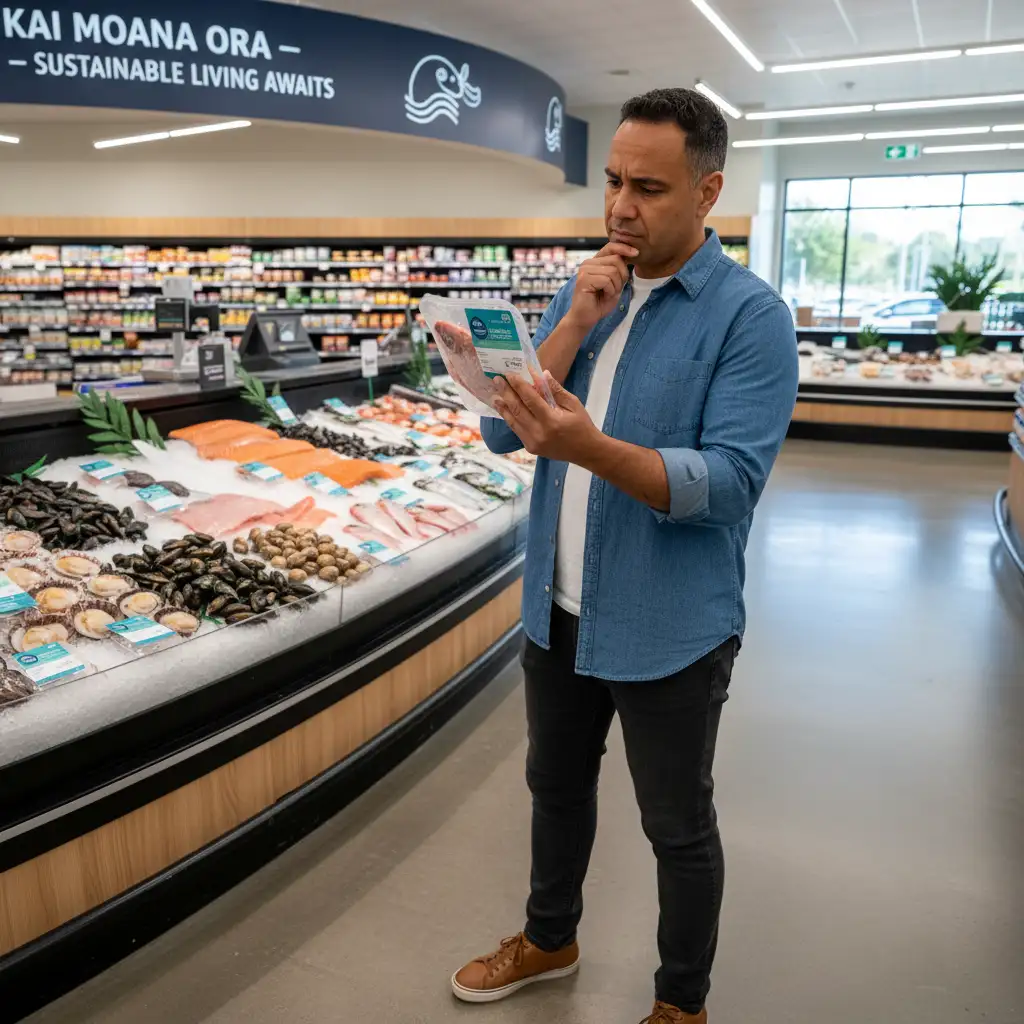
While navigating the world of sustainable seafood can feel complex, understanding these evaluation criteria empowers you to make genuinely impactful choices. Don’t be afraid to ask questions at your local fishmonger or supermarket: “Is this seafood certified? Which program? Can you tell me more about it?” Your informed choices send a powerful message to the seafood industry, driving demand for truly sustainable practices.
By actively participating in this shift, New Zealand consumers can play a crucial role in promoting ocean health and ensuring our beloved kaimoana remains abundant for generations to come. Continue to educate yourself, support credible certifications, and advocate for transparent and responsible seafood sourcing.
Frequently Asked Questions (FAQ)
What does ‘sustainable seafood’ actually mean?
Sustainable seafood refers to fish or shellfish caught or farmed in ways that consider the long-term viability of the species, the health of the marine ecosystem, and the livelihoods of fishing and farming communities. It aims to minimise negative environmental and social impacts.
Are all seafood certifications equally reliable?
No, not all seafood certifications are equally reliable. Their credibility varies based on factors like transparency, the scientific rigour of their standards, independence of governance, and the robustness of their auditing and traceability systems. It’s important to know how to evaluate sustainable seafood certification programs yourself.
Why should I bother with certified seafood?
Choosing certified seafood helps you support fisheries and farms that are committed to responsible practices. It contributes to combating overfishing, protecting marine habitats, reducing pollution, and promoting fair labour conditions. Your purchasing power signals demand for sustainable options.
How do I know if a certification is legitimate?
Look for certifications that are transparent (publicly available standards and reports), scientifically robust, independently governed, involve multiple stakeholders (NGOs, scientists, industry), and have strong chain of custody traceability. Organisations like the Seafood Watch guide can also help verify the credibility of different labels.
What if I can’t find certified seafood in my area?
If certified options are scarce, consider using regional consumer guides like Monterey Bay Aquarium Seafood Watch, which often provide recommendations for locally available species. You can also talk to your local fishmonger about their sourcing practices and advocate for more sustainable options.
References & Further Reading
- Food and Agriculture Organization of the United Nations (FAO). The State of World Fisheries and Aquaculture (SOFIA). (Annual Report). Accessible via FAO Fisheries Division.
- Marine Stewardship Council. Our Standard. Accessible via MSC Website.
- Aquaculture Stewardship Council. ASC Standards. Accessible via ASC Website.
- Global Aquaculture Alliance. Best Aquaculture Practices (BAP). Accessible via BAP Website.
- Monterey Bay Aquarium Seafood Watch. About Us. Accessible via Seafood Watch Website.
- WWF New Zealand. Sustainable Seafood Guide. Accessible via WWF-NZ Website.