Greener Journeys: Embracing Electric Transit in NZ
Aotearoa New Zealand stands at a pivotal moment, transitioning from a focus on technical waste management to embracing a broader sustainable lifestyle. As we collectively strive for a healthier planet, our daily commutes and travel choices play a crucial role. This is where Greener Journeys: Embracing Electric Transit in NZ comes into sharp focus, offering a vibrant pathway to a more sustainable future.
No longer a futuristic dream, electric transit is becoming an accessible reality for Kiwis, promising cleaner air, quieter streets, and significant long-term savings. Join us as we explore the exciting world of electric vehicles, e-bikes, and public transport, and discover how every New Zealander can contribute to a greener, more sustainable Aotearoa.
Table of Contents
- 1. Why Electric Transit is Crucial for New Zealand
- 2. The State of Electric Vehicles (EVs) in Aotearoa
- 3. The Advantages and Considerations of Going Electric
- 4. Government Initiatives and Future Outlook
- 5. Practical Steps for Embracing Electric Transit
- 6. Conclusion: Paving the Way for Greener Journeys
- 7. Frequently Asked Questions (FAQ)
- 8. References/Sources
1. Why Electric Transit is Crucial for New Zealand
New Zealand’s commitment to sustainability extends deeply into our transport sector. With our reliance on fossil fuels for much of our mobility, transitioning to electric transit is not just an option, but a vital step towards achieving our national climate goals and fostering a healthier environment for all.
1.1. Reducing Our Carbon Footprint
Transport is one of New Zealand’s largest sources of greenhouse gas emissions. By embracing electric vehicles (EVs), electric bikes, and electric public transport, we can significantly reduce these emissions. Given that New Zealand generates a high percentage of its electricity from renewable sources (hydro, wind, geothermal), the emissions associated with charging an EV here are considerably lower than in many other countries.
“Every journey taken in an electric vehicle powered by New Zealand’s renewable energy mix is a step towards a cleaner, greener Aotearoa.”
1.2. Economic Benefits for Kiwis
Beyond environmental advantages, electric transit offers tangible economic benefits. Reduced reliance on imported fossil fuels strengthens our economy, while lower running costs – especially with rising petrol prices – translate to significant savings for households and businesses. EVs also typically require less maintenance due to fewer moving parts compared to internal combustion engine (ICE) vehicles.
2. The State of Electric Vehicles (EVs) in Aotearoa
The landscape of electric transit in New Zealand is evolving rapidly. From a niche market a few years ago, EVs are now a common sight on our roads, supported by a growing network of charging solutions.
2.1. Growth and Adoption Rates
Stat Callout:
As of late 2023, the number of EVs on New Zealand roads surpassed 100,000, showcasing a rapid uptake driven by consumer interest and government incentives.
The rise in EV registrations has been remarkable. Factors such as the now-phased-out Clean Car Discount, increased model availability, and growing awareness of environmental benefits have contributed significantly to this surge. Businesses are also increasingly electrifying their fleets, further cementing the presence of EVs.
2.2. Charging Infrastructure: Powering Up NZ
A robust charging infrastructure is key to supporting widespread EV adoption. New Zealand has seen a steady expansion of public charging stations, with fast chargers available along major routes and in urban centres. Home charging, however, remains the primary method for most EV owners, offering convenience and often lower off-peak electricity rates.
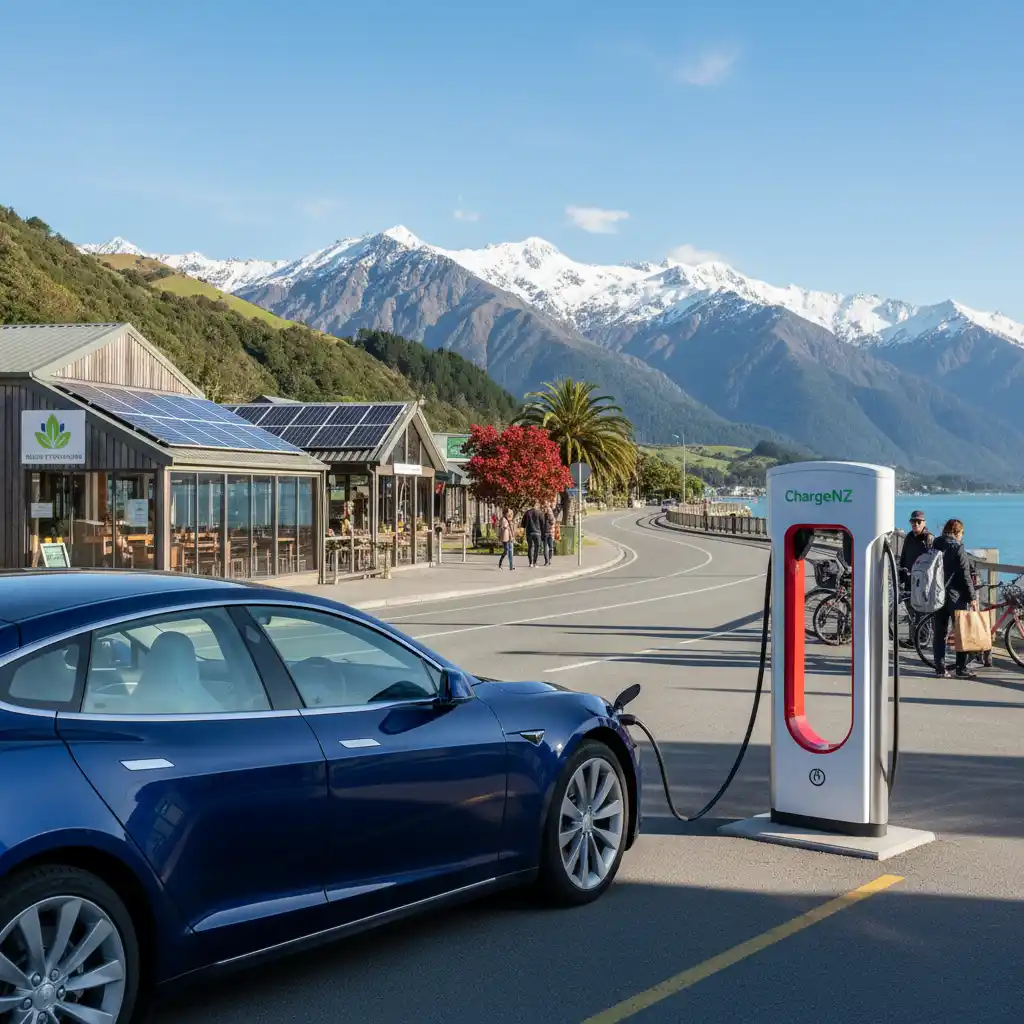
The government and private companies continue to invest in expanding this network, aiming to eliminate ‘range anxiety’ and make long-distance electric travel seamless across the country.
3. The Advantages and Considerations of Going Electric
Deciding to make the switch to electric transit involves weighing various factors. Here’s a balanced look at the pros and cons.
3.1. Pros: Driving Towards a Sustainable Future
- Reduced Emissions: Drive with peace of mind knowing you’re contributing to cleaner air. In NZ, an EV reduces emissions by around 80% compared to a petrol car.
- Lower Running Costs: Electricity is significantly cheaper per kilometre than petrol. An average EV costs roughly $0.04 – $0.06 per km to fuel, versus $0.15 – $0.20 for petrol.
- Quieter & Smoother Ride: Electric motors offer instant torque and a remarkably quiet driving experience, enhancing comfort.
- Lower Maintenance: Fewer moving parts mean less wear and tear and fewer routine service items like oil changes.
- Government Support: While the Clean Car Discount has ended, ongoing initiatives like charging infrastructure investment continue to support EV adoption.
3.2. Cons: Navigating the Challenges
- Higher Upfront Cost: New EVs can still be more expensive than comparable ICE vehicles, though this gap is closing, especially with used imports.
- Range Anxiety: While improving, concerns about battery range on longer journeys persist for some, particularly in rural areas.
- Charging Time: Fast charging is quicker, but still takes longer than refuelling a petrol car. Home charging can take several hours.
- Battery Life & Replacement: While EV batteries are designed to last, their eventual degradation and replacement cost can be a consideration, though most come with long warranties.
- Infrastructure Gaps: While expanding, some remote areas still lack convenient public charging options.
4. Government Initiatives and Future Outlook
The New Zealand government plays a significant role in encouraging the shift to electric transit. While programmes like the Clean Car Discount have concluded, the focus remains on building an enabling environment.
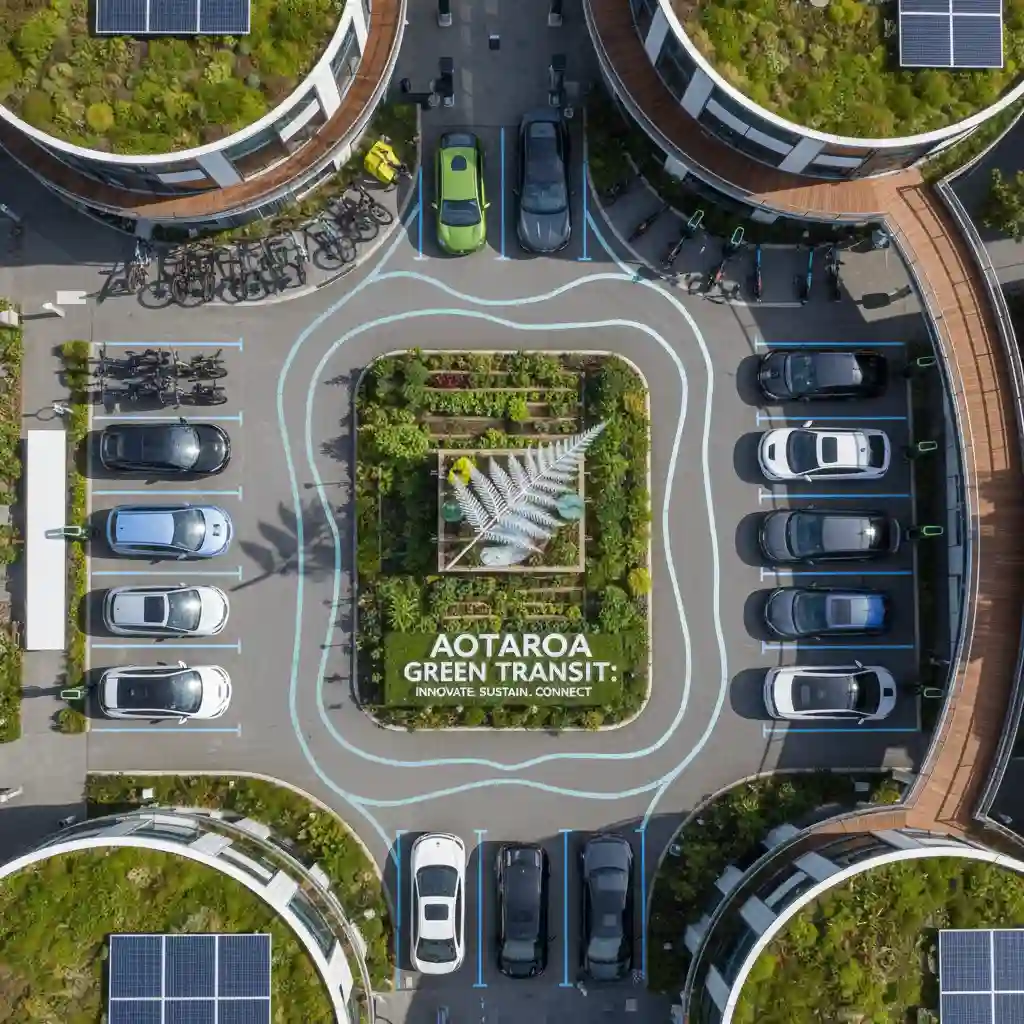
Current and future initiatives include continued investment in public charging infrastructure, promoting innovation in green transport technologies, and setting ambitious targets for fleet electrification. The long-term vision is a New Zealand where electric transport is the norm, supported by a resilient, renewable energy grid. Partnerships with local councils and private sector innovators are key to accelerating this transformation.

5. Practical Steps for Embracing Electric Transit
Ready to embark on your own greener journey? Here are some practical steps to consider:
- Assess Your Needs: Consider your daily commute, typical travel distances, and budget. An EV might be perfect, or an e-bike could be a great solution for shorter trips.
- Research EV Models: Explore the growing range of new and used EVs available in NZ. Look at battery range, features, and charging compatibility.
- Understand Charging: Plan your home charging setup (standard outlet vs. dedicated wall charger) and familiarise yourself with the public charging network using apps like PlugShare.
- Explore E-bikes and Scooters: For urban dwellers or those with shorter commutes, e-bikes and electric scooters offer a fantastic, low-cost, and emission-free alternative.
- Utilise Public Transport: Support and utilise electric or low-emission public transport options where available in your region.
6. Conclusion: Paving the Way for Greener Journeys
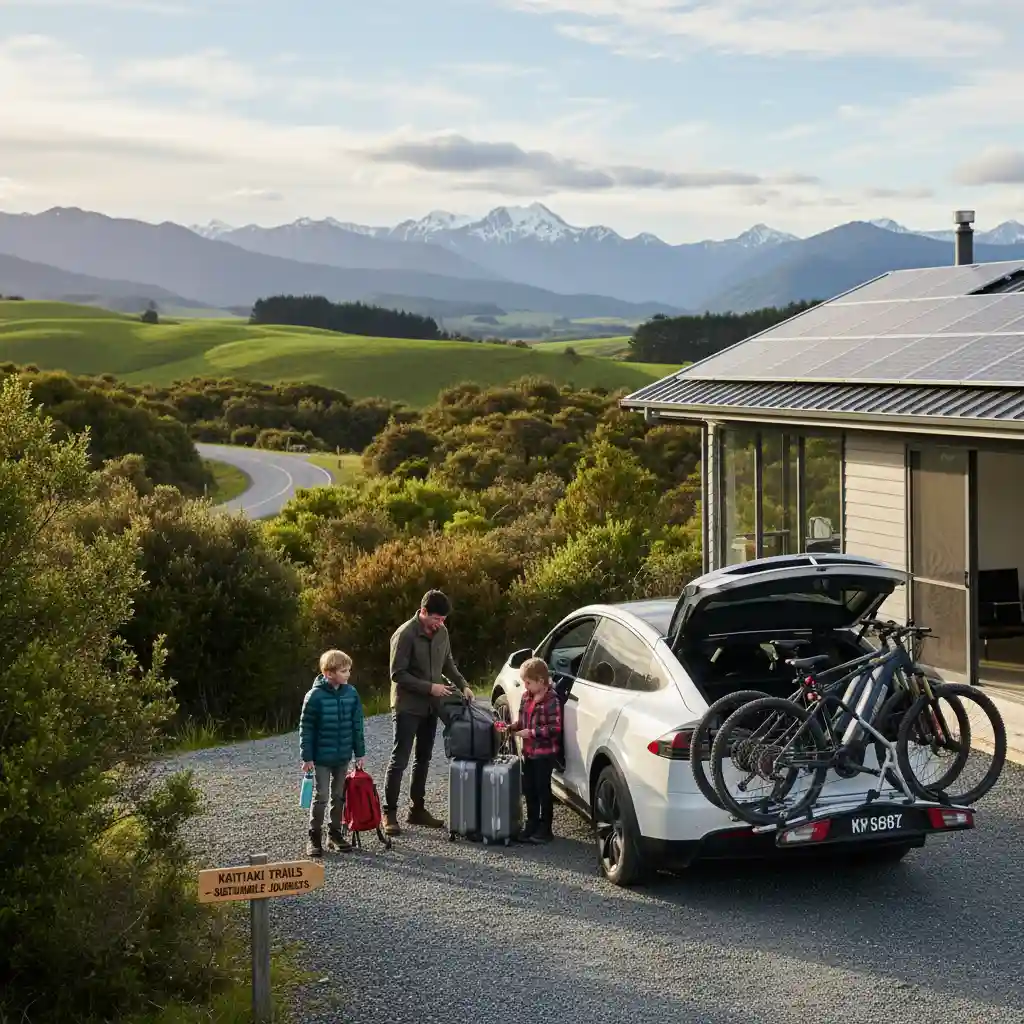
Embracing electric transit is a powerful way for New Zealanders to contribute to a sustainable future, moving beyond abstract policy to tangible, everyday actions. From the economic benefits for individual households to the profound impact on our national carbon footprint, the advantages are clear.
As our country continues its transition towards a broader sustainable lifestyle, making the switch to electric vehicles, e-bikes, and supporting electric public transport signifies a collective commitment to protecting Aotearoa’s unique environment. Your next journey can indeed be a greener one.
7. Frequently Asked Questions (FAQ)
Q: Are electric vehicles truly greener in New Zealand, given electricity generation?
A: Yes, absolutely. New Zealand generates over 80% of its electricity from renewable sources like hydro, geothermal, and wind. This means that charging an EV in NZ results in significantly lower emissions (estimated around 80% less) compared to a petrol car over its lifecycle, making it a much greener choice.
Q: How far can an average EV go on a single charge in New Zealand?
A: The range of EVs varies greatly by model and battery size. Many modern EVs offer ranges between 300km to 500km on a full charge, which is sufficient for most daily commutes and even longer trips across New Zealand with strategic planning around public charging stations.
Q: Is New Zealand’s charging infrastructure sufficient for long-distance travel?
A: New Zealand has a rapidly expanding network of public charging stations, including fast chargers along main highways and in most towns. While some remote areas may still have gaps, careful planning using apps like PlugShare can ensure a smooth long-distance journey. The government and private sector continue to invest heavily in expanding this network.
Q: What are the main financial incentives for buying an EV in NZ?
A: While the Clean Car Discount has ended, buyers of new and used EVs still benefit from significant savings on fuel costs compared to petrol vehicles. Additionally, some local councils or electricity providers may offer specific incentives, and the overall reduced maintenance costs contribute to long-term financial benefits.
8. References/Sources
- Ministry of Transport. (Annual Reports). New Zealand’s Vehicle Fleet Statistics.
- Energy Efficiency and Conservation Authority (EECA). (Various publications). Electric Vehicles in New Zealand.
- Drive Electric. (Ongoing data). EV Statistics and Charging Infrastructure.
- Transpower New Zealand. (Reports). Future of the Grid: Supporting EV Growth.
- Stats NZ. (Environmental Accounts). Greenhouse Gas Emissions from Transport.