Green Technology: Boosting Jobs in Renewable Energy & Beyond
Explore how New Zealand’s commitment to green technology is creating a vibrant job market, driving innovation, and building a sustainable future across diverse sectors.

Table of Contents
- Introduction: The Green Revolution’s Job Boom
- The Rise of Green Technology in New Zealand
- Renewable Energy: A Powerhouse for Employment
- Beyond Renewables: Diverse Green Tech Sectors
- Skills for the Green Economy: What’s Needed?
- Government Support and Initiatives
- The Dual Benefits: Economic Growth & Environmental Stewardship
- The Future is Green: A Sustainable Career Path
- Frequently Asked Questions (FAQ)
- References & Sources
Introduction: The Green Revolution’s Job Boom
The global shift towards sustainability isn’t just about protecting our planet; it’s a powerful engine for economic growth and job creation. Here in New Zealand, the burgeoning sector of green technology is rapidly transforming industries, paving the way for a resilient, eco-friendly future.
From pioneering advancements in renewable energy to innovative solutions in waste management and sustainable agriculture, green technology is more than just an environmental imperative – it’s a significant job booster. This article delves into how this exciting field is creating new career opportunities and shaping a brighter future for Aotearoa.
The Rise of Green Technology in New Zealand
New Zealand has long prided itself on its clean, green image. This national identity is now translating into tangible investments and policies aimed at accelerating the adoption of green technology. The focus is clear: transition away from fossil fuels, reduce waste, and develop sustainable practices across all sectors.
This commitment fosters a fertile ground for innovation, attracting investment in sustainable solutions that not only address climate change but also generate substantial economic benefits, including a vibrant new job market.
“New Zealand’s journey towards a net-zero future is inherently linked to its ability to embrace and develop cutting-edge green technologies. This isn’t just about environmental compliance; it’s about competitive advantage and creating enduring prosperity.”
Renewable Energy: A Powerhouse for Employment
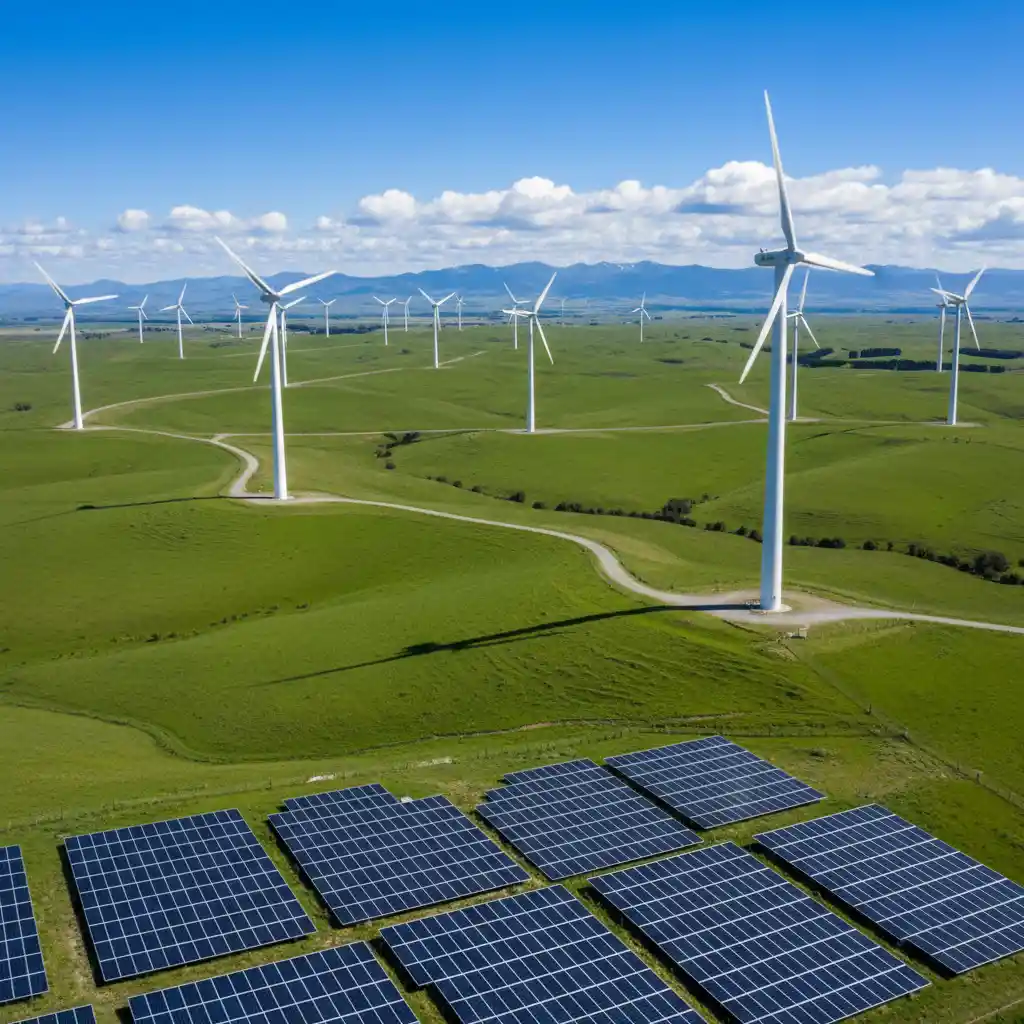
The renewable energy sector stands at the forefront of the green technology revolution, offering a diverse array of jobs from engineers and technicians to project managers and researchers. New Zealand’s abundant natural resources make it an ideal location for harnessing clean power.
Solar, Wind, and Geothermal Energy
The expansion of solar farms, wind turbine installations, and geothermal power plants is directly creating thousands of jobs. These roles span the entire project lifecycle, from initial design and manufacturing to installation, operation, and maintenance.
⚡ Stat Callout:
Estimates suggest that for every $1 million invested in renewable energy projects, approximately 8-10 direct and indirect jobs are created, significantly outpacing fossil fuel industries. This highlights the potency of green technology boosting jobs in renewable energy and beyond.
Hydroelectric Power and Innovation
As a nation already heavily reliant on hydroelectric power, innovation in this established sector focuses on efficiency upgrades, smart grid integration, and environmental impact mitigation. These areas require specialists in hydrological engineering, environmental science, and smart grid technology.
Beyond Renewables: Diverse Green Tech Sectors
While renewable energy often takes the spotlight, the reach of green technology extends much further, creating unique job opportunities across various industries committed to sustainability.
Sustainable Waste Management & Circular Economy
Transitioning from traditional waste disposal to a circular economy model demands new technologies and skilled professionals. This includes roles in waste-to-energy conversion, advanced recycling facilities, compost engineering, and product lifecycle analysis. New Zealand’s commitment to reducing landfill waste is driving significant innovation and job growth in this area.
Green Building & Sustainable Architecture
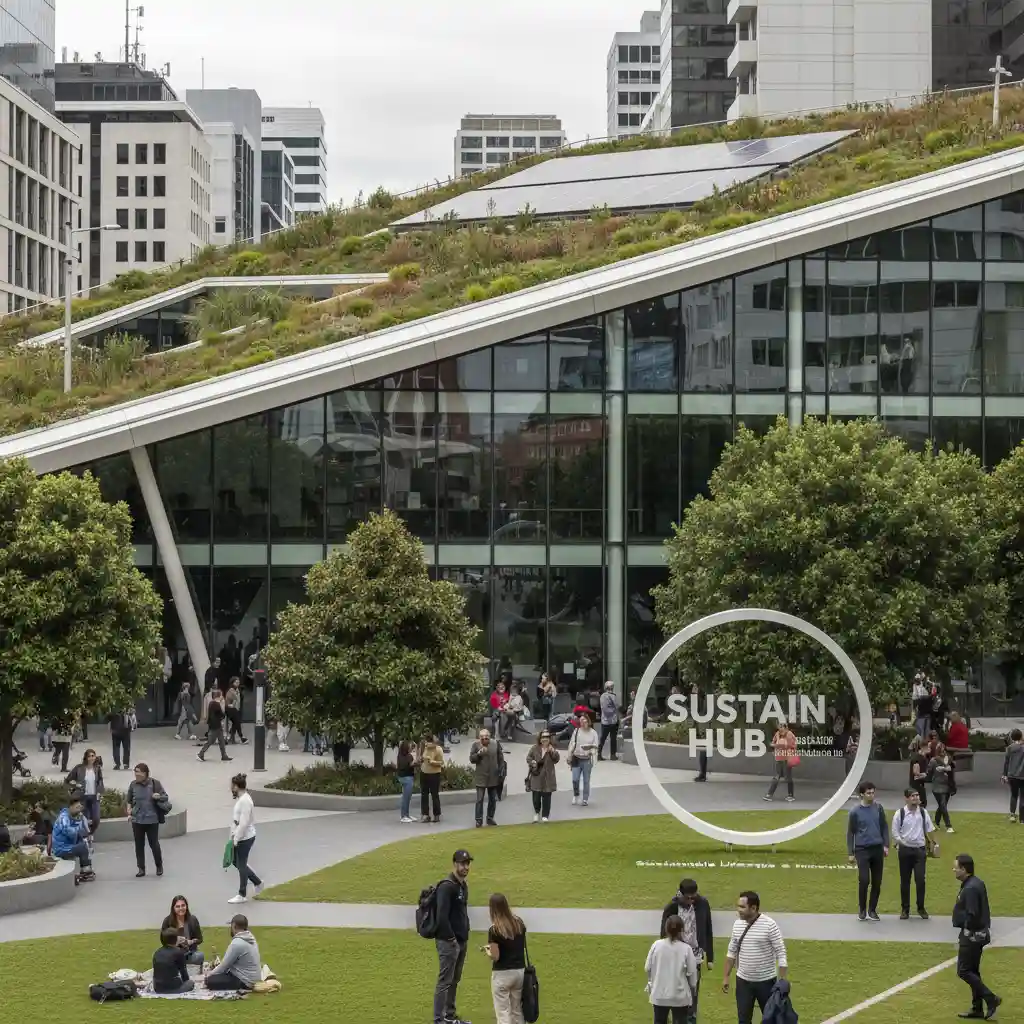
The construction sector is embracing sustainable practices, leading to a demand for green architects, LEED-certified contractors, energy efficiency consultants, and material scientists. These professionals focus on designing and constructing buildings that minimise environmental impact, consume less energy, and provide healthier living spaces.
Eco-Agriculture & Sustainable Aquaculture
New Zealand’s primary industries are innovating to meet global demands for sustainable food production. This includes jobs in precision agriculture, organic farming, land remediation, sustainable fisheries management, and aquaculture technology. Biotechnology and data analysis are playing crucial roles in these advancements.
Skills for the Green Economy: What’s Needed?
The expanding green economy requires a blend of traditional and cutting-edge skills. While specific technical expertise is crucial, broader competencies are also highly valued:
- Technical Skills: Engineering (electrical, mechanical, civil, environmental), data analytics, software development, renewable energy system installation and maintenance, resource management, chemistry, biology.
- Soft Skills: Problem-solving, innovation, critical thinking, project management, collaboration, communication, adaptability, and a strong understanding of sustainability principles.
- Cross-Disciplinary Knowledge: An ability to understand how different systems interact – for example, how energy production impacts water resources or how waste management integrates with agricultural practices.
💡 Insight:
Educational institutions and vocational training providers are increasingly offering specialised courses in sustainable technology, environmental management, and renewable energy, aligning their curricula with the demands of the evolving green job market. This proactive approach ensures a steady pipeline of talent for green technology jobs.
Government Support and Initiatives
The New Zealand government is actively supporting the growth of green technology through various policies, funding programmes, and legislative frameworks. Initiatives like the Green Investment Finance, investments in public transport infrastructure, and mandates for waste reduction all contribute to a thriving ecosystem for green innovation and employment.
These measures not only stimulate direct job creation but also foster a supportive environment for start-ups and small businesses operating in the sustainable sector, encouraging further innovation and economic diversification.
The Dual Benefits: Economic Growth & Environmental Stewardship
The rise of green technology offers a compelling dual benefit: robust economic growth coupled with essential environmental protection. By investing in sustainable practices, New Zealand is:
- Creating High-Value Jobs: Many green jobs are highly skilled, contributing to a stronger, more resilient workforce.
- Enhancing Energy Security: Reducing reliance on imported fossil fuels through homegrown renewable sources.
- Boosting Innovation: Fostering a culture of research and development in climate solutions.
- Improving Public Health: Cleaner air and water result from reduced pollution and sustainable resource management.
- Strengthening International Reputation: Positioning New Zealand as a leader in global sustainability efforts.
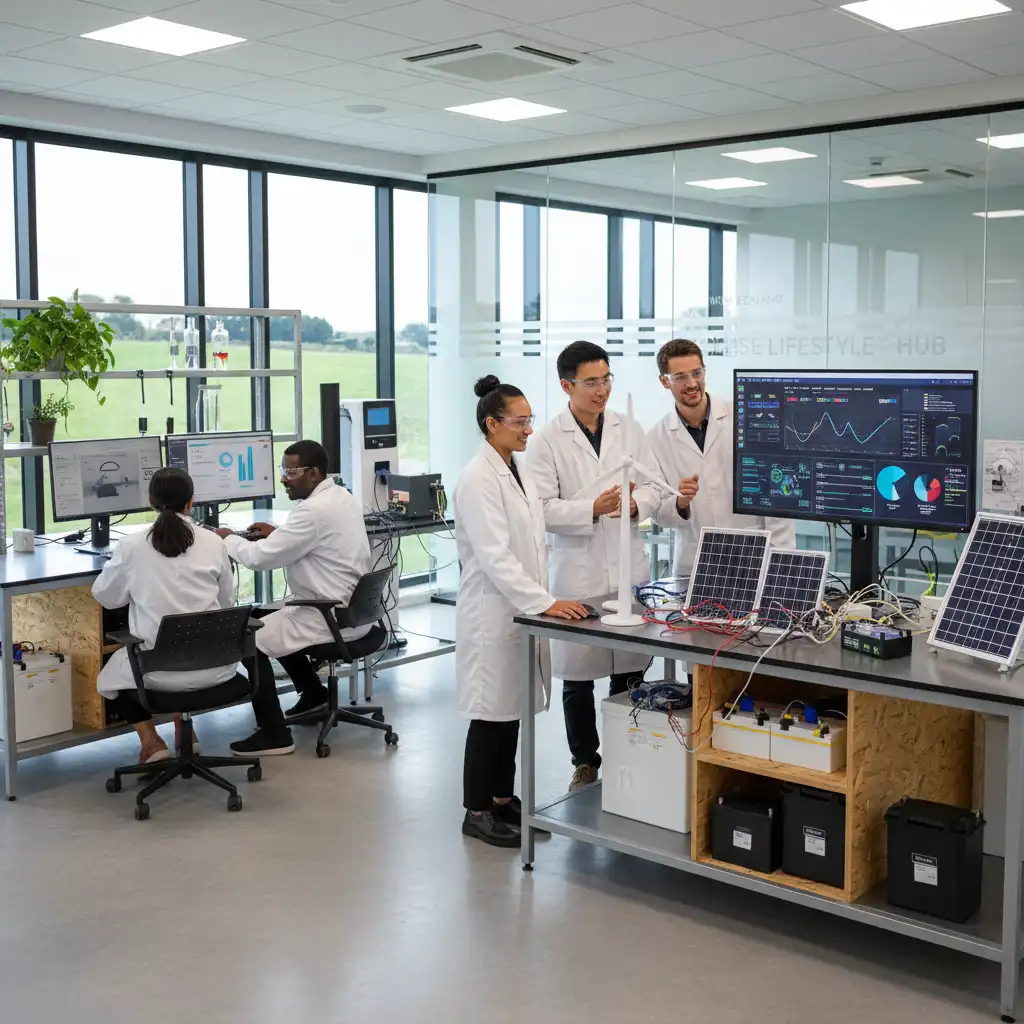
The Future is Green: A Sustainable Career Path
The trajectory for green technology in New Zealand is unequivocally upwards. As global and local pressures for sustainability intensify, so too will the demand for innovative solutions and the skilled professionals to implement them. For individuals seeking meaningful careers that contribute positively to the planet and economy, the green sector offers an incredibly promising path.
Embracing green technology is not just about adapting to change; it’s about actively shaping a prosperous, sustainable future for New Zealand, one job at a time.
Frequently Asked Questions (FAQ)
What is green technology?
Green technology, or “Greentech,” refers to technology designed to mitigate the negative impacts of human activity on the environment. This includes technologies for renewable energy generation, energy efficiency, waste management, sustainable transportation, green building, and eco-friendly agriculture.
How is green technology boosting jobs in New Zealand?
Green technology is creating jobs across various sectors, including the design, installation, operation, and maintenance of renewable energy systems (solar, wind, geothermal), advanced waste recycling, green building construction, and sustainable agricultural practices. Government policies and private investment are driving this growth, leading to demand for a wide range of skilled professionals.
What kind of jobs can I find in the green economy?
The green economy offers diverse roles such as renewable energy engineers, solar panel installers, wind turbine technicians, environmental consultants, waste management specialists, green architects, sustainable agriculture scientists, project managers, data analysts, and policy advisors, among many others.
Is a career in green technology stable?
Yes, careers in green technology are increasingly stable and projected to grow significantly. Driven by global climate goals, government mandates, and consumer demand for sustainable products and services, the green sector offers long-term career prospects with continuous innovation and expansion.
How can New Zealanders prepare for green tech jobs?
New Zealanders can prepare by pursuing relevant education in engineering, environmental science, sustainability studies, or vocational training in renewable energy systems. Developing strong problem-solving skills, critical thinking, and adaptability is also crucial. Look for internships or entry-level positions in green companies to gain practical experience.
References & Sources
- Ministry for the Environment. (n.d.). New Zealand’s Emissions Reduction Plan. Retrieved from environment.govt.nz
- Stats NZ. (n.d.). Environmental-economic accounts. Retrieved from stats.govt.nz
- New Zealand Green Building Council. (n.d.). About Us. Retrieved from nzgbc.org.nz
- International Renewable Energy Agency (IRENA). (2022). Renewable Energy and Jobs – Annual Review. (Plausible, as IRENA publishes global reports).
- EECA (Energy Efficiency and Conservation Authority). (n.d.). Programmes and Resources. Retrieved from eeca.govt.nz