Green Careers: Impactful Roles in Policy & Advocacy
Shape New Zealand’s sustainable future through influential positions in environmental policy and advocacy.
Are you driven by a desire to create lasting, positive change for our planet and its people? Do you envision a career where your work directly contributes to a more sustainable future? While many associate green careers with hands-on conservation or renewable energy, some of the most profound impacts are made behind the scenes: in the realms of policy and advocacy.
In New Zealand, a nation renowned for its natural beauty and growing commitment to environmental stewardship, the opportunity to influence systemic change through policy development and passionate advocacy has never been greater. These roles are crucial for translating environmental aspirations into concrete laws, regulations, and societal shifts that benefit everyone.

Table of Contents
- What Are Green Careers in Policy & Advocacy?
- Key Roles and Pathways
- Skills and Qualifications for Impact
- The New Zealand Context: Opportunities Abound
- Making Your Mark: Steps to Get Started
- The Profound Impact of Green Policy & Advocacy Roles
- Frequently Asked Questions (FAQ)
- References/Sources
What Are Green Careers in Policy & Advocacy?
Green careers in policy and advocacy are fundamentally about driving systemic change towards sustainability. Unlike roles focused on implementing green solutions at a micro level, these professionals operate at a macro level, shaping the rules, incentives, and narratives that govern environmental and social practices.
“Policy and advocacy are the levers for large-scale change, translating scientific understanding and public will into actionable frameworks for a sustainable future.”
From drafting legislation to influencing public opinion, these roles are crucial for addressing complex issues like climate change, biodiversity loss, waste reduction, and sustainable resource management. They demand a deep understanding of environmental challenges, legal frameworks, political processes, and effective communication strategies.
Key Roles and Pathways
The landscape of Green Careers: Impactful Roles in Policy & Advocacy is diverse, offering various avenues to contribute:
Environmental Policy Analyst/Advisor
Working within government ministries (e.g., Ministry for the Environment, Department of Conservation), local councils, or research institutions, policy analysts are the architects of environmental regulations. They research, analyse data, forecast impacts, and draft recommendations for new policies or amendments to existing ones. This often involves collaborating with scientists, economists, and legal experts.
Advocacy & Lobbying Specialist
These professionals work for NGOs, environmental groups, or even corporate sustainability departments to influence decision-makers. Their goal is to champion specific environmental causes, lobby for legislative change, and ensure that sustainable practices are adopted across sectors. This role demands strong communication, negotiation, and strategic thinking skills.
Community Engagement & Mobilisation Officer
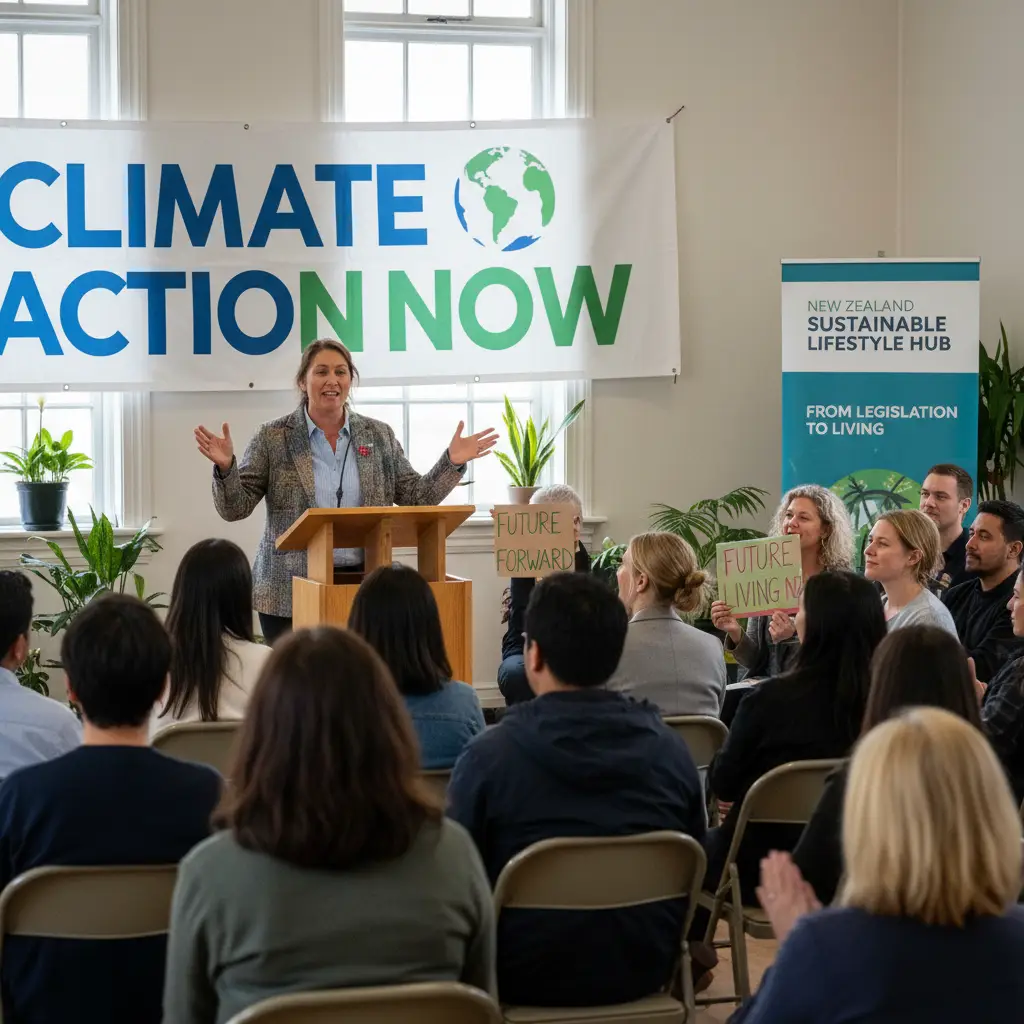
Often found in NGOs or local government, these roles focus on building public awareness, fostering community participation in environmental initiatives, and mobilising support for policy changes. They are the bridge between policy development and public understanding, vital for successful implementation and grassroots advocacy.
Sustainability Consultant (Policy Focus)
Consultants advise businesses, governments, and organisations on integrating sustainable practices and complying with environmental regulations. Those with a policy focus help clients understand complex legislation, identify risks and opportunities, and develop strategies to align with and influence environmental policy direction.
Skills and Qualifications for Impact
To excel in these impactful roles, a blend of analytical, interpersonal, and domain-specific skills is essential:
- Strong Research & Analytical Skills: The ability to dissect complex environmental issues, interpret data, and foresee policy implications.
- Excellent Communication: Crafting persuasive arguments, writing clear reports, and engaging diverse stakeholders effectively.
- Legal & Regulatory Understanding: Familiarity with New Zealand’s environmental laws and international agreements.
- Negotiation & Persuasion: The skill to build consensus and influence outcomes among differing viewpoints.
- Strategic Thinking: Developing long-term approaches to policy change and advocacy campaigns.
- Passion & Resilience: A genuine commitment to environmental protection and the tenacity to navigate complex political landscapes.
Typical educational backgrounds include degrees in Environmental Science, Public Policy, Law, Political Science, or Sustainable Development. Post-graduate qualifications can further enhance specialisation.
The New Zealand Context: Opportunities Abound
New Zealand is a fertile ground for Green Careers: Impactful Roles in Policy & Advocacy. The nation’s ‘clean, green’ image is a source of national pride, driving significant government initiatives and public demand for environmental protection. From the Zero Carbon Act to the Resource Management Act reforms, policy discussions are constantly evolving.
⚡ Stat Callout: The Green Economy in NZ is Growing
Recent reports indicate that New Zealand’s green economy sector is projected to grow by over 10% annually in the coming years, with a significant portion of this growth driven by policy implementation and compliance roles. (Source: Ministry for the Environment, NZ Green Growth Report 2023)
Local councils are increasingly seeking sustainability advisors, while a vibrant NGO sector (e.g., Forest & Bird, WWF-NZ, Greenpeace Aotearoa) actively campaigns for change. Furthermore, businesses are recognising the necessity of integrating sustainability into their core operations, creating demand for in-house policy specialists.

Making Your Mark: Steps to Get Started
- Pursue Relevant Education: A bachelor’s or master’s degree in a related field is often a prerequisite.
- Gain Practical Experience: Internships or volunteer roles with NGOs, government agencies, or political organisations provide invaluable insights and networking opportunities.
- Develop Key Skills: Focus on honing your research, writing, public speaking, and negotiation abilities.
- Network Strategically: Attend industry events, connect with professionals on LinkedIn, and join relevant associations.
- Stay Informed: Keep abreast of current environmental legislation, scientific developments, and political discourse in NZ and globally.
The Profound Impact of Green Policy & Advocacy Roles
Choosing a career in environmental policy and advocacy means dedicating yourself to safeguarding our planet for future generations. These roles are not just jobs; they are platforms for creating systemic, long-lasting impact. From protecting endangered species and restoring ecosystems to promoting renewable energy and ensuring equitable resource distribution, your work can literally change the world.

Frequently Asked Questions (FAQ)
What’s the difference between policy and advocacy in green careers?
Policy roles typically involve drafting, analyzing, and implementing environmental laws and regulations within governmental or organisational structures. Advocacy roles focus on influencing these policies from outside, often through campaigning, lobbying, and public awareness initiatives to champion specific environmental causes.
Are these roles only for people with science backgrounds?
Not at all! While a scientific understanding of environmental issues is beneficial, green policy and advocacy roles also highly value backgrounds in law, public policy, political science, economics, communications, and social sciences. The interdisciplinary nature of sustainability requires diverse perspectives.
How is the job market for these green careers in New Zealand?
The job market in New Zealand is growing, driven by increasing government commitment to climate action, evolving environmental legislation, and rising public and corporate awareness of sustainability. There is demand across government, NGOs, and the private sector for skilled professionals in policy and advocacy.
What’s a typical starting salary for these roles?
Starting salaries for entry-level roles like Environmental Policy Advisors or Junior Advocacy Officers in New Zealand can range from NZD $55,000 to $75,000 annually, depending on qualifications, experience, and the employing organisation (government, NGO, or private sector). Senior roles can command significantly higher salaries.
References/Sources
- Ministry for the Environment. (2023). New Zealand Green Growth Report. Wellington, New Zealand.
- WWF-New Zealand. (2022). Advocacy for a Living Planet: Annual Report.
- Stats NZ. (2023). Environmental-Economic Accounts: 2023. Retrieved from www.stats.govt.nz
- Lincoln University. (2024). Environmental Policy & Management Programme Overview.