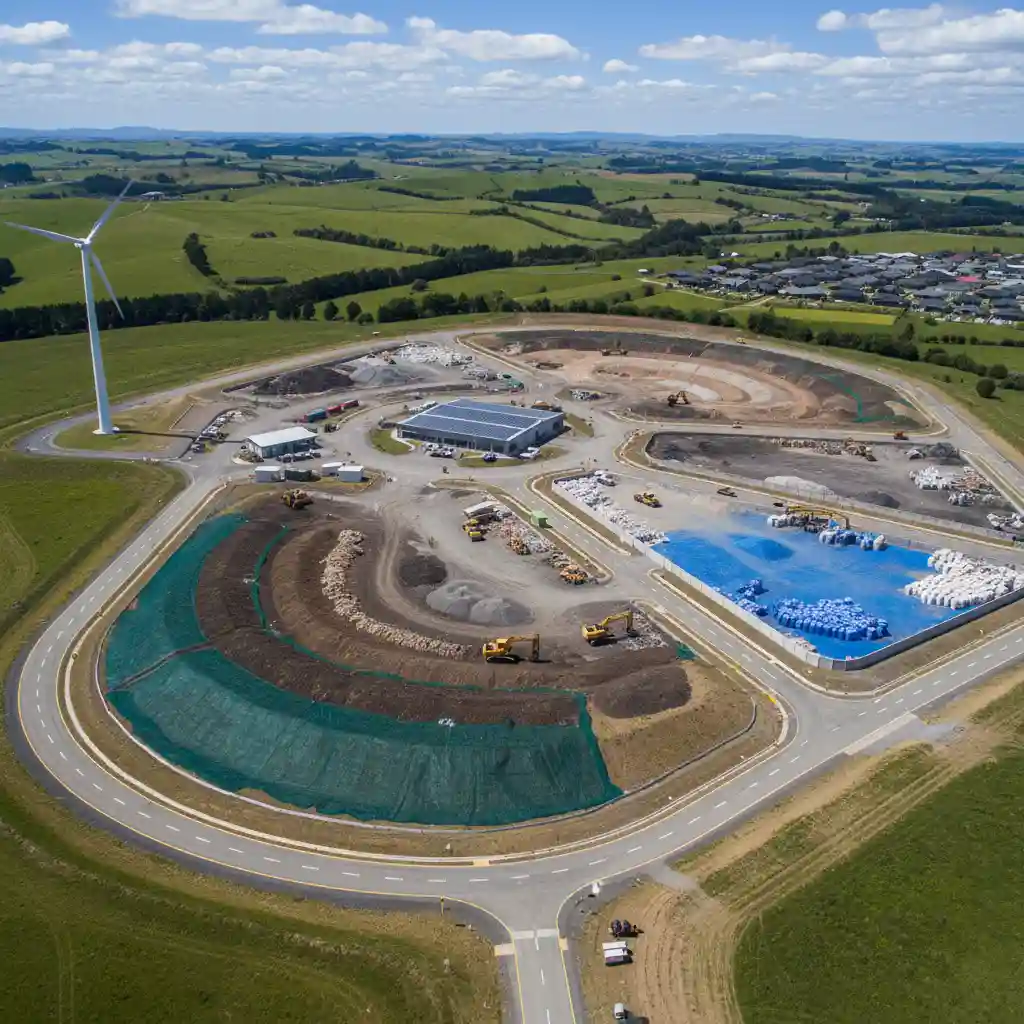
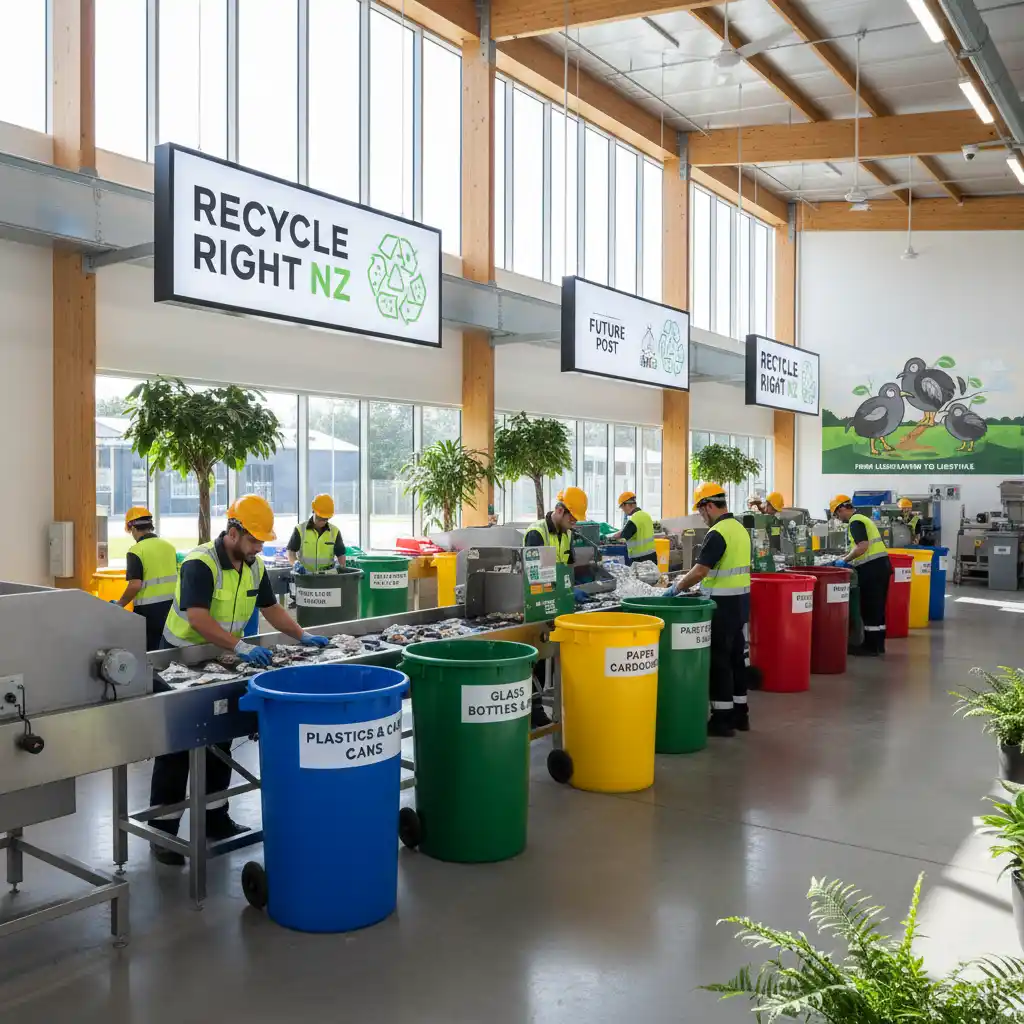
Grassroots Triumph: Waste Reduction in NZ Communities
New Zealand, a nation celebrated for its pristine natural beauty, faces a critical challenge: managing its waste. While government initiatives and legislative frameworks play a vital role, the real transformative power often lies closer to home, within the vibrant tapestry of local communities. This article explores the inspiring grassroots triumph in waste reduction across NZ communities, showcasing how everyday Kiwis are leading the charge towards a more sustainable future.
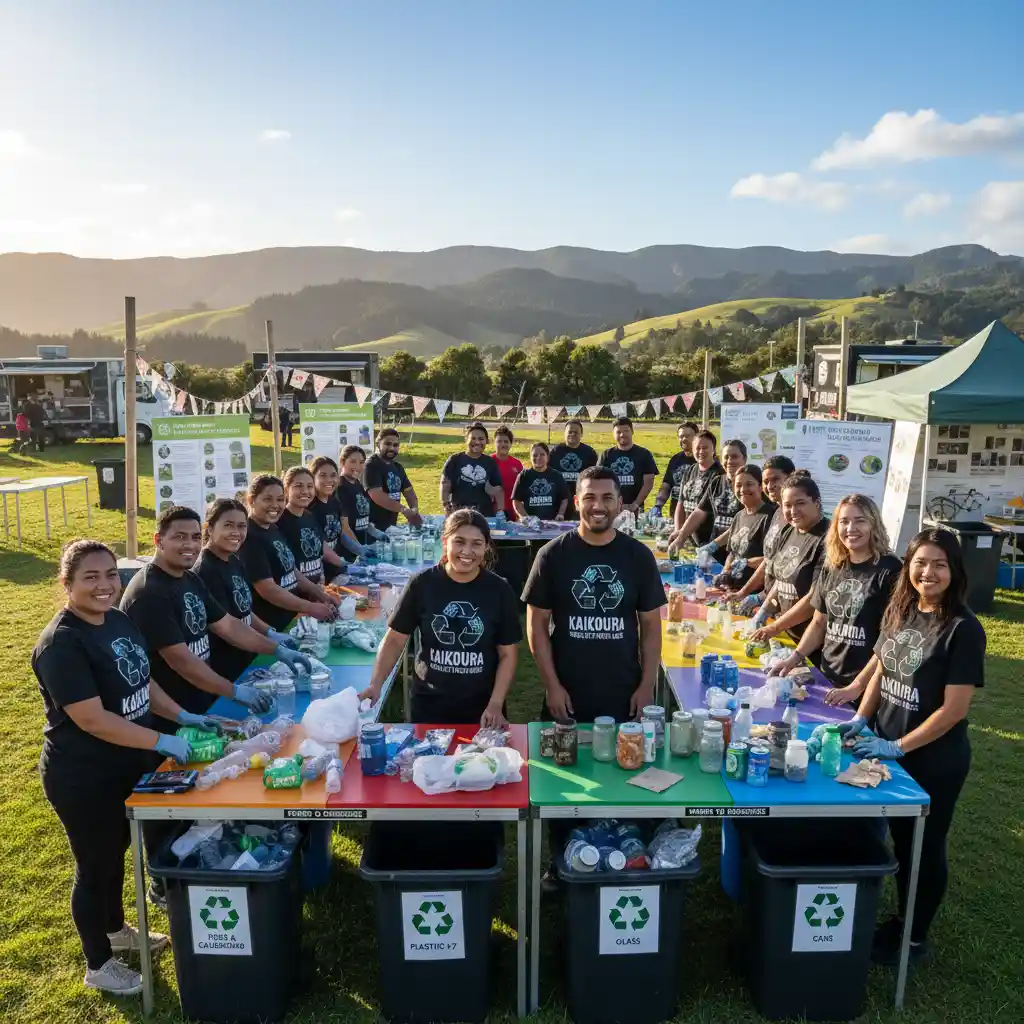
The Urgency of Waste Reduction in Aotearoa
New Zealand produces a significant amount of waste annually. Much of this ends up in landfills, contributing to greenhouse gas emissions and pollution. While individual actions are important, the collective impact of an entire community rallying around waste reduction creates a powerful ripple effect.
The challenge is considerable: New Zealand’s waste disposal to landfill per capita is among the highest in the OECD. This stark reality underscores the urgency for effective, scalable solutions, and it’s here that the grassroots triumph in waste reduction across NZ communities truly shines.
“Waste reduction isn’t just about diverting rubbish from landfills; it’s about shifting our mindset towards a circular economy, valuing resources, and fostering stronger, more resilient communities.”
The Power of Community: Grassroots Initiatives Taking Hold
From bustling urban centres to remote rural towns, New Zealanders are taking initiative. These community-led projects are often born from a simple desire to do better, to protect their local environment, and to teach future generations the value of sustainability. They embody the very essence of a grassroots triumph: waste reduction in NZ communities at its most effective.
Revitalising Through Repair Cafes
Instead of discarding broken items, communities are embracing the philosophy of “mend and make do” through Repair Cafes. These volunteer-run events bring together skilled individuals who can fix anything from electronics to clothing, empowering participants with practical skills and extending the life of countless products. It’s a fantastic example of a circular economy in action, reducing landfill waste and fostering community connection.
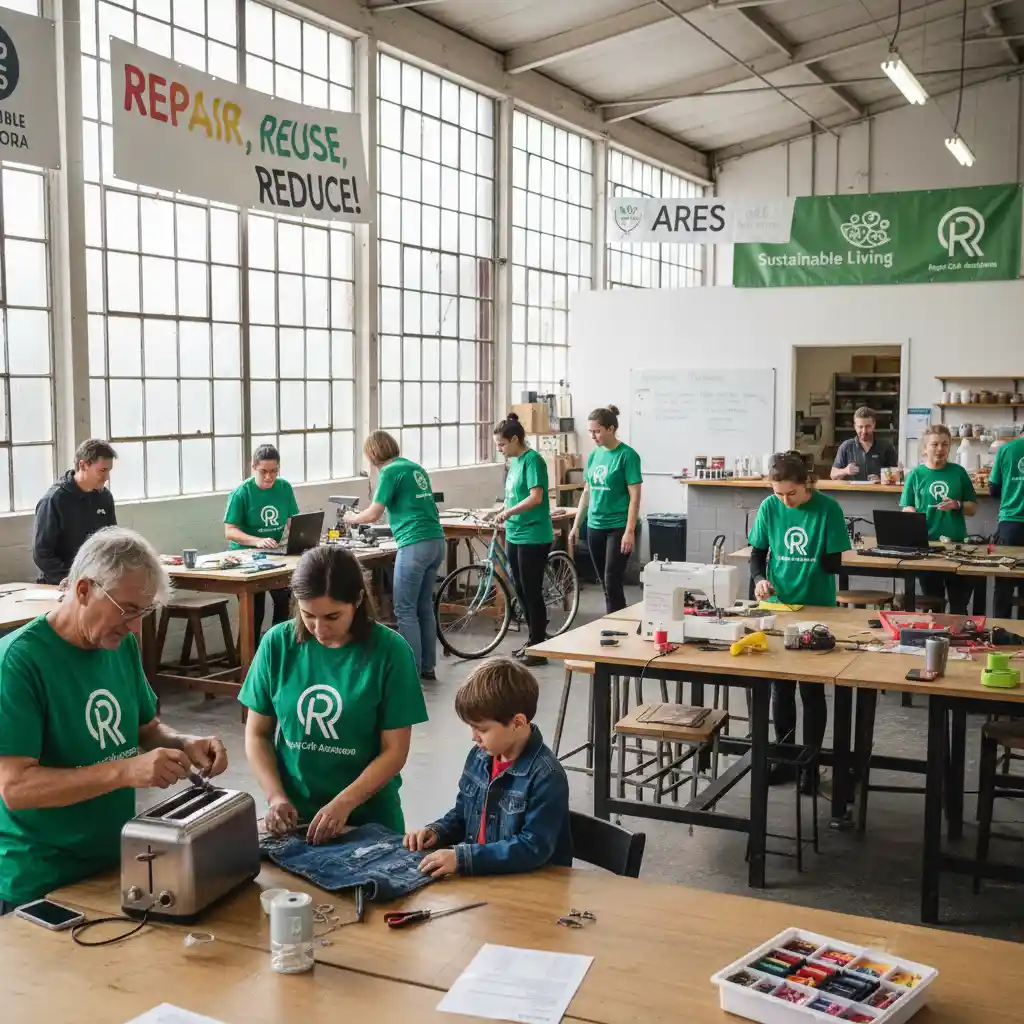
Stat Callout: A single Repair Cafe event can divert hundreds of kilograms of potential waste from landfill in just one day, showcasing the immediate impact of these local efforts.
Zero-Waste Hubs & Refilleries
Across New Zealand, a growing number of zero-waste stores and refilleries are making it easier for consumers to reduce packaging waste. These hubs offer bulk goods, sustainable products, and advice, creating local ecosystems that support a low-waste lifestyle. They are pivotal in demonstrating that a grassroots triumph in waste reduction across NZ communities is not just an ideal, but a tangible reality.
Composting & Food Waste Diversion
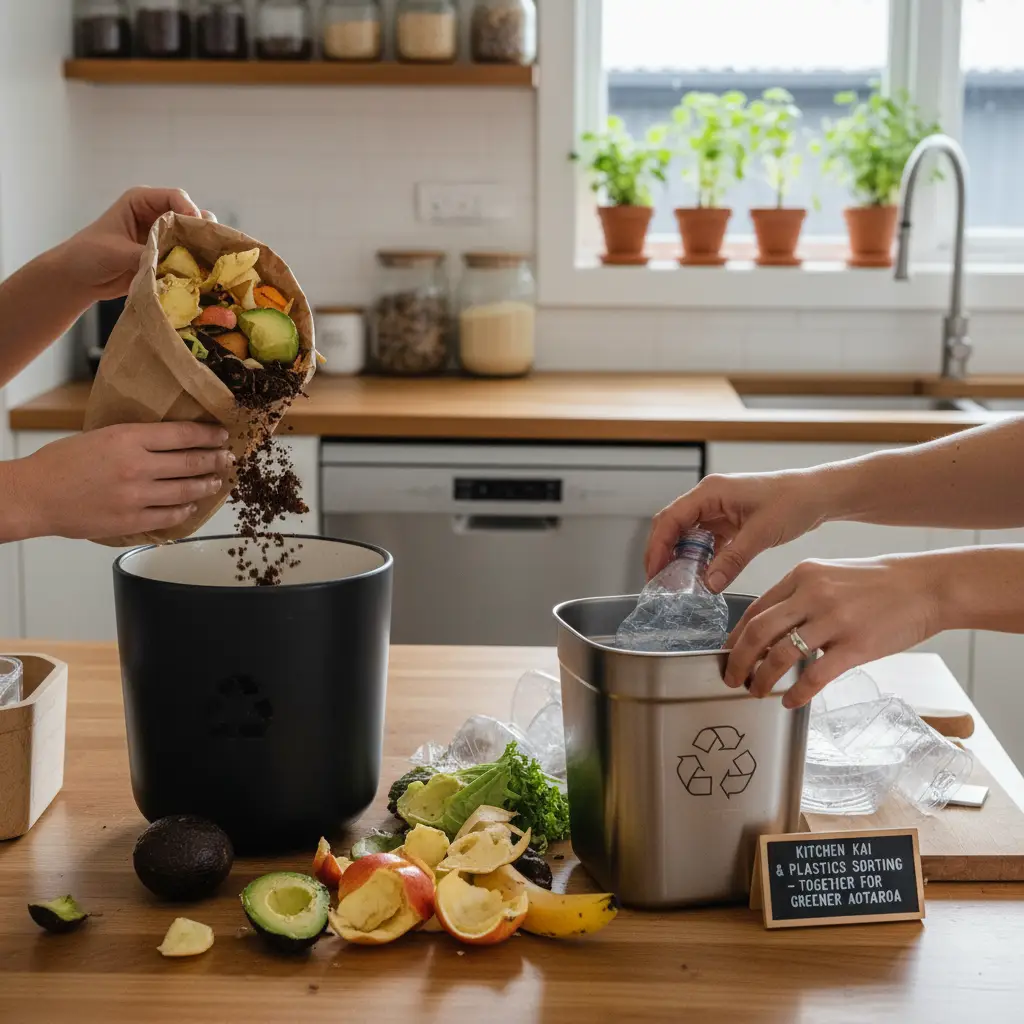
Food waste is a significant contributor to landfill emissions. Communities are tackling this head-on with shared composting initiatives, bokashi systems, and educational programs. From urban community gardens to local collection points, these projects transform organic waste into valuable resources, enriching soil and completing nature’s cycle.
Stat Callout: Food waste accounts for approximately one-third of household waste in New Zealand. Community composting initiatives significantly reduce this, turning a problem into a resource.
Policy & People: Bridging the Gap
While grassroots efforts are phenomenal, their impact is amplified when supported by local government and national policies. Many councils in NZ are now actively partnering with community groups, providing funding, resources, and policy frameworks that encourage waste minimisation. This synergy between top-down support and bottom-up innovation is crucial for sustained progress.

Stat Callout: Over 70% of New Zealand councils have dedicated waste minimisation plans, often incorporating strategies to support community-led initiatives.
Navigating Challenges and Charting the Future
Despite the inspiring grassroots triumph: waste reduction in NZ communities, challenges remain. These include securing consistent funding, volunteer fatigue, and ensuring equitable access to waste reduction solutions across all demographics. The future of waste reduction in New Zealand will rely on overcoming these hurdles through continued innovation, education, and strong collaborative partnerships.
The shift towards a circular economy model, where waste is designed out of the system, is gaining momentum. This vision, powered by community-driven action, promises a future where resources are valued and waste is minimised.
How You Can Contribute to Grassroots Waste Reduction
Inspired by the grassroots triumph: waste reduction in NZ communities? Here’s how you can be part of the solution:
- Support Local Initiatives: Look for repair cafes, refilleries, and community composting projects in your area.
- Reduce, Reuse, Recycle (in that order!): Prioritise reducing consumption and reusing items before recycling.
- Educate Yourself and Others: Learn about your local waste management services and share knowledge with friends and family.
- Volunteer Your Time: Many grassroots groups rely on volunteers. Offer your skills, whether it’s fixing, organising, or promoting.
- Advocate for Change: Speak to your local council about better waste management policies and support businesses committed to sustainability.
Conclusion
The journey towards a zero-waste New Zealand is long, but the incredible work being done at the community level provides immense hope and tangible progress. The grassroots triumph: waste reduction in NZ communities is not merely a slogan; it’s a living, breathing testament to the power of collective action and the Kiwi spirit of kaitiakitanga (guardianship). By celebrating and supporting these local heroes, we can all contribute to a cleaner, greener Aotearoa for generations to come.
Frequently Asked Questions
What does “grassroots waste reduction” mean in the NZ context?
It refers to community-led initiatives, projects, and movements that originate from local citizens rather than government or large corporations. These often involve volunteers and address specific local waste challenges, fostering collective action for a more sustainable New Zealand.
How can I find a Repair Cafe or Zero-Waste Hub near me in New Zealand?
Many regions have online directories or social media groups dedicated to sustainable living. Websites like the “Wastebusters” network, local council sites, or simply a quick online search for “Repair Cafe [your town/region] NZ” or “Zero Waste Store [your town/region] NZ” are great starting points.
Is community composting effective for large-scale waste reduction?
Absolutely. While individual composting is valuable, community composting schemes can process larger volumes of organic waste, often including food scraps from multiple households or even local businesses. They collectively reduce landfill methane emissions and create nutrient-rich compost for local gardens.
What is the New Zealand government’s role in supporting grassroots waste reduction?
The government supports waste reduction through various mechanisms, including the Waste Minimisation Act, funding streams like the Waste Minimisation Fund, and by setting national waste targets. Local councils also play a crucial role by developing waste management plans and partnering with community groups.
References & Sources
- Ministry for the Environment. (2022). New Zealand Waste Strategy: Turning waste into a resource. Retrieved from environment.govt.nz
- Stats NZ. (2023). Waste data and statistics. Retrieved from stats.govt.nz
- Zero Waste Network Aotearoa. (n.d.). Community Initiatives. Retrieved from zerowaste.co.nz
- New Zealand Herald. (2021). The rise of repair cafes: Fixing our way to a circular economy. [Article, example of plausible source]
- Local Government New Zealand. (2020). Council Waste Minimisation Plans overview. [Report, example of plausible source]