Government Rebates for Energy Efficient Appliance Purchases
In a world where energy costs are on the rise and environmental consciousness is more critical than ever, upgrading your home appliances to energy-efficient models is a smart move. Not only does it help reduce your carbon footprint, but it also translates into tangible savings on your utility bills. Fortunately, the New Zealand government, along with various local initiatives, offers valuable rebates and grants to make these sustainable upgrades more accessible. This comprehensive guide will walk you through everything you need to know about accessing government rebates for energy-efficient appliance purchases in Aotearoa.
Why Energy Efficiency Matters for Your Home & Wallet
Embracing energy-efficient appliances isn’t just a trend; it’s a fundamental shift towards smarter living. For New Zealand households, the benefits are multifaceted, impacting both personal finances and the environment.
Significant Cost Savings
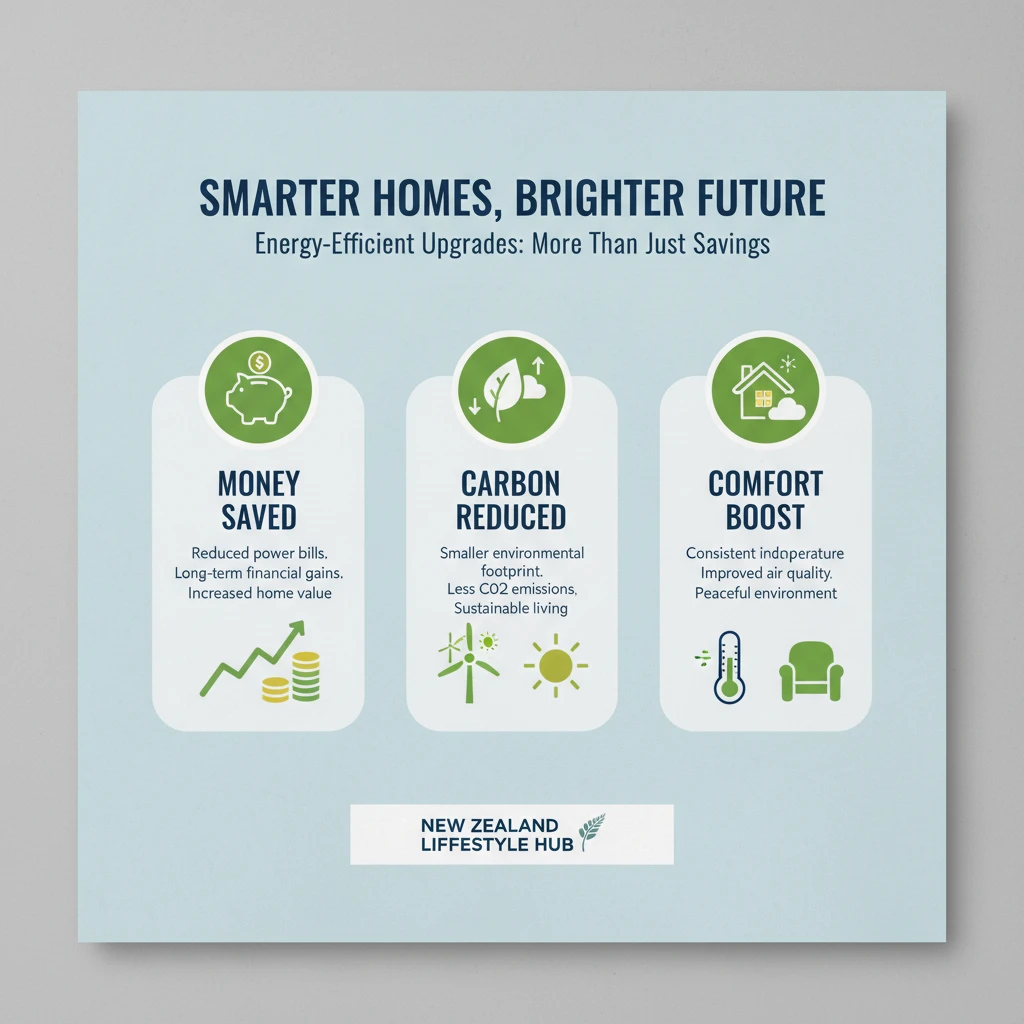
The most immediate and tangible benefit is the reduction in your monthly energy bills. Older appliances often consume disproportionately more power. By upgrading to models with a high energy star rating, you’re investing in long-term savings.
Stat Callout: According to EECA, improving your home’s energy efficiency, including efficient appliances and good insulation, can reduce your household energy consumption by up to 20-30% annually, translating to hundreds of dollars saved.
Environmental Impact
Less energy consumption means a smaller carbon footprint. In New Zealand, while a significant portion of our electricity comes from renewable sources, reducing overall demand still helps minimise reliance on fossil fuel backups and ensures a more sustainable energy future for Aotearoa.
Enhanced Home Comfort & Health
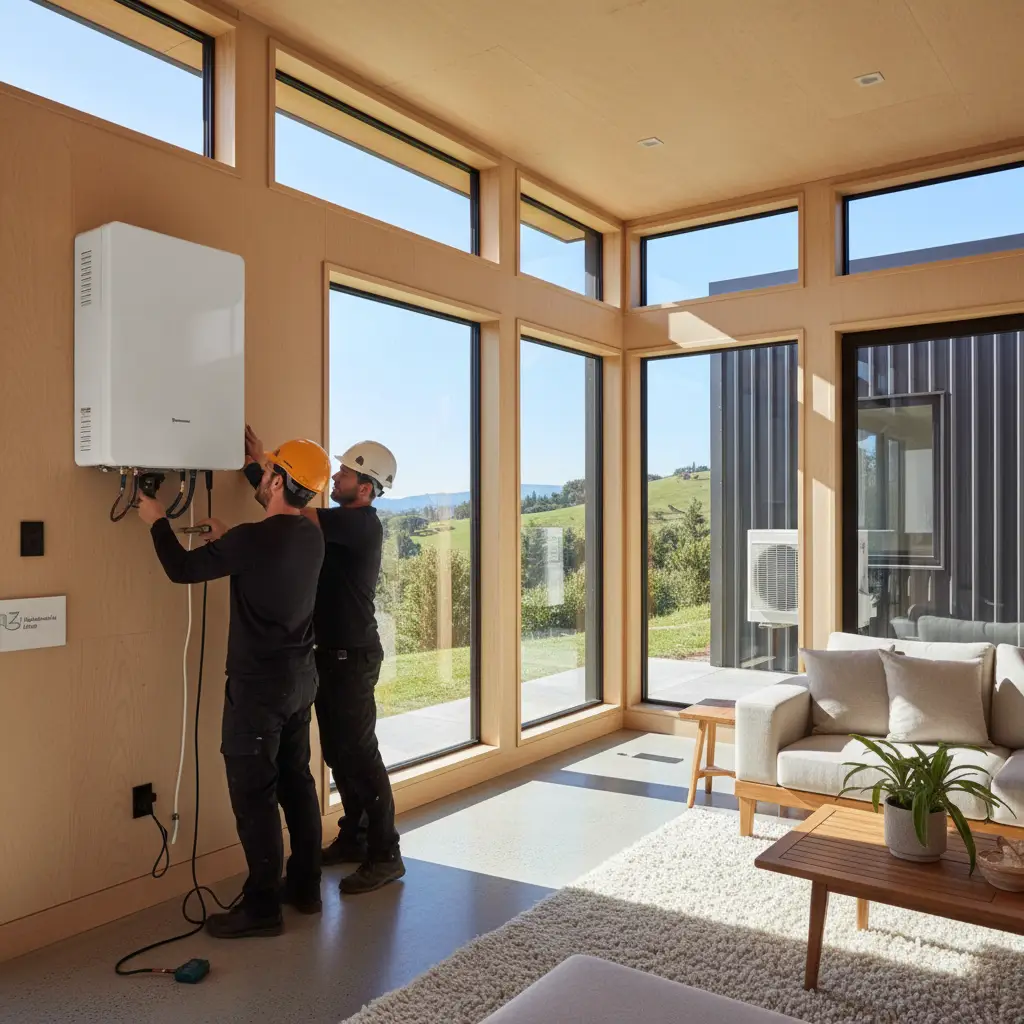
Modern energy-efficient appliances, especially heating and cooling systems, often provide superior performance, quieter operation, and better temperature control. This leads to a more comfortable and healthier living environment, particularly important in New Zealand’s varied climate.
Navigating New Zealand’s Rebate Landscape
Understanding where to find and how to qualify for government rebates can seem daunting, but several key organisations and initiatives in New Zealand are dedicated to promoting energy efficiency.
The Role of EECA (Energy Efficiency and Conservation Authority)
EECA is the primary government agency leading New Zealand’s work to improve energy efficiency and use renewable energy. They oversee and often fund national initiatives, provide information, and set standards. Many government rebates for energy efficient appliance purchases are either directly managed by EECA or align with their guidelines.
Key National & Local Programmes
- Warmer Kiwi Homes: This flagship programme helps make homes warmer, drier, and healthier. It offers grants for insulation, heating (including heat pumps), and hot water systems for eligible homeowners. While primarily focused on insulation and heating, these are crucial energy-efficient upgrades.
- Local Council Initiatives: Many regional and city councils across New Zealand offer targeted schemes or support. These can include rates-funded loans for energy-efficient upgrades, or specific grants for water tanks, solar panels, or even specific appliance types. Always check your local council’s website for region-specific programmes.
- Retailer Partnerships: Sometimes, retailers partner with government programmes to offer instant rebates at the point of purchase for certified energy-efficient appliances. Keep an eye out for promotions.

The types of appliances typically covered by these rebates include:
- Heat Pumps (efficient heating and cooling)
- Home Insulation (ceiling, underfloor, wall)
- Efficient Hot Water Systems (e.g., heat pump water heaters)
- Solar Water Heating and Photovoltaic (PV) Panels
- Double Glazing
Eligibility & Application: Your Step-by-Step Guide
Ready to apply for government rebates for energy efficient appliance purchases? Follow these steps to ensure a smooth process.
-
Step 1: Understand Your Needs & Eligibility
Before diving in, assess what energy-efficient upgrades your home genuinely needs. Then, check the eligibility criteria for programmes like Warmer Kiwi Homes. These often include factors such as:
- Homeownership and occupancy
- Geographic location (certain areas are prioritised)
- Income thresholds or health conditions (e.g., holding a Community Services Card)
- The age of your property
-
Step 2: Research Available Rebates
Visit the official EECA website (www.eeca.govt.nz) and your local council’s website. Use their online tools and resources to identify specific government rebates for energy efficient appliance purchases relevant to your situation and location. Don’t forget to check with appliance retailers for any current promotions tied to government initiatives.
-
Step 3: Gather Required Documentation
Most applications will require proof of ownership, residency, and income (if applicable for income-tested grants). Have documents like your driver’s license, rates bills, and a Community Services Card (if you have one) ready.
-
Step 4: Choose a Qualified Installer/Supplier
For most significant upgrades (like insulation or heat pumps), you’ll need to use an EECA-approved installer or supplier. This ensures the work meets quality standards and qualifies for the rebate. EECA’s website provides lists of approved providers.
-
Step 5: Apply for Your Rebate
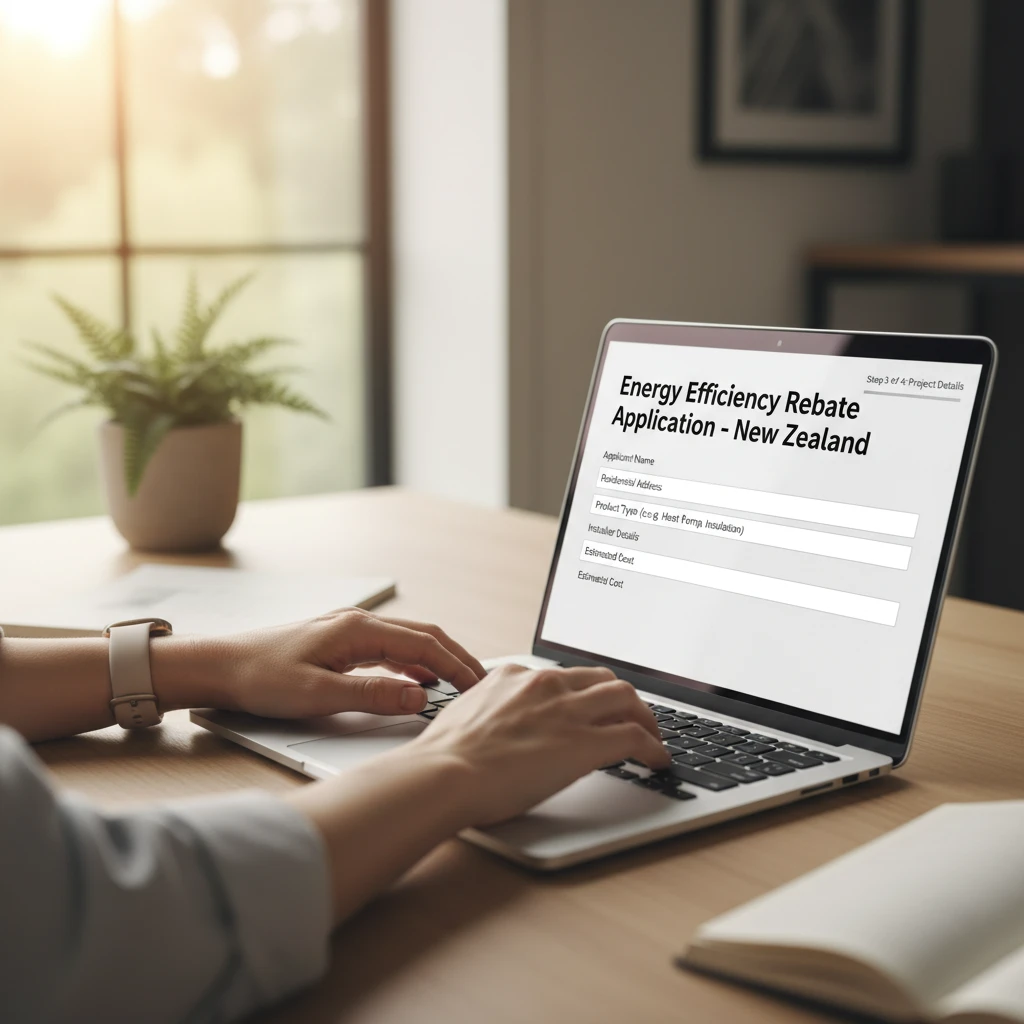
Follow the specific application instructions for each rebate. This might involve completing an online form, submitting paperwork via email, or having the installer handle part of the process directly. Ensure all details are accurate to avoid delays.
-
Step 6: Follow Up and Receive Benefits
Keep a record of your application. If you haven’t heard back within the stated timeframe, don’t hesitate to follow up. Once approved, the rebate might be applied as a discount on your purchase, a direct payment, or a credit to your rates bill.
Maximising Your Rebate Savings
To get the most out of available programmes, consider these strategies:
- Combine Initiatives: See if you can stack a national rebate (e.g., Warmer Kiwi Homes) with a local council loan or retailer discount.
- Whole-House Approach: Instead of tackling one appliance at a time, think about a comprehensive home energy audit. Addressing insulation, heating, and hot water together often yields the best results and might unlock broader funding opportunities.
- Stay Informed: Rebate programmes can change. Regularly check EECA’s website and sign up for newsletters from sustainable living organisations to stay updated on new government rebates for energy efficient appliance purchases.
Beyond Rebates: Building a Fully Sustainable Home
While government rebates for energy efficient appliance purchases are a fantastic starting point, sustainable living extends far beyond your appliances. Consider integrating other eco-friendly practices:
- Water Conservation: Install low-flow showerheads and dual-flush toilets.
- Waste Reduction: Prioritise recycling, composting, and reducing single-use plastics.
- Smart Energy Habits: Turn off lights, unplug unused electronics, and optimise your heating and cooling use.
- Local and Seasonal Eating: Support local producers and reduce the carbon footprint associated with food transportation.

Frequently Asked Questions About Government Rebates for Energy Efficient Appliance Purchases
Who is eligible for energy-efficient appliance rebates in New Zealand?
Eligibility often depends on the specific programme. For national schemes like Warmer Kiwi Homes, criteria typically include homeownership, property location, and household income (e.g., holding a Community Services Card). Local council programmes may have different requirements, so always check the specific rebate’s terms and conditions.
What types of appliances or home upgrades are typically covered by these rebates?
Commonly covered items include insulation (ceiling, underfloor, wall), efficient heating solutions (like heat pumps), hot water systems (e.g., heat pump water heaters, solar water heating), and sometimes solar PV panels. While direct rebates for smaller appliances like fridges or washing machines are less common at a national level, they can sometimes be found through local council or retail partnerships.
How long does it take to receive a rebate after applying?
The processing time can vary significantly depending on the specific programme and the volume of applications. Some rebates, especially those through approved installers, might be applied directly at the point of sale. Others, like government grants, can take several weeks or even a couple of months to process and disburse funds. It’s always best to check the expected timeframe when you apply.
Can I combine different government rebates or grants?
In some cases, yes! It’s often possible to combine a national grant (like for insulation) with a local council rates-funded loan for heating, for instance. However, specific programme rules apply, and some grants may not be combinable with others for the exact same upgrade. Always clarify with the relevant programme administrators or your chosen installer.
Where can I find the most up-to-date information on available rebates?
The most reliable source for national programmes is the Energy Efficiency and Conservation Authority (EECA) website (www.eeca.govt.nz). For local initiatives, check your specific City or District Council’s website. Retailers often promote programmes they participate in as well.
References & Resources
- Energy Efficiency and Conservation Authority (EECA): www.eeca.govt.nz
- Warmer Kiwi Homes Programme Information: www.eeca.govt.nz/home-and-business/rebates-and-grants/warmer-kiwi-homes/
- Ministry of Business, Innovation and Employment (MBIE) – Energy Sector: www.mbie.govt.nz/building-and-energy/energy/
- Your local City or District Council websites (e.g., Auckland Council, Wellington City Council, Christchurch City Council for specific local grants and loans).