Global Legal Standards for Ethical Mining Explained
In an increasingly interconnected world, the origins of the materials we use daily — from smartphones to electric vehicles — are under scrutiny like never before. The journey of these resources often begins deep within the earth, extracted through mining operations that carry significant environmental, social, and economic implications. Ensuring these practices are ethical isn’t just a moral imperative; it’s a rapidly evolving legal landscape.
This article demystifies the complex web of global legal standards for ethical mining, offering clarity on the regulations, frameworks, and initiatives shaping a more responsible extractive industry. Understanding these standards is crucial for businesses, policymakers, and conscious consumers alike, as we collectively strive for a truly sustainable future.
The Imperative for Ethical Mining Practices
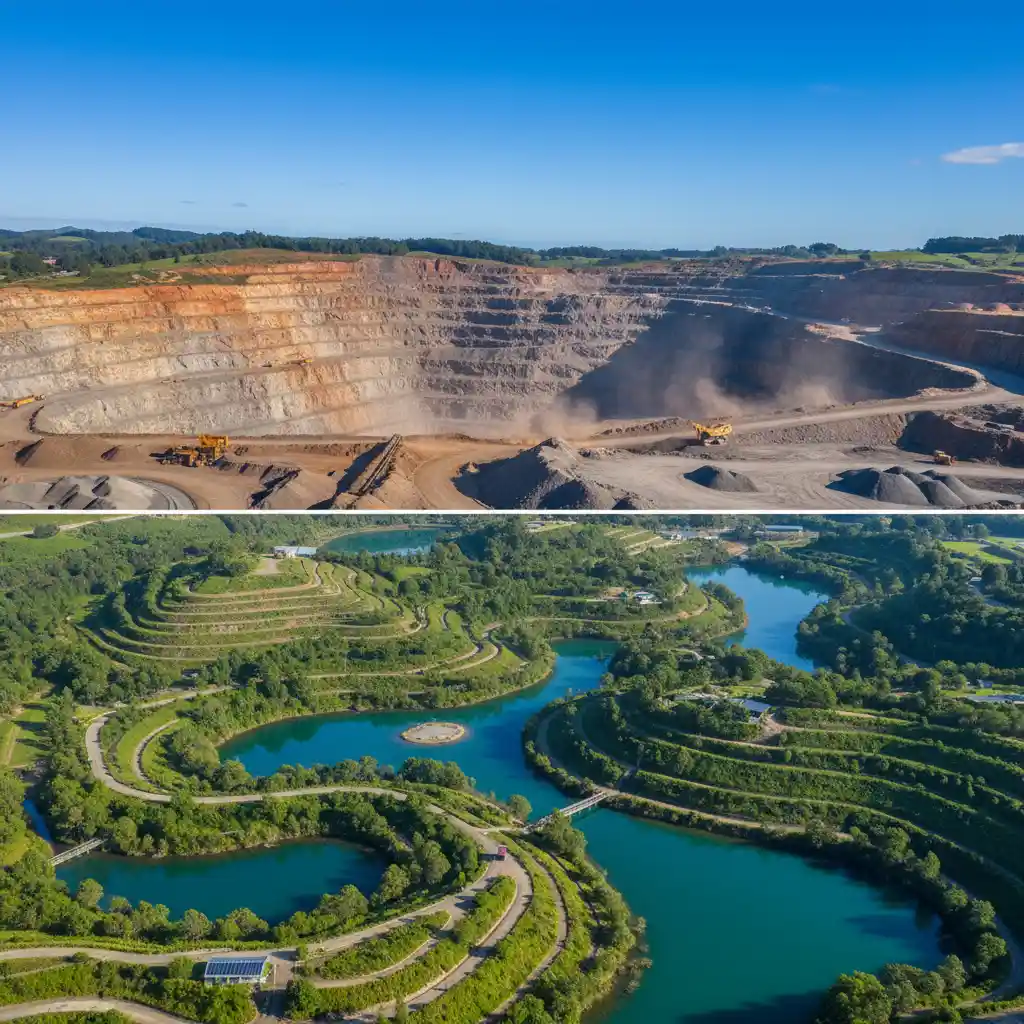
Mining is indispensable for modern society, but its legacy is often tarnished by environmental degradation, human rights abuses, and social unrest. From deforestation and water contamination to forced labor and displacement of indigenous communities, the consequences of unregulated or unethical mining are profound. These issues underscore the urgent need for robust global legal standards for ethical mining that protect both people and the planet.
“The demand for minerals continues to surge, projected to increase by 500% for some critical materials by 2050 to meet clean energy goals. This exponential growth makes ethical sourcing and stringent legal oversight more vital than ever.”
Ethical mining, therefore, seeks to minimize negative impacts while maximizing benefits for local communities and economies, all within a framework of respect for human rights and environmental stewardship. This complex endeavor requires a multi-faceted approach, starting with legally binding international and national regulations.
Key International Frameworks and Conventions
While no single global mining law exists, a crucial ecosystem of international frameworks sets expectations for responsible business conduct, influencing national legislations and industry practices.
UN Guiding Principles on Business and Human Rights (UNGPs)
Endorsed by the UN Human Rights Council in 2011, the UNGPs provide a framework for the respective duties of states and companies to protect and respect human rights in a business context. For mining companies, this means a responsibility to avoid infringing on human rights of others and to address adverse impacts with which they are involved. These principles are not legally binding treaties but have become a de facto global standard, driving significant shifts in corporate policy and national legislation.
OECD Due Diligence Guidance for Responsible Business Conduct
The Organisation for Economic Co-operation and Development (OECD) has developed detailed guidance that helps companies identify, prevent, mitigate, and account for how they address actual and potential adverse impacts in their operations, supply chains, and business relationships. Specifically, the OECD Due Diligence Guidance for Responsible Supply Chains of Minerals from Conflict-Affected and High-Risk Areas is a cornerstone in preventing mining from financing conflict and human rights abuses. This guidance helps define the practical steps for companies to ensure responsible sourcing.

Other significant international instruments include various ILO (International Labour Organization) conventions concerning child labour, forced labour, occupational safety and health, and freedom of association, all of which are directly relevant to ethical mining practices.
Regional and National Legal Standards
While international frameworks set broad expectations, concrete legal obligations often emerge at the regional or national level, translating principles into enforceable laws.
EU Conflict Minerals Regulation (Regulation (EU) 2017/821)
Effective January 2021, this regulation requires EU importers of tin, tantalum, tungsten, and gold (3TGs) to conduct due diligence on their supply chains to ensure they do not directly or indirectly finance armed conflict or human rights abuses. It directly incorporates the OECD Due Diligence Guidance into EU law, demonstrating a strong legislative push towards responsible sourcing within the European market.
US Dodd-Frank Act (Section 1502)
Predating the EU regulation, Section 1502 of the Dodd-Frank Wall Street Reform and Consumer Protection Act (2010) required US-listed companies to disclose whether their products contain conflict minerals (3TGs) originating from the Democratic Republic of Congo (DRC) or adjoining countries. Despite legal challenges, this act significantly raised awareness and prompted companies globally to scrutinize their supply chains for these minerals.

Many other nations, including Canada (Extractive Sector Transparency Measures Act) and various African nations (e.g., those aligning with the African Mining Vision), have enacted or are developing their own laws concerning transparency, revenue sharing, environmental protection, and community engagement in the mining sector. These diverse legal landscapes highlight the global effort to strengthen accountability for ethical mining standards.
Certifications and Voluntary Initiatives
Beyond strict legal requirements, a host of voluntary certification schemes and multi-stakeholder initiatives complement legislative efforts, often setting higher benchmarks for responsible practices and providing assurance to consumers.
- Initiative for Responsible Mining Assurance (IRMA): A leading global standard for industrial-scale mining, offering comprehensive third-party verification and certification across environmental responsibility, human rights, and business integrity.
- Responsible Jewellery Council (RJC): Certifies the ethical, human rights, social, and environmental practices of diamond, gold, and platinum group metal supply chains, from mine to retail.
- Extractive Industries Transparency Initiative (EITI): Improves transparency and accountability in the oil, gas, and mineral sectors by requiring disclosure of information along the extractive industry value chain.
- Fairmined & Fairtrade Gold: Certify artisanal and small-scale mining (ASM) operations that meet rigorous standards for responsible practices, ensuring fair prices and community development.
“While a definitive global statistic is elusive due to varying definitions, studies suggest that less than 15% of the global mineral supply chain is currently covered by robust, third-party verified ethical certification schemes. This highlights a significant gap and the ongoing need for both legal enforcement and market-driven voluntary action.”
Challenges and the Path Forward
Despite significant progress in establishing global legal standards for ethical mining, numerous challenges persist. These include the complexity of global supply chains, weak governance in some mining-rich regions, the proliferation of artisanal and small-scale mining (ASM) which is harder to regulate, and the sheer volume of minerals traded annually.
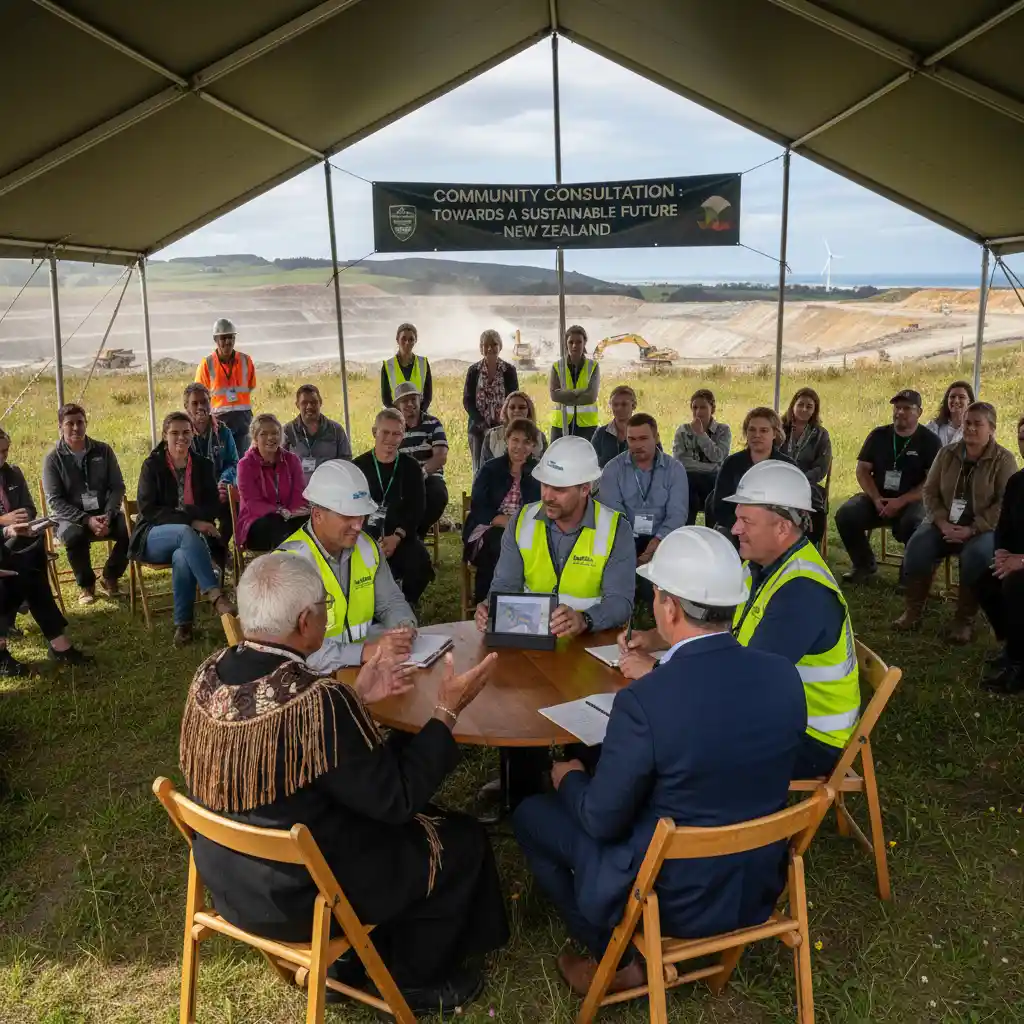
The path forward involves strengthening legal frameworks, enhancing enforcement mechanisms, promoting transparency, and fostering greater collaboration between governments, industry, civil society, and local communities. Technological advancements, such as blockchain for supply chain traceability, also offer promising tools to ensure the integrity of ethical sourcing claims.
For consumers, understanding these standards empowers informed purchasing decisions, driving demand for responsibly sourced products. Every choice contributes to the market signal that ethical practices are not merely desirable but essential.
Conclusion
The landscape of global legal standards for ethical mining is dynamic and continually evolving. From international principles advocating for human rights and due diligence to specific regional regulations targeting conflict minerals, the collective effort to foster responsible mineral extraction is undeniable. While challenges remain, the increasing integration of ethical considerations into legal and corporate frameworks signifies a powerful shift towards a more sustainable and equitable future for the mining industry.
As consumers and citizens, our awareness and choices play a critical role in reinforcing these standards and accelerating the transition towards truly ethical and sustainable resource management.
Frequently Asked Questions (FAQ)
What defines ‘ethical mining’?
Ethical mining refers to practices that prioritize environmental protection, human rights, fair labor practices, and community well-being throughout the entire mining lifecycle. It aims to minimize negative social and ecological impacts while contributing positively to sustainable development.
Are global legal standards for ethical mining legally binding?
Some global frameworks, like the UN Guiding Principles, are not legally binding treaties but serve as authoritative international soft law that influences national legislation and corporate policy. Others, like the EU Conflict Minerals Regulation, are legally binding within their jurisdiction, requiring companies to adhere to specific due diligence standards.
How do certifications like IRMA or RJC relate to legal standards?
Certifications and voluntary initiatives often go beyond basic legal compliance, setting higher benchmarks for best practices in environmental, social, and governance (ESG) areas. They provide third-party verification that companies meet these enhanced standards, offering greater assurance to stakeholders and consumers, and often influencing future legal developments.
What role do consumers play in promoting ethical mining?
Consumers play a crucial role by demanding products made with ethically sourced materials. By choosing brands that demonstrate transparency and adherence to high ethical standards, consumers send a clear market signal that responsible practices are valued, thereby encouraging companies to invest in ethical supply chains and drive compliance with global legal standards for ethical mining.
What are ‘conflict minerals’ and why are they regulated?
Conflict minerals (specifically tin, tantalum, tungsten, and gold, or 3TGs) are those mined in conflict-affected and high-risk areas, where their sale can directly or indirectly finance armed groups, perpetuate violence, and fuel human rights abuses. Regulations like the EU Conflict Minerals Regulation and the US Dodd-Frank Act aim to break this link by requiring companies to trace and report on the origins of these minerals.
References & Sources
- United Nations. (2011). Guiding Principles on Business and Human Rights: Implementing the United Nations “Protect, Respect and Remedy” Framework. Office of the High Commissioner for Human Rights.
- Organisation for Economic Co-operation and Development. (2016). OECD Due Diligence Guidance for Responsible Supply Chains of Minerals from Conflict-Affected and High-Risk Areas (Third Edition). OECD Publishing.
- European Union. (2017). Regulation (EU) 2017/821 of the European Parliament and of the Council of 17 May 2017 laying down supply chain due diligence obligations for Union importers of tin, tantalum and tungsten, their ores, and gold originating from conflict-affected and high-risk areas. Official Journal of the European Union.
- United States Congress. (2010). Dodd-Frank Wall Street Reform and Consumer Protection Act, Section 1502.
- Initiative for Responsible Mining Assurance (IRMA). (n.d.). IRMA Standard for Responsible Mining. Retrieved from [Plausible URL like www.responsiblemining.org/standard]
- International Labour Organization. (n.d.). Conventions and Recommendations. Retrieved from [Plausible URL like www.ilo.org/global/standards/lang–en/index.htm]