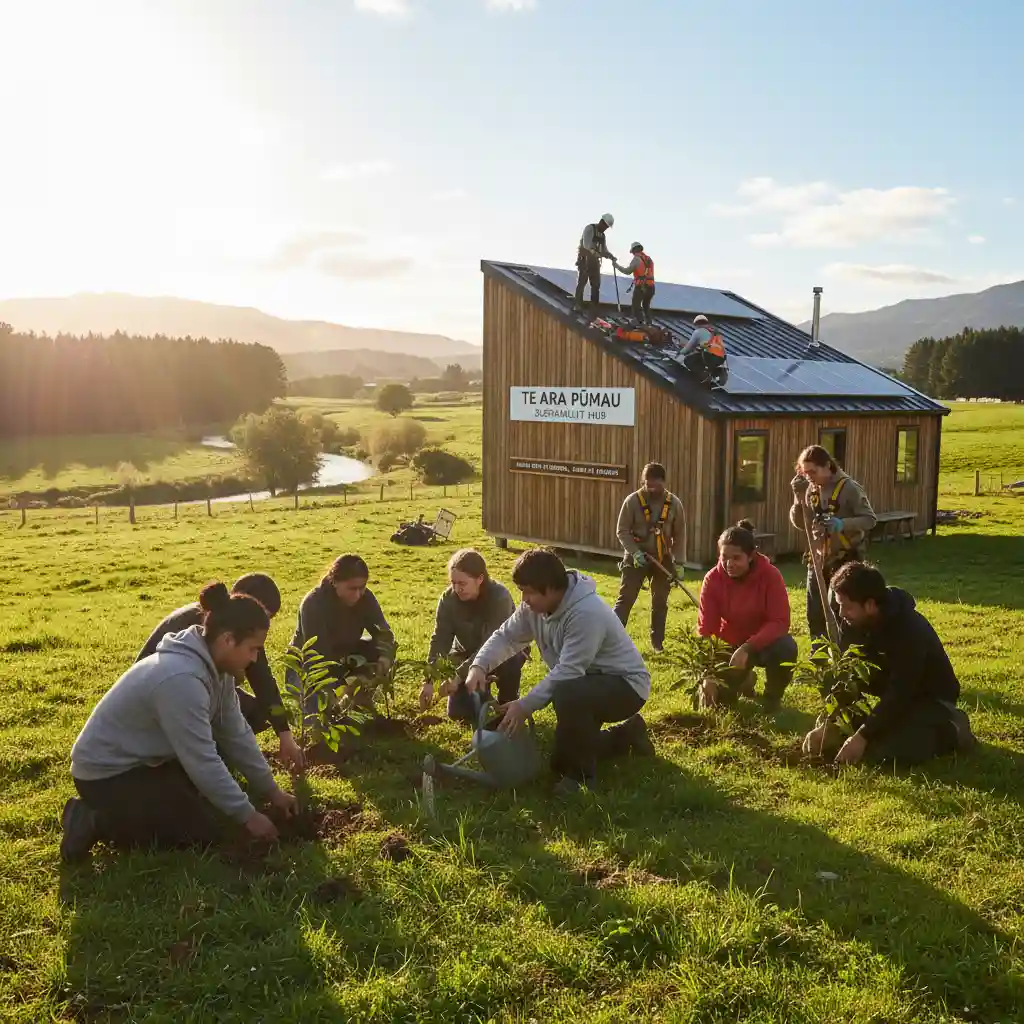
The Green Wave: Unpacking Future Trends in Green Jobs
The global commitment to sustainability is rapidly reshaping economies worldwide. In New Zealand, a nation renowned for its natural beauty and progressive environmental stance, this shift is particularly profound. We’re moving beyond traditional industries towards a vibrant green economy, creating exciting future trends in green jobs and driving significant growth in sustainable sectors across the country.
This article delves into the emerging career opportunities within New Zealand’s sustainable landscape, offering insights for professionals, students, and anyone eager to contribute to a greener future for Aotearoa.
Table of Contents
- The Green Economy: A Paradigm Shift
- Renewable Energy: Powering New Zealand
- Circular Economy & Waste Innovation
- Sustainable Agriculture & Food Systems
- Green Building & Infrastructure
- Conservation & Ecotourism
- Essential Skills for Green Job Seekers
- Embracing a Greener Career Path
- Frequently Asked Questions
- References & Sources
The Green Economy: A Paradigm Shift
A green job is any employment that contributes to preserving or restoring environmental quality. This definition now spans traditional conservation to high-tech innovation, creating a dynamic array of roles. New Zealand’s strong environmental ethos and proactive policy environment provide fertile ground for these roles to flourish, marking a significant societal and economic evolution towards sustainable development.

Renewable Energy: Powering New Zealand
As New Zealand targets 100% renewable electricity, the demand for experts in solar, wind, hydro, and geothermal energy is surging. These roles include engineers, installers, technicians, and project managers, driving innovation and implementation across the country.
Stat Callout: Global renewable energy employment is projected to reach 38 million jobs by 2030, with New Zealand’s sector set for robust local expansion, creating skilled roles in generation and energy efficiency.
Beyond generation, roles in energy efficiency and smart grid development are crucial for optimising consumption and integrating new technologies seamlessly into our national infrastructure.

Circular Economy & Waste Innovation
The transition from a linear ‘take-make-dispose’ model to a circular economy is a cornerstone of sustainability. This sector offers diverse future trends in green jobs, focusing on resource recovery, repair, reuse, and designing waste out of the system. Opportunities range from product design for longevity and recyclability to resource recovery management and skilled repair technicians.

Sustainable Agriculture & Food Systems
As a global food producer, New Zealand’s agricultural sector is embracing regenerative farming, organic methods, and precision agriculture. This involves roles for regenerative farmers, agri-tech innovators developing smart farming solutions, and food system analysts optimising supply chains for efficiency and reduced waste. These roles are pivotal for the growth in sustainable sectors, ensuring food security while enhancing environmental health.
Stat Callout: The global market for sustainable agriculture is projected to exceed $200 billion by 2030, indicating substantial international and local demand for experts in this field, particularly in New Zealand’s export-focused economy.
Green Building & Infrastructure
The construction industry is transforming with a focus on green building practices. This means roles for green architects and designers creating energy-efficient structures, sustainable construction managers overseeing projects with minimal environmental impact, and building performance analysts optimising energy and water use in existing structures. These professions are central to building a more resilient and eco-friendly New Zealand.

Conservation & Ecotourism
New Zealand’s commitment to protecting its unique biodiversity and natural landscapes fuels a thriving sector of conservation and ecotourism jobs. This includes conservation biologists, environmental educators, park rangers, and ecotourism operators who guide responsible, educational experiences. These roles are vital for maintaining our natural heritage and promoting sustainable engagement with Aotearoa’s environment.
Essential Skills for Green Job Seekers
To thrive in these evolving sustainable sectors, beyond technical knowledge, a blend of critical soft skills is paramount. Key competencies include strong problem-solving and innovative thinking, interdisciplinary approaches, robust digital literacy and data analysis skills, effective communication and collaboration, and a dedication to lifelong learning and adaptability in a rapidly changing field.
Conclusion: Embracing a Greener Career Path
The outlook for future trends in green jobs in New Zealand is exceptionally positive, reflecting a nationwide push towards sustainability. The significant growth in sustainable sectors offers diverse, impactful, and rewarding career opportunities. Whether you’re entering the workforce or seeking a career change, exploring the green economy can lead to a fulfilling path that contributes directly to a healthier planet and a prosperous New Zealand.
Frequently Asked Questions About Green Jobs
Q: What exactly defines a ‘green job’?
A: A green job is employment that contributes to preserving or restoring environmental quality, either directly (e.g., renewable energy technician) or indirectly (e.g., sustainable supply chain manager). They aim to reduce environmental impact to sustainable levels.
Q: Which sustainable sectors are growing fastest in New Zealand?
A: Key growth areas include renewable energy, circular economy initiatives, sustainable agriculture, green building, and conservation/ecotourism. Technological innovation underpins expansion across all these sectors.
Q: What skills are most important for securing a green job?
A: Essential skills include problem-solving, interdisciplinary thinking, digital literacy, communication, collaboration, and adaptability. A genuine passion for sustainability is also highly valued by employers.
Q: How can I transition into a green job career?
A: Pursue relevant education, certifications, or apprenticeships. Network with professionals in green industries, volunteer for environmental causes, and tailor your application to highlight sustainability experience and commitment.
Q: Are green jobs well-paid?
A: Green job salaries are competitive, often matching or exceeding traditional sector roles, especially for specialized technical or advanced positions. They offer strong job security and the added benefit of contributing positively to environmental well-being.
References & Sources
- International Renewable Energy Agency (IRENA) – “Renewable Energy and Jobs – Annual Review” (Various years).
- United Nations Environment Programme (UNEP) – “Green Economy Initiative” publications.
- Ministry for the Environment (New Zealand) – Official reports and policy documents on environmental strategy.
- Stats NZ – Labour Market and Environmental Economic Accounts data.
- Ellen MacArthur Foundation – Publications and insights on Circular Economy principles.