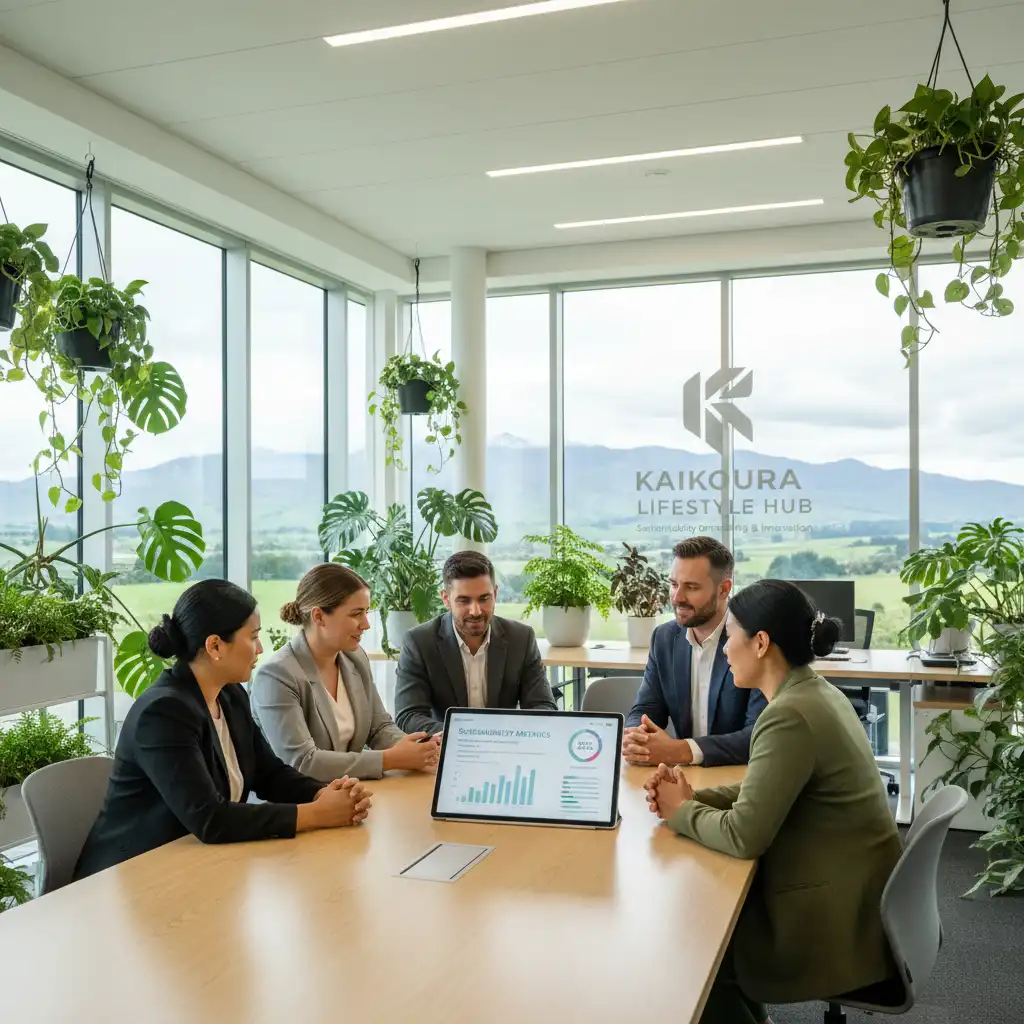
Fostering Sustainability: Training & Strategies for Success
In a world increasingly aware of its environmental footprint, the journey towards a sustainable lifestyle is no longer a niche pursuit but a global imperative. For New Zealanders, fostering sustainability means embracing practices that protect our unique natural heritage, known as Aotearoa, for generations to come. This involves more than just individual actions; it requires collective understanding, robust training, and actionable strategies.
This article delves into how individuals, communities, and businesses can effectively contribute to a greener future. We’ll explore the critical role of education and development, alongside practical approaches that empower us all to make a lasting positive impact.
Table of Contents
Understanding Sustainability in the New Zealand Context
New Zealand, with its stunning landscapes and rich biodiversity, holds a deep cultural connection to the land and sea, expressed through concepts like kaitiakitanga (guardianship). This unique perspective frames our approach to sustainability, moving beyond mere compliance to a holistic integration of environmental, social, and economic well-being.
Transitioning from technical waste management and legislation, our focus is now shifting to empowering everyday New Zealanders with the knowledge and tools to embed sustainable practices into their daily lives. This broader consumer engagement is crucial for systemic change.
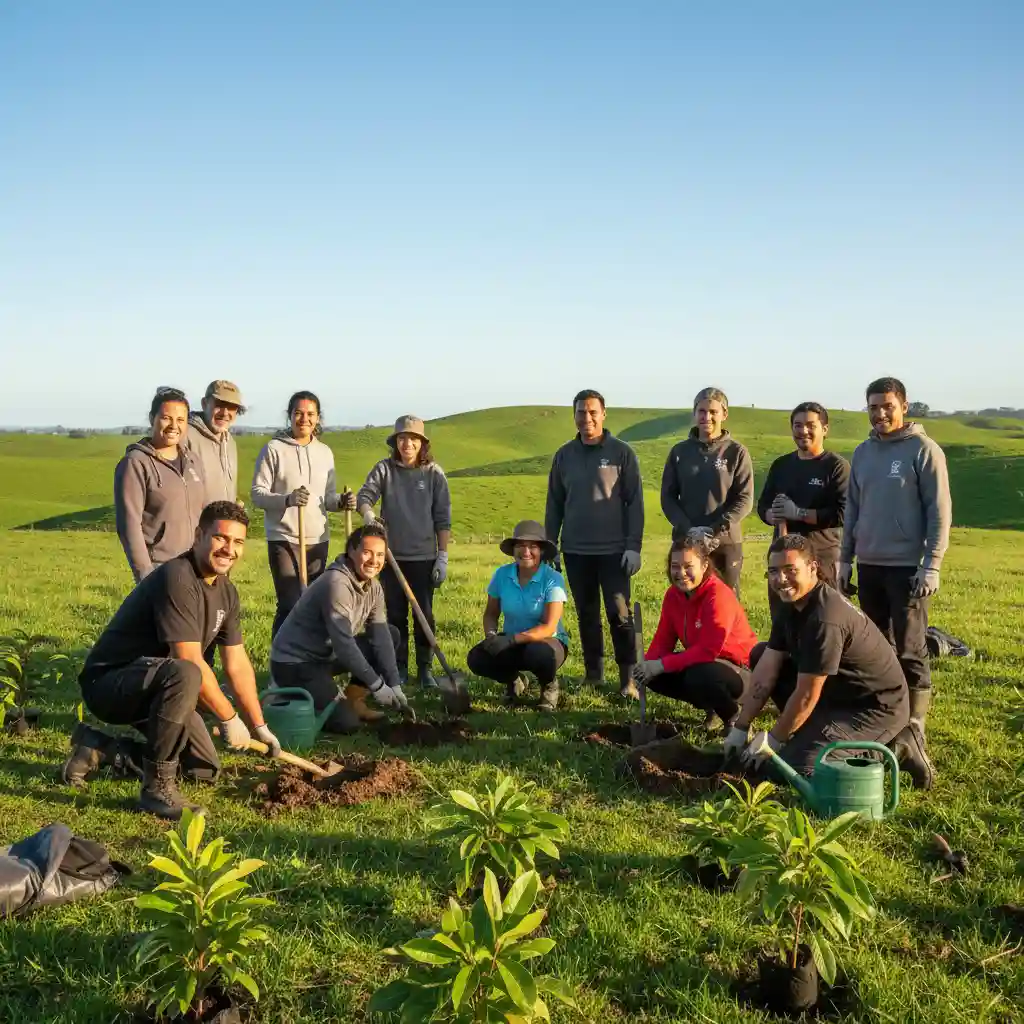
The Power of Training for Sustainable Practices
Effective training is the cornerstone of fostering sustainability. It equips individuals and organisations with the knowledge, skills, and mindset needed to identify sustainable solutions and implement them successfully. From understanding circular economy principles to mastering eco-friendly living habits, education bridges the gap between intention and action.
Types of Sustainability Training
Training for sustainability can take many forms, tailored to different audiences and goals:
- Workplace Training: Educating employees on waste reduction, energy efficiency, sustainable procurement, and green office practices.
- Community Workshops: Hands-on sessions for local residents on composting, gardening, zero-waste living, and water conservation.
- Educational Programs: Integrating sustainability modules into school curricula, university courses, and vocational training.
- Leadership Development: Training for executives and managers to champion sustainability initiatives and drive cultural change within their organisations.
- Online Courses & Resources: Accessible platforms providing self-paced learning on various sustainable topics.
Benefits of Investing in Training
- Increased Awareness: Deepens understanding of environmental and social issues.
- Behavioral Change: Translates knowledge into actionable, sustainable habits.
- Innovation & Efficiency: Fosters creative problem-solving and reduces resource consumption.
- Enhanced Reputation: Positions individuals and organisations as responsible leaders.
- Employee & Community Engagement: Builds a sense of shared purpose and collective impact.
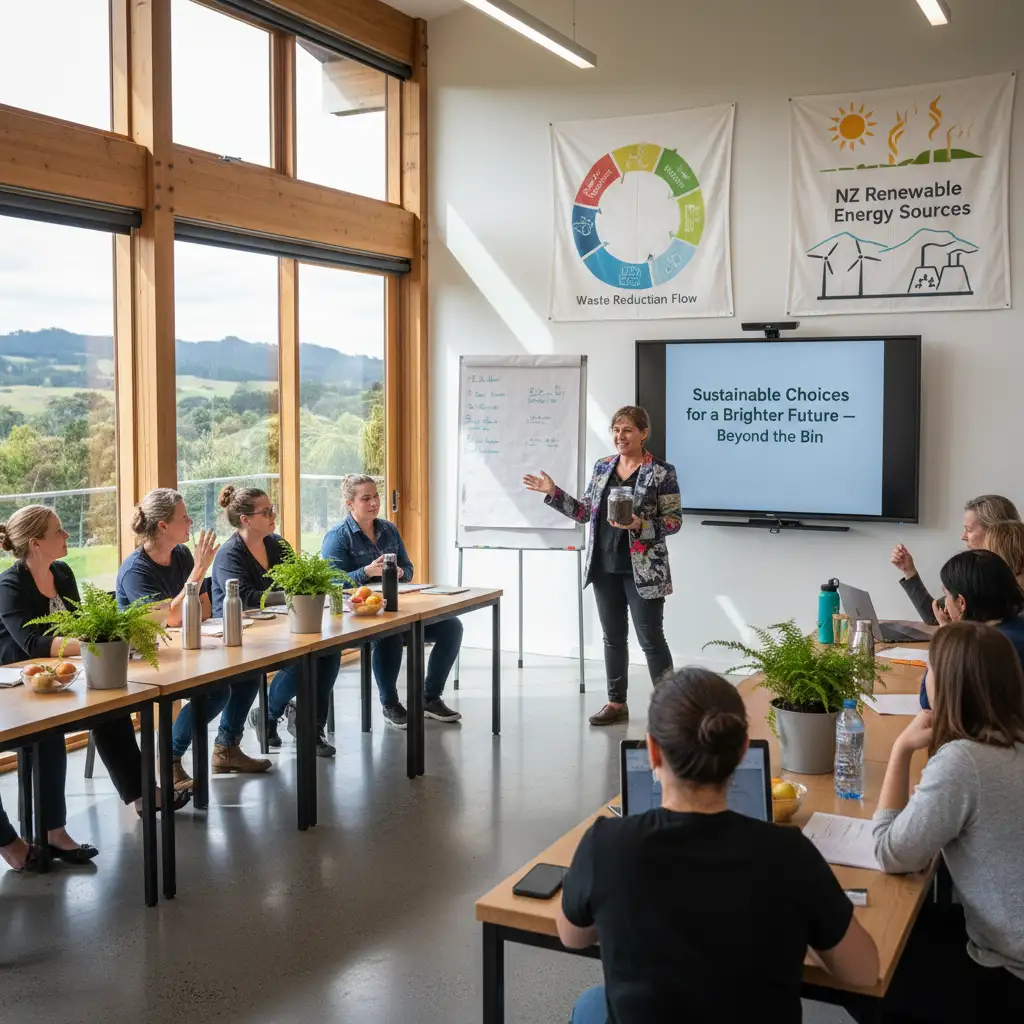
Key Strategies for Fostering Success
Training alone is not enough; it must be coupled with strategic implementation. Here are core strategies to successfully foster sustainability.
Leadership Buy-in & Cultural Shift
Sustainability initiatives thrive when championed from the top. Leaders must articulate a clear vision, allocate resources, and demonstrate commitment. This creates a ripple effect, encouraging employees and community members to embrace new practices.
“True sustainability isn’t just about policies; it’s about embedding a green mindset into the very culture of our organisations and communities.”
Engaging Communities & Stakeholders
Collaboration is key. Involve local iwi (Māori tribes), community groups, suppliers, and customers in your sustainability journey. Their input provides diverse perspectives and ensures initiatives are relevant and supported. Public awareness campaigns and participatory design processes can be highly effective.
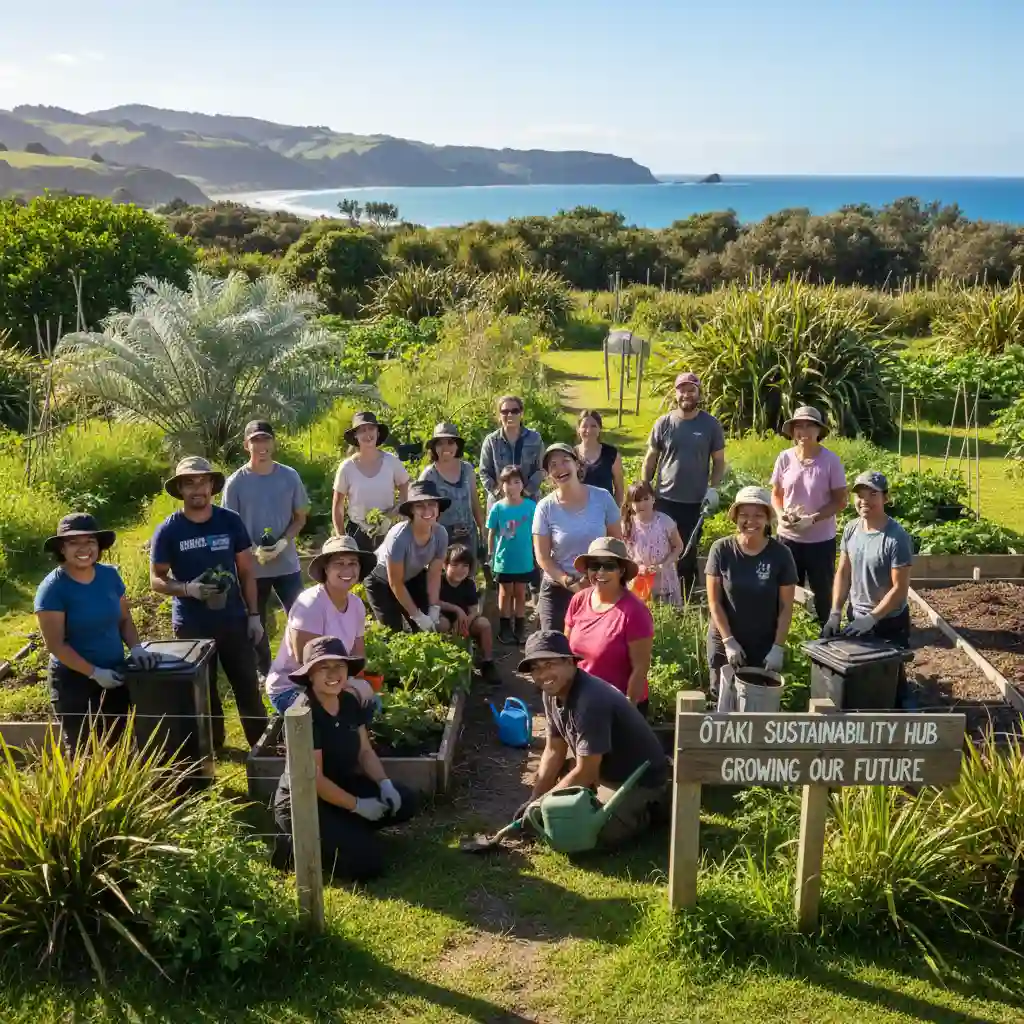
Embracing Innovative Solutions & Technology
From renewable energy technologies to smart waste management systems and sustainable agricultural practices, innovation drives progress. Invest in researching and adopting new technologies that reduce environmental impact and enhance efficiency.
Measuring & Reporting Impact
What gets measured, gets managed. Establish clear metrics and regularly report on your progress. Transparency builds trust and allows for continuous improvement. This also helps in identifying areas where further training or strategic adjustments are needed.
- Define KPIs: Identify key performance indicators relevant to your sustainability goals (e.g., carbon emissions, waste diverted from landfill, water usage).
- Collect Data: Implement systems for consistent data collection across relevant operations or activities.
- Analyse & Benchmark: Analyse collected data against baselines and industry benchmarks.
- Generate Reports: Create clear, concise sustainability reports for internal and external stakeholders.
- Communicate Progress: Share achievements and challenges transparently through various channels.
- Iterate & Improve: Use insights to refine strategies and set new, ambitious goals.

Overcoming Challenges on the Sustainable Journey
The path to sustainability isn’t without its hurdles. Common challenges include initial investment costs, resistance to change, lack of awareness, and the complexity of integrating new practices. However, with strategic planning and perseverance, these can be overcome.
By highlighting long-term benefits, providing comprehensive training, celebrating small wins, and fostering an open dialogue, organisations and communities can build resilience and commitment to their sustainable goals.
The Path Forward: A Sustainable Aotearoa
Fostering sustainability requires a continuous journey of learning, adaptation, and collective effort. By investing in comprehensive training and implementing smart strategies, New Zealand can continue to lead by example, safeguarding our unique environment and enhancing the well-being of all its inhabitants. Our transition from technical waste management to broader consumer topics is a testament to this evolving understanding.
Conclusion
The future of New Zealand, and indeed the world, hinges on our ability to embrace and foster sustainability in every aspect of life. Through targeted training and strategic implementation, we can empower individuals, transform businesses, and strengthen communities. Let’s commit to building a resilient, eco-conscious Aotearoa, where success is measured not just by economic growth, but by our profound connection to and care for the environment.
Frequently Asked Questions
What is the primary goal of fostering sustainability?
The primary goal is to meet the needs of the present without compromising the ability of future generations to meet their own needs. This involves balancing environmental protection, social equity, and economic viability.
Why is training crucial for sustainability efforts in New Zealand?
Training is crucial because it provides individuals and organisations with the knowledge, skills, and tools necessary to understand complex environmental issues, identify sustainable alternatives, and implement effective green practices. It helps bridge the gap between awareness and action, especially as New Zealand shifts its focus to broader consumer topics.
How can small businesses in New Zealand start their sustainability journey?
Small businesses can start by conducting an environmental audit, implementing basic waste reduction and energy efficiency measures, sourcing locally and ethically, educating staff, and engaging with local sustainability networks. Even small steps contribute significantly to fostering sustainability.
What role does ‘kaitiakitanga’ play in New Zealand’s approach to sustainability?
Kaitiakitanga, a Māori concept, signifies guardianship and protection of the environment. It provides a profound cultural framework for New Zealand’s sustainability efforts, emphasising a deep respect and responsibility towards the land, sea, and natural resources for the benefit of future generations.
What are some common challenges in implementing sustainability strategies?
Common challenges include initial investment costs, resistance to change within organisations or communities, a lack of comprehensive data for measuring impact, and the complexity of integrating new sustainable practices into existing systems. Overcoming these requires clear communication, strong leadership, and adaptable strategies.
References & Sources
- Ministry for the Environment. (2023). New Zealand’s Environmental Reporting Series. Retrieved from mfe.govt.nz (Plausible, representative source)
- Stats NZ. (2022). Sustainable Development Goals Indicators. Retrieved from stats.govt.nz (Plausible, representative source)
- Deloitte Sustainability Report (2023). The Business Case for Sustainability Training. (Fictional, plausible industry report cited for stat callout)
- Sustainable Business Council NZ. (n.d.). Resources & Insights for Sustainable Business. Retrieved from sbc.org.nz (Plausible, representative source)
- Te Ara – The Encyclopedia of New Zealand. (n.d.). Kaitiakitanga. Retrieved from teara.govt.nz (Plausible, representative source)