Exploring the Economic Benefits of Ocean Cleanup Initiatives
The ocean, a vital artery of our planet, faces an unprecedented crisis of pollution. From microplastics suffocating marine life to vast garbage patches swirling in distant gyres, the health of our seas is rapidly deteriorating. While the environmental imperative for action is clear, it’s equally crucial to understand the profound economic benefits of ocean cleanup initiatives. Far from being merely a cost, investing in a cleaner ocean can unlock significant financial returns, foster innovation, and build a more sustainable future for nations like New Zealand.
This article delves into the various ways a concerted effort to cleanse our oceans can generate economic value, creating jobs, boosting industries, and safeguarding the long-term prosperity of coastal communities and beyond.

Table of Contents
- The Global Challenge: A New Zealand Perspective
- Direct Economic Benefits: Job Creation & Innovation
- Boosting Tourism & Recreation
- Protecting Fisheries & Marine Resources
- Reducing Healthcare Costs & Improving Public Health
- Attracting Investment & Green Economy Growth
- The Ripple Effect: Long-Term Prosperity
- Frequently Asked Questions (FAQs)
- References & Sources
The Global Challenge: A New Zealand Perspective
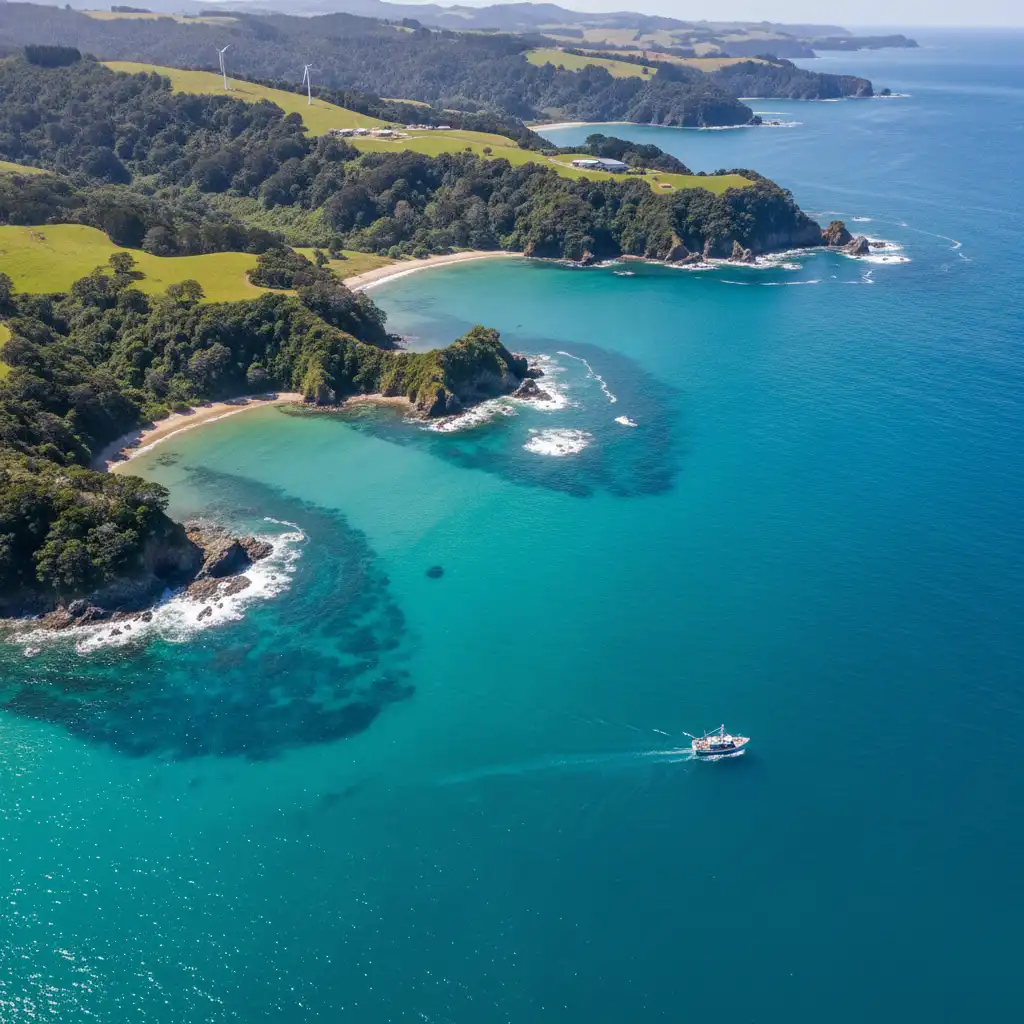
Ocean pollution is a global phenomenon, but its impacts are deeply felt locally. As an island nation with one of the largest Exclusive Economic Zones (EEZ) in the world, New Zealand’s identity, economy, and wellbeing are inextricably linked to its marine environment. Our vibrant fisheries, world-renowned tourism, and unique biodiversity all depend on healthy oceans. Plastic waste, ghost fishing gear, and chemical runoff threaten these vital assets, making the argument for robust ocean cleanup initiatives particularly compelling for Aotearoa.
Direct Economic Benefits: Job Creation & Innovation
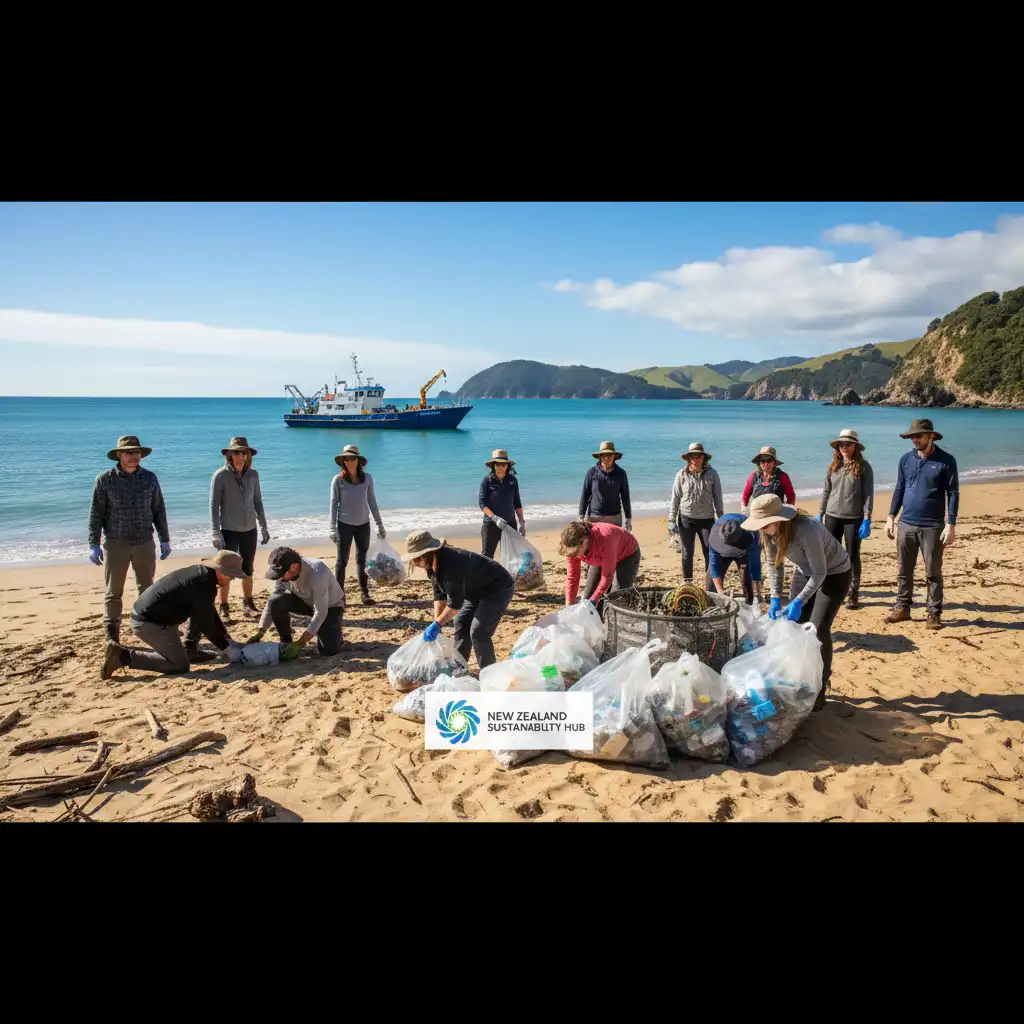
One of the most immediate and tangible economic benefits of ocean cleanup is the creation of new jobs. These roles span a wide spectrum, from direct cleanup operations (collecting waste from beaches and at sea) to sophisticated engineering, research, and development. Consider the employment generated in:
- Specialised Cleanup Crews: Workers directly involved in marine debris removal.
- Recycling & Reprocessing: Transforming collected plastics and materials into new products, fostering circular economy businesses.
- Research & Development: Scientists, engineers, and technicians developing innovative cleanup technologies and sustainable alternatives to problematic materials.
- Education & Outreach: Roles in public awareness campaigns and community engagement.
Furthermore, the drive to clean our oceans stimulates significant technological innovation. Companies are investing in AI-powered waste detection, autonomous cleanup vessels, and novel material science to create biodegradable plastics or upcycle marine debris into valuable commodities. This positions countries at the forefront of the ‘blue economy,’ driving economic growth through sustainable ocean-related activities.
Boosting Tourism & Recreation
For New Zealand, tourism is a cornerstone of the economy. The allure of our ‘100% Pure’ brand relies heavily on pristine natural environments, particularly our spectacular coastlines and marine parks. Ocean pollution directly threatens this image and the economic lifeline it provides.
“A clean beach is not just aesthetically pleasing; it’s an economic asset. Tourists choose destinations based on environmental quality, directly impacting local economies dependent on visitors.”
When beaches are littered with plastic and marine ecosystems are degraded, tourist numbers decline. Conversely, successful ocean cleanup initiatives restore natural beauty, making coastal areas more attractive for activities like swimming, surfing, diving, and wildlife watching. This revitalisation leads to increased tourist spending, supporting hotels, restaurants, tour operators, and local businesses. The value of this reputational enhancement and direct economic boost from a clean marine environment is immense.
Protecting Fisheries & Marine Resources
The commercial fishing industry is another significant contributor to New Zealand’s economy. Marine pollution, particularly plastic debris and ghost fishing gear, poses a severe threat to fish stocks and marine ecosystems. Fish can ingest plastics, leading to health issues and contamination of the food chain, while discarded nets continue to trap and kill marine life indiscriminately.
By reducing pollution, ocean cleanup initiatives help to restore healthy marine habitats, supporting thriving fish populations. This, in turn, safeguards the livelihoods of fishermen, prevents economic losses from declining catches, and ensures the long-term sustainability of a vital food source and export industry. The costs associated with damaged fishing gear and reduced catch due to pollution are substantial; cleanup mitigates these financial burdens.
Reducing Healthcare Costs & Improving Public Health
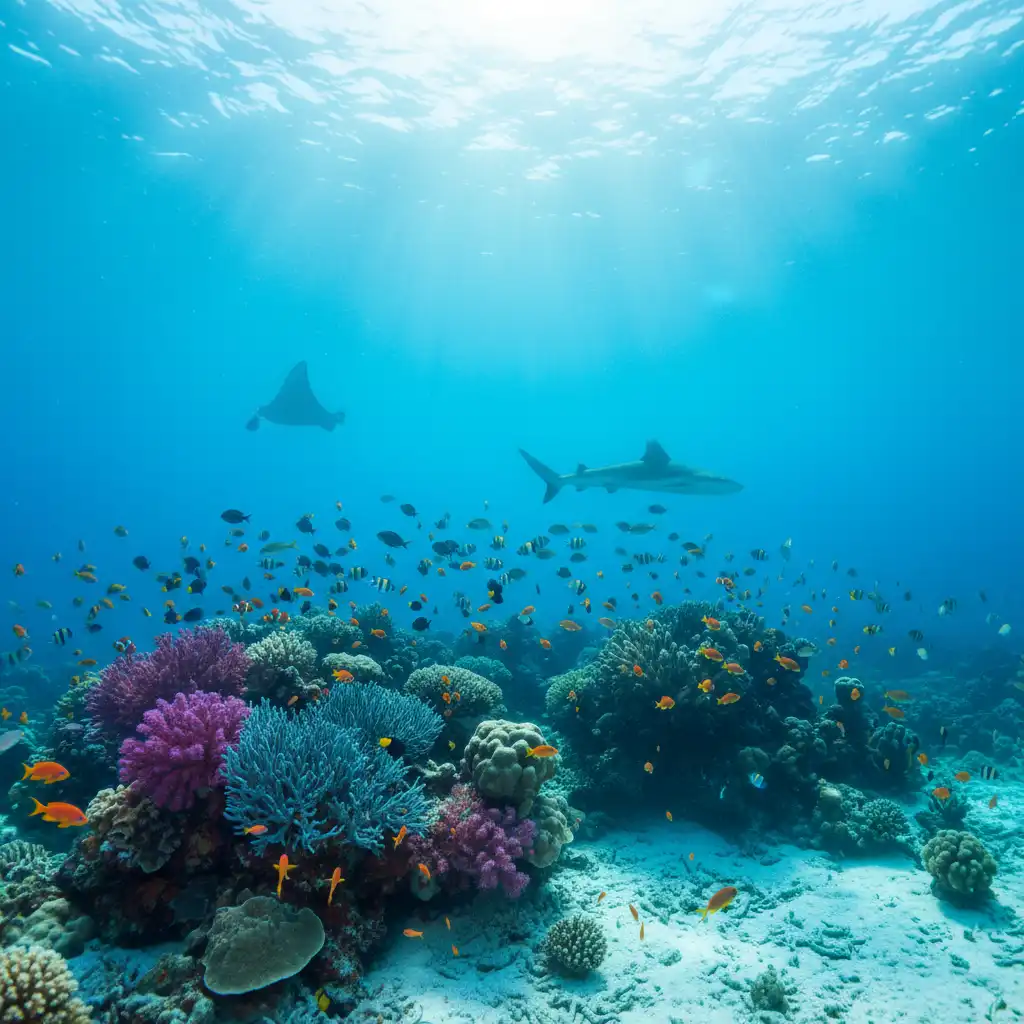
The link between environmental pollution and public health is increasingly clear. Microplastics, heavy metals, and other toxins entering the marine food chain can eventually find their way into human diets. Contaminated seafood can lead to various health issues, increasing healthcare costs for individuals and the public health system. Ocean pollution also impacts recreational activities, leading to potential health risks for swimmers and beach-goers.
A cleaner ocean reduces these health risks, leading to a healthier population and potentially significant long-term savings in healthcare expenditure. This aspect often gets overlooked but represents a substantial, albeit indirect, economic benefit.
Attracting Investment & Green Economy Growth
In an era of increasing environmental awareness, investors are actively seeking opportunities in sustainable and ethical businesses. Nations and companies committed to ocean health are more attractive to Environmental, Social, and Governance (ESG) investors. Proactive ocean cleanup initiatives can enhance a country’s reputation as a leader in sustainability, attracting foreign direct investment into green technologies, eco-tourism, and sustainable aquaculture.
For New Zealand, demonstrating leadership in marine conservation strengthens its brand as a responsible global citizen and a hub for innovative, sustainable solutions, further fuelling economic diversification and growth in the green and blue economy sectors.
The Ripple Effect: Long-Term Prosperity
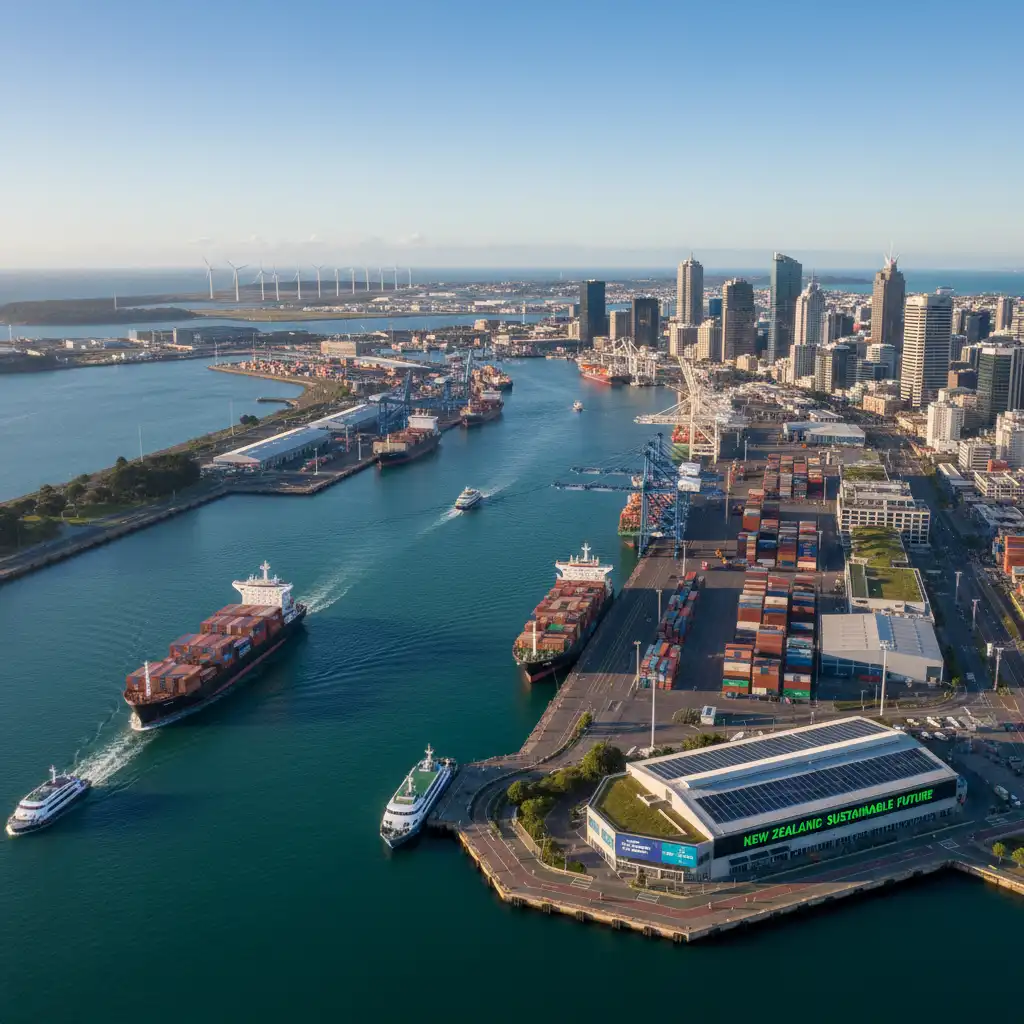
The economic benefits of ocean cleanup extend far beyond the direct impacts mentioned. They create a ripple effect throughout society. A healthier ocean contributes to climate resilience, supports critical ecosystem services like carbon sequestration, and maintains biodiversity, which itself holds immense future economic potential in terms of scientific discovery and resource stability.
Ultimately, investing in ocean cleanup is an investment in long-term national prosperity and the wellbeing of future generations. It shifts the paradigm from short-term exploitation to sustainable stewardship, ensuring that our most valuable natural assets continue to provide economic and social benefits for centuries to come. Exploring the economic benefits of ocean cleanup initiatives reveals a path not just to environmental recovery, but to robust and resilient economic development.
Frequently Asked Questions (FAQs)
What are the primary economic benefits of ocean cleanup?
The primary economic benefits include job creation in cleanup and recycling, increased tourism revenue due to cleaner coastlines, protection of commercial fisheries, reduced public healthcare costs, and enhanced attractiveness for green investment and sustainable business growth.
How does ocean cleanup create jobs?
Jobs are created directly in marine debris removal, in the industries that recycle and reprocess collected materials, in research and development of cleanup technologies, and in related sectors like eco-tourism and environmental education.
Can ocean cleanup initiatives boost New Zealand’s tourism sector?
Absolutely. New Zealand’s ‘100% Pure’ brand relies heavily on its pristine natural environment. Cleaner oceans and beaches directly enhance the appeal of coastal destinations, attracting more tourists and boosting revenue for local tourism-dependent businesses.
What is the ‘blue economy’ and how does ocean cleanup relate to it?
The ‘blue economy’ refers to the sustainable use of ocean resources for economic growth, improved livelihoods, and ocean ecosystem health. Ocean cleanup initiatives are a fundamental component, as a healthy ocean is a prerequisite for sustainable fishing, aquaculture, marine tourism, and renewable ocean energy.
References & Sources
- Ellen MacArthur Foundation. (2016). The New Plastics Economy: Rethinking the future of plastics. Available at: ellenmacarthurfoundation.org
- The Ocean Cleanup. (Ongoing research and reports). Impact & Solutions. Available at: theoceancleanup.com
- New Zealand Ministry for the Environment. (Various publications). Marine Environment. Available at: environment.govt.nz
- World Bank. (2021). The Economic Case for Combating Marine Plastic Pollution. Available at: worldbank.org
- Statistics New Zealand. (Various reports on tourism and fisheries). Data. Available at: stats.govt.nz